





Looking Back: Zonar Appoints New President & CEO
Zonar Awarded CARB Executive Order for Clean Truck Check On-Board Diagnostic Testing
The new certification aimed at reducing emissions is a crucial step towards achieving nationwide environmental goals.
July 10, 2024
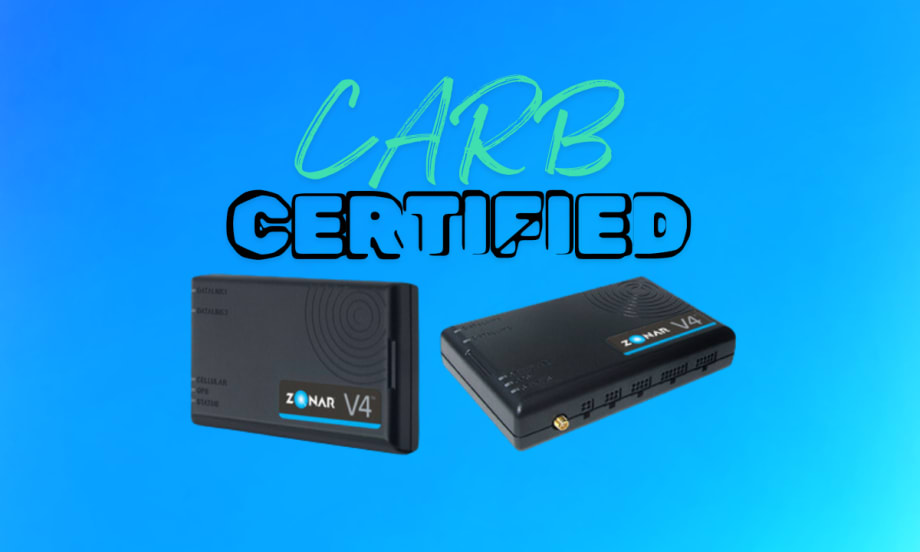
Zonar’s V4 telematics control unit (TCU) has undergone rigorous assessment and approval processes to achieve certification as an OBD device in accordance with CARB’s CTC requirements.
Photo: Work Truck | Zonar
2 min to read
Zonar announced that it is the first telematics provider to receive formal certification from California Air Resources Board’s (CARB) Clean Truck Check (CTC) program as a provider of continuously connected remote on-board diagnostic (CC-ROBD) testing devices.
Zonar’s V4 telematics control unit (TCU) has undergone rigorous assessment and approval processes to achieve certification as an OBD device in accordance with CARB’s CTC requirements. After providing the requisite emissions data and supporting information, Zonar has officially been granted an executive order to provide its OBD device and over-the-air emissions monitoring service to customers.
“As the first certified telematics provider of OBD testing devices, Zonar is proud to provide a solution that will automatically perform emission checks while fleet vehicles are on route ensuring compliance, eliminating downtime and reducing costly logistical nightmares due to rerouting vehicles to testing centers for a required scan,” said Greg Colvin, Senior Director of Solutions Engineering at Zonar.
Heavy-duty truck emissions of nitrogen oxide and particulate matter have been reduced by 99% over the last two decades, significantly improving air quality and public health. To maintain this progress and further combat climate change, CARB’s CTC program aims to reduce smog-forming and carcinogenic air pollutants produced by all commercial vehicles that travel through California.
This accounts for a significant portion of the industry as CARB estimates over 1.8 million medium- and heavy-duty vehicles operate daily in California.
“Our end-to-end solution will help drivers seamlessly adapt to the new mandate, save significant time and money, and ultimately make meaningful progress toward reduced carbon emissions. This is a major achievement as we enter the final stage of work for our in-market solution to be released prior to the regulatory deadline,” Colvin added.
By combining regular vehicle testing with advanced emissions monitoring, OBD testing devices must scan every CTC regulatory-required vehicle in a fleet at the beginning of its 90-day compliance intervals (based on vehicles’ VIN or date of registration) to give fleets adequate time to identify and schedule emissions-related repairs as needed to pass.
Fleets will have two emissions scanning options:
A handheld shop tool plugged into the OBD port operated by a certified technician.
An OBD device installed into the vehicle which automatically performs scans and sends the data over-the-air directly to CARB.
If a CTC-regulatory required vehicle is unable to pass an emissions test, consequences may include fines, citations, and/or vehicle registration holds.
Beginning January 1, 2025, any commercial vehicle traveling to or through California will be required to undergo testing twice per year. In 2027, vehicles will be required to test four times per year.
More Technology & AI
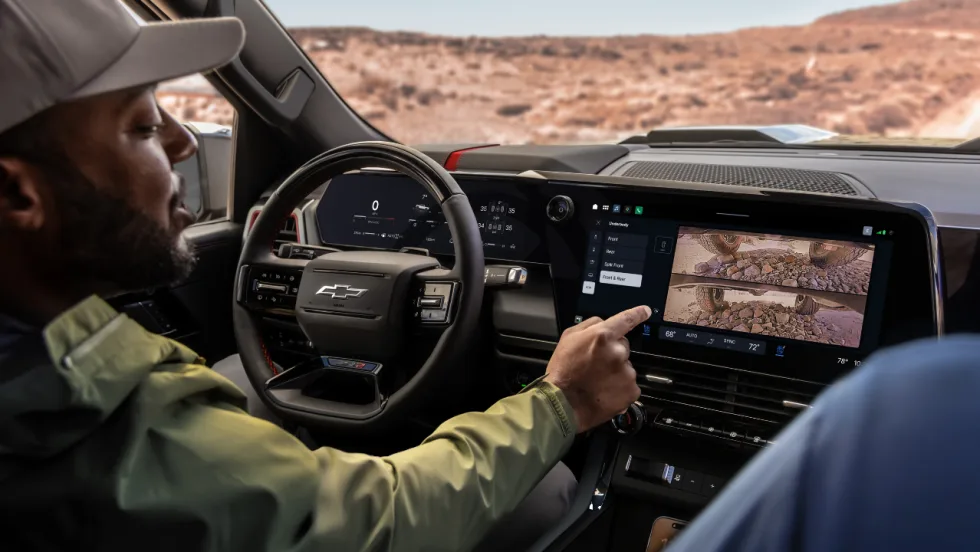
GM Brings New Truck Focused Interface to 2027 Silverado and Sierra
GM's new pickup interface puts trailering data, camera views, vehicle controls, and smartphone integration closer to the driver in the 2027 Silverado and Sierra.
Read More →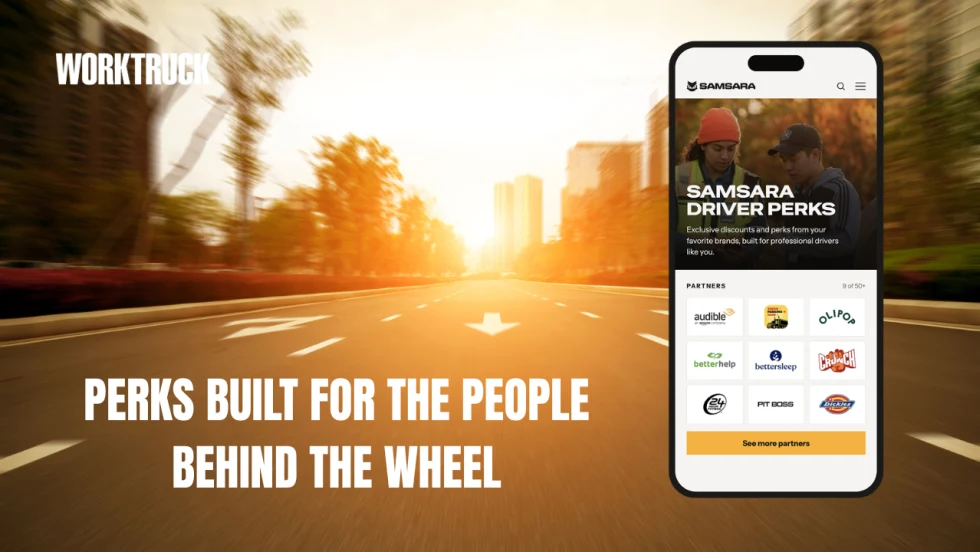
Samsara Driver Perks Expands Rewards Beyond the Long Haul Driver
Samsara’s new driver rewards program was built with a broader professional driver in mind, including employees who split their day between driving, job sites, service calls, and other work.
Read More →
AI Service Advisor Aims to Cut Fleet Repair Downtime
Fleetio said its AI Service Advisor can help fleets cut repair downtime by an average of 2.5 hours per repair while reducing manual maintenance work.
Read More →From Our Partners

Verra Mobility Launches AI-Driven Title & Registration Solution
Verra Mobility has launched a new AI-driven Title & Registration platform to help fleets move vehicles from acquisition to the road the same day while reducing compliance risk.
Read More →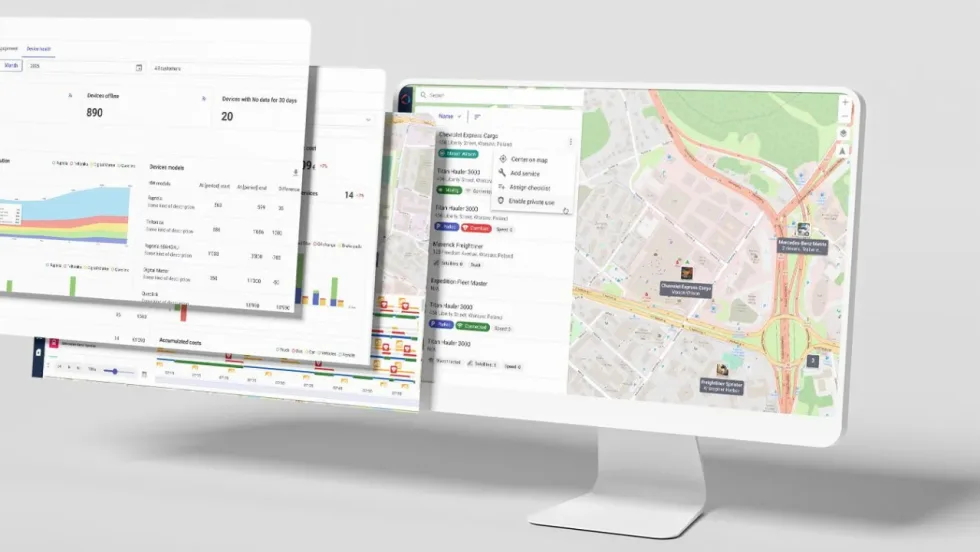
Wialon Unlocks OEM Data to Give Fleet Owners Data Ownership & Operational Clarity
Wialon has introduced hardware-free OEM integration as the EU Data Act accelerates the shift in vehicle data access across the fleet industry in many countries.
Read More →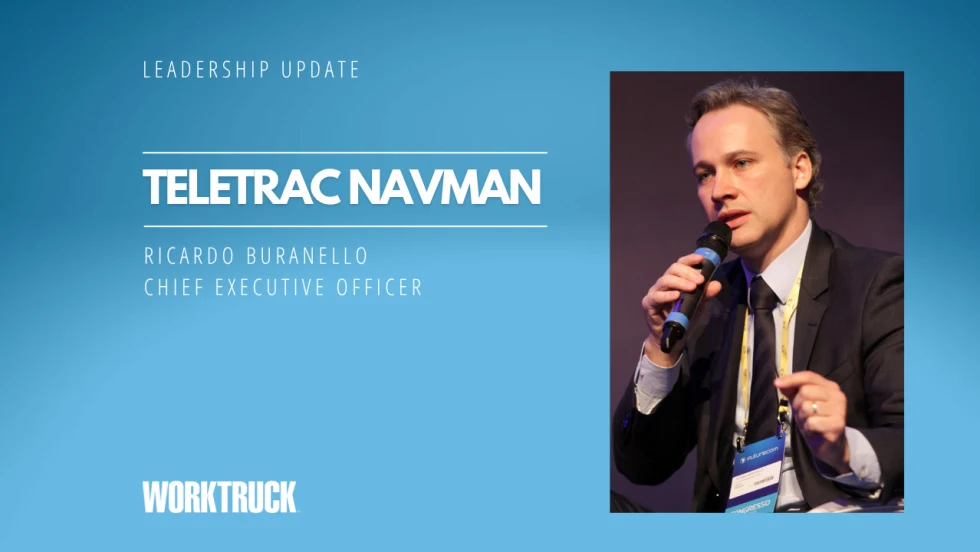
Teletrac Navman Promotes New CEO from Within
Teletrac Navman’s next CEO, Ricardo Buranello, has served as the company’s chief financial and operating officer. He brings deep financial and operational expertise, a strong strategic orientation, and an intimate knowledge of the business to his new role.
Read More →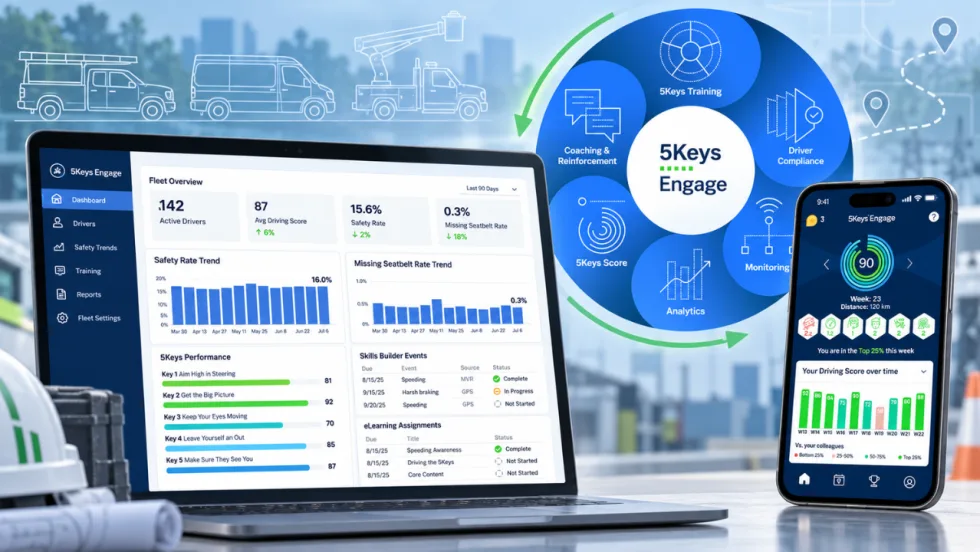
Smith System Wants Work Truck Fleets to Look Beyond the Driver Alert
Smith System’s new Driver Risk Management program is built to help mixed work truck fleets turn telematics alerts and observations into specific behaviors, coaching actions, and measurable follow-up.
Read More →
Ford Pro Software Updates: August 26
Check out the latest Ford Pro software updates, including Google Maps integration, Remote Vehicle Alarm integration, Motor Pool for easier management of shared pool vehicles, and more.
Read More →
Where AI Is Actually Saving Fleet Managers Time
AI is moving past the buzzword stage and into the daily fleet workflow. Fleetio’s Brianna Perry Lang breaks down where fleets are seeing real time savings, from maintenance and data entry to repair decisions, safety, and compliance
Read More →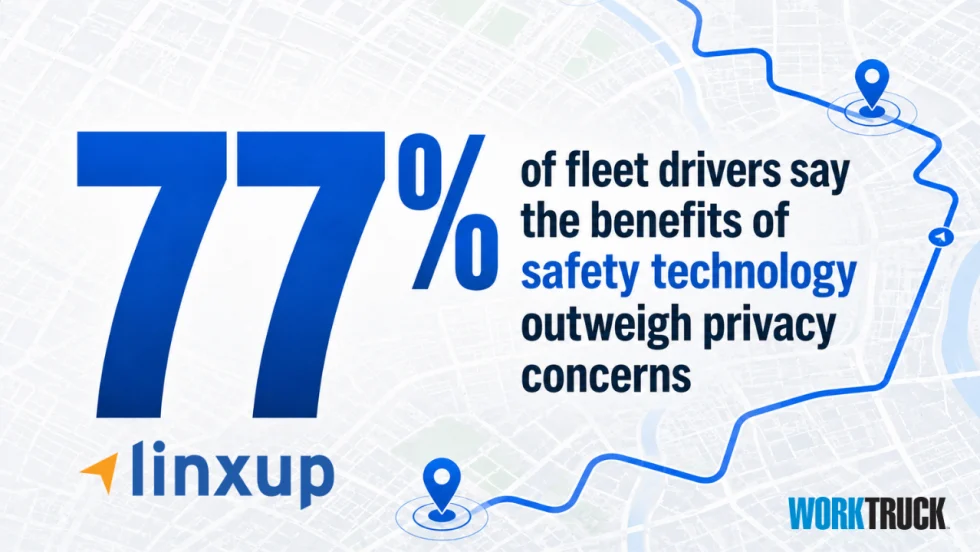
Are Work Truck Drivers Warming Up to Dash Cams and GPS Tracking?
A new survey finds field-service drivers may be more comfortable with dash cams and GPS tracking than fleet managers think, especially when the technology helps protect them after a crash.
Read More →