




Wireless Technology Allows Users to Track and Analyze Fuel Use, Guard Against Fuel Theft
SHELTON, CT – OEM Data Delivery, a developer of tools for managing task and jobsite data, has introduced a new tracking system for fuel and other high-value consumables.
SHELTON, CT – OEM Data Delivery, a developer of tools for managing task and jobsite data, has introduced a new tracking system for fuel and other high-value consumables. Radio Pump Tracker is a wireless, paperless technology that IDs each vehicle and the fuel dispensed to it, in real time. After dispensing, a hand-held device or PC captures vehicle hours, odometer readings, and gallons dispensed from the Pump Tracker.
Radio Pump Tracker allows management to track fuel consumed per hour, per machine, and quickly flags aberrations. Radio Pump Tracker facilitates calculations and analyses for use in audits and resource planning. Because it stores each machine’s history, it can also be used for scheduling maintenance that is based on fuel consumed or hours in service.
The system is compact in size and installs easily on pumps and trucks. A pulse flowmeter is installed into the fuel plumbing and connected via a harness to the pump tracker enclosure. The process takes about three hours. Training typically requiring about a day for fuel truck operators, service professionals, vehicle operators, and others to become fully capable with all functions.
For more information, visit www.oemdd.com.
More Operations

Team Fletcher Takes 2nd Overall at the Corporate Soap Box Derby
Team Fletcher came to Akron as a rookie and left with a win over Team Brown, a second-place overall finish, and $22,000 raised for The Hourglass Foundation. See how race day unfolded.
Read More →
Shades of Fleet Call for Voices: Fleet's Hidden Heroes
Fleet’s hidden heroes are often the ones keeping everything moving behind the scenes. September’s *Shades of Fleet* is looking for dispatchers, coordinators, parts specialists, and other support pros to share their stories.
Read More →
What is the WEX NAM Summit?
What makes the WEX NAM Summit different from other fleet industry events? It's a meeting of the minds that brings fleet and mobility leaders together to discuss emerging trends, AI, new solutions, best practices, and the future of the industry.
Read More →

With 293% 3-Year Revenue Growth, Fleetworthy is One of the Fastest-Growing Private Companies in the U.S.
Fleetworthy has been named to 2026 Inc. 5000 list of fastest-growing private companies for the second consecutive year. It ranked No. 2 overall in the Albany-Schenectady-Troy, New York metro area.
Read More →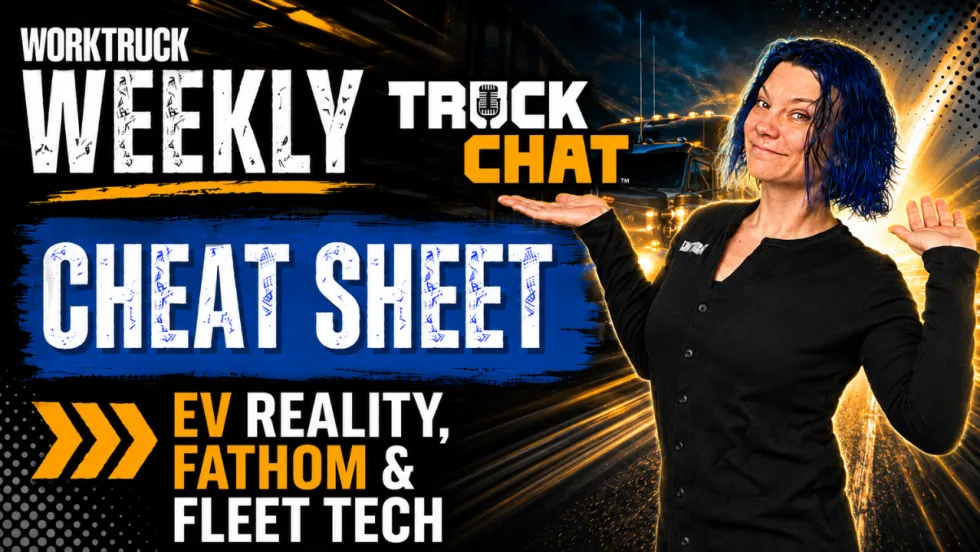
EV Fleet Reality, Ford Fathom, Robots, and Smarter Fleet Tech Lead the News
EV fleet lessons, Ford’s new Fathom electric truck, robots, manufacturing shifts, and smarter fleet technology headline this week’s Truck Chat Cheat Sheet.
Read More →
Elite 11 Semi-Finalists Announced for the 2026 Transition Trucking: Driving for Excellence Award
The 11 semi-finalists for the 2026 Transition Trucking: Driving for Excellence award have been announced. The award honors the achievements of military veterans who have transitioned into careers in the professional trucking industry.
Read More →
Are You Saying These Work Truck Company Names Correctly?
Think you know how to pronounce the biggest names in work trucks? We asked the companies themselves to settle it once and for all.
Read More →
Why Reactive Fleet Management Is Becoming Too Expensive to Sustain
Research highlights a growing need for proactive management strategies to address rising costs in fleet operations effectively.
Read More →
Is Your Fleet Structure Built to Scale?
As fleets grow across regions, structural inconsistencies can increase costs, limit visibility, and create operational risk. This guide helps fleet and business leaders evaluate whether their current operating model can support growth without sacrificing control or performance.
Read More →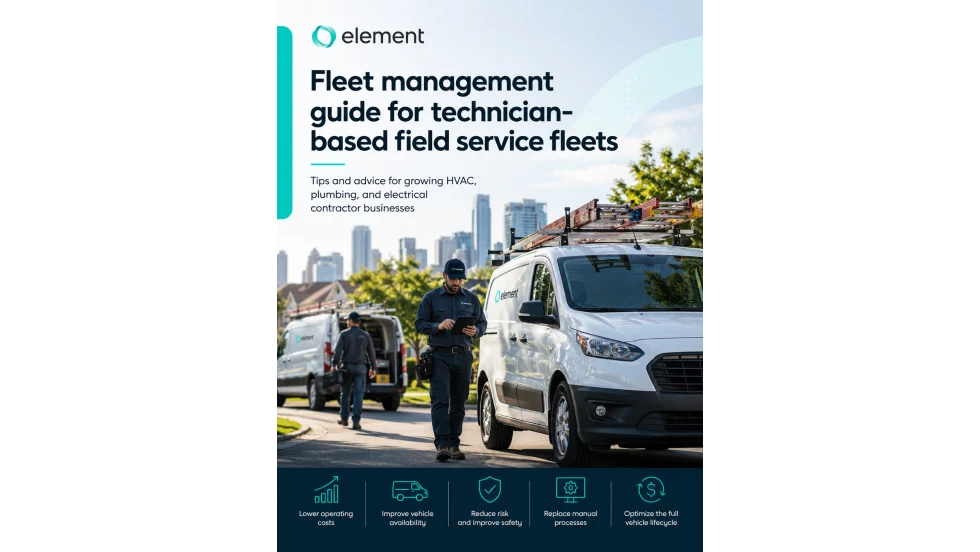
Fleet Management Guide for Growing Field Service Fleets
As HVAC, plumbing and contractor businesses grow, fleet complexity can begin to affect technician productivity, customer response times, operating costs, and revenue. This guide helps field service leaders build a more structured approach to managing vehicles, drivers, maintenance, safety, and lifecycle decisions.
Read More →