





Read More: Deep Dive on EV Data Shows Realities of Medium-Duty Fleet Electrification
What Cali Fleets Need to Know About CARB's New Incentives for EV Fleet Adoption
The California Air Resources Board's latest vote on funding for its Hybrid and Zero Emission Truck and Bus Voucher Incentive is the biggest influx of funding in the program's history.
January 19, 2022

CARB recently opened the doors to its new Southern California headquarters in Riverside.
Photo: CARB
3 min to read
The California Air Resources Board recently voted on funding for its Hybrid and Zero Emission Truck and Bus Voucher Incentive (HVIP) program, resulting in over $500 million in funding for 2022.
This is nearly a 3.5% increase from the last round, the agency reported.
Changes to HVIP policy for 2022 include:
Public Transit Bus Set-Aside: $70 million for zero-emission transit bus incentives. When the set-aside funds are fully requested, HVIP will continue to allow standard HVIP voucher requests for all public transit bus fleets pending funding availability.
Public School Bus Set-Aside: The Rural School Bus Pilot Project will now be administered as a set-aside within HVIP, funded at $130 million in 2022. This set-aside funding is for California public school bus fleets purchasing zero-emission school buses and is anticipated to cover most of the cost of the school bus. Some Rural School Bus Pilot Project requirements will migrate to the HVIP set-aside funding, including prioritization of rural areas and scrappage of an older school bus.
Drayage Truck Set-Aside: $75 million for zero-emission drayage truck incentives ( heavy-duty Class 8 tractors performing drayage operations). The $150,000 base voucher amount for drayage truck early adopters extends through December 31, 2022.
Innovative Small e-Fleets: Innovative Small e-Fleets set-aside to HVIP provides $25 million of pilot funding for incentives for small trucking fleets and independent owner operators. Adding Innovative Small e-Fleets to HVIP allows CARB to implement new mechanisms including, but not limited to flexible leases, peer to peer truck sharing, truck as a service, assistance with infrastructure, individual owner planning assistance, as well as other mechanisms.
Improvements to Disadvantaged Community (DAC) Voucher Enhancements: The standard DAC voucher enhancement of 10% increases to 15% for vehicles domiciled in a disadvantaged community that are purchased or leased by any public or private small fleet with 10 or fewer trucks or buses, and less than $50 million in annual revenue for private fleets. The increased voucher enhancement is also available for any purchase or lease by a California Native American tribal government.
Funding Shortfall Provisions: To ensure that small fleets have an opportunity for funding, HVIP will reserve a minimum of $25 million of traditional HVIP funds (exclusive of set-asides) for fleets of 10 or fewer trucks and buses until the third quarter of 2022. After October 1, 2022, any remaining funding from the $25 million reserve would be available to fleets of any size.
Voucher Request Caps: The existing voucher request cap is 30 vouchers per calendar year per fleet, and 50 vouchers per year for drayage fleets. Starting in 2022, any redeemed vouchers that were requested in the same year (representing delivered vehicles) will be exempt from the voucher cap.
These changes and other topics to be included in the FY 2021-22 Implementation Manual will be discussed in more detail in a public work group meeting in early 2022.
Originally posted on Automotive Fleet
More Green Fleet

Fleet Forward Conference Introduces One-Day Passes for 2026
New one-day registration gives fleet professionals the flexibility to attend Tuesday, Wednesday, or Thursday, with passes available for $199 through Sept. 18.
Read More →
CALSTART Rebrands as Catalyst Mobility, Will Combine with Forth in 2027
CALSTART has rebranded as Catalyst Mobility and will combine with Forth at the start of 2027. The new organization said it is poised to become one of the world's largest, strongest, and most impactful clean transportation nonprofits.
Read More →
Electric Truck and Charging Programs to Boost Sustainability at NY & NJ Ports
Together, the Port Authority of New York and New Jersey and CALSTART will electrify drayage and terminal operations serving the East Coast’s busiest container port. A pair of incentive programs totaling $45 million has launched to accelerate adoption of zero-emission drayage trucks and terminal tractors.
Read More →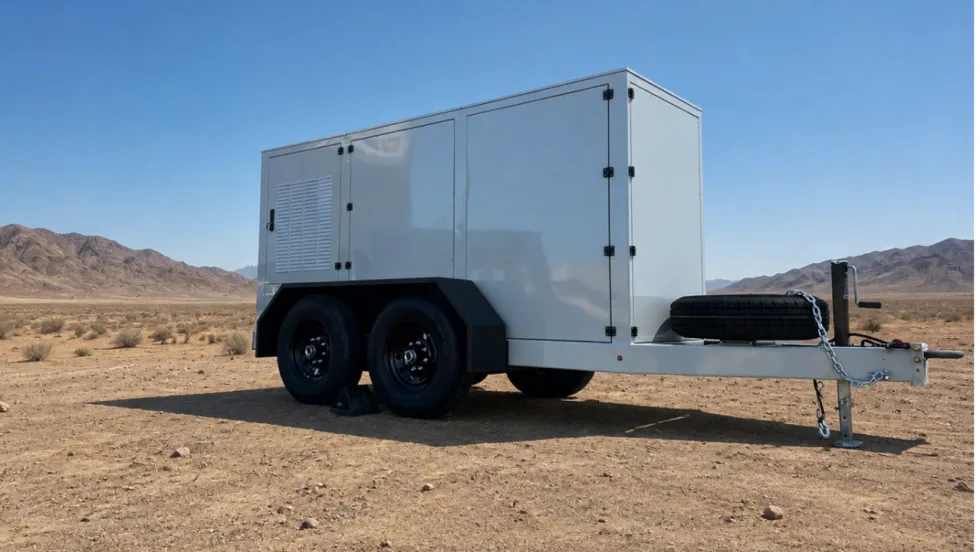
Xos Hub Surpasses One Gigawatt-Hour of Energy Delivered in the Field
A single Xos Hub has surpassed one gigawatt-hour of energy across more than 33,600 charging sessions in the field, demonstrating performance that supports Xos' expansion across new products and markets.
Read More →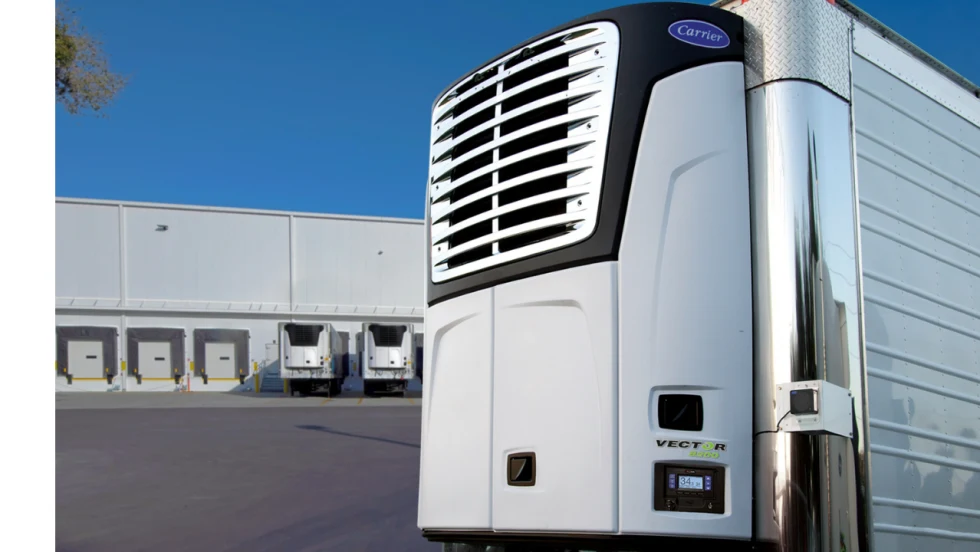
Carrier Transicold Launches All-Electric Vector 8200 TRU for Diesel-Free On-Site Cold Storage
Carrier Transicold’s first engineless multi-temperature TRU helps fresh- and frozen-food fleets add supplemental cold storage capacity during seasonal peaks.
Read More →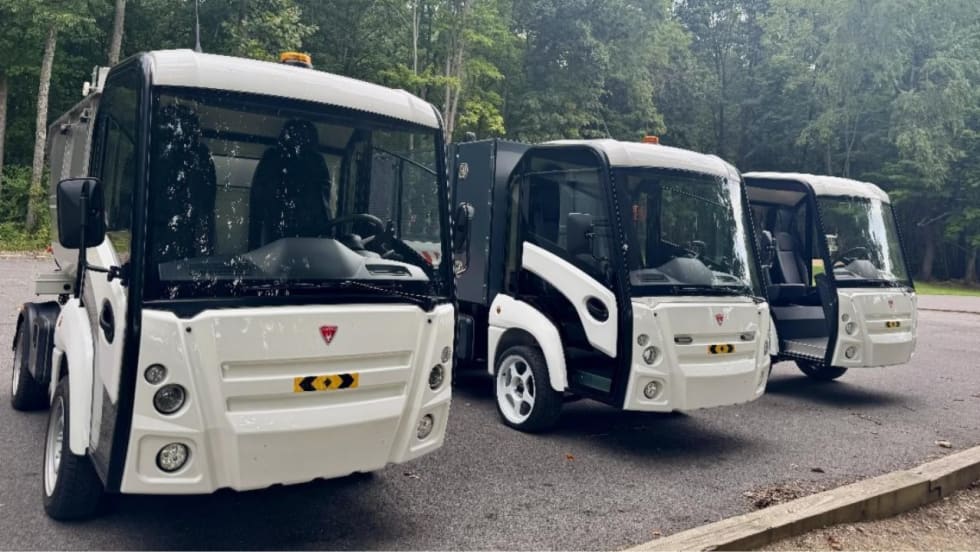
Narro Trucks Introduces Electric Utility Vehicle
Narro Trucks officially launched its operations on Aug. 20 and hosted a ride and drive to showcase its electric truck, which will be produced in Virginia.
Read More →
Samsung SDI Takes Full Control of GM Battery JV as Indiana Plant Pivots to Energy Storage
Samsung SDI is taking full control of its Indiana battery plant with GM, marking a major shift from the EV-focused joint venture Charged Fleet first covered in 2023.
Read More →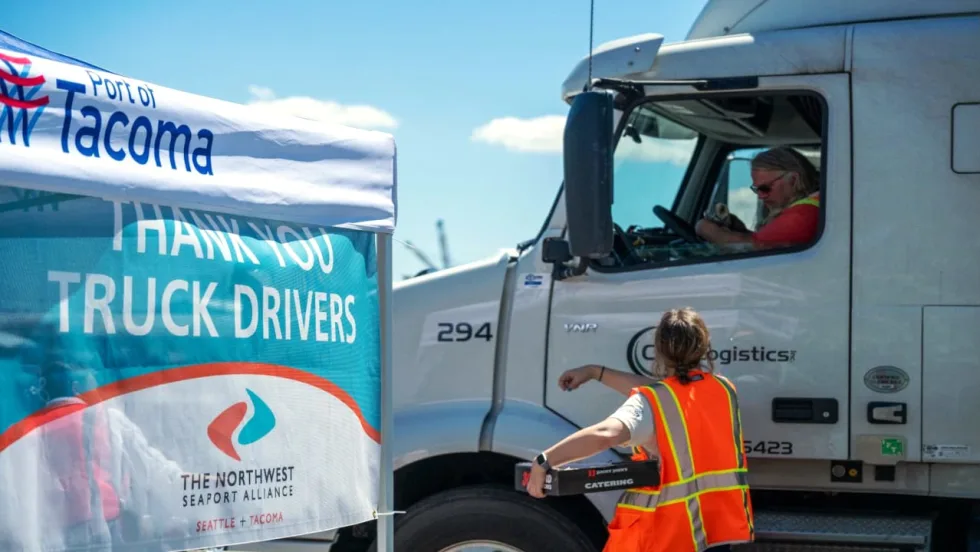
NWSA Taps CALSTART to Administer Zero-Emission Drayage Assistance Program
CALSTART will provide free technical assistance services to drayage fleets serving the Ports of Seattle and Tacoma and looking to transition to cleaner technologies and help decarbonize freight hubs.
Read More →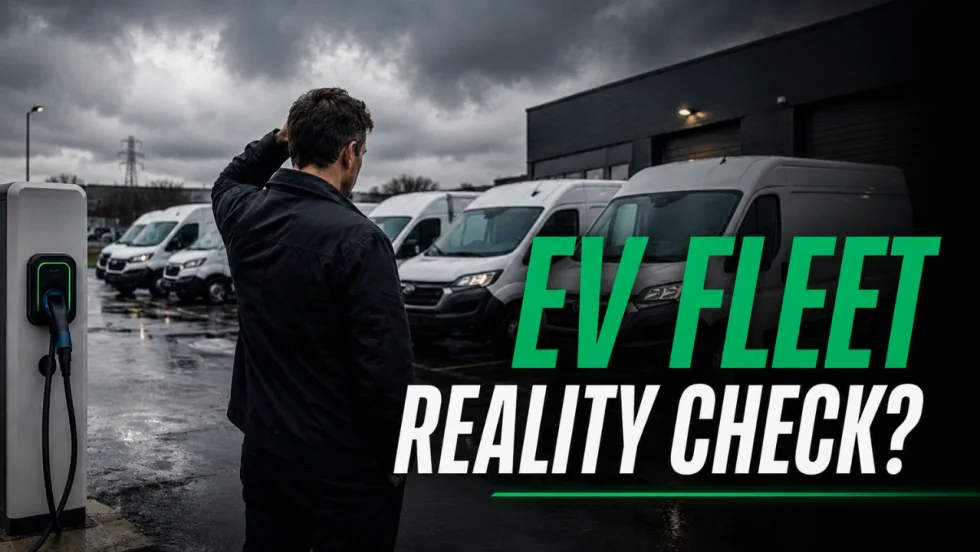
EV Fleet Reality Check: What Operators Wish They Knew Before Electrifying Their Work Vans
Electric work truck upfits bring new compatibility questions. Learn how parts availability, OEM guidance, power demands, and route planning can affect fleet performance.
Read More →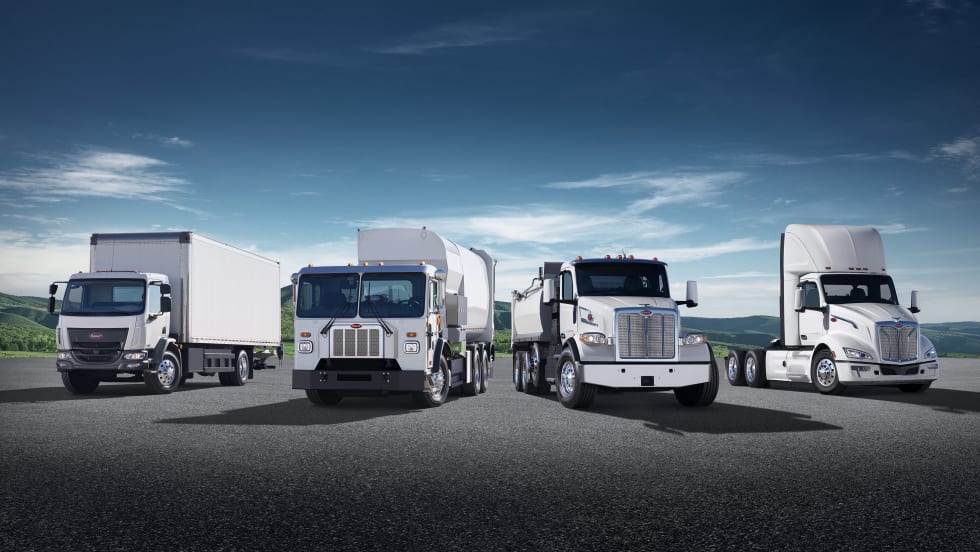
Peterbilt Expands Sourcewell Partnership with Electric Vehicle Lineup
Peterbilt Motors Company’s cooperative purchasing agreement with Sourcewell and its Canadian partner, Canoe Procurement Group, now includes including Peterbilt's battery-electric vehicle lineup.
Read More →