




Video Safety Tip: Escaping a Submerged Vehicle
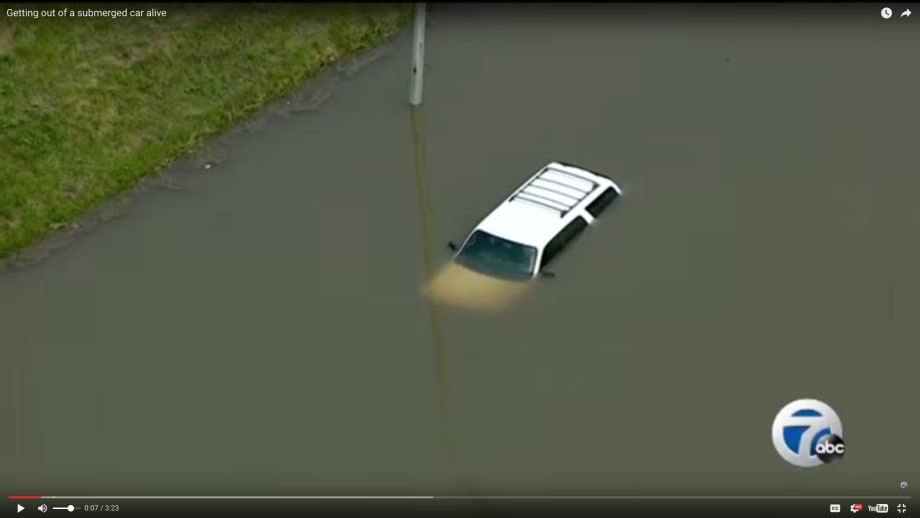
A Michigan State Police trooper offers advice on how to safely get out of a vehicle sinking in water.
Last month, torrential rainfall in the greater Houston area flooded roadways and led to seven fatalities. All of these victims were discovered in their vehicles.
Escaping a submerged vehicle is no easy feat — especially when currents are strong. But all fleet drivers should know the basics of how to respond during such an emergency.
Of course, it’s important to avoid driving whenever heavy rains and flooding are expected, and motorists as a rule shouldn’t attempt to drive through standing water on roads and parking lots.
But sometimes even the most careful drivers find themselves in a vehicle sinking in water. Levees can break, bridges can collapse, and collisions can occur near bodies of water.
Unfortunately, the first thing many drivers do is grab the cell phone and call 9-1-1. But that’s a crucial mistake because there’s simply not enough time to wait for first responders. Another misstep is trying to open the door. The best route of escape is through the side window, and every second counts.
Back in August 2014, the Detroit area experienced widespread flooding as well. In this week’s safety tip video, Michigan State Police Trooper Joel Kuhn remembers that time and offers advice on how to get out of a submerged vehicle alive. Click on the photo or link below the headline to view the video.
Originally posted on Automotive Fleet
More Safety & Compliance
Fleetworthy Expands Expedited Inspection to 5 States
Following its industry-first launch in Nevada, Fleetworthy’s automated inspection technology is now live in California, Michigan, Vermont, and Maine.
Read More →
Crossing State Lines in a Light-Duty Work Truck? Check These Rules First
Crossing state lines in a lighter work truck? J.J. Keller's Kathy Close explains when IRP registration, trip permits, and towing rules come into play.
Read More →
GeoFencing Adds to Your Truck Security Arsenal
Geofencing is a familiar fleet tool today, but its early adoption marked a major shift in vehicle tracking, route monitoring, and the debate over employee privacy.
Read More →From Our Partners




Recalls You Need to Know About in October 2026
In October 2026, what recalls might impact your fleet? Work Truck has the answers in this comprehensive overview of recent NHTSA recalls.
Read More →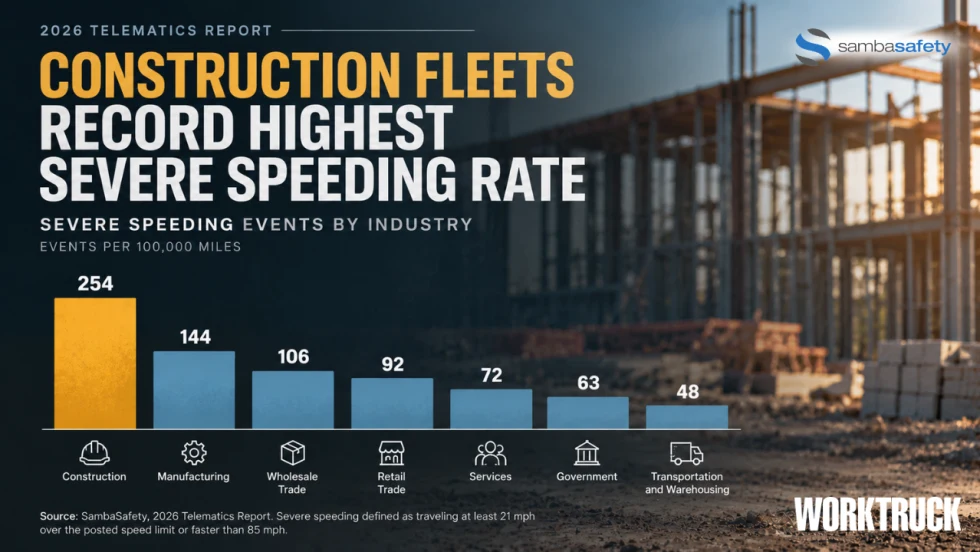
Construction Fleets Show Telematics Adoption Alone May Not Reduce Driving Risk
SambaSafety found construction fleets monitor roughly 92% of their vehicles but recorded the highest severe speeding rate among industries studied.
Read More →
Lytx Launches 360 Hub Kit for Expanded Fleet Camera Visibility
Lytx’s new AI-ready gateway and HD auxiliary camera ecosystem, the Lytx 360 Hub Kit, extends visibility across side, rear, cargo, and blind-zone views to help fleets see more and respond faster.
Read More →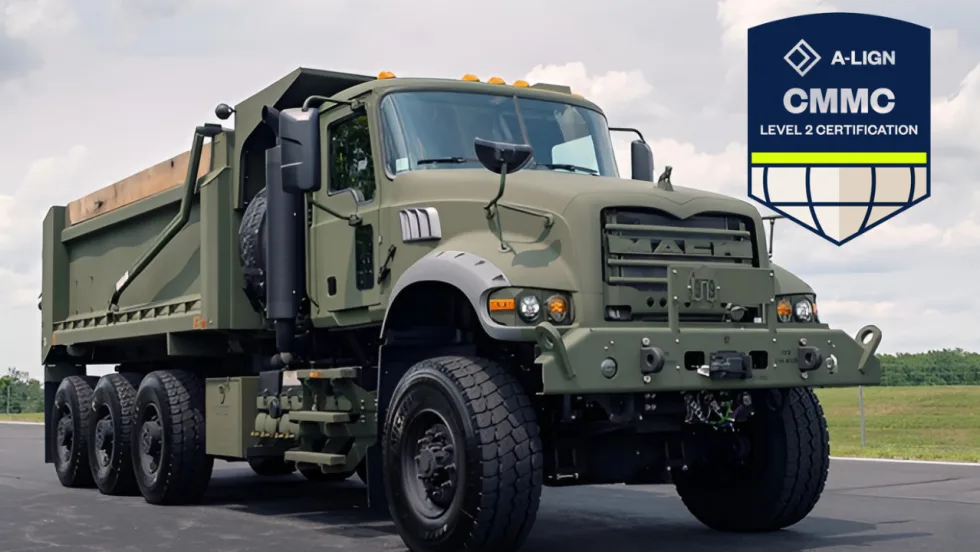
Mack Defense Achieves Cybersecurity Maturity Model Certification Level 2
After an assessment conducted by an authorized Certified Third-Party Assessment Organization (C3PAO), Mack Defense has achieved Cybersecurity Maturity Model Certification (CMMC) Level 2.
Read More →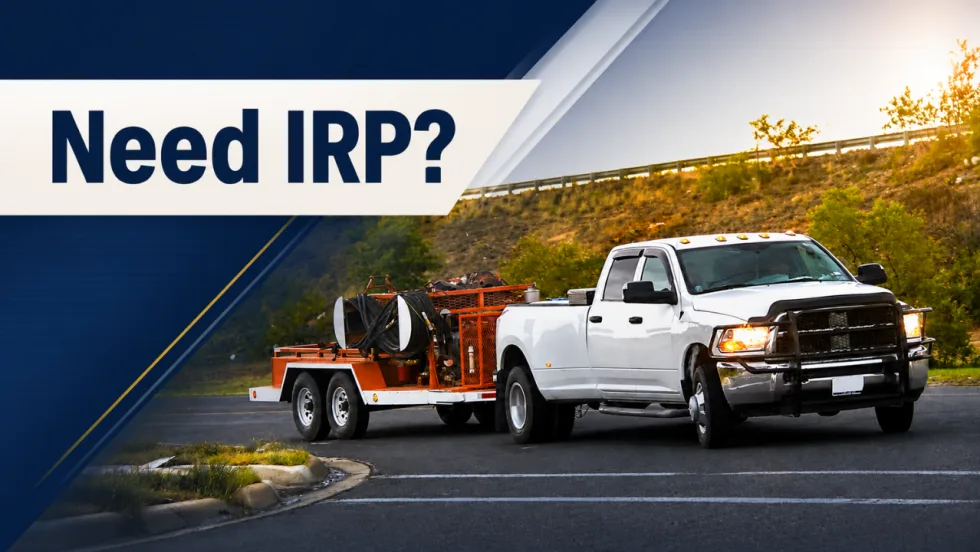
When Work Trucks Under 26,001 Pounds Need IRP Registration
Think trucks under 26,001 pounds are automatically in the clear when it comes to IRP? Not always. Learn where lighter vehicles can still run into trip permit, apportioned registration, and IFTA compliance requirements when crossing state or provincial lines.
Read More →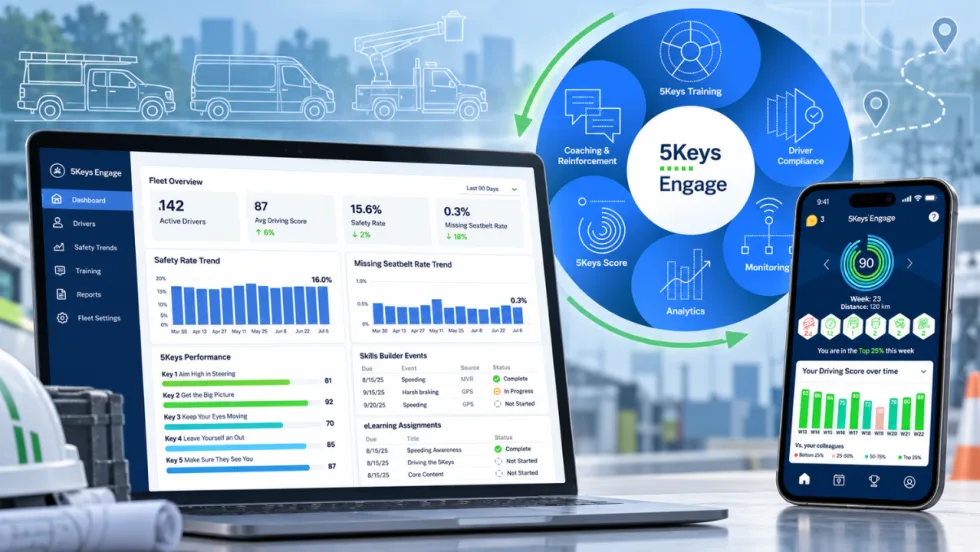
Smith System Wants Work Truck Fleets to Look Beyond the Driver Alert
Smith System’s new Driver Risk Management program is built to help mixed work truck fleets turn telematics alerts and observations into specific behaviors, coaching actions, and measurable follow-up.
Read More →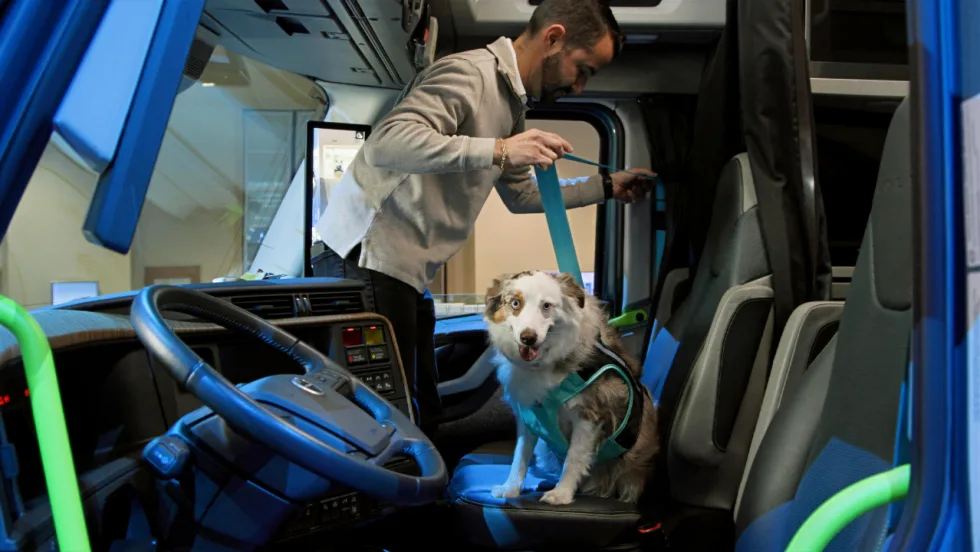
Volvo Trucks Releases New Safety Recommendations for Traveling with Pets
One of the most important recommendations for professional drivers traveling with pets is to ensure pets are properly restrained while the truck is moving. Other tips are available in the new guide from Volvo Trucks North America and Center for Pet Safety.
Read More →