





EVs & Upfits: Is the Rising Trend in EVs Impacting Fleet Upfits?
USPS Plans to Grow Electric Vehicle Van Fleet
The United States Postal Service (USPS) intends to deploy more than 66,000 electric vehicles by 2028.
December 20, 2022
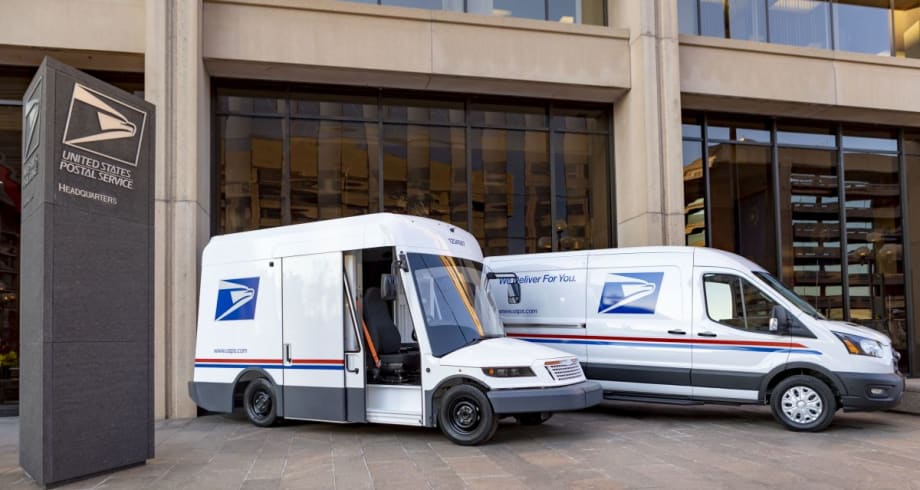
Unlike the current Long Life Delivery Vehicles (LLV) the NGDV will feature air conditioning, improved ergonomics, and advanced vehicle and safety technology.
Photo: USPS
4 min to read
The United States Postal Service announced that it expects to acquire at least 66,000 battery electric delivery vehicles as part of its 106,000 vehicle acquisition plan for deliveries between now and 2028.
The vehicles purchased as part of this anticipated plan will begin to replace the Postal Service’s aging delivery fleet of over 220,000 vehicles.
The Postal Service anticipates at least 60,000 Next Generation Delivery Vehicles (NGDV), of which at least 75% (45,000) will be battery electric. As part of this plan, USPS reported that a total of 21,000 additional commercial off-the-shelf (COTS) vehicles are also expected to be battery electric, depending on market availability and operational feasibility. The Postal Service also anticipates including internal combustion vehicles necessary to meet immediate vehicle replacement needs.
The new NGDVs are expected to start servicing postal routes in late 2023.
In February 2022, the USPS completed its obligations under the National Environmental Policy Act process and issued a Record of Decision to acquire up to 165,000 NGDV, with a commitment for at least 10 percent BEV. In March, the USPS placed its initial order for NGDVs with Oshkosh Defense at a cost of $2.98 billion. The order was for 50,000 units, a minimum of which was for 10,019 battery-electric vehicles.
In July 2022, the USPS announced that it anticipated "adjusting the purchase interval and composition of its delivery fleet." A statement from USPS noted that "the adjustments reflect refinements to the Postal Service’s overall network modernization, route optimizations, improved facility electric infrastructure, and availability of vehicles and technology."
Modernizing the Aging Postal Fleet
In keeping with the Postal Service’s priority to provide its carriers and communities with safer, more efficient vehicles as soon as possible, these vehicles will, unlike the vehicles they are replacing, feature air conditioning and advanced safety technology and are more suited to modern day operational requirements. For any COTS vehicles purchased, the Postal Service will include a preference for domestic manufacturing.
This most recent announcement is enabled by the Postal Service’s overall network modernization efforts, according to a company statement, which allows for a more rapid deployment of EVs, and its improving financial condition which includes $3 billion in congressional funding appropriated under the Inflation Reduction Act (IRA).
The Postal Service will continue to evaluate and procure vehicles over shorter time periods to be more responsive to its evolving operational strategy, technology improvements, and changing market conditions, including the expected increased availability of BEV options in the future.
Postmaster General Louis DeJoy commented, “We have a statutory requirement to deliver mail and packages to 163 million addresses six days per week and to cover our costs in doing so – that is our mission. As I have said in the past, if we can achieve those objectives in a more environmentally responsible way, we will do so.”
“The Postal Service’s vehicle initiative, and I personally, have benefited from the collaborative spirit of John Podesta, Senior Advisor to the President and leader of the Office of Energy Innovation, as well as leaders within the Council on Environmental Quality and the Climate Policy Office. These professionals have demonstrated a real appreciation and understanding for how vehicle electrification can be incorporated into the Postal Service’s mission and transformation, while not distracting from it. In our own way we have all been faithful stewards of how IRA funding and Postal funding will be spent.”
“The $3 billion provided by Congress has significantly reduced the risk associated with accelerating the implementation of a nationwide infrastructure necessary to electrify our delivery fleet. While most of the electric vehicle funding will continue to come from Postal Service revenues, we are grateful for the confidence that Congress and the Administration have placed in us to build and acquire what has the potential to become the largest electric vehicle fleet in the nation.”
“What is less widely understood is that our network modernization initiative is necessary to enable this vehicle electrification and will also provide meaningful cost and carbon reductions in other ways. A key focus of our modernization effort is to reduce inefficient transportation and improve distribution operations, resulting in far less air cargo and far fewer truck trips. When combined with our substantial commitment to the electrification of our delivery vehicles, the Postal Service will be at the forefront of our nation’s green initiatives.”
For more information on the USPS deploying EVs, check out Government Fleet's story. Stay up-to-date on all USPS and electric van news by signing up today for Work Truck's eNewsletters!
More Green Fleet

Fleet Forward Conference Introduces One-Day Passes for 2026
New one-day registration gives fleet professionals the flexibility to attend Tuesday, Wednesday, or Thursday, with passes available for $199 through Sept. 18.
Read More →
CALSTART Rebrands as Catalyst Mobility, Will Combine with Forth in 2027
CALSTART has rebranded as Catalyst Mobility and will combine with Forth at the start of 2027. The new organization said it is poised to become one of the world's largest, strongest, and most impactful clean transportation nonprofits.
Read More →
Electric Truck and Charging Programs to Boost Sustainability at NY & NJ Ports
Together, the Port Authority of New York and New Jersey and CALSTART will electrify drayage and terminal operations serving the East Coast’s busiest container port. A pair of incentive programs totaling $45 million has launched to accelerate adoption of zero-emission drayage trucks and terminal tractors.
Read More →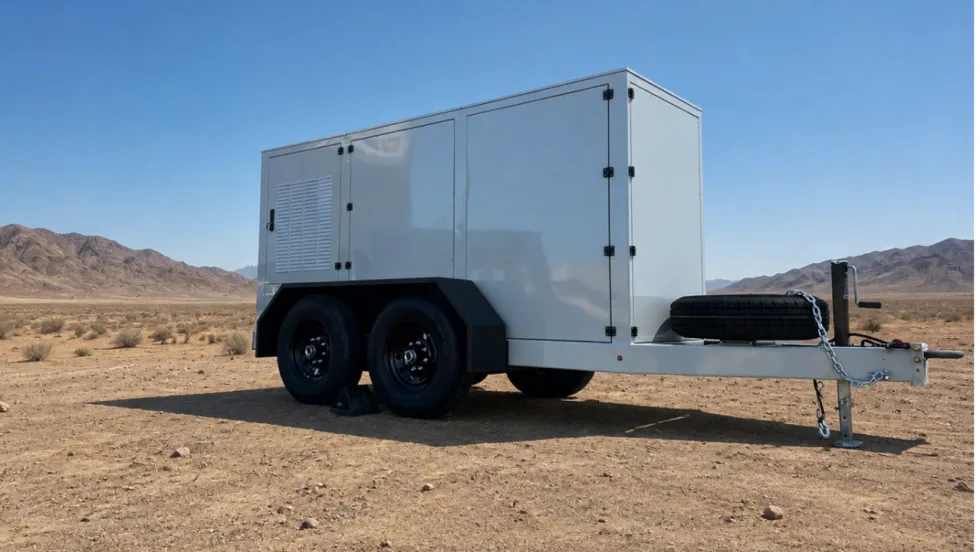
Xos Hub Surpasses One Gigawatt-Hour of Energy Delivered in the Field
A single Xos Hub has surpassed one gigawatt-hour of energy across more than 33,600 charging sessions in the field, demonstrating performance that supports Xos' expansion across new products and markets.
Read More →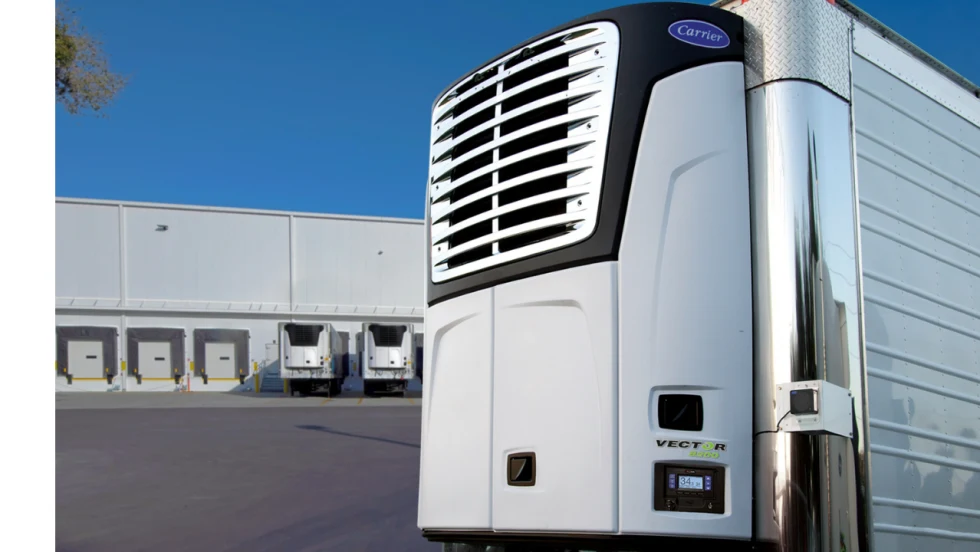
Carrier Transicold Launches All-Electric Vector 8200 TRU for Diesel-Free On-Site Cold Storage
Carrier Transicold’s first engineless multi-temperature TRU helps fresh- and frozen-food fleets add supplemental cold storage capacity during seasonal peaks.
Read More →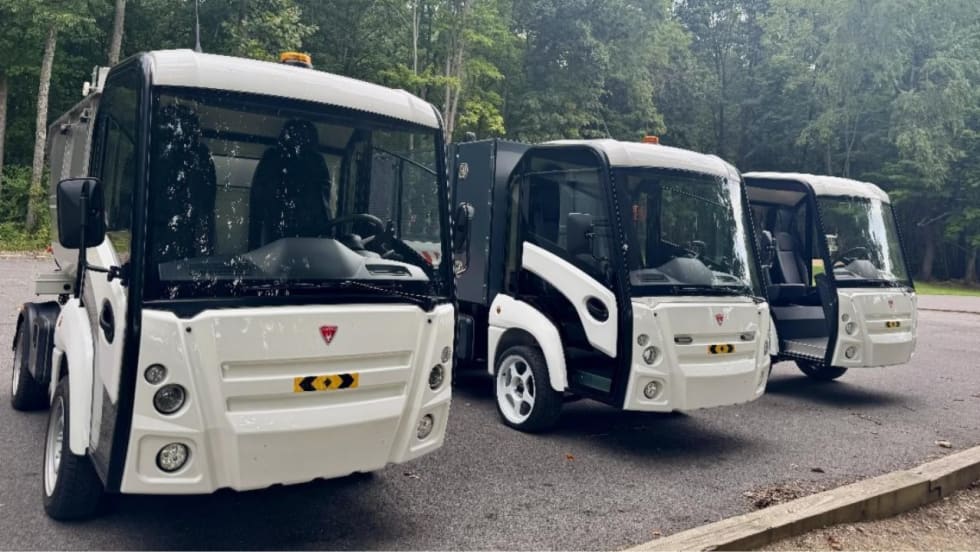
Narro Trucks Introduces Electric Utility Vehicle
Narro Trucks officially launched its operations on Aug. 20 and hosted a ride and drive to showcase its electric truck, which will be produced in Virginia.
Read More →
Samsung SDI Takes Full Control of GM Battery JV as Indiana Plant Pivots to Energy Storage
Samsung SDI is taking full control of its Indiana battery plant with GM, marking a major shift from the EV-focused joint venture Charged Fleet first covered in 2023.
Read More →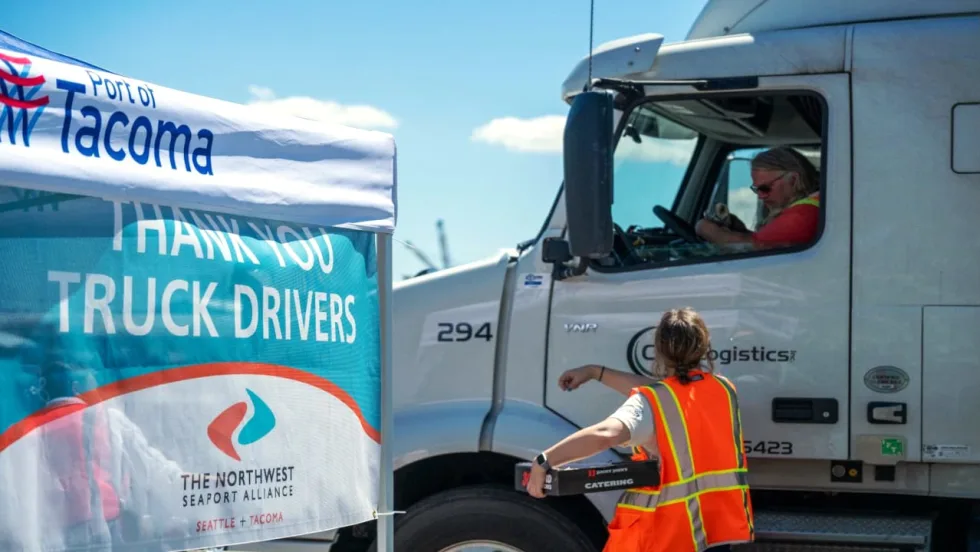
NWSA Taps CALSTART to Administer Zero-Emission Drayage Assistance Program
CALSTART will provide free technical assistance services to drayage fleets serving the Ports of Seattle and Tacoma and looking to transition to cleaner technologies and help decarbonize freight hubs.
Read More →
EV Fleet Reality Check: What Operators Wish They Knew Before Electrifying Their Work Vans
Electric work truck upfits bring new compatibility questions. Learn how parts availability, OEM guidance, power demands, and route planning can affect fleet performance.
Read More →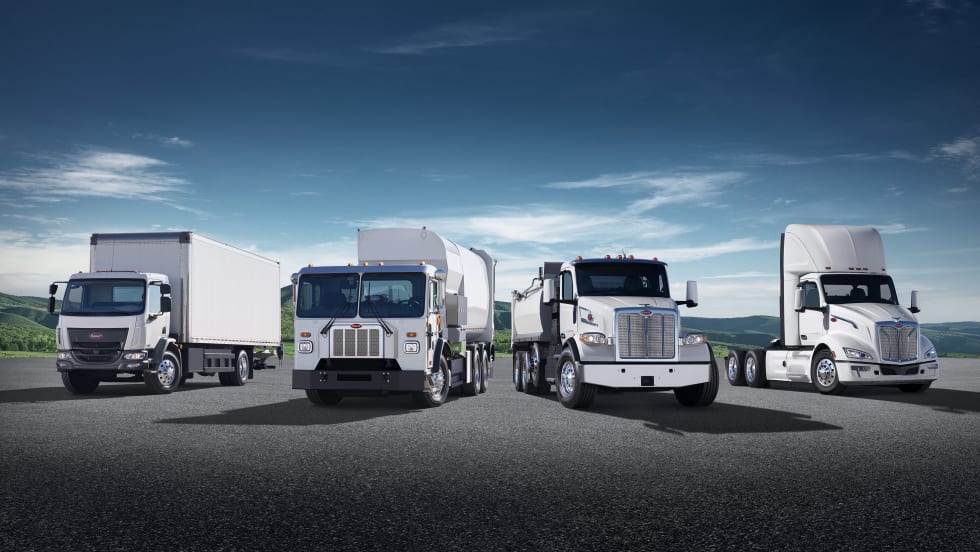
Peterbilt Expands Sourcewell Partnership with Electric Vehicle Lineup
Peterbilt Motors Company’s cooperative purchasing agreement with Sourcewell and its Canadian partner, Canoe Procurement Group, now includes including Peterbilt's battery-electric vehicle lineup.
Read More →