




Updated Data on COVID-19's Impact on Road Risk
Fleet video telematics provider Lytx shared new insights about changes in driving risk tied to the COVID-19 pandemic and associated guidelines to help control the spread of the virus.

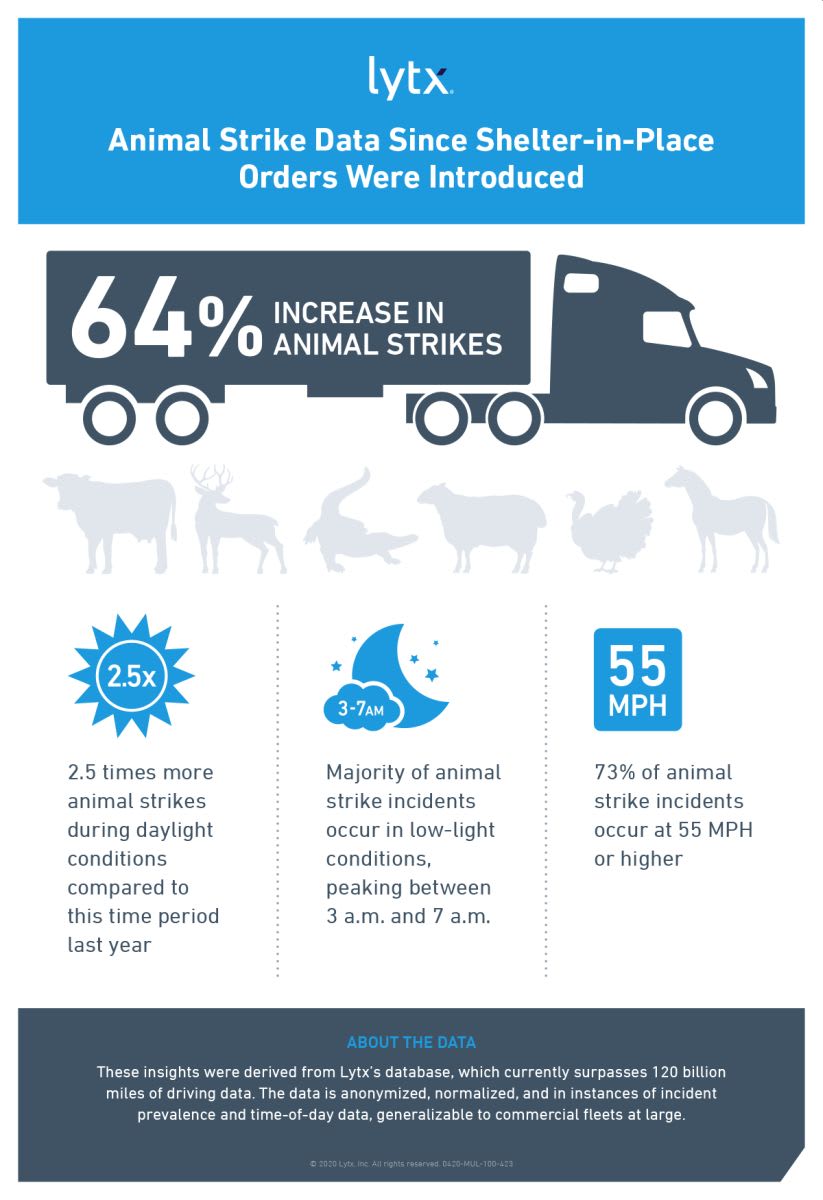
Source: Lytx
Fleet video telematics provider Lytx shared new insights about changes in driving risk tied to the COVID-19 pandemic and associated guidelines to help control the spread of the virus.
“Our data is reflecting interesting trends related to COVID-19 shelter-in-place orders and the impact on risky driving behaviors,” said Lytx Vice President of Safety Del Lisk. “We hope by sharing these insights from our driving-risk database, Lytx is providing information that can help fleets and drivers stay safer on the roads.”
Dramatic Increase in Animal Strike Incidents
Lytx data shows a 64% increase in animal strikes since shelter-in-place guidelines were widely introduced across the country. This aligns with other reports, including CNBC coverage showing wildlife is roaming into more developed areas.
“With more people staying home to help contain the spread of COVID-19, wildlife are changing their habits and venturing out of their usual spaces,” said Kyle Warlick, client intelligence analyst at Lytx. “Unfortunately, this may mean an increase in animals on streets and, in particular, highways, so drivers need to be extra vigilant and avoid hasty actions if an animal suddenly appears.”
The majority of animal strike incidents occur in the early morning hours during low light conditions, peaking between 3 a.m. and 7 a.m., and 73% of all animal strike incidents occur at 55 mph or higher. As compared to this same time period last year, Lytx data also shows 2.5 times more animal strikes during daylight hours.
“It’s difficult to anticipate where and when an animal might suddenly dash into the roadway. Usually, it’s not about how to prevent an animal strike, it’s how to minimize the consequences,” Lisk said. “The key is to avoid abrupt actions such as hard braking or a sudden swerve that potentially jeopardize your safety and the control of your vehicle.”
“Because drivers on highways are often driving too fast to avoid animal strikes altogether, we hope that arming fleets with this information will help increase awareness for this safety hazard,” explained Lisk.
The Pandemic’s Impact on Risky Driving Behaviors Among Trucking Fleets
From the week of March 1, before most states initiated shelter-in-place orders, to the week of March 29, when shelter-in-place had been broadly instituted throughout the U.S, the data shows a 51% decrease in frequency and a 55% decrease in severity of risky driving incidents across all Lytx-protected fleets.
Specific to the trucking industry, Lytx data reflects significant reductions in the following risky driving behaviors year-over-year, comparing driving risk in March 2019 to the same period in 2020:
Late response – down by 62%
Failed to keep an out – down by 28%
Collisions – down by 28%
Avoidable near collisions – down by 25%
Unavoidable near collisions – down by 23%
“These results from our own clients are consistent with what we’re seeing from secondary industry research as well,” explained Warlick. “Driving risk is significantly heightened by the presence of other motorists on the roads – typically non-commercial passenger vehicles. With the majority of people across the country observing shelter-in-place guidelines – and driving less – it’s natural we’d see decreases across these types of risk.”
Heroes of the Road – Increase in Speed/Decrease in Travel Time
Data from the past six weeks shows a 19% increase in speed and a 10% decrease in travel time on frequently travelled routes. Recent data and analysis from the American Transportation Research Institute echo Lytx’s findings. According to Warlick, “This is likely another result of decreased passenger vehicle traffic on the roads, and increased demand on drivers to deliver essential goods.”
“The increase in demand for essential supplies and groceries, and new buying habits from consumers, aligns with the uptick we’ve seen in speed and travel time, indicative of an increased sense of urgency amongst our ‘heroes of the road’,” Warlick said. “We know these fleets and drivers are going above and beyond to keep our shelves stocked and our economy moving. They are benefiting from reduced congestion, as much of the rest of the country stays home. We hope these insights can support these essential workers in staying safe on the road while they help keep our nation running.”
More Safety & Compliance
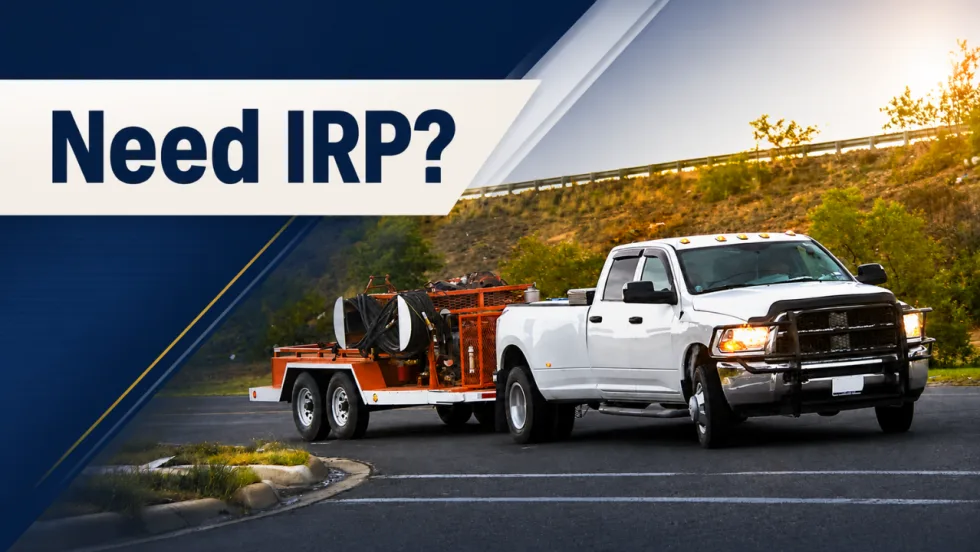
When Work Trucks Under 26,001 Pounds Need IRP Registration
Think trucks under 26,001 pounds are automatically in the clear when it comes to IRP? Not always. Learn where lighter vehicles can still run into trip permit, apportioned registration, and IFTA compliance requirements when crossing state or provincial lines.
Read More →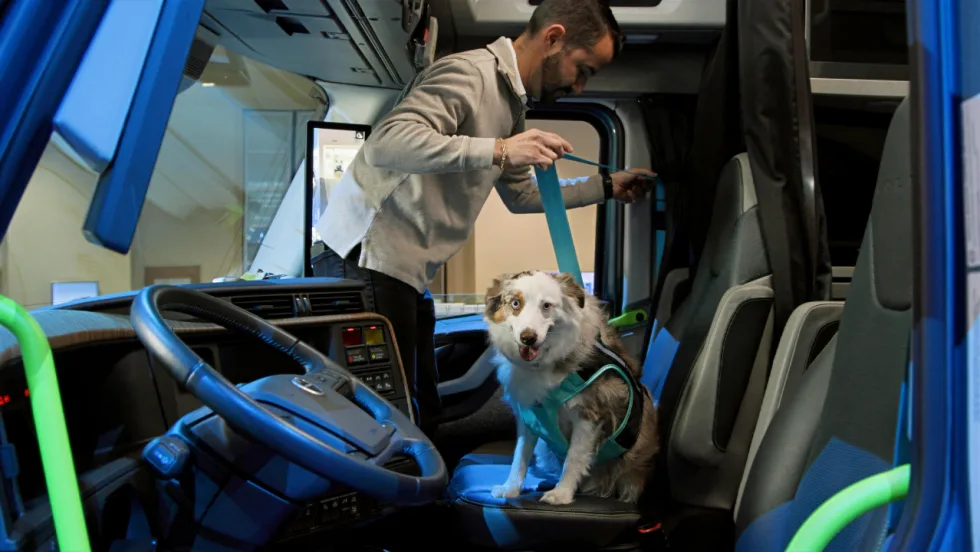
Volvo Trucks Releases New Safety Recommendations for Traveling with Pets
One of the most important recommendations for professional drivers traveling with pets is to ensure pets are properly restrained while the truck is moving. Other tips are available in the new guide from Volvo Trucks North America and Center for Pet Safety.
Read More →
API Issues Refueling Safety Guidelines
The American Petroleum Institute offers a list of safe vehicle refueling guidelines, including ways to avoid potential problems with static electricity discharges in fall, winter, and early spring.
Read More →
Winter Fleet Prep: Expert Tips to Keep Vehicles Running Smoothly
Cold weather can expose weak batteries, tires, fuel systems, and maintenance gaps fast. Use this winter fleet checklist to prepare trucks and drivers before temperatures drop.
Read More →
When a Work Truck Breaks Down, the Job Can Stop, Too
A work truck breakdown can stop more than the vehicle. Discover how payloads, jobsites, and specialty equipment change the roadside response.
Read More →
What Stronger Long-Term Fleet Service Partnerships Actually Require
Fleet service partnerships rarely fall apart all at once. Learn the three warning signs that trust is eroding and what fleets and providers can do before downtime, frustration, and lost revenue follow.
Read More →
Applause & TRUCE Software Partner to Improve Driver Safety Through AI-Powered Telematics & Employee Performance Management
Applause has integrated TRUCE driving metrics directly into its employee-first performance and safety platform that transforms mobile devices into AI-powered telematics.
Read More →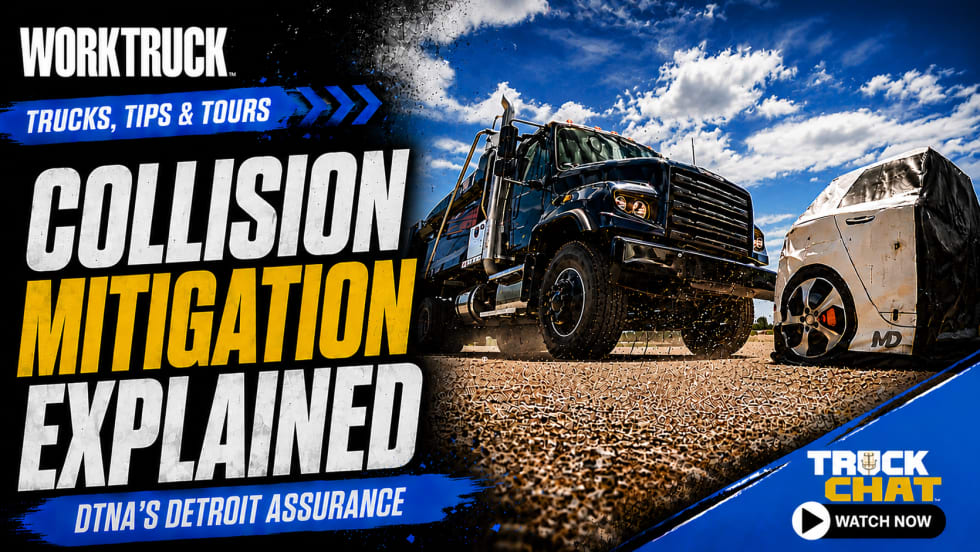
How Detroit Assurance with Active Brake Assist Works
Do you want to see what it is like to experience Detroit Assurance’s Active Brake Assist? In this video, Work Truck will put you in the cab to see how it all works and then hear more details from DTNA’s Mike Young.
Read More →
Get Left of Loss: A 5-Step Workplace Violence Prevention Framework for Fleet Operators
Violence risks do not stop at the driver’s door. Learn five practical steps fleets can take to spot threats early and protect workers before loss occurs.
Read More →
How Better Visibility Cut Speeding Violations by 48%
Fleet leaders don't need more data, they need clearer visibility into what the data is saying. This case study explores how one utility replaced speeding-event counts with a single metric — miles driven in violation — to strengthen safety and significantly reduce speeding violations.
Read More →