




Related: Fleet Electrification: Level 2 or DC Fast Charging?
Tritium Unveils Scalable Electric Vehicle Charging Platform
The Modular Scalable Charging hardware platform provides customers with the flexibility to increase the power level of their charger as EV charging capabilities advance, and “pay as you grow.”
by Staff
November 18, 2020
As part of the launch, the company also revealed the first charger built on the platform with the unveiling of its next-gen RTM75 DC Fast Charger, allowing drivers to add 75 km (46 mi) of range to an electric vehicle in 10 minutes of charging.
Photo via Tritium.
2 min to read
Tritium, a global provider of DC fast charging technology for electric vehicles, has unveiled the first platform to enable scalable electric vehicle charging networks with the launch of its MSC hardware platform.
The Modular Scalable Charging (MSC) hardware platform provides customers with the flexibility to increase the power level of their charger as EV charging capabilities advance, and “pay as you grow.” Charger power can be increased in 25kW increments, starting at 25kW and increasing to 350kW and beyond.
As part of the launch, the company also revealed the first charger built on the platform with the unveiling of its next-gen RTM75 DC Fast Charger, allowing drivers to add 75 km (46 mi) of range to an electric vehicle in 10 minutes of charging. The slim charger also allows for simultaneous charging of two vehicles at once and is built with urban, retail, fleet, and public environments in mind.
“This has been something the industry and our customers have asked for over the years, and we are the first company in the world to deliver it,” Jane Hunter, CEO of Tritium, said in a statement. “With our MSC platform, 50kW DC chargers can quickly be upgraded to 75kW, 100kW, and beyond, without a rip-and-replace required. This solution is future-proofing governments and network operators across the globe, something they have been crying out for. No longer is a charger just a charger; instead, it’s a first step to meet the needs of both today’s and tomorrow’s electric vehicles.”
Previously, network operators were required to pre-order and install chargers from a set of prefabricated charging options; often set at 50kW (fast or rapid chargers), 175kW, or 350kW (high power or ultra-fast chargers).
However, the MSC hardware platform allows for the quick installation of additional power electronics modules within each MSC-designed charger.
“The MSC hardware platform provides the next level of capital efficiency and scalability while still providing all the great attributes Tritium’s products have become known for: design, slimness, and low maintenance,” “The electrification of transportation is at tipping point, so our customers want to know how they can easily extend their charging site capacity over the coming years,” Dr. David Finn, chief growth officer and founder of Tritium, said in a statement. “They want no regrets and capital efficient scaling of their charging sites. Tritium’s MSC Hardware Platform allows our customers to scale their charging sites for half the price and configure their charging sites for a desired reliability.”
Originally posted on Automotive Fleet
More Sustainability
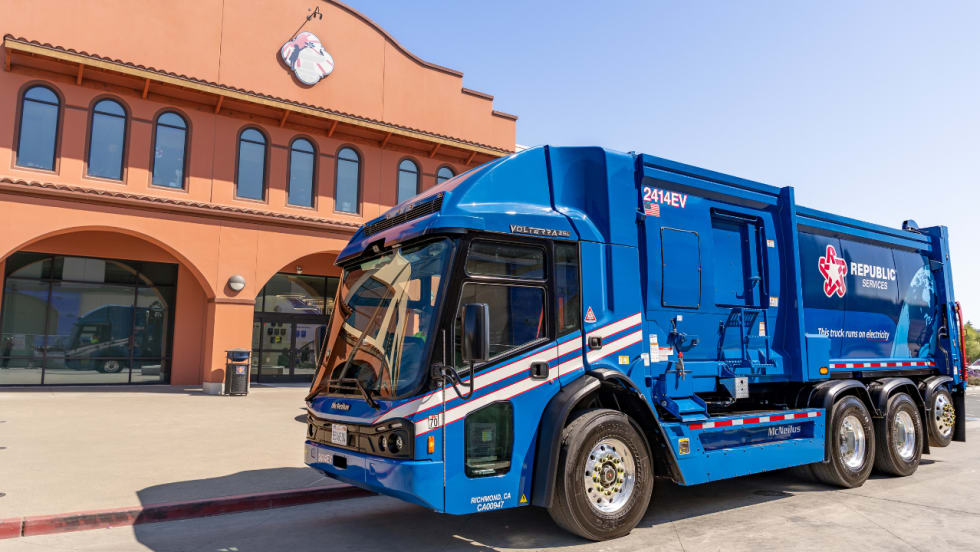
What Republic Services Learned Moving Electric Trucks Beyond the Pilot
With 250 electric refuse trucks now in service, Republic Services is learning that scaling a new powertrain depends as much on routes, drivers, technicians, and daily operations as it does on the truck itself.
Read More →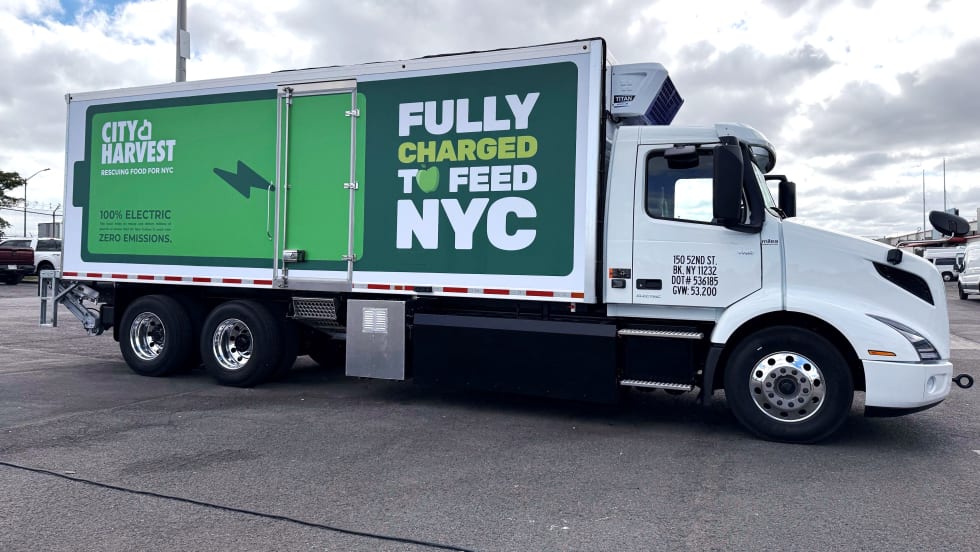
City Harvest Begins Using Volvo VNR Electric Trucks to Rescue Food Across New York City
Volvo Trucks North America and the Bronx Is Breathing project team handed over three new Volvo VNR Electric trucks to City Harvest, which will use the trucks to rescue and deliver food throughout the Bronx and across all five boroughs of New York.
Read More →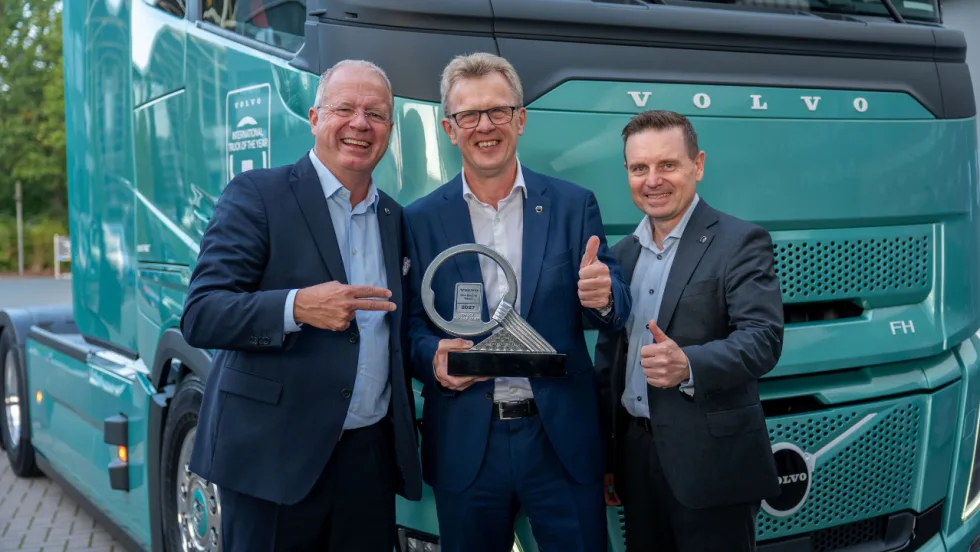
Volvo Trucks Wins International Truck of the Year 2027 for its Global Electric Range
Volvo Trucks' global heavy-duty electric range has been named International Truck of the Year 2027. Since 2019, more than 7,000 electric Volvo trucks have driven more than 310 million miles worldwide.
Read More →


Fleet Forward Conference Introduces One-Day Passes for 2026
New one-day registration gives fleet professionals the flexibility to attend Tuesday, Wednesday, or Thursday, with passes available for $199 through Sept. 18.
Read More →
CALSTART Rebrands as Catalyst Mobility, Will Combine with Forth in 2027
CALSTART has rebranded as Catalyst Mobility and will combine with Forth at the start of 2027. The new organization said it is poised to become one of the world's largest, strongest, and most impactful clean transportation nonprofits.
Read More →
Electric Truck and Charging Programs to Boost Sustainability at NY & NJ Ports
Together, the Port Authority of New York and New Jersey and CALSTART will electrify drayage and terminal operations serving the East Coast’s busiest container port. A pair of incentive programs totaling $45 million has launched to accelerate adoption of zero-emission drayage trucks and terminal tractors.
Read More →
The Smart Way to Build a Mixed-Energy Fleet Isn’t About Picking a Side
Mixed-energy fleets aren’t about picking a winning fuel. Sarah Booth of WEX explains how vehicle data, duty cycles, charging strategy, and real-world costs can help fleets choose the right energy source for each job.
Read More →
Xos Hub Surpasses One Gigawatt-Hour of Energy Delivered in the Field
A single Xos Hub has surpassed one gigawatt-hour of energy across more than 33,600 charging sessions in the field, demonstrating performance that supports Xos' expansion across new products and markets.
Read More →
Carrier Transicold Launches All-Electric Vector 8200 TRU for Diesel-Free On-Site Cold Storage
Carrier Transicold’s first engineless multi-temperature TRU helps fresh- and frozen-food fleets add supplemental cold storage capacity during seasonal peaks.
Read More →
Narro Trucks Introduces Electric Utility Vehicle
Narro Trucks officially launched its operations on Aug. 20 and hosted a ride and drive to showcase its electric truck, which will be produced in Virginia.
Read More →