




Trimble 'Road Ahead' Report: Driver Safety a Growing Concern for Field Service Businesses
An increase in road accidents has organizations looking for new ways to safeguard their fleets, according to an industry report commissioned by Trimble.
An increase in road accidents has organizations looking for new ways to safeguard their fleets, according to an industry report commissioned by Trimble. The report, entitled “The Road Ahead: The Future of Service Delivery,” highlights the importance of technology in mitigating road risk.
Driver safety is a major concern for businesses with mobile workforces. And for good reason. The National Highway Traffic Safety Administration recently reported that road deaths increased 9 percent in the first half of 2012. Vehicles driven for work purposes may be especially susceptible, given the mileage driven during business hours.
Because of the increase in road accidents, businesses with field workers are looking for new ways to safeguard their fleets. The report found that respondents placed safety initiatives as a high priority for many reasons, including minimizing insurance claims (72 percent) and reducing the number of driving incidents (66 percent); also cited was increased legislation related to distracted driving, such as cell phone use and texting while driving.
Next-generation driver safety technology is available to help these businesses improve their safety procedures. Driver safety technology and in-vehicle telematics monitor driving behavior and provide back office analysis of aggressive maneuvers, such as hard acceleration, braking, turns and speed. Using this data, management can make recommendations on coaching individual drivers, which can help minimize the number of accidents as well as mitigate risks and liability associated with work-related driving.
“We are clearly seeing a shift in what our customers want from driver safety reporting,” said Mark Forrest, general manager of Trimble’s Field Service Management Division. “The capabilities of the technology enable aspects of a mobile operation to be identified, measured and analyzed, focusing on individual areas of reporting and delivering greater intelligence to fleet managers. However businesses could be doing so much more to leverage this technology in order to improve — and derive greater benefits from — their safety procedures. Surprisingly, while 66 percent of organizations say they use a system to monitor driving behavior, just 42 percent were using a telematics system for this purpose. Of course telematics on its own will never completely replace safety policies, but it can certainly supplement them, overall helping to enhance safety on the road.”
The report also discovered a strong correlation between brand reputation and the field-based workforce, with 82 percent of respondents saying that poor driver performance can negatively impact the public’s perception of a brand. As a result, many organizations are using ‘how is my driving’ stickers, which display a contact number to call if a driver is perceived to be performing poorly on the road. These stickers provide a psychological incentive for drivers to be aware of their driving.
“The Road Ahead: The Future of Field Service Delivery” explores other issues concerning industry managers and provides important insight into the strategic priority their organizations are giving to field service effectiveness, and their future plans in areas such as service delivery and productivity. For a complete breakdown and analysis of the research findings, download a complimentary copy of the report at: www.trimble.com/fsm/theroadaheadreport.
More Safety
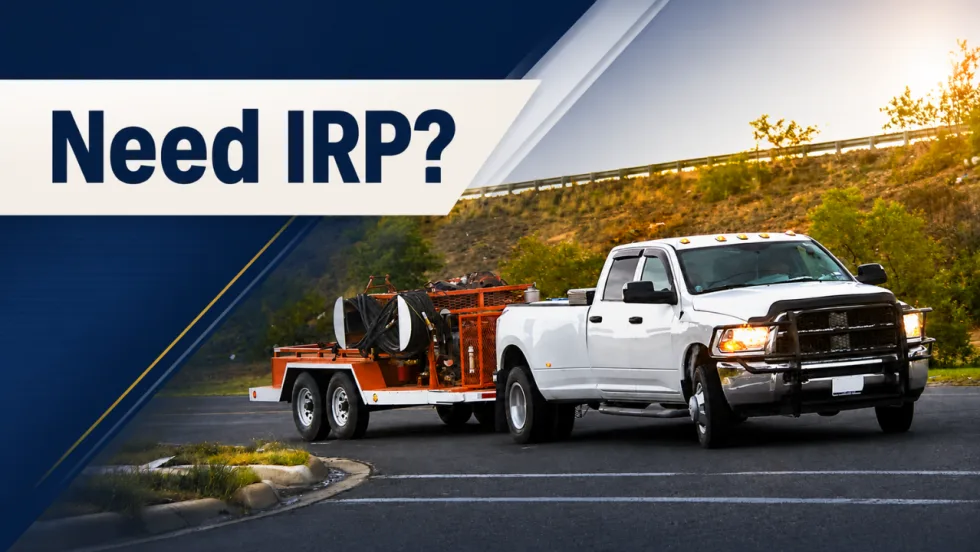
When Work Trucks Under 26,001 Pounds Need IRP Registration
Think trucks under 26,001 pounds are automatically in the clear when it comes to IRP? Not always. Learn where lighter vehicles can still run into trip permit, apportioned registration, and IFTA compliance requirements when crossing state or provincial lines.
Read More →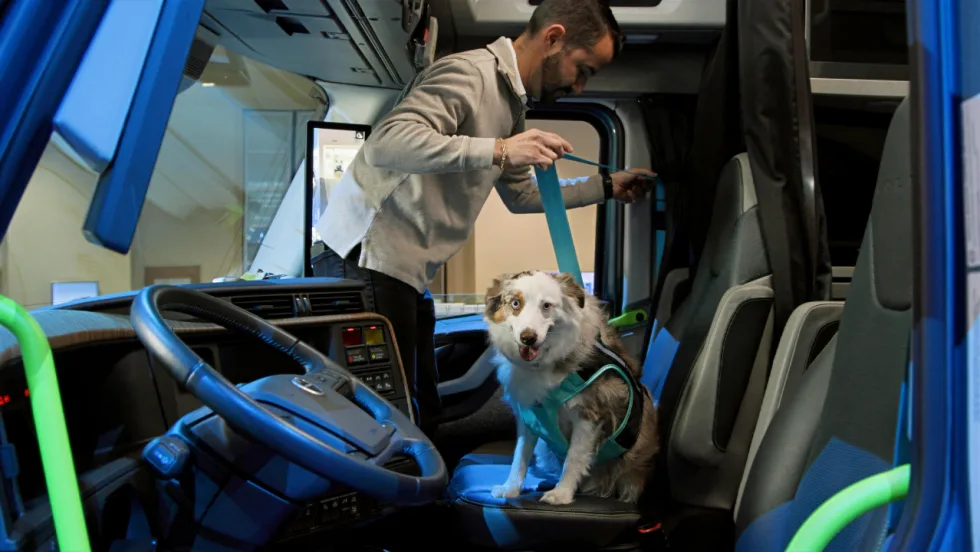
Volvo Trucks Releases New Safety Recommendations for Traveling with Pets
One of the most important recommendations for professional drivers traveling with pets is to ensure pets are properly restrained while the truck is moving. Other tips are available in the new guide from Volvo Trucks North America and Center for Pet Safety.
Read More →
API Issues Refueling Safety Guidelines
The American Petroleum Institute offers a list of safe vehicle refueling guidelines, including ways to avoid potential problems with static electricity discharges in fall, winter, and early spring.
Read More →
Winter Fleet Prep: Expert Tips to Keep Vehicles Running Smoothly
Cold weather can expose weak batteries, tires, fuel systems, and maintenance gaps fast. Use this winter fleet checklist to prepare trucks and drivers before temperatures drop.
Read More →
When a Work Truck Breaks Down, the Job Can Stop, Too
A work truck breakdown can stop more than the vehicle. Discover how payloads, jobsites, and specialty equipment change the roadside response.
Read More →
What Stronger Long-Term Fleet Service Partnerships Actually Require
Fleet service partnerships rarely fall apart all at once. Learn the three warning signs that trust is eroding and what fleets and providers can do before downtime, frustration, and lost revenue follow.
Read More →
Applause & TRUCE Software Partner to Improve Driver Safety Through AI-Powered Telematics & Employee Performance Management
Applause has integrated TRUCE driving metrics directly into its employee-first performance and safety platform that transforms mobile devices into AI-powered telematics.
Read More →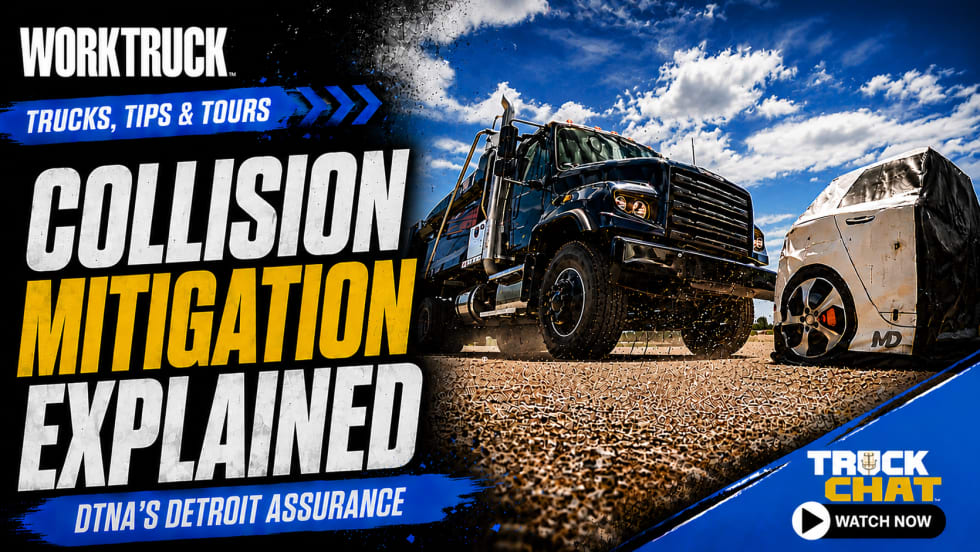
How Detroit Assurance with Active Brake Assist Works
Do you want to see what it is like to experience Detroit Assurance’s Active Brake Assist? In this video, Work Truck will put you in the cab to see how it all works and then hear more details from DTNA’s Mike Young.
Read More →
Get Left of Loss: A 5-Step Workplace Violence Prevention Framework for Fleet Operators
Violence risks do not stop at the driver’s door. Learn five practical steps fleets can take to spot threats early and protect workers before loss occurs.
Read More →
How Better Visibility Cut Speeding Violations by 48%
Fleet leaders don't need more data, they need clearer visibility into what the data is saying. This case study explores how one utility replaced speeding-event counts with a single metric — miles driven in violation — to strengthen safety and significantly reduce speeding violations.
Read More →