




Traffic Fatalities Fall 3 Percent in U.S.
Newly released data from the National Highway Traffic Safety Administration reveals a 3.1-percent decrease from 2012 figures.
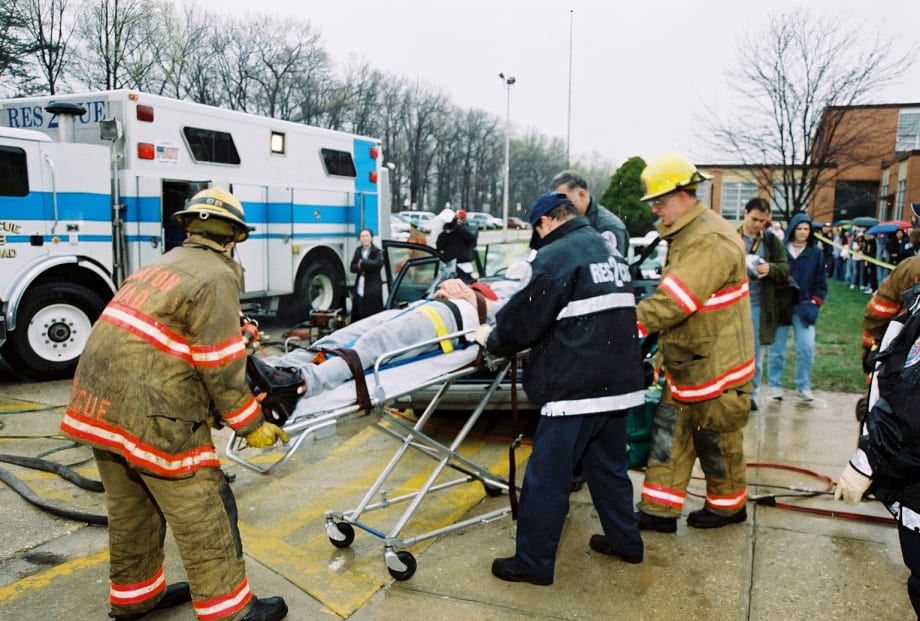
Photo courtesy of NHTSA.
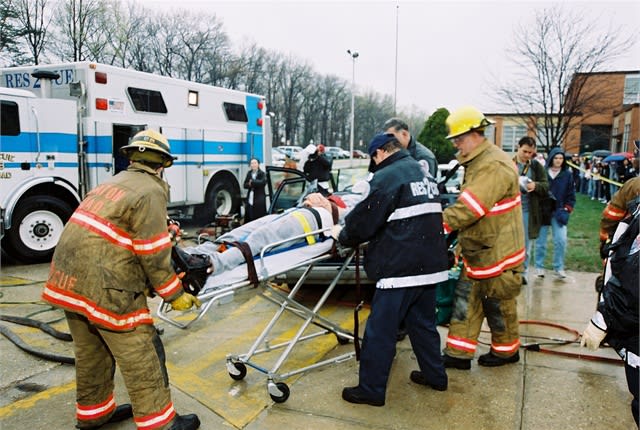
Photo courtesy of NHTSA.
Highway deaths in the U.S. decreased 3.1 percent in 2013 compared to the previous year, according to newly released data from the federal Fatality Analysis Reporting System (FARS).
Moreover, data indicate a nearly 25-percent decline in overall highway deaths since 2004.
In 2013, 32,719 people died in traffic crashes. The estimated number of people injured in crashes also declined by 2.1 percent.
The National Highway Traffic Safety Administration, an agency within the U.S. Department of Transportation, maintains FARS.
The 2013 fatality rate matches a historic low – 1.10 deaths per 100 million vehicle miles traveled. That’s down from 1.14 deaths per 100 million vehicle miles traveled in 2012.
Other key statistics include:
The number of passenger vehicle occupants killed in crashes declined by 3 percent to 21,132 – the lowest number on record dating back to 1975. Passenger vehicles include passenger cars, SUVs, minivans and pickup trucks.
Large truck occupant (0.9 percent) and motorcyclist (6.4 percent) fatalities declined for the first time since 2009.
Pedestrian fatalities declined by 1.7 percent to 4,735, but they remain 15 percent higher than the record low of 4,109 pedestrian fatalities in 2009.
Pedal-cyclist fatalities increased by 1.2 percent, the highest since 2006.
The estimated number of people injured in crashes decreased across all categories of people in 2013 when compared to 2012. Included are declines among passenger vehicle occupants (2.2 percent), large truck occupants (4 percent), motorcyclists (5.4 percent), pedestrians (13 percent), and pedal-cyclists (2 percent).
The number of people killed in distraction-affected crashes fell to 3,154 in 2013 from 3,380 in 2012, a 6.7 percent decrease. However, the estimated number of people injured in distraction-affected crashes (424,000) increased by 1 percent compared to 2012.
Alcohol-impaired-driving fatalities decreased by 2.5 percent in 2013 to 10,076, accounting for 31 percent of the overall fatalities in 2013.
Thirty-four states saw reductions in overall traffic fatalities, led by Ohio (132 fewer fatalities), Kentucky (108 fewer), Pennsylvania (102 fewer), South Carolina (96 fewer) and Arkansas (77 fewer).
FARS contains data for a census of fatal traffic crashes within the 50 states, the District of Columbia and Puerto Rico. To be included in FARS, a crash must involve a motor vehicle traveling on a public traffic-way and must result in the death of at least one person within 30 days of the crash.
View the 2013 Alcohol-Impaired Driving Traffic Safety Facts Sheet
Originally posted on Automotive Fleet
More Safety

When Work Trucks Under 26,001 Pounds Need IRP Registration
Think trucks under 26,001 pounds are automatically in the clear when it comes to IRP? Not always. Learn where lighter vehicles can still run into trip permit, apportioned registration, and IFTA compliance requirements when crossing state or provincial lines.
Read More →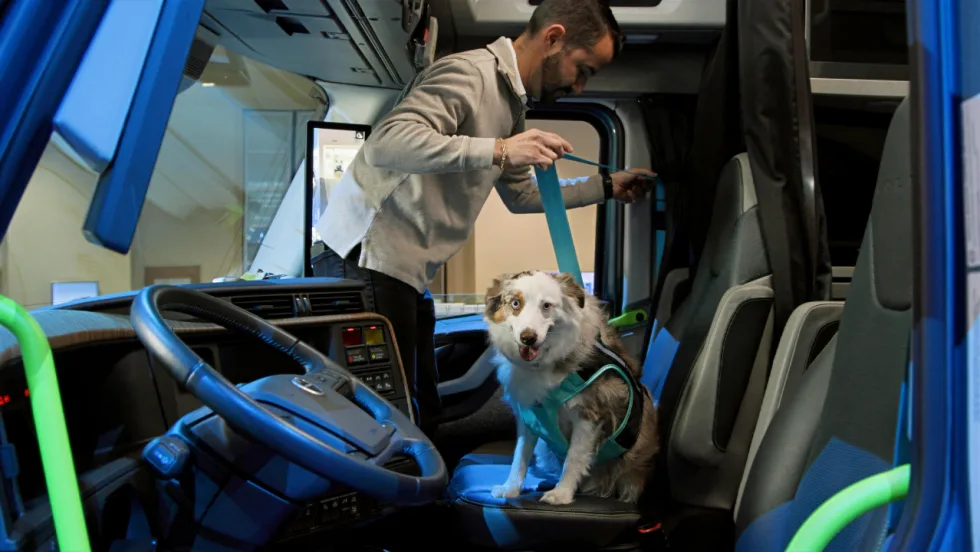
Volvo Trucks Releases New Safety Recommendations for Traveling with Pets
One of the most important recommendations for professional drivers traveling with pets is to ensure pets are properly restrained while the truck is moving. Other tips are available in the new guide from Volvo Trucks North America and Center for Pet Safety.
Read More →
API Issues Refueling Safety Guidelines
The American Petroleum Institute offers a list of safe vehicle refueling guidelines, including ways to avoid potential problems with static electricity discharges in fall, winter, and early spring.
Read More →
Winter Fleet Prep: Expert Tips to Keep Vehicles Running Smoothly
Cold weather can expose weak batteries, tires, fuel systems, and maintenance gaps fast. Use this winter fleet checklist to prepare trucks and drivers before temperatures drop.
Read More →
When a Work Truck Breaks Down, the Job Can Stop, Too
A work truck breakdown can stop more than the vehicle. Discover how payloads, jobsites, and specialty equipment change the roadside response.
Read More →
What Stronger Long-Term Fleet Service Partnerships Actually Require
Fleet service partnerships rarely fall apart all at once. Learn the three warning signs that trust is eroding and what fleets and providers can do before downtime, frustration, and lost revenue follow.
Read More →
Applause & TRUCE Software Partner to Improve Driver Safety Through AI-Powered Telematics & Employee Performance Management
Applause has integrated TRUCE driving metrics directly into its employee-first performance and safety platform that transforms mobile devices into AI-powered telematics.
Read More →
How Detroit Assurance with Active Brake Assist Works
Do you want to see what it is like to experience Detroit Assurance’s Active Brake Assist? In this video, Work Truck will put you in the cab to see how it all works and then hear more details from DTNA’s Mike Young.
Read More →
Get Left of Loss: A 5-Step Workplace Violence Prevention Framework for Fleet Operators
Violence risks do not stop at the driver’s door. Learn five practical steps fleets can take to spot threats early and protect workers before loss occurs.
Read More →
How Better Visibility Cut Speeding Violations by 48%
Fleet leaders don't need more data, they need clearer visibility into what the data is saying. This case study explores how one utility replaced speeding-event counts with a single metric — miles driven in violation — to strengthen safety and significantly reduce speeding violations.
Read More →