




TomTom Traffic Index 2024 Shows U.S. Cities with Increased Congestion and Slower Speeds
New York drivers lost 94 hours to congestion in 2024! Explore the latest traffic trends and how fleet managers can combat rising delays.

Urban congestion is on the rise! TomTom’s 2024 Traffic Index reveals how U.S. cities rank in travel delays and what it means for fleet operations.
Photo: Work Truck | Tom Tom
TomTom's 14th annual Traffic Index has revealed notable trends in urban mobility across the globe, with U.S. cities experiencing a 9% increase in traffic congestion compared to 2023. Analyzing traffic data from 500 cities in 62 countries, this year’s report is TomTom’s most extensive yet, providing fleet managers with actionable insights to navigate today’s transportation challenges.
In the U.S., urban centers like New York, Los Angeles, and Miami topped the rankings for congestion and travel delays. With freight traffic rising alongside e-commerce demand, the report highlights critical areas for optimization in fleet logistics and route planning.
Rising Congestion Across the U.S.
The 2024 report shows an increase in congestion levels across major U.S. cities, complicating mobility for fleets and commuters alike. Notable findings include:
New York City remains the slowest city for travel, with a 6-mile trip averaging 30 minutes at just 12 mph.
Providence, Rhode Island, saw the largest congestion increase, jumping 50% compared to 2023.
Los Angeles had the highest congestion level at 43%, with some areas like Santa Monica exceeding 52%.
Top 10 U.S. Cities with the Slowest Average Speeds (2024)
Rank | City | State | Average Travel Time (6 miles) | Avg Speed (2024) | Avg Speed (2023) | Change (%) |
|---|---|---|---|---|---|---|
1 | New York | NY | 30:01 | 12.0 mph | 12.2 mph | +2.3 |
2 | San Francisco | CA | 25:37 | 14.0 mph | 14.4 mph | +1.9 |
3 | Honolulu | HI | 19:56 | 18.0 mph | 18.2 mph | +0.6 |
4 | Chicago | IL | 19:10 | 18.8 mph | 19.3 mph | +3.0 |
5 | Philadelphia | PA | 18:54 | 19.0 mph | 19.7 mph | +3.4 |
6 | New Haven | CT | 18:38 | 19.3 mph | 19.7 mph | +2.1 |
7 | Columbia | SC | 18:25 | 19.5 mph | 19.7 mph | +0.9 |
8 | Washington | DC | 17:56 | 20.1 mph | 20.6 mph | +2.8 |
9 | New Orleans | LA | 17:37 | 20.4 mph | 21.1 mph | +3.4 |
10 | Miami | FL | 17:03 | 21.1 mph | 21.8 mph | +3.2 |
Traffic Impacts on Fleet Management
For fleet managers, the increase in congestion means higher costs, longer delivery times, and more fuel consumption. Key insights for fleet operations include:
Time Lost in Traffic: In New York City, fleet drivers lost an average of 94 hours to peak-hour congestion in 2024, a 5.5% increase from 2023.
Cost Implications: Increased travel times and delays elevate operational expenses, particularly for last-mile deliveries.
Dynamic Routing Solutions: Leveraging traffic data can help mitigate delays by enabling dynamic rerouting and smarter scheduling.
Top 10 U.S. Cities with the Highest Congestion Levels (2024)
Rank | City | State | Avg Congestion Level (2024) | Change from 2023 |
|---|---|---|---|---|
1 | Los Angeles | CA | 43% | +4.3% |
2 | Honolulu | HI | 34% | +3.7% |
3 | Miami | FL | 33% | +11.0% |
4 | Fort Myers | FL | 32% | +7.0% |
5 | San Francisco | CA | 32% | +6.0% |
6 | Tampa | FL | 32% | +13.1% |
7 | Chicago | IL | 31% | +9.9% |
8 | Seattle | WA | 31% | +11.4% |
9 | Providence | RI | 31% | +48.8% |
10 | Atlanta | GA | 31% | +9.2% |
A Call to Action for Smarter Fleet Solutions
TomTom’s findings emphasize the need for data-driven decision-making in urban mobility. Fleet managers can utilize tools like real-time traffic monitoring and advanced navigation systems to adapt to dynamic traffic conditions. Additionally, proactive investments in driver training, fuel-efficient vehicles, and logistics optimization can help mitigate the financial and operational impacts of growing congestion.
The full 2024 TomTom Traffic Index is available for further insights, offering fleets an invaluable resource to improve route efficiency and operational planning.
More Safety & Compliance
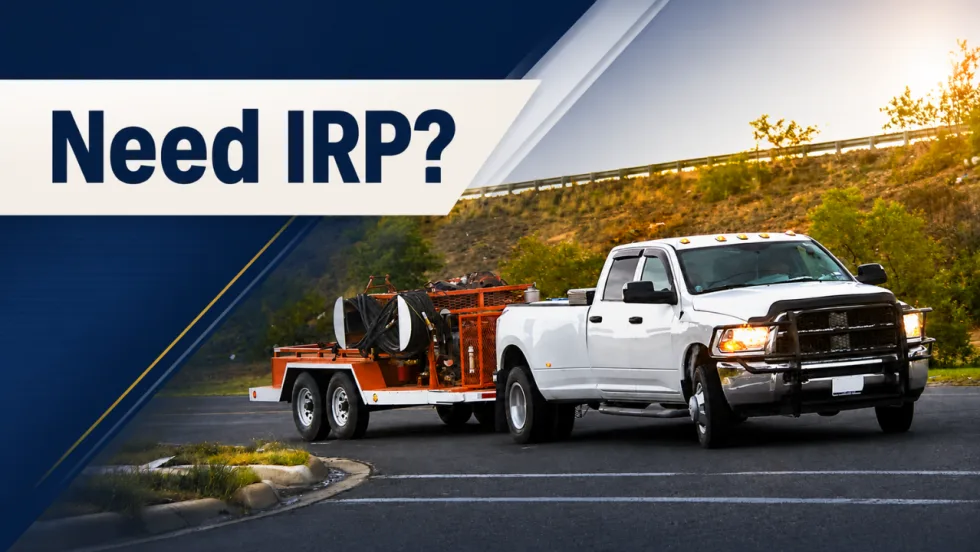
When Work Trucks Under 26,001 Pounds Need IRP Registration
Think trucks under 26,001 pounds are automatically in the clear when it comes to IRP? Not always. Learn where lighter vehicles can still run into trip permit, apportioned registration, and IFTA compliance requirements when crossing state or provincial lines.
Read More →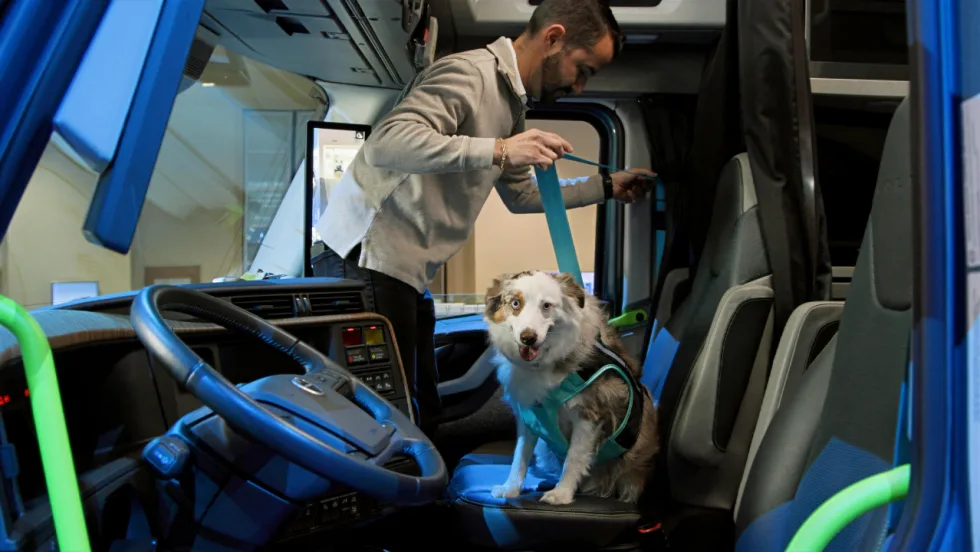
Volvo Trucks Releases New Safety Recommendations for Traveling with Pets
One of the most important recommendations for professional drivers traveling with pets is to ensure pets are properly restrained while the truck is moving. Other tips are available in the new guide from Volvo Trucks North America and Center for Pet Safety.
Read More →
API Issues Refueling Safety Guidelines
The American Petroleum Institute offers a list of safe vehicle refueling guidelines, including ways to avoid potential problems with static electricity discharges in fall, winter, and early spring.
Read More →


Winter Fleet Prep: Expert Tips to Keep Vehicles Running Smoothly
Cold weather can expose weak batteries, tires, fuel systems, and maintenance gaps fast. Use this winter fleet checklist to prepare trucks and drivers before temperatures drop.
Read More →
When a Work Truck Breaks Down, the Job Can Stop, Too
A work truck breakdown can stop more than the vehicle. Discover how payloads, jobsites, and specialty equipment change the roadside response.
Read More →
What Stronger Long-Term Fleet Service Partnerships Actually Require
Fleet service partnerships rarely fall apart all at once. Learn the three warning signs that trust is eroding and what fleets and providers can do before downtime, frustration, and lost revenue follow.
Read More →
Applause & TRUCE Software Partner to Improve Driver Safety Through AI-Powered Telematics & Employee Performance Management
Applause has integrated TRUCE driving metrics directly into its employee-first performance and safety platform that transforms mobile devices into AI-powered telematics.
Read More →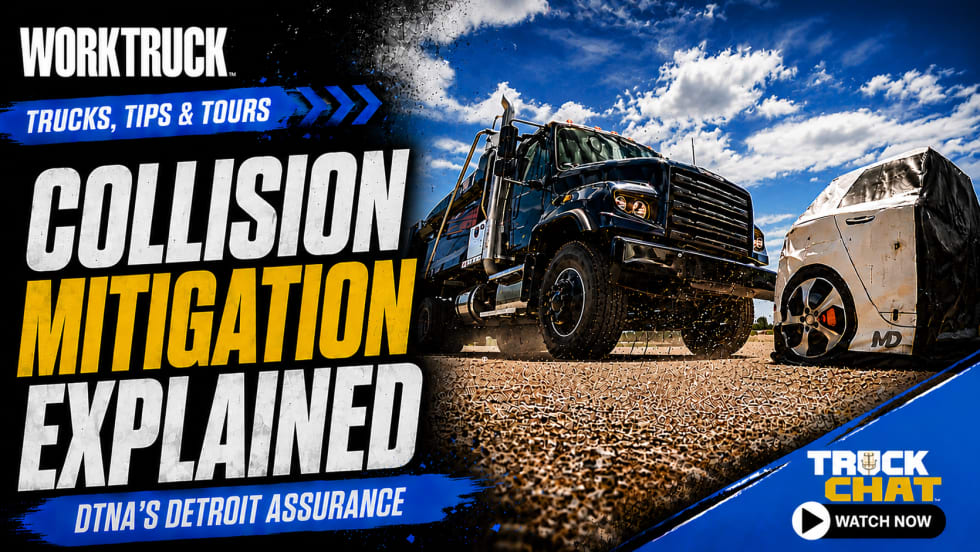
How Detroit Assurance with Active Brake Assist Works
Do you want to see what it is like to experience Detroit Assurance’s Active Brake Assist? In this video, Work Truck will put you in the cab to see how it all works and then hear more details from DTNA’s Mike Young.
Read More →
Get Left of Loss: A 5-Step Workplace Violence Prevention Framework for Fleet Operators
Violence risks do not stop at the driver’s door. Learn five practical steps fleets can take to spot threats early and protect workers before loss occurs.
Read More →
How Better Visibility Cut Speeding Violations by 48%
Fleet leaders don't need more data, they need clearer visibility into what the data is saying. This case study explores how one utility replaced speeding-event counts with a single metric — miles driven in violation — to strengthen safety and significantly reduce speeding violations.
Read More →