





Related: KAR Global Transitions to Simulcast-Only Sales to Minimize Coronavirus Exposure
Tips to Reduce Fleet Driver Exposure to COVID-19
Whether you’re a delivery fleet driver, a roadside technician, or any other type of driver that interacts with other people, there are steps you can take to reduce the potential exposure to COVID-19 coronavirus.
March 18, 2020
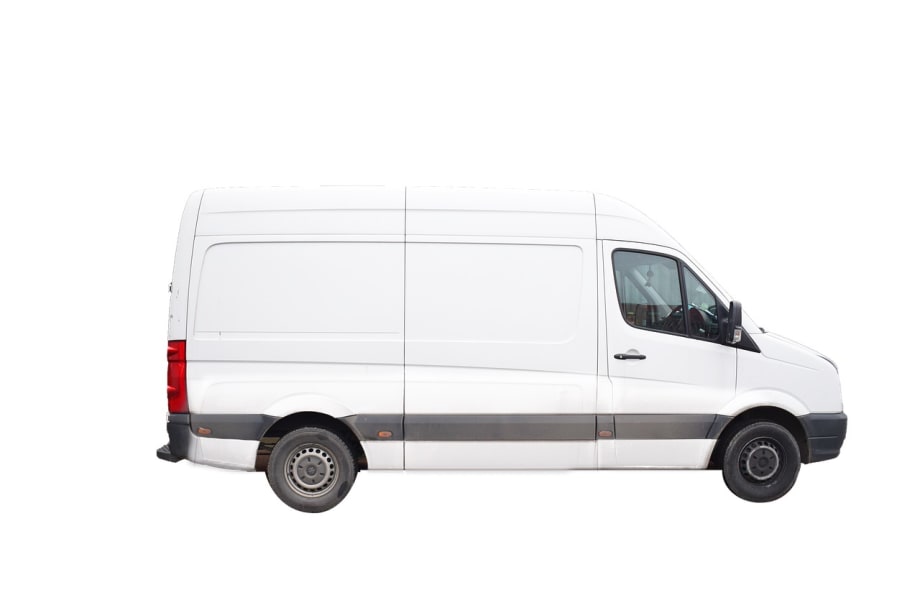
Image by s weis from Pixabay.
3 min to read
Editor's note, this story has been updated with new information as of March 27.
While there are many offices that are closing down their physical locations and directing their employees to work remotely, there are still many fleet drivers that are out on the road.
Whether you’re a delivery fleet driver, a roadside technician, or any other type of driver that interacts with other people, there are steps you can take to reduce the potential exposure to COVID-19 coronavirus.
It all starts at the beginning of your shift, according to AAA.
Before you leave your home, wash your hands thoroughly at the sink for 20 seconds with soap and water.
Throughout your day, whenever you receive any sort of equipment, spray the equipment with disinfectant spray or wipe it down using disinfectant wipes.
The Customized Logistics and Delivery Association (CLDA) tells its members to avoid using driver lounges or accepting food or drink hospitality at stops.
A good item to have while on the road is a pack of nitrile gloves. Wear gloves for every job you start through the day, to reduce the chance that you contract something from any given location you visit throughout the day.
To that end, avoid shaking anyone’s hands at a stop, and attempt to remain a CDC-recommended six feet away from people to the best of your ability.
If you’re going to be entering someone’s home or entering a building with other people, call ahead to ask if anyone has been ill in recent weeks. The CLDA recommends that if an illness is confirmed, inform them that they call you back for completion of a delivery two weeks after the ill person/people have been symptom free.
In an instance where you are accepting a package for delivery, don’t accept the package from their shipping party’s hands; instead ask that the person places the package on a surface and then pick it up from that surface after the delivering party steps away.
Following the completion of a job, disinfect your hands and wipe down your vehicle.
Wipe down the inside of the vehicle, such as the door, dashboard, seat, door hand, and any exposed surfaces with spray disinfectant or disinfectant wipes after anyone enters your vehicle.
Have a small trash bag to dispose of soiled gloves, towels and wipes; make sure that you dispose of that small trash bag at the end of each shift, according to AAA.
A few items that you probably handle every day that might not be getting the attention it should is your credit card, corporate fuel card, or cash. These items can hold the virus so it’s a good idea to wear gloves whenever you handle these items.
At the end of your shift, wash your hands again thoroughly at a sink for 20 seconds with soap and water.
To make sure that you’re using products that will properly disinfect your vehicle, the Environmental Protection Agency has a site that lists all the products that currently meet its criteria for use against COVID-19.
Originally posted on Automotive Fleet
More Safety
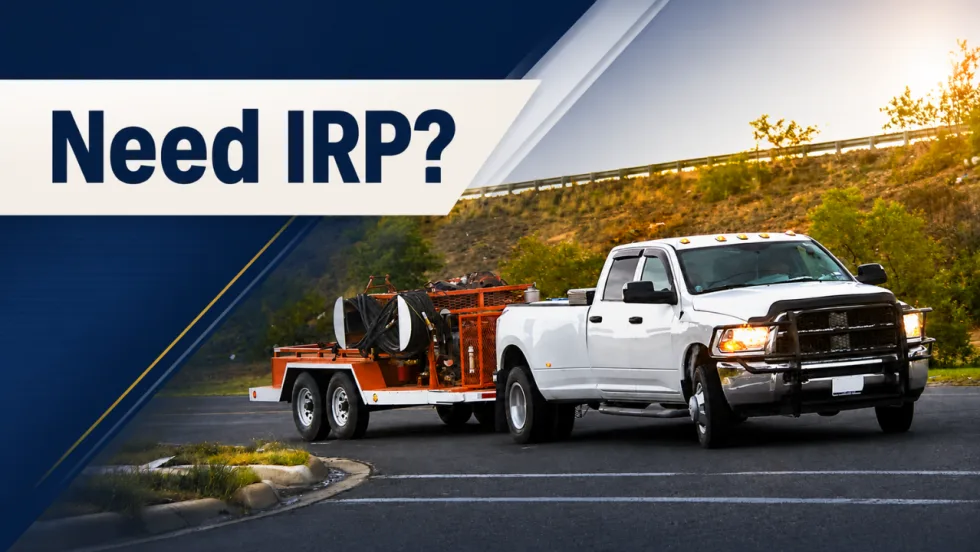
When Work Trucks Under 26,001 Pounds Need IRP Registration
Think trucks under 26,001 pounds are automatically in the clear when it comes to IRP? Not always. Learn where lighter vehicles can still run into trip permit, apportioned registration, and IFTA compliance requirements when crossing state or provincial lines.
Read More →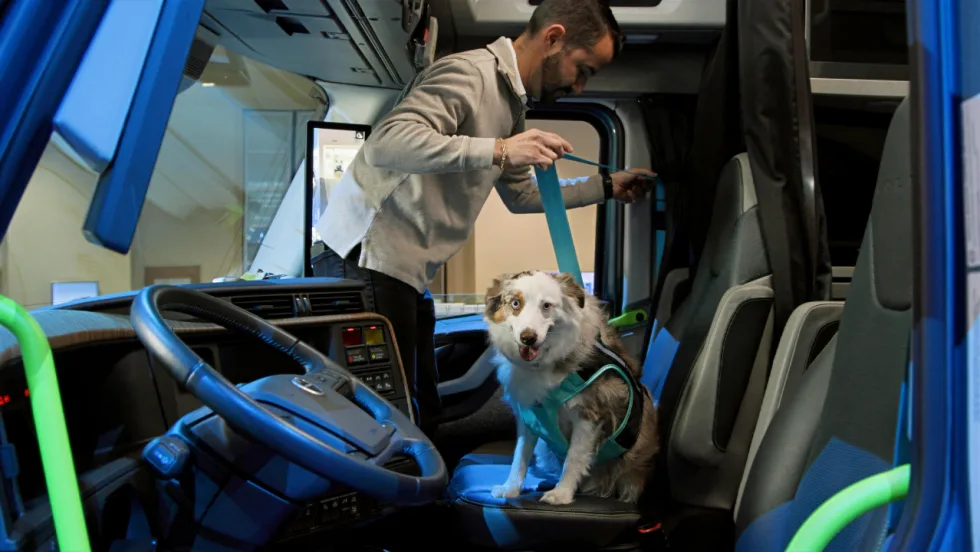
Volvo Trucks Releases New Safety Recommendations for Traveling with Pets
One of the most important recommendations for professional drivers traveling with pets is to ensure pets are properly restrained while the truck is moving. Other tips are available in the new guide from Volvo Trucks North America and Center for Pet Safety.
Read More →
API Issues Refueling Safety Guidelines
The American Petroleum Institute offers a list of safe vehicle refueling guidelines, including ways to avoid potential problems with static electricity discharges in fall, winter, and early spring.
Read More →
Winter Fleet Prep: Expert Tips to Keep Vehicles Running Smoothly
Cold weather can expose weak batteries, tires, fuel systems, and maintenance gaps fast. Use this winter fleet checklist to prepare trucks and drivers before temperatures drop.
Read More →
When a Work Truck Breaks Down, the Job Can Stop, Too
A work truck breakdown can stop more than the vehicle. Discover how payloads, jobsites, and specialty equipment change the roadside response.
Read More →
What Stronger Long-Term Fleet Service Partnerships Actually Require
Fleet service partnerships rarely fall apart all at once. Learn the three warning signs that trust is eroding and what fleets and providers can do before downtime, frustration, and lost revenue follow.
Read More →
Applause & TRUCE Software Partner to Improve Driver Safety Through AI-Powered Telematics & Employee Performance Management
Applause has integrated TRUCE driving metrics directly into its employee-first performance and safety platform that transforms mobile devices into AI-powered telematics.
Read More →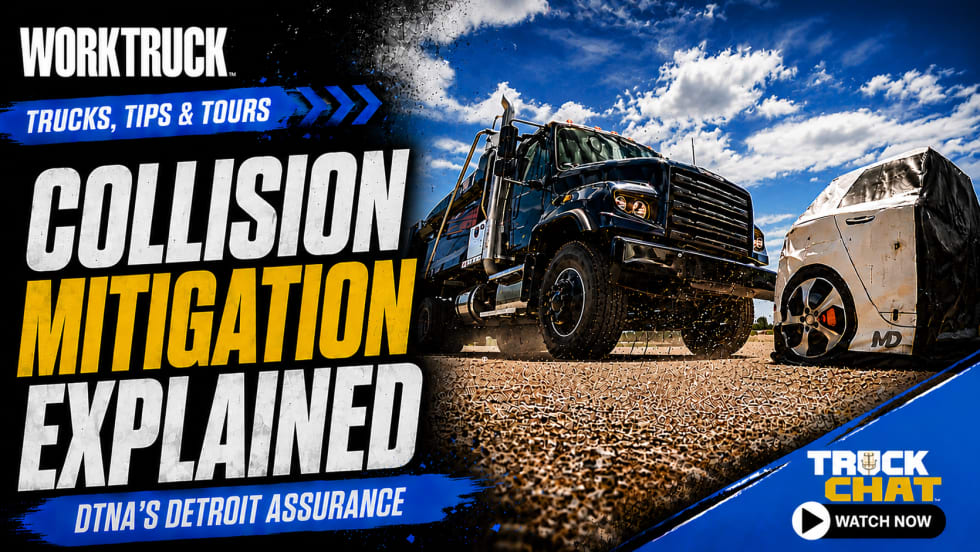
How Detroit Assurance with Active Brake Assist Works
Do you want to see what it is like to experience Detroit Assurance’s Active Brake Assist? In this video, Work Truck will put you in the cab to see how it all works and then hear more details from DTNA’s Mike Young.
Read More →
Get Left of Loss: A 5-Step Workplace Violence Prevention Framework for Fleet Operators
Violence risks do not stop at the driver’s door. Learn five practical steps fleets can take to spot threats early and protect workers before loss occurs.
Read More →
Sponsored•July 17, 2026
How Better Visibility Cut Speeding Violations by 48%
Fleet leaders don't need more data, they need clearer visibility into what the data is saying. This case study explores how one utility replaced speeding-event counts with a single metric — miles driven in violation — to strengthen safety and significantly reduce speeding violations.
Read More →