





Learn More: Roadcheck 2021 to Target Hours of Service, Lighting
Tips to Avoid Violations During International Roadcheck
Grote Industries uses vehicle lighting expertise to address one of 2020’s top violations.
April 29, 2021

Grote Industries uses vehicle lighting expertise to address one of 2020’s top violations.
3 min to read
With the Commercial Vehicle Safety Alliance’s annual International Roadcheck taking place from May 4-May 6, Grote Industries notes one area of focus for this year’s International Roadcheck is vehicle lighting. This category accounted for significant violations in 2020. The company has compiled a list of helpful lighting tips to guide drivers through this upcoming roadcheck.
“Implementing a schedule of thorough, pre-trip inspections will go a long way toward cutting down on violations of all kinds, including lighting,” said Alicia Jones, Grote Industries’ global market manager – Trailer/Body Builder. “But often, it is the unseen dangers of corrosion and wiring damage that contribute most to lighting failure on the road. Once moisture enters a wire, a capillary effect draws it through the wire and eventually throughout the electrical system. Fortunately, there are steps you can take to reduce the likelihood of lighting violations.”
To help reduce potential lighting violations, the following steps should be taken:
Be sure to inspect all wiring and make sure all frayed wiring is spliced out and properly sealed. Discoloration and foreign material on damaged wiring is a telltale warning sign of corrosion. Copper corrodes into a powdery green or white substance, while iron-based components form brown or red rust as they deteriorate. Corroded or incorrectly spliced wires are poor conductors of electricity and as a result, lamps, especially ABS indicator lamps or stop/tail/lamps, will flicker or stop working altogether.
All splices should be heat sealed with shrink splices; avoid taped splices in your wiring. When inspecting your wiring, be aware that built-up winter grime often hides splices that need attention.
Any wires that hang down from their correct runs on the exterior of a trailer are prime candidates for wear or damage. Wiring needs to be bundled and securely fastened into its run using plastic tie wraps so that vibration or environmental factors cannot dislodge it.
Although the use of drip loops to direct water away from connections is a good practice, check to see that drip loops are not in a place where unseen ice can build up. Bear in mind that in winter, drip loops no longer always deflect water as they do when the temperature is above freezing.
Sealing out corrosion with dielectric grease is another great way to safeguard your system, and it can add years of life to your trailer when used correctly. Whenever a harness connection is opened, either harness-to-harness or harness-to-lamp, the old grease should be cleaned out and new grease should be applied. This ensures that the connection is always protected and prevents an excessive amount of dielectric grease from building up, which can prevent harnesses from closing properly.
At the front of the trailer, battery and nose box connections need to be checked to make sure the required current is present. Terminals should be cleaned, tightened, and greased to protect the battery and the overall electrical system.
More Safety
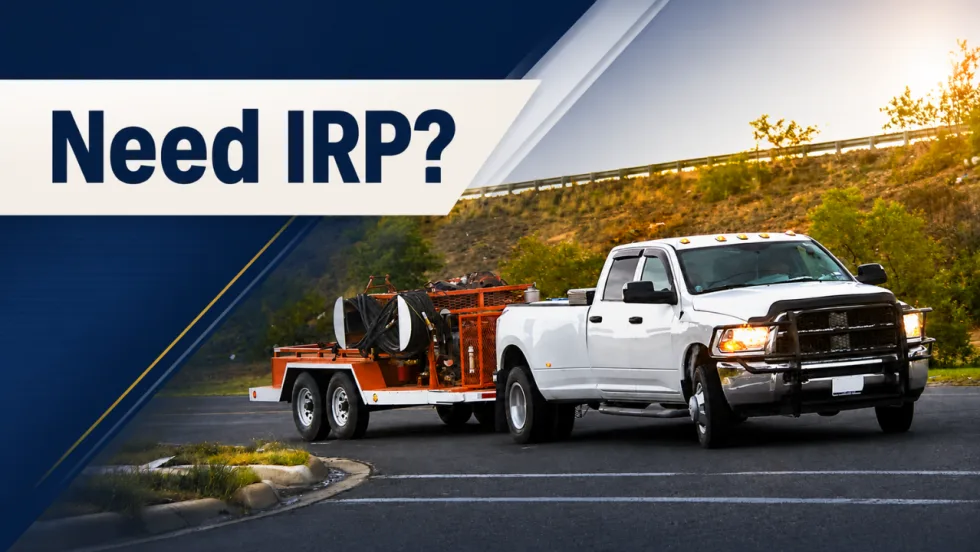
When Work Trucks Under 26,001 Pounds Need IRP Registration
Think trucks under 26,001 pounds are automatically in the clear when it comes to IRP? Not always. Learn where lighter vehicles can still run into trip permit, apportioned registration, and IFTA compliance requirements when crossing state or provincial lines.
Read More →
Volvo Trucks Releases New Safety Recommendations for Traveling with Pets
One of the most important recommendations for professional drivers traveling with pets is to ensure pets are properly restrained while the truck is moving. Other tips are available in the new guide from Volvo Trucks North America and Center for Pet Safety.
Read More →
API Issues Refueling Safety Guidelines
The American Petroleum Institute offers a list of safe vehicle refueling guidelines, including ways to avoid potential problems with static electricity discharges in fall, winter, and early spring.
Read More →
Winter Fleet Prep: Expert Tips to Keep Vehicles Running Smoothly
Cold weather can expose weak batteries, tires, fuel systems, and maintenance gaps fast. Use this winter fleet checklist to prepare trucks and drivers before temperatures drop.
Read More →
When a Work Truck Breaks Down, the Job Can Stop, Too
A work truck breakdown can stop more than the vehicle. Discover how payloads, jobsites, and specialty equipment change the roadside response.
Read More →
What Stronger Long-Term Fleet Service Partnerships Actually Require
Fleet service partnerships rarely fall apart all at once. Learn the three warning signs that trust is eroding and what fleets and providers can do before downtime, frustration, and lost revenue follow.
Read More →
Applause & TRUCE Software Partner to Improve Driver Safety Through AI-Powered Telematics & Employee Performance Management
Applause has integrated TRUCE driving metrics directly into its employee-first performance and safety platform that transforms mobile devices into AI-powered telematics.
Read More →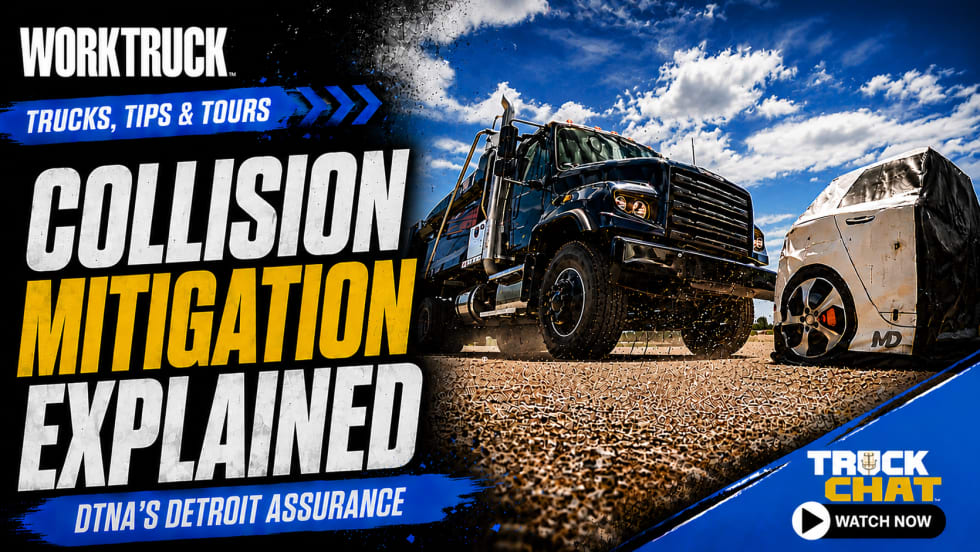
How Detroit Assurance with Active Brake Assist Works
Do you want to see what it is like to experience Detroit Assurance’s Active Brake Assist? In this video, Work Truck will put you in the cab to see how it all works and then hear more details from DTNA’s Mike Young.
Read More →
Get Left of Loss: A 5-Step Workplace Violence Prevention Framework for Fleet Operators
Violence risks do not stop at the driver’s door. Learn five practical steps fleets can take to spot threats early and protect workers before loss occurs.
Read More →
Sponsored•July 17, 2026
How Better Visibility Cut Speeding Violations by 48%
Fleet leaders don't need more data, they need clearer visibility into what the data is saying. This case study explores how one utility replaced speeding-event counts with a single metric — miles driven in violation — to strengthen safety and significantly reduce speeding violations.
Read More →