




Testing of Electric Truck for Los Angeles Port Sparks Enthusiasm
LOS ANGELES – The Port of Los Angeles views a 30-ton prototype vehicle it has had in service since January as a forerunner of a fleet of electric trucks to serve terminals and rail yards.
LOS ANGELES – The Port of Los Angeles views a 30-ton prototype vehicle it has had in service since January as a forerunner of a fleet of electric trucks to serve terminals and rail yards, according to www.latimes.com. So far, the vehicle has logged 360 miles on the odometer.
Port authorities believe electric trucks could substantially reduce emissions
generated by an estimated 1.2 million diesel short-haul truck trips that are
made each year between the L.A. and Long Beach port complex
and local warehouses and rail yards. If those trips were made by zero-emission
electric trucks, port officials said, about 35,600 tons of tailpipe pollution
would be eliminated annually.
The electric truck was developed by Santa Ana-based Balqon Corp. in a jointly funded effort led by the port and the South Coast Air Quality Management District. Balqon has agreed to establish an electric truck assembly plant near the port, where cargo container traffic is expected to double by 2020.
Although electric truck tests are still underway, the port has already ordered 20 more of the vehicles at a cost of $208,000 each. The electric truck, which takes about three hours to charge, has a range of about 30 miles while pulling a 60,000-pound cargo container, and about 60 miles empty. It costs about 20 cents a mile to operate, or about four to nine times less than a diesel truck, depending on fluctuating fuel costs and operating conditions.
More Green Fleet

Fleet Forward Conference Introduces One-Day Passes for 2026
New one-day registration gives fleet professionals the flexibility to attend Tuesday, Wednesday, or Thursday, with passes available for $199 through Sept. 18.
Read More →
CALSTART Rebrands as Catalyst Mobility, Will Combine with Forth in 2027
CALSTART has rebranded as Catalyst Mobility and will combine with Forth at the start of 2027. The new organization said it is poised to become one of the world's largest, strongest, and most impactful clean transportation nonprofits.
Read More →
Electric Truck and Charging Programs to Boost Sustainability at NY & NJ Ports
Together, the Port Authority of New York and New Jersey and CALSTART will electrify drayage and terminal operations serving the East Coast’s busiest container port. A pair of incentive programs totaling $45 million has launched to accelerate adoption of zero-emission drayage trucks and terminal tractors.
Read More →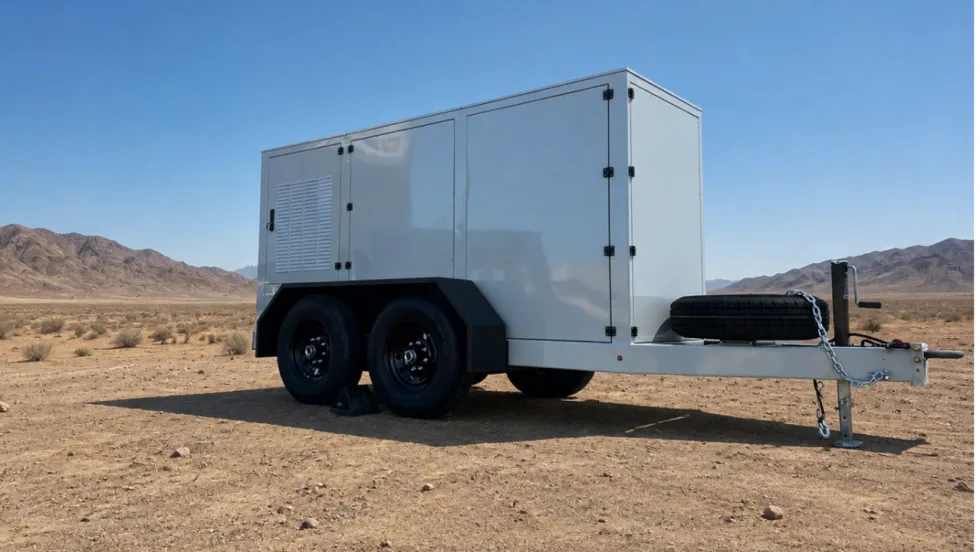
Xos Hub Surpasses One Gigawatt-Hour of Energy Delivered in the Field
A single Xos Hub has surpassed one gigawatt-hour of energy across more than 33,600 charging sessions in the field, demonstrating performance that supports Xos' expansion across new products and markets.
Read More →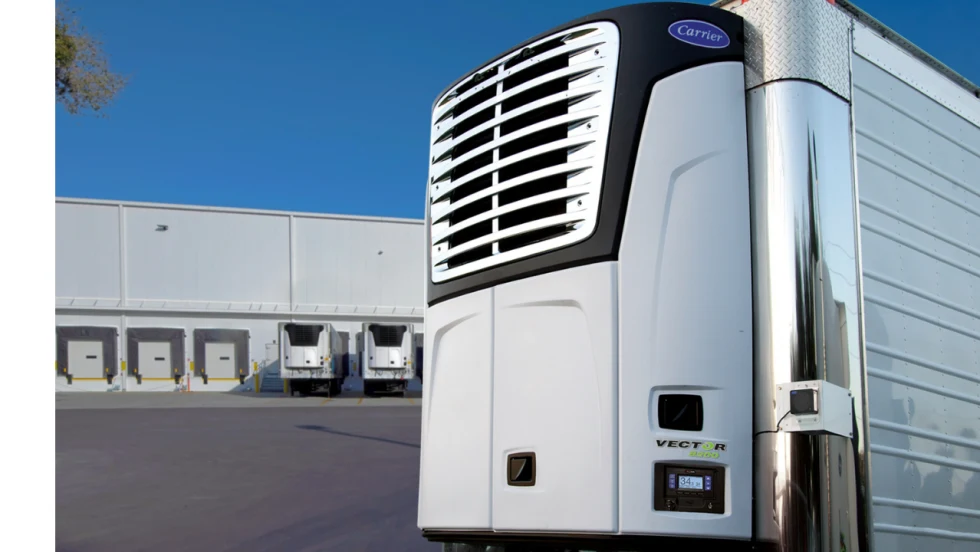
Carrier Transicold Launches All-Electric Vector 8200 TRU for Diesel-Free On-Site Cold Storage
Carrier Transicold’s first engineless multi-temperature TRU helps fresh- and frozen-food fleets add supplemental cold storage capacity during seasonal peaks.
Read More →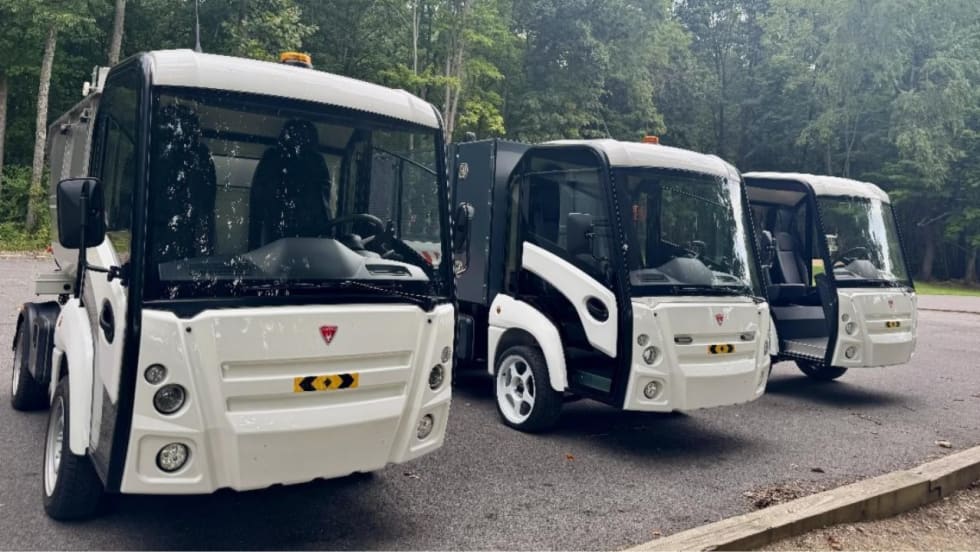
Narro Trucks Introduces Electric Utility Vehicle
Narro Trucks officially launched its operations on Aug. 20 and hosted a ride and drive to showcase its electric truck, which will be produced in Virginia.
Read More →
Samsung SDI Takes Full Control of GM Battery JV as Indiana Plant Pivots to Energy Storage
Samsung SDI is taking full control of its Indiana battery plant with GM, marking a major shift from the EV-focused joint venture Charged Fleet first covered in 2023.
Read More →
NWSA Taps CALSTART to Administer Zero-Emission Drayage Assistance Program
CALSTART will provide free technical assistance services to drayage fleets serving the Ports of Seattle and Tacoma and looking to transition to cleaner technologies and help decarbonize freight hubs.
Read More →
EV Fleet Reality Check: What Operators Wish They Knew Before Electrifying Their Work Vans
Electric work truck upfits bring new compatibility questions. Learn how parts availability, OEM guidance, power demands, and route planning can affect fleet performance.
Read More →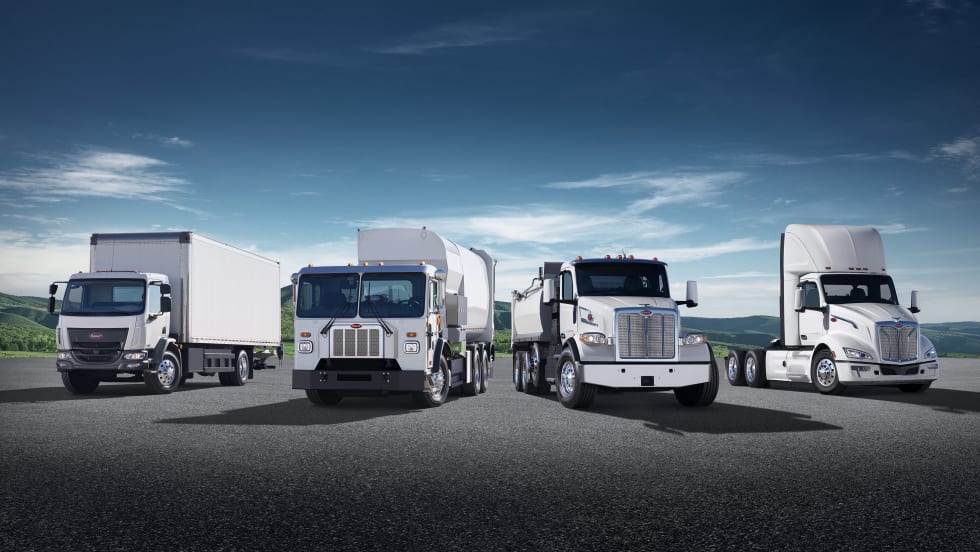
Peterbilt Expands Sourcewell Partnership with Electric Vehicle Lineup
Peterbilt Motors Company’s cooperative purchasing agreement with Sourcewell and its Canadian partner, Canoe Procurement Group, now includes including Peterbilt's battery-electric vehicle lineup.
Read More →