




SwRI Initiates Diesel Emissions Accelerated Aging Cycle Consortium
SAN ANTONIO – Southwest Research Institute will launch a cooperative research program this month to develop accelerated aging procedures for diesel emission systems and components.
SAN ANTONIO – Southwest Research Institute (SwRI) will launch a cooperative research program this month to develop accelerated aging procedures for diesel emission systems and components. The effort will seek to provide common procedures for use by industry in general, and to potentially simplify certification procedures required to sell diesel-powered vehicles in the United States.
The consortium, Diesel Aftertreatment Accelerated Aging Cycles (DAAAC), intends to develop standard accelerated aging procedures for diesel emission systems for use in the same way as those the Environmental Protection Agency (EPA) has adopted for gasoline vehicles. Currently, the EPA requires diesel vehicle manufacturers to drive vehicles for 120,000 miles with periodic emissions measurements to certify the vehicles for sale. Gasoline vehicle manufacturers, however, can replace actual driving with an accelerated aging procedure (the standard bench cycle), providing for significant savings in both time and expense to meet certification requirements.
SwRI hosted a symposium in February to discuss the technical issues and obtain industry input in planning the formal consortium. Representatives from 35 companies and organizations attended and agreed that the consortium should work to develop procedures that can be considered for the vehicle certification regulations by the EPA. They also recommended developing procedures for heavy-duty diesel emission components and systems that can be used generically apart from any regulated procedures. In the first year of the two-year consortium, members will work on single-component aging procedures to identify the simplest effective procedures. During the second year, members will develop procedures for vehicle certification and for heavy-duty emission system applications.
Members will have access to all information developed during the consortium activities. They will also be able to use the developed procedures, whether or not they are published and written into the regulations. The advantage of membership is that the impact of the yearly contribution is multiplied by the number of participants, providing substantially more pre-competitive research and development than would be possible through similar funding from a single entity.
The DAAAC consortium kick-off meeting is scheduled June 13, at Southwest Research Institute, San Antonio. For more information, visit http://www.swri.org/9what/events/confer/DAAAC/default.htm.
More Sustainability
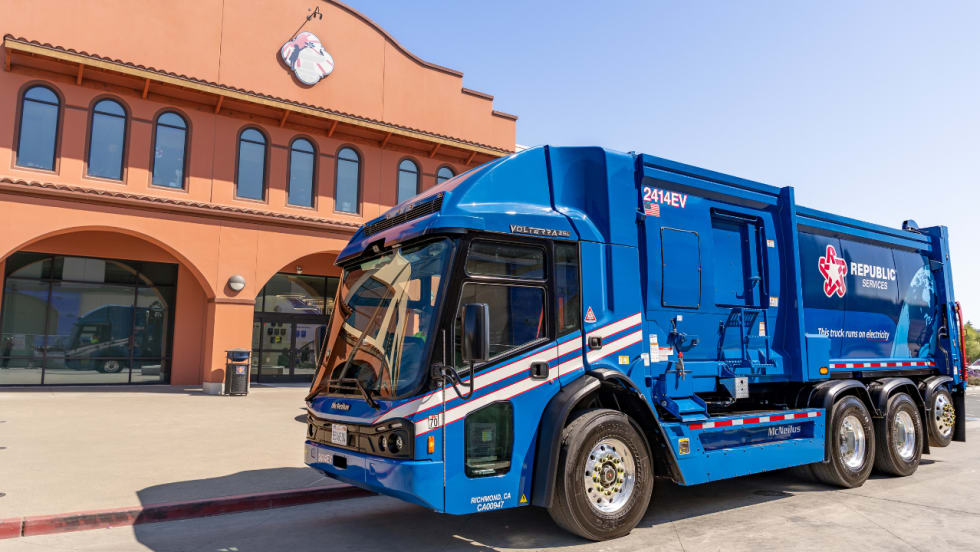
What Republic Services Learned Moving Electric Trucks Beyond the Pilot
With 250 electric refuse trucks now in service, Republic Services is learning that scaling a new powertrain depends as much on routes, drivers, technicians, and daily operations as it does on the truck itself.
Read More →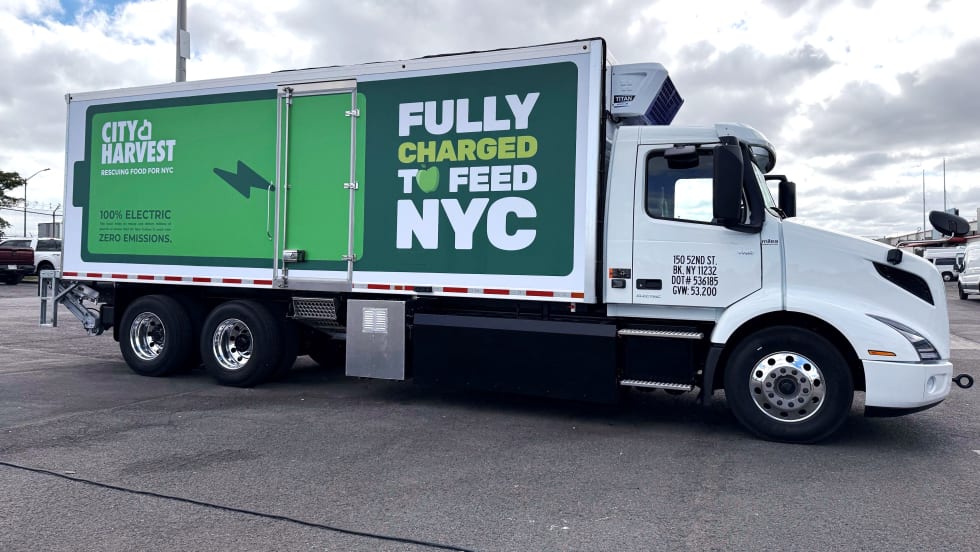
City Harvest Begins Using Volvo VNR Electric Trucks to Rescue Food Across New York City
Volvo Trucks North America and the Bronx Is Breathing project team handed over three new Volvo VNR Electric trucks to City Harvest, which will use the trucks to rescue and deliver food throughout the Bronx and across all five boroughs of New York.
Read More →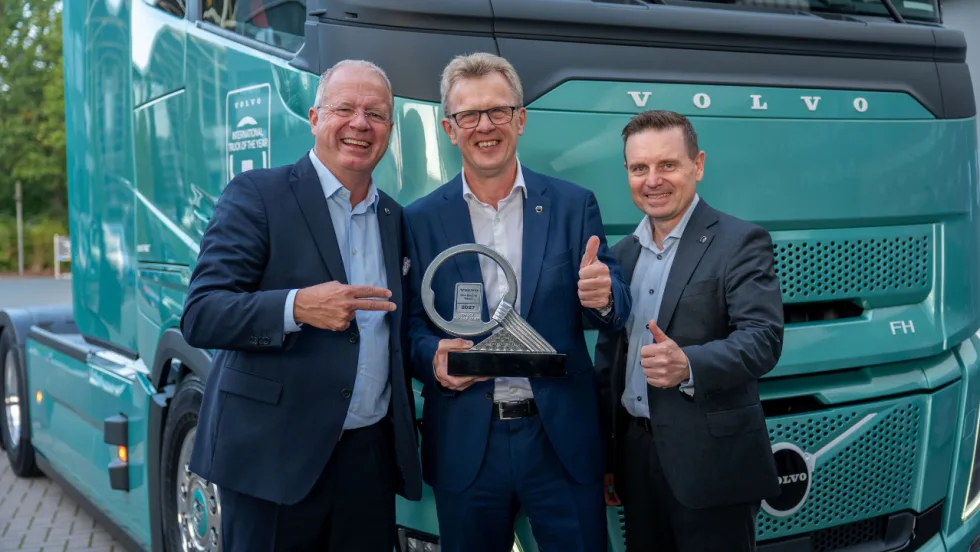
Volvo Trucks Wins International Truck of the Year 2027 for its Global Electric Range
Volvo Trucks' global heavy-duty electric range has been named International Truck of the Year 2027. Since 2019, more than 7,000 electric Volvo trucks have driven more than 310 million miles worldwide.
Read More →


Fleet Forward Conference Introduces One-Day Passes for 2026
New one-day registration gives fleet professionals the flexibility to attend Tuesday, Wednesday, or Thursday, with passes available for $199 through Sept. 18.
Read More →
CALSTART Rebrands as Catalyst Mobility, Will Combine with Forth in 2027
CALSTART has rebranded as Catalyst Mobility and will combine with Forth at the start of 2027. The new organization said it is poised to become one of the world's largest, strongest, and most impactful clean transportation nonprofits.
Read More →
Electric Truck and Charging Programs to Boost Sustainability at NY & NJ Ports
Together, the Port Authority of New York and New Jersey and CALSTART will electrify drayage and terminal operations serving the East Coast’s busiest container port. A pair of incentive programs totaling $45 million has launched to accelerate adoption of zero-emission drayage trucks and terminal tractors.
Read More →
The Smart Way to Build a Mixed-Energy Fleet Isn’t About Picking a Side
Mixed-energy fleets aren’t about picking a winning fuel. Sarah Booth of WEX explains how vehicle data, duty cycles, charging strategy, and real-world costs can help fleets choose the right energy source for each job.
Read More →
Xos Hub Surpasses One Gigawatt-Hour of Energy Delivered in the Field
A single Xos Hub has surpassed one gigawatt-hour of energy across more than 33,600 charging sessions in the field, demonstrating performance that supports Xos' expansion across new products and markets.
Read More →
Carrier Transicold Launches All-Electric Vector 8200 TRU for Diesel-Free On-Site Cold Storage
Carrier Transicold’s first engineless multi-temperature TRU helps fresh- and frozen-food fleets add supplemental cold storage capacity during seasonal peaks.
Read More →
Narro Trucks Introduces Electric Utility Vehicle
Narro Trucks officially launched its operations on Aug. 20 and hosted a ride and drive to showcase its electric truck, which will be produced in Virginia.
Read More →