




Learn More: Survey - Video Telematics Still Not Widely Adopted Among Work Truck Fleets
Survey: Mobile Fueling Hasn’t Found Its Work Truck Footing
A recent pulse survey reveals while mobile fueling can save drivers time and increase productivity, many vocational fleets have yet to give it a try.

Lexi Tucker・Former Senior Editor
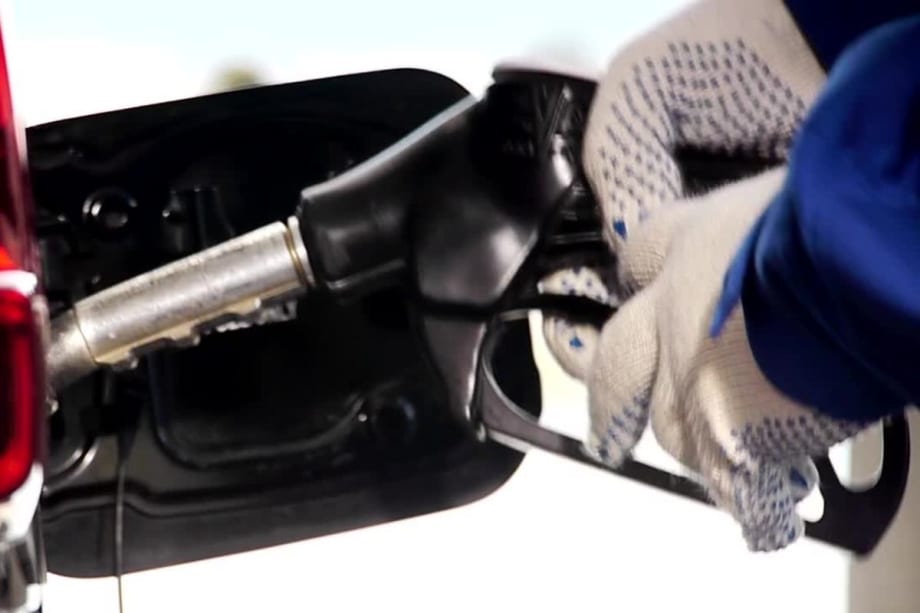
A recent pulse survey reveals while mobile fueling can save drivers time and increase productivity, many vocational fleets have yet to give it a try.
Photo: Canva
3 min to read
Mobile fueling may enable drivers to spend more time doing their actual job, but it appears vocational fleets have yet to see enough benefits to justify the extra cost, according to a recent pulse survey conducted by Work Truck. The publication collected a total of 65 fleet professional responses (60 completed and 5 partially completed surveys) from March 18 to April 6, 2022. All respondents manage a fleet that includes light- and/or medium-duty trucks or vans.
The top three respondents identified themselves as corporate/executive management (including owner/operator), maintenance/shop/operations management, and other (including fleet manager and fleet coordinator). The top three lines of business include other (including landscaping, plumbing, and refrigeration); federal, state, or local government; and construction (mining, logging, concrete, paving, or excavating).
Those who responded have the following fleet breakdowns:
Class 1 or 2 – 80%
Class 3 – 67%
Class 4 – 50%
Class 5 – 52%
Class 6 – 52%
Class 7 – 55%
Class 8 – 55%
Most had fleets with 2-50 vehicles (42%), 101-1,000 (30%), and 51-100 (17%).
A three-quarters of the respondents said they had never used a mobile fueling service before, while only 22% stated they had. Three percent said they had used one, but don’t anymore.
For those who had used a mobile fueling service, the top three benefits stated were improved productivity, reduced vehicle wear and tear, and reduced fuel card fraud/simplified billing. An interesting answer that came in under “other” was “reduced liability of vehicles having accidents in service stations.”
The top three challenges fleets faced when it came to using mobile fueling were cost, availability, and safety.
When asked what percentage of respondents’ fleets used mobile fueling on a regular basis, 38% said 1-25%; 23% said 26-50%; and 15% said 51-75%/76-99% (tie).
Fleet managers were given the opportunity to discuss why they use mobile fueling. Here are a few stand-out answers:
“Fueling is done ‘off hours’ so it does not disrupt our operations. It saves time/money by not having to interrupt the flow of our business by having to stop to refuel, which can be time consuming. We are fueled twice weekly and have virtually eliminated outside fuel purchases.
“It's been great once we worked through the pricing and trip charges. Drivers are scarce. Paying them to drive to a fueling station and wait while the gas flows is time they could be delivering.”
“Mobile fueling has worked very well in the markets where we are able to deploy. The mobile fuel vendor integrates seamlessly with our current fuel card provider for transactional data capture and consolidated billing. Savings is represented in employee time and mileage savings.”
“We use mobile fueling during snow removal events on the taxiway of the airfield. It allows our snow removal units to return to active duty quicker.”
For fleet professionals not using mobile fueling, “other” was the number one answer. Reasons included supplier honesty, not needed, not enough vehicles to justify, and already have fuel storage onsite. Availability and cost were other top factors.
When asked if they’d be willing to give mobile fueling a try if the reasons from the previous question weren't an issue, 47% said no, 28% weren’t sure, and 25% said yes.
More Fuel

The Smart Way to Build a Mixed-Energy Fleet Isn’t About Picking a Side
Mixed-energy fleets aren’t about picking a winning fuel. Sarah Booth of WEX explains how vehicle data, duty cycles, charging strategy, and real-world costs can help fleets choose the right energy source for each job.
Read More →
Ignoring This Dashboard Warning Could Cost Your Fleet Thousands in Fuel
New research suggests neglected diesel aftertreatment systems could waste up to $30 in fuel per vehicle each day. Here's why vocational fleets should pay attention.
Read More →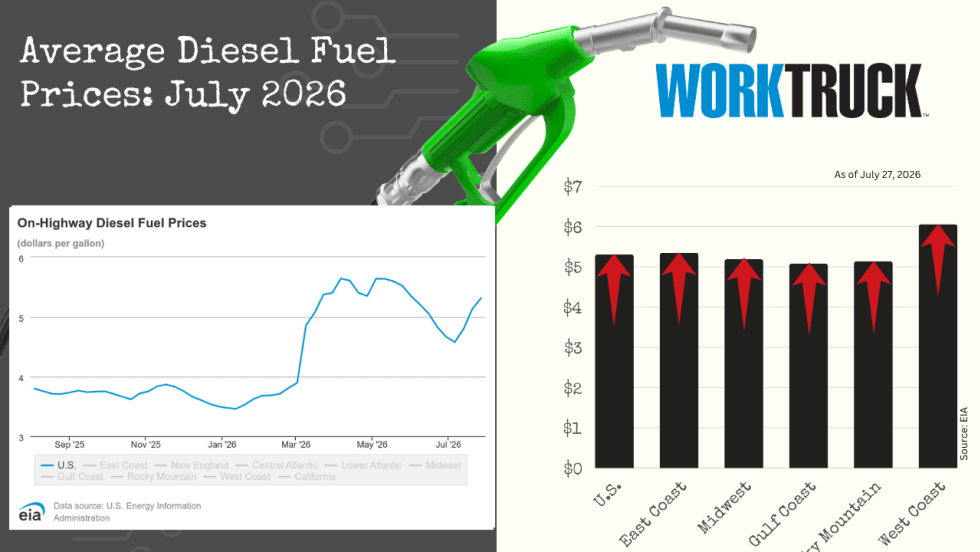
July Diesel Trends Update
The average price of a gallon of diesel increased again this week, and the EIA reported a new national average of $5.31 at the start of the week.
Read More →
WEX Brings Standard Fleet's Connected Vehicle Platform to Fleet Customers
This week’s product launch with Standard Fleet’s connected vehicle platform reflects WEX Venture Capital's strategy of turning startup innovation into customer solutions. Standard Fleet is now available to WEX fleet customers.
Read More →
Teletrac Navman Adds Mixed-Energy Fleet Tools to TN360
The new Energy Hub combines fuel transactions, EV charging data, vehicle range, and energy costs in one dashboard for fleets operating multiple vehicle and energy types.
Read More →
WEX DriverDash adds CITGO, Expands Nationwide Access for Fleets
The DriverDash mobile payment app, by WEX, has been integrated into the CITGO merchant network, which means WEX has expanded its U.S. station footprint with the addition of approximately 4,000 CITGO locations.
Read More →
Mixed Energy Fleet Tips for Balancing EVs, Gas and Diesel Vehicles
Mixed energy fleets are becoming the new normal. Learn how fleet managers are balancing EVs, gas and diesel vehicles while controlling costs and planning for the future.
Read More →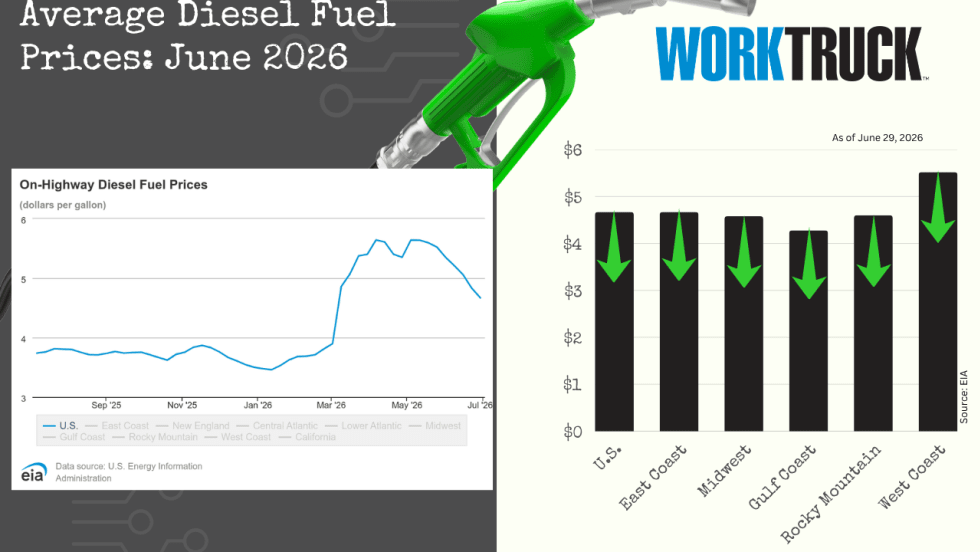
June Diesel Trends Update
The national average price of a gallon of diesel has dropped again, this week by more than 16 cents. All five regions reported lower average prices, ranging from almost 13 cents to more than 28 cents cheaper than a week ago.
Read More →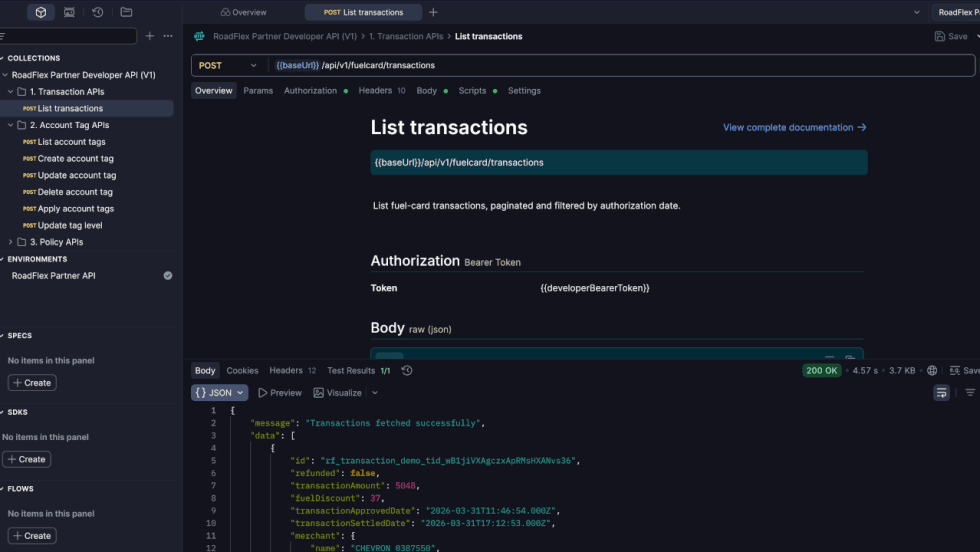
RoadFlex Launches RoadFlex Direct Open API Platform
RoadFlex Direct connects fuel cards, controls, and data to the telematics and fleet management systems fleets already run, from Geotab and Samsara to Fleetio and RTA, with no separate dashboard or double data entry.
Read More →
The Key to Fuel Efficiency Sits in the Cab
Learn how driver behavior, telematics, coaching, and fuel data can help fleets improve fuel efficiency, lower costs, and reduce emissions.
Read More →