




Learn More: Survey Shows Many Safety Similarities Between Light-, Medium-Duty Fleets
Survey: Video Telematics Still Not Widely Adopted Among Work Truck Fleets
A recent pulse survey reveals while video telematics seem to make a difference, many vocational fleets have yet to incorporate the tech into their vehicles.

Lexi Tucker・Former Senior Editor

A recent pulse survey reveals while video telematics seem to make a difference, many vocational fleets have yet to incorporate the tech into their vehicles.
Photo: Unsplash/Patrick Tomasso
2 min to read
Video telematics still have a way to go before becoming considered a must-have safety feature, according to a recent pulse survey conducted by Work Truck. The publication collected a total of 56 fleet professional responses (52 completed and 4 partially completed surveys) from February 7 to 28, 2022. All respondents manage a fleet that includes light- and/or medium-duty trucks or vans.
The top three respondents identified themselves as corporate/executive management (including owner/operator), maintenance/shop management, and other (including department manager and fixed asset manager). The top three lines of business include construction (mining, logging, concrete, paving, or excavating); federal, state, or local government; and other (including fire, marine, and university).
Those who responded have the following fleet breakdowns:
Class 1 or 2 – 79%
Class 3 – 75%
Class 4 – 58%
Class 5 – 64%
Class 6 – 62%
Class 7 – 62%
Class 8 – 68%
Most had fleets with 2-50 vehicles (37%), 101-1,000 (25%), and 1,001-3,000 (15%).
Over half of the respondents (64%) said their fleet had not implemented some form of video telematics, while only 36% stated they had.
Among those who have implemented video telematics, the majority said they feel it's made a difference in the safety of their fleet (65%). Twenty-five percent said not enough time had passed for them to tell a difference, and 5% said they saw no difference at all. “Not sure/don’t know” accounted for another 5%.
A variety of reasons were provided for why fleet managers were motivated to give video telematics a shot. These ranged from the obvious (accident prevention, alignment with safety culture, and litigation mitigation) to the somewhat surprising (one fleet manager wrote “our backhoe operators asked to have them installed in their equipment due to the way they are treated while driving on the road” and “pressure from non-equipment operation officials”).
Down the road, fleet managers would like to see the following features:
AI
Closer mirror vehicle ADAS systems
Facial recognition for smoking and distracted driving
Geofencing
Positive reinforcement/operator training
Indicating what CEL and MIL codes mean instead of just getting the code then having to look up the code
For those fleet managers who have not implemented video telematics, only 14% said their company plans to implement video telematics in the future. Fifty-four percent said they do not plan to do so, and 26% of respondents were unsure at the time they responded to the survey. Six percent of fleet managers said it was not their decision to make.
For the latest on Work Truck's 2022 survey series, see the results of our January survey on EV truck adoption.
More Technology & AI
How Fleets Can Use Technology to Fight Fuel Fraud
Fuel fraud and theft remain significant challenges for commercial fleets, whether the problem involves third-party fraud or driver misuse. In this video, David Abraham of WEX explains how SecureFuel uses vehicle geolocation, telematics, transaction information, and AI to help fleet managers identify suspicious fuel purchases and make more informed decisions.
Read More →
Can AI Agents Help Small Work Truck Fleets Do More With Less?
Motive's new AI Agents automate fleet safety, maintenance, compliance, and dispatch tasks. Here's how they work for smaller fleets, what managers control, and what early users are seeing.
Read More →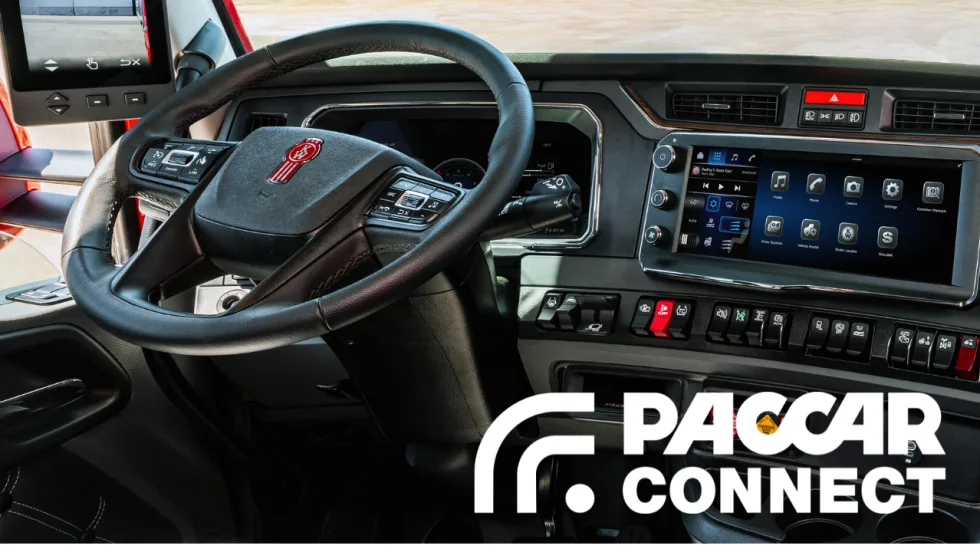
Paccar Launches Paccar Connect for Peterbilt and Kenworth Trucks
The new Paccar Connect offers touchscreen displays, telematics capabilities, and an expanding app ecosystem to boost productivity and streamline driver workflows.
Read More →From Our Partners
Basic Tracking vs Next Generation Fleet Technology
Sponsored by AT&T Business
5 Facts Every Fleet Manager Should Know About Embedded Telematics
Sponsored by Stellantis/Mobilisights
How AI Video Telematics Boosts Driver Safety and Helps to Avoid Unnecessary Costs
Sponsored by Verizon Connect

Charting the 8 Bottom-Line Benefits of Workforce Optimization
Sponsored by Verizon Connect

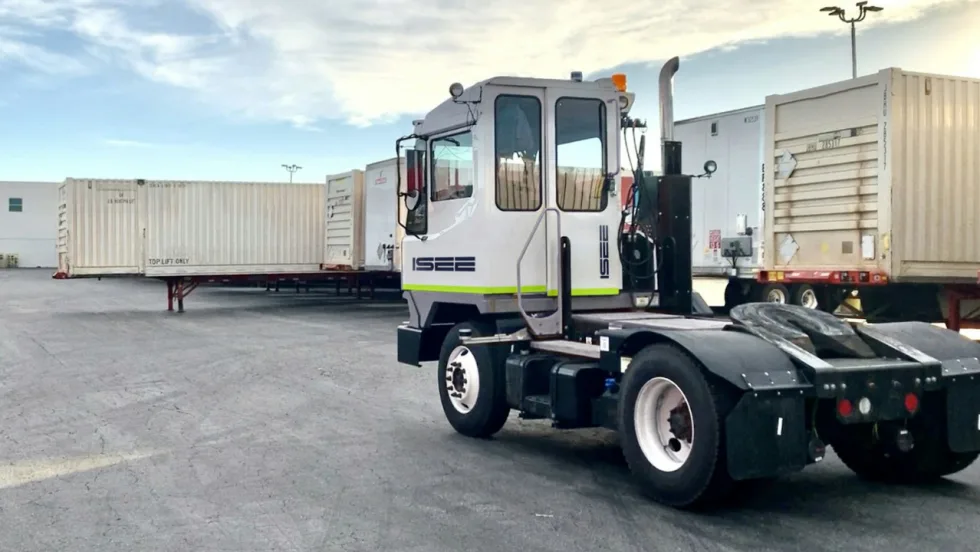
Holman and ISEE Partner to Expand Autonomous Yard Truck Operations
The partnership combines Holman's fleet management and upfitting capabilities with ISEE's autonomous driving technology to help businesses deploy and manage driverless yard trucks.
Read More →
Who You Gonna Call? Rivian Turns Electric Vehicles Into Ghostbusters Rides
Rivian teams up with Sony Pictures for a Ghostbusters-inspired Halloween software update, complete with custom sounds, lighting effects, and a special Ecto-R1.
Read More →
The Second Trip and What Missing Tools Really Cost a Service Business
For service fleets, missing tools and equipment can lead to second trips, lost technician time, higher operating costs, and delayed jobs. Equipment tracking can help HVAC, plumbing, electrical, landscaping, and other service businesses improve visibility and reduce downtime.
Read More →
GeoFencing Adds to Your Truck Security Arsenal
Geofencing is a familiar fleet tool today, but its early adoption marked a major shift in vehicle tracking, route monitoring, and the debate over employee privacy.
Read More →
Geotab Data Shows Regional Trucking Growing Faster as Last Mile Routes Get Denser
Geotab's first U.S. supply chain report finds stable long-haul activity, stronger regional freight movement, tighter hub-and-spoke utilization, and more last-mile trips on shorter routes.
Read More →
When Fleet Technology Helps and When It Just Adds Complexity
New technology can help fleets work smarter, but only if it solves the right problem. Lauren Fletcher talks with AP Fleet’s Alex Coveney about innovation, AI, data, and knowing when a new solution is actually worth adopting.
Read More →
Volvo Trucks’ 'Lock and Leave' Software Updates Go Live Across North America
Unattended over-the-air software updates are now available in Volvo trucks across the U.S. and Canada. The new capability lets trucks stay current with the latest software without interrupting operations or requiring a dealership visit.
Read More →