





Learn More: How Low Can Vehicle Emissions Go with Renewable Propane
Study Compares Propane Carbon Footprint to Electric
The analysis, Decarbonization of MD-HD Vehicles with Propane, found that propane-fueled MD-HD internal combustion engine vehicles provide a lower carbon footprint solution in 38 U.S. states and Washington, D.C., when compared to MD-HD electric vehicles charged using the electrical grid.
January 28, 2021

Fifteen states and Washington, D.C., have proposed full electrification of medium- and heavy-duty trucks by 2050 with a target of 30% “zero-emission” vehicle sales by 2030.
Photo: PERC
2 min to read
A new comparative analysis analyzes the carbon footprint of medium-duty and heavy-duty (MD-HD) engine vehicles powered by propane and electricity.
The analysis, Decarbonization of MD-HD Vehicles with Propane, found that propane-fueled MD-HD internal combustion engine vehicles provide a lower carbon footprint solution in 38 U.S. states and Washington, D.C., when compared to MD-HD electric vehicles (EVs) charged using the electrical grid.
Fifteen states and Washington, D.C., have proposed full electrification of medium- and heavy-duty trucks by 2050 with a target of 30% “zero-emission” vehicle sales by 2030. The rationale behind the proposals is based on the dubious assumption that the electrical grid will be fully decarbonized by that time.
Likewise, policy based on exhaust carbon dioxide (CO2eq) emissions alone as opposed to life-cycle analysis results misses the full picture. As a result, policy proposals today conflate the promise of electrification with actual decarbonization.
According to the Propane Education & Research Council (PERC), the comparative analysis also reveals that MD-HD vehicles powered by renewable propane provide a lower carbon footprint solution in every U.S. state except Vermont where electricity is generated by, and imported from, Canadian hydroelectric power plants. Renewable propane is derived from sources such as beef fats, vegetable oils, grease residue, and other biomass feedstocks.
Moreover, the analysis shows that decarbonization can be accelerated by adopting propane as the fuel of choice for MD-HD vehicles. The conclusion is supported by a life-cycle analysis of equivalent CO2eq emissions between electric and propane-fueled vehicles across the U.S. using CARB carbon intensity values along with a powertrain efficiency analysis.
“It’s often assumed that full electrification of all sectors will lead to their full decarbonization, but little thought on how electricity is currently generated, stored, transmitted, and consumed has been considered,” said the author Dr. Gokul Vishwanathan, director of research & sustainability at the Propane Education & Research Council. “While a fully renewable-based electric grid is not feasible anytime soon, propane is an effective solution today for accelerating decarbonization of transportation and other energy sectors.”
The comparative analysis presented the following decarbonization recommendations:
All 50 states should aggressively invest resources in incentivizing renewable fuels.
Federal government agencies, particularly the Department of Energy, should aggressively invest in various parallel pathways for renewable and synthetic fuel production to ensure supply.
The U.S. should aggressively pursue immediately available decarbonization efforts using alternative fuels such as propane and dimethyl ether (DME) rather than wait on grid infrastructure improvements that are decades away from realization.
More Green Fleet

Fleet Forward Conference Introduces One-Day Passes for 2026
New one-day registration gives fleet professionals the flexibility to attend Tuesday, Wednesday, or Thursday, with passes available for $199 through Sept. 18.
Read More →
CALSTART Rebrands as Catalyst Mobility, Will Combine with Forth in 2027
CALSTART has rebranded as Catalyst Mobility and will combine with Forth at the start of 2027. The new organization said it is poised to become one of the world's largest, strongest, and most impactful clean transportation nonprofits.
Read More →
Electric Truck and Charging Programs to Boost Sustainability at NY & NJ Ports
Together, the Port Authority of New York and New Jersey and CALSTART will electrify drayage and terminal operations serving the East Coast’s busiest container port. A pair of incentive programs totaling $45 million has launched to accelerate adoption of zero-emission drayage trucks and terminal tractors.
Read More →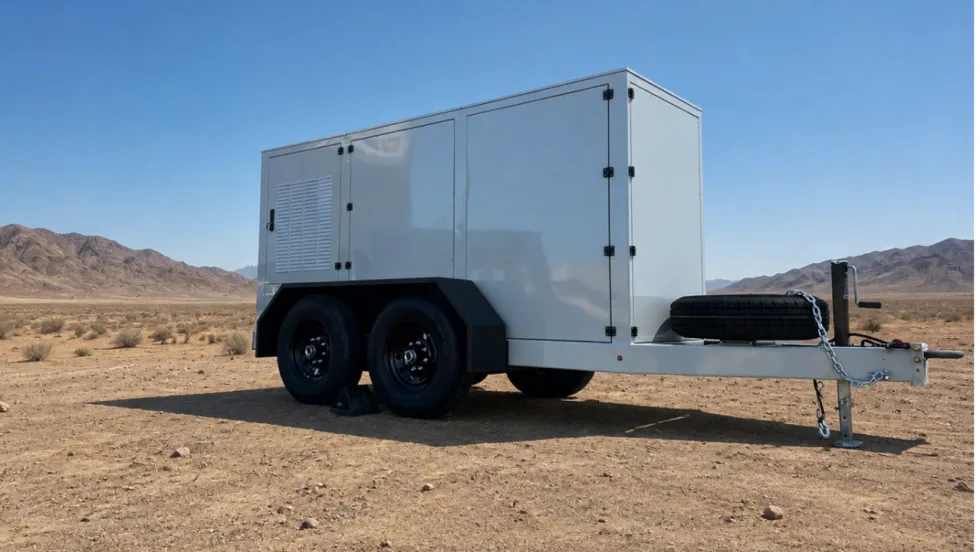
Xos Hub Surpasses One Gigawatt-Hour of Energy Delivered in the Field
A single Xos Hub has surpassed one gigawatt-hour of energy across more than 33,600 charging sessions in the field, demonstrating performance that supports Xos' expansion across new products and markets.
Read More →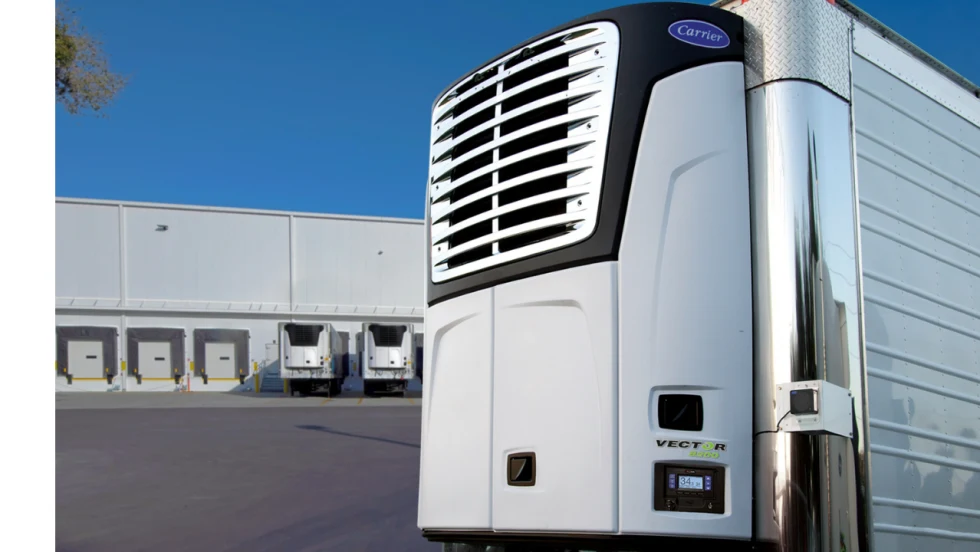
Carrier Transicold Launches All-Electric Vector 8200 TRU for Diesel-Free On-Site Cold Storage
Carrier Transicold’s first engineless multi-temperature TRU helps fresh- and frozen-food fleets add supplemental cold storage capacity during seasonal peaks.
Read More →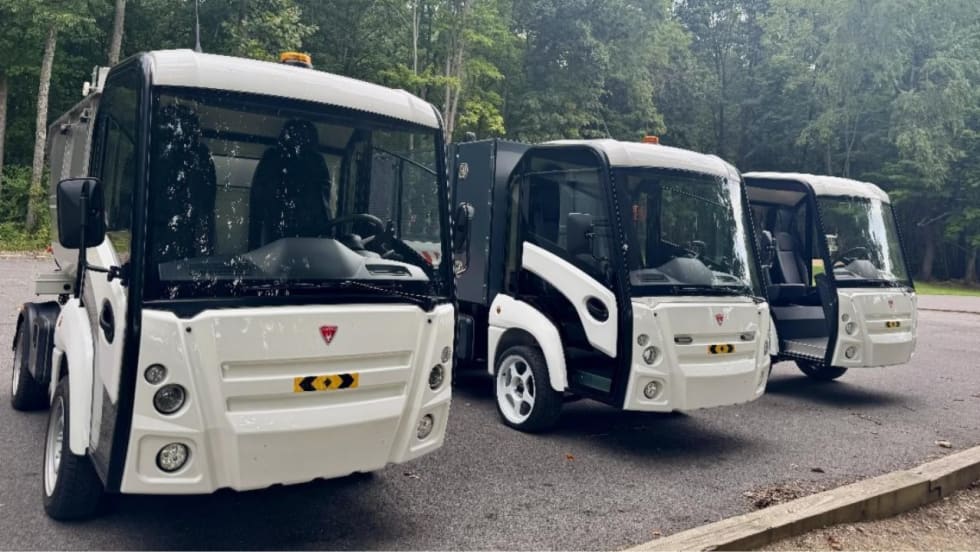
Narro Trucks Introduces Electric Utility Vehicle
Narro Trucks officially launched its operations on Aug. 20 and hosted a ride and drive to showcase its electric truck, which will be produced in Virginia.
Read More →
Samsung SDI Takes Full Control of GM Battery JV as Indiana Plant Pivots to Energy Storage
Samsung SDI is taking full control of its Indiana battery plant with GM, marking a major shift from the EV-focused joint venture Charged Fleet first covered in 2023.
Read More →
NWSA Taps CALSTART to Administer Zero-Emission Drayage Assistance Program
CALSTART will provide free technical assistance services to drayage fleets serving the Ports of Seattle and Tacoma and looking to transition to cleaner technologies and help decarbonize freight hubs.
Read More →
EV Fleet Reality Check: What Operators Wish They Knew Before Electrifying Their Work Vans
Electric work truck upfits bring new compatibility questions. Learn how parts availability, OEM guidance, power demands, and route planning can affect fleet performance.
Read More →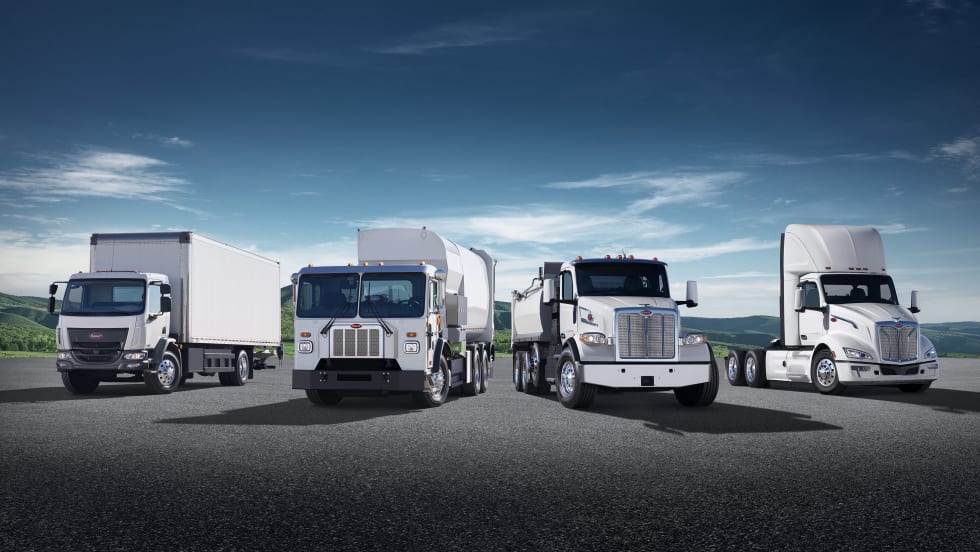
Peterbilt Expands Sourcewell Partnership with Electric Vehicle Lineup
Peterbilt Motors Company’s cooperative purchasing agreement with Sourcewell and its Canadian partner, Canoe Procurement Group, now includes including Peterbilt's battery-electric vehicle lineup.
Read More →