




Study: Carbon Emissions Drop 17% Globally in April During Coronavirus
The sharpest decline came from reduced traffic from trucks, buses, and cars.

When the sky is clear over Los Angeles, the San Gabriel Mountains are visible.
Photo via Wikimedia Commons/Todd Jones.
An analysis published today in the journal Nature Climate Change finds that daily global carbon dioxide emissions compared to global averages from 2019 have declined 17% globally during the height of the coronavirus pandemic.
This is believed to be the largest carbon emissions drop in recorded history.
As a result of stay-at-home orders and travel barriers, daily carbon dioxide emissions in early April decreased by about 18.7 million tons around the world compared to average daily emissions last year. These levels were last observed in 2006, according to the study.
The study uses different models to predict the annual drop in carbon emissions for this year, which could be 4% to 7%, the study found.
About 43% of the total decrease came from reduced traffic from trucks, buses, and cars. Emissions from industrial activities fell by 19%.
Emissions from air travel fell by 60%. However, that decline only accounts for 2.8% of yearly global carbon emissions.
As the drop is a result of global trauma — and not policy change — the drop will be erased, the study facilitators warn. “Government actions and economic incentives postcrisis will likely influence the global CO2 emissions path for decades,” the study’s abstract states.
Originally posted on Automotive Fleet
More Green Fleet

Fleet Forward Conference Introduces One-Day Passes for 2026
New one-day registration gives fleet professionals the flexibility to attend Tuesday, Wednesday, or Thursday, with passes available for $199 through Sept. 18.
Read More →
CALSTART Rebrands as Catalyst Mobility, Will Combine with Forth in 2027
CALSTART has rebranded as Catalyst Mobility and will combine with Forth at the start of 2027. The new organization said it is poised to become one of the world's largest, strongest, and most impactful clean transportation nonprofits.
Read More →
Electric Truck and Charging Programs to Boost Sustainability at NY & NJ Ports
Together, the Port Authority of New York and New Jersey and CALSTART will electrify drayage and terminal operations serving the East Coast’s busiest container port. A pair of incentive programs totaling $45 million has launched to accelerate adoption of zero-emission drayage trucks and terminal tractors.
Read More →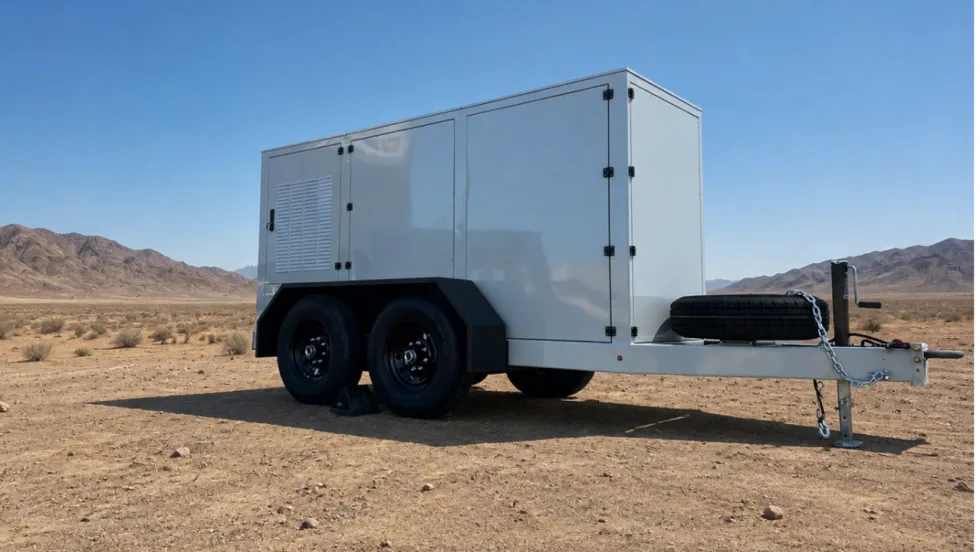
Xos Hub Surpasses One Gigawatt-Hour of Energy Delivered in the Field
A single Xos Hub has surpassed one gigawatt-hour of energy across more than 33,600 charging sessions in the field, demonstrating performance that supports Xos' expansion across new products and markets.
Read More →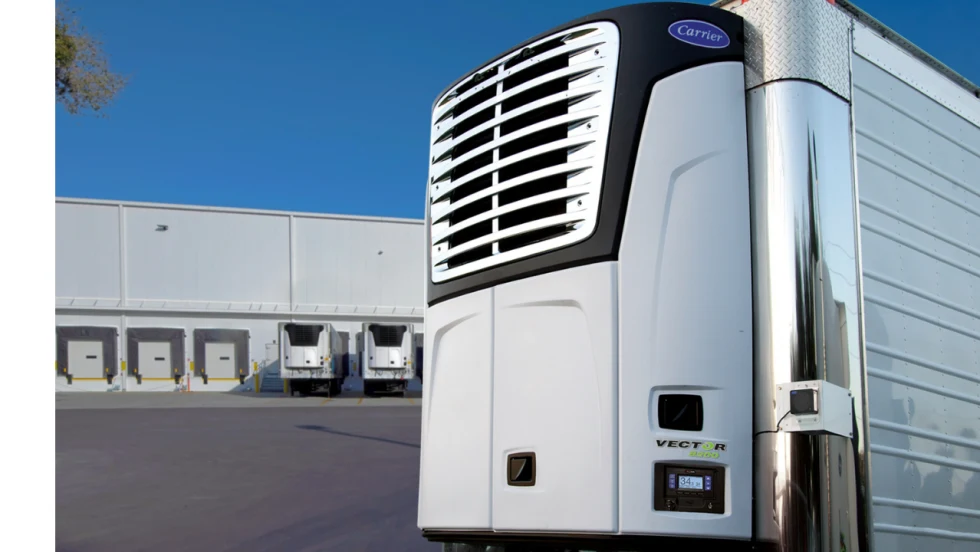
Carrier Transicold Launches All-Electric Vector 8200 TRU for Diesel-Free On-Site Cold Storage
Carrier Transicold’s first engineless multi-temperature TRU helps fresh- and frozen-food fleets add supplemental cold storage capacity during seasonal peaks.
Read More →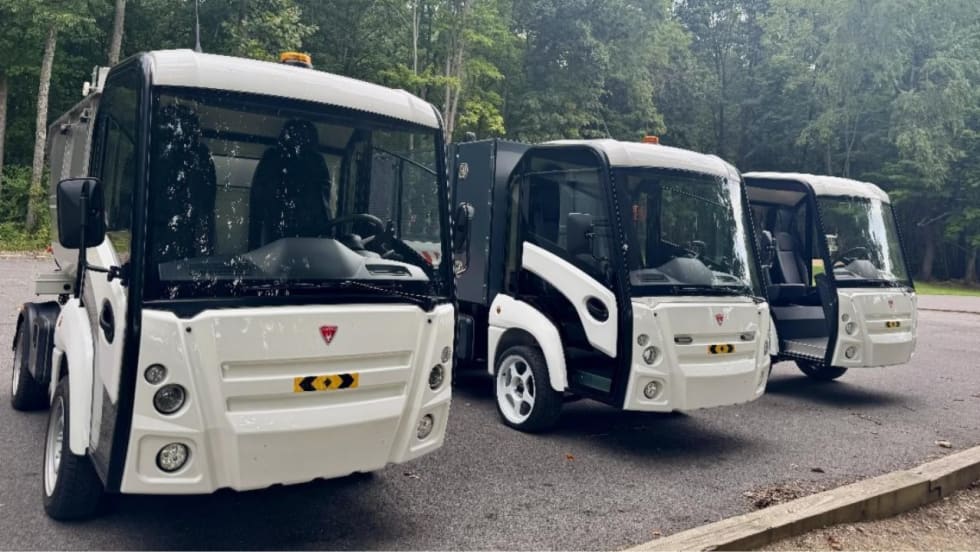
Narro Trucks Introduces Electric Utility Vehicle
Narro Trucks officially launched its operations on Aug. 20 and hosted a ride and drive to showcase its electric truck, which will be produced in Virginia.
Read More →
Samsung SDI Takes Full Control of GM Battery JV as Indiana Plant Pivots to Energy Storage
Samsung SDI is taking full control of its Indiana battery plant with GM, marking a major shift from the EV-focused joint venture Charged Fleet first covered in 2023.
Read More →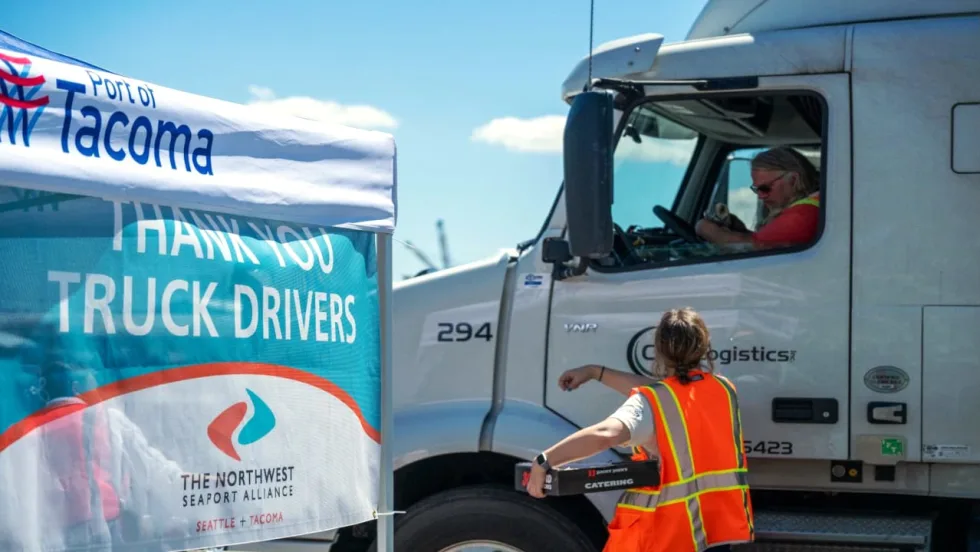
NWSA Taps CALSTART to Administer Zero-Emission Drayage Assistance Program
CALSTART will provide free technical assistance services to drayage fleets serving the Ports of Seattle and Tacoma and looking to transition to cleaner technologies and help decarbonize freight hubs.
Read More →
EV Fleet Reality Check: What Operators Wish They Knew Before Electrifying Their Work Vans
Electric work truck upfits bring new compatibility questions. Learn how parts availability, OEM guidance, power demands, and route planning can affect fleet performance.
Read More →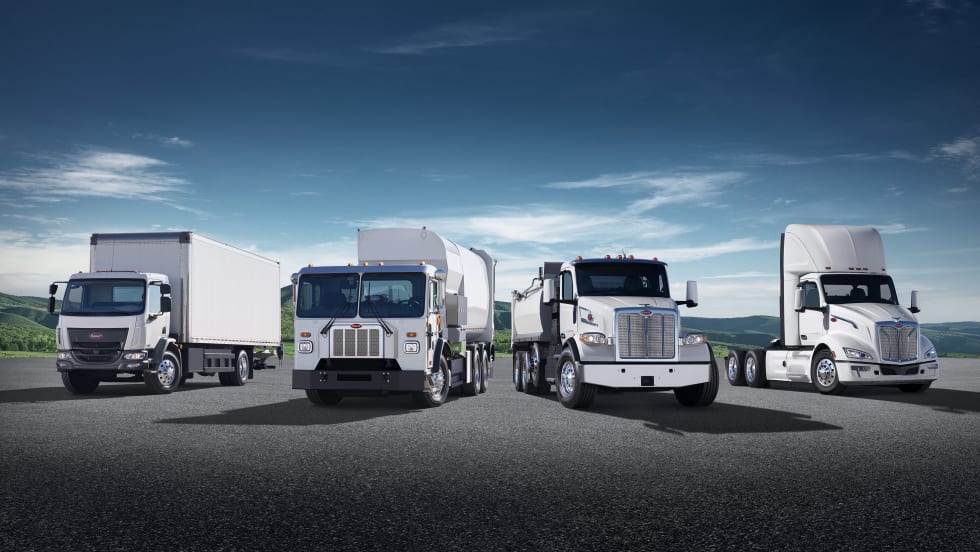
Peterbilt Expands Sourcewell Partnership with Electric Vehicle Lineup
Peterbilt Motors Company’s cooperative purchasing agreement with Sourcewell and its Canadian partner, Canoe Procurement Group, now includes including Peterbilt's battery-electric vehicle lineup.
Read More →