




Solar Gard Window Film Permitted on Large Trucks to Protect Drivers from Cancer Causing UV-A Rays
SAN DIEGO - Solar Gard, a manufacturer of architectural and automotive window films and a member of the International Window Film Association (IWFA), announced the availability of Solar Gard Ultragard UV, a new window film designed to meet the specific needs of the trucking industry.
SAN DIEGO - Solar Gard, a manufacturer of architectural and automotive window films and a member of the International Window Film Association (IWFA), announced the availability of Solar Gard Ultragard UV, a new window film designed to meet the specific needs of the trucking industry.
Until recently, it was believed that window film could not be applied to the side windows of large truck cabs, leaving drivers exposed to damaging UV radiation. Recognizing the severity of the issue, the IWFA consulted with the U.S. Department of Transportation’s Federal Motor Carrier Safety Administration (FMCSA) - resulting in a clarification of the safety rule to allow for the application of “clear” window films. Since the majority of large trucks in the U.S. do not have laminated side windows, drivers have remained unprotected against cancer causing UV-A rays until now.
Solar Gard Ultragard UV window film meets the FMCSA requirements, providing the trucking industry with an optimal solution to protect drivers. Recommended by the Skin Cancer Foundation, Solar Gard Ultragard UV shields 99 percent of damaging UV-A and UV-B rays that cause sun damage and skin cancer.
Studies have shown that 53 percent of skin cancer cases in the U.S. occur on the left side of the body, or the driver’s side.1 Exacerbating this frightening statistic, truck drivers spend up to 60 hours per week on the road, which puts them at a higher risk than the average driver for skin cancer or melanoma. With this clarification of safety regulations, truck drivers, fleet owners and managers can install a protective window film with over 70 percent net Visible Light Transmittance (VLT) on the side windows of trucks weighing over 26,001 pounds. For lighter vehicles, vans and cars, window film is already permitted as long as it adheres to local tint laws. Solar Gard Ultragard UV meets the tint law requirements in nearly all 50 states.
“For many years, Solar Gard has been driving awareness of the risk of harmful UV exposure through unprotected glass. It’s of significant relief and excitement to see the IWFA and FMCSA usher in such great change for the industry and for the health of truck drivers nationally,” said Kathryn Giblin, Director of Global Marketing and Technical Services, Solar Gard. “The current estimate is that one in five Americans will develop skin cancer in their lifetime2, therefore, it is imperative drivers are protected. This is a monumental milestone in our industry for both fleet owners and drivers.”
Backed by over 30 years of experience in the window film industry, Solar Gard is a division of Saint-Gobain Performance Plastics, a company renowned for its innovative solutions in the automotive and transportation industries. Ultragard UV window film offers many benefits to the trucking industry, including:
Allows transmission of 89% of visible light
Rejects 99% of damaging UV-A and UV-B rays
Unaltered window clarity for maximum visibility
Recommended by the Skin Cancer Foundation
For more information on how Ultragard UV window film can protect you and your fleet drivers, please contact Rob Garlo at fleetsales@solargard.com, visit www.solargard.com/us/fleets or call (877) 273-4364.
1According to a study published in the Journal of the American Academy of Dermatology by the St. Louis School of Medicine, 2010.
2American Cancer Society, Cancer Facts & Figures 2010
More Safety & Compliance
Navigating the Effects of Daylight Saving Time on Work Truck Fleets
Discover how daylight saving time impacts work truck fleets and get essential tips for fleet managers and drivers to navigate the "fall back" transition.
Read More →
How Halloween Changes the Job for Work Truck Drivers
Truck traffic doesn’t take the same Halloween break as other drivers. What fleet managers should know about timing, neighborhood stops, and braking data.
Read More →
Tips for Driving Safely on Halloween Night
This video features a reminder from the Connecticut Department of Transportation (DOT) and the Connecticut Police Chiefs Association, urging drivers to prioritize safety this Halloween.
Read More →From Our Partners



Re-rating Gross Vehicle Weight Ratings (GVWR): Why and How it's Done
Sometimes, it is not in a fleet’s best interests to have a vehicle at a given GVWR. Changing the GVWR to a special value can be done, but the process is complicated.
Read More →
When a Work Truck Gets Stolen, the Real Loss Is Time
A stolen work truck can take more than a vehicle off the road. From tools and access cards to crew downtime, here’s how fleets can prepare for theft before it disrupts the entire workday.
Read More →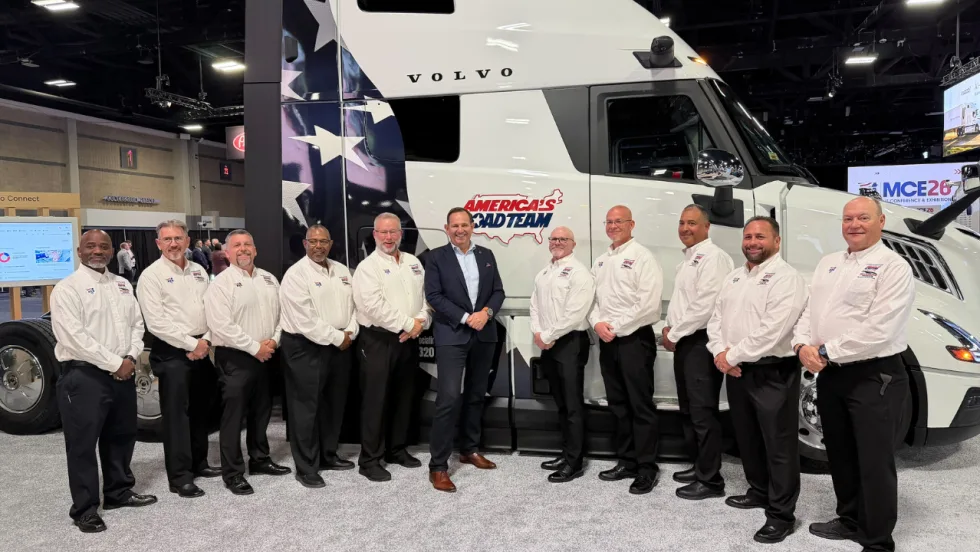
Volvo Trucks Marks 25 Years as Exclusive Sponsor of America's Road Team
Volvo Trucks North America will serve as the exclusive sponsor of the American Trucking Associations' America's Road Team, marking 25 years of Volvo sponsorship. The group of professional drivers promotes safety and the industry as they travel the country.
Read More →
Streamlight’s High-Output Scene Light Recognized with Occupational Safety Award
Streamlight’s Portable Scene Light III (PSL III) won the 2026 Occupational Health & Safety (OH&S) New Product of the Year Award in the Lighting category.
Read More →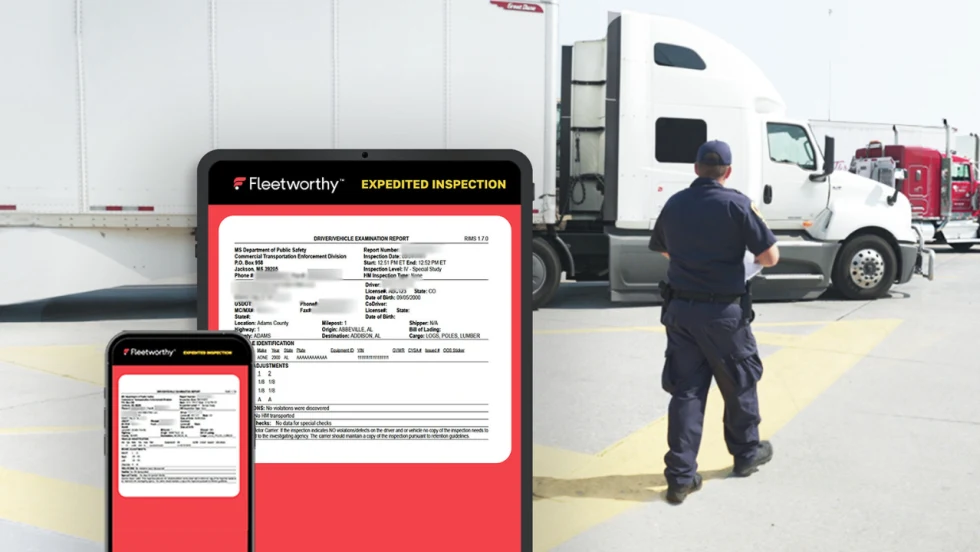
Fleetworthy Expands Expedited Inspection to 5 States
Following its industry-first launch in Nevada, Fleetworthy’s automated inspection technology is now live in California, Michigan, Vermont, and Maine.
Read More →
Crossing State Lines in a Light-Duty Work Truck? Check These Rules First
Crossing state lines in a lighter work truck? J.J. Keller's Kathy Close explains when IRP registration, trip permits, and towing rules come into play.
Read More →
Simple Tire Checks That Help Keep Your Business Fleet Moving
A survey found that nearly one in every 10 passenger vehicles has at least one bald tire. What's more, 27% -- more than one in four -- of vehicles are driven with one or more severely under-inflated tires.
Read More →