




Smith Electric to Open Manufacturing Facility in Chicago
CHICAGO – Smith Electric Vehicles will open an electric vehicle (EV) manufacturing facility in Chicago, and provided an update on the deployment of vehicles by FedEx Express and Coca-Cola.
CHICAGO – Chicago Mayor Rahm Emanuel and Smith Electric Vehicles announced that Smith Electric Vehicles (SEV) will open an electric vehicle (EV) manufacturing facility in Chicago, creating hundreds of direct and indirect jobs and boosting the already rapidly growing battery and electric vehicle sector in the City.
In addition to the announcement of the manufacturing facility, Smith provided an update on two of its global fleet customers. FedEx Express has initiated the deployment of 100 Smith vehicles in the U.S., adding to the electric vehicles already in service throughout the company’s global fleet.
“FedEx continually works toward goals to increase fuel efficiency and reduce emissions of its global vehicle fleet in big and small ways,” said Dennis Beal, Vice President of Global Vehicles at FedEx Express. “Electric vehicles are often conducive to operate on routes in urban environments like Chicago, where FedEx introduced the first purpose-built all-electric parcel delivery trucks in the United States in 2010.”
Coca-Cola’s pilot deployment of Smith Electric Vehicles has been successful. The Company plans to deploy additional electric vehicles in 2013.
“These electric vehicles meet our delivery needs while significantly reducing direct greenhouse gas emissions,” commented Steven Saltzgiver, director of fleet operations, Coca-Cola Refreshments. “Mayor Emanuel’s incentive program is evidence of his commitment to building a more sustainable Chicago. We are proud to support this effort by deploying electric vehicles in Chicago as part of Coca-Cola’s expanding alternative fuel vehicle fleet.”
SEV’s decision to locate a facility in Chicago is influenced by the Mayor’s innovative voucher system created to accelerate the conversion from diesel to zero-emission, all-electric commercial vehicles, the large number of fleets interested in vehicle electrification, and the development incentives made available to Smith.
“I’m proud to welcome another growing company with a great mission to Chicago. Soon hundreds of Chicagoans will be able to put their skills to use providing businesses worldwide with high-quality, zero-emission, American-made vehicles,” said Mayor Emanuel. “Smith Electric Vehicles is an innovative company in a forward-looking, essential industry that is a central part of Chicago’s economic future.”
Smith is one of the world’s leading manufacturers of all-electric commercial vehicles, which are zero-emission and less expensive to own and operate when compared with traditional diesel trucks. The company produces trucks for multiple industries, including food & beverage, utility, telecommunications, retail, grocery, parcel and postal delivery, school transportation, military and government. Smith’s customers include many of the world’s largest fleet operators, including PepsiCo’s Frito-Lay division, FedEx, Staples, TNT, Sainsbury’s, Coca-Cola, DHL, and the U.S. Military.
Chicago will be Smith’s third location in the United States, joining their headquarters in Kansas City, Mo., and a manufacturing facility in New York City.
Additionally, the Chicago Department of Transportation (CDOT), under the Mayor’s leadership, has announced a comprehensive, $15 million incentive program that will encourage companies and individuals to modernize their fleets and convert to electric vehicles. The first of its kind in the US, this plan rewards fleets on an increasing scale for replacing their most diesel-consuming vehicles. The program’s initial $15M is funded by resources from the federal Congestion Mitigation Air Quality (CMAQ) program and will provide vouchers to assist companies in reducing the costs of converting their vehicles to electric. The City is also considering additional incentives such as preferential loading zones and decreased registration costs to complement the voucher program. Fleets can stack the State of Illinois’ Alternative Fuel Vehicle and EV Charging Station Rebates on top of the City’s incentive. Through similar federally funded incentive programs, the City has helped deploy 404 cleaner vehicles, including 159 compressed natural gas (CNG) livery/taxi vehicles and 223 alternative fuel stations, including 17 CNG and 202 electric vehicle charging stations – the densest network of any major city. These vehicles and stations have displaced 200,000 barrels of oil and reduced greenhouse gas emissions by 2,850 tons.
“A mass urban deployment of commercial electric vehicles is an important next step in catalyzing mainstream adoption,” said Smith CEO Bryan Hansel. “Chicago’s location, commitment to adoption in municipal fleets, concentration of commercial vehicles, talented workforce and importance to the global business community make it a perfect choice to grow our company and this industry. The leadership being shown with the mayor’s CDOT voucher program is a prime example of how Chicago is creating the template for a new energy city.”
Smith Electric Vehicles is currently considering locations for its manufacturing facility in conjunction with City officials. The company expects to begin hiring efforts immediately and announce this new location when the incentive and development packages tied to the site are complete.
More Green Fleet

Fleet Forward Conference Introduces One-Day Passes for 2026
New one-day registration gives fleet professionals the flexibility to attend Tuesday, Wednesday, or Thursday, with passes available for $199 through Sept. 18.
Read More →
CALSTART Rebrands as Catalyst Mobility, Will Combine with Forth in 2027
CALSTART has rebranded as Catalyst Mobility and will combine with Forth at the start of 2027. The new organization said it is poised to become one of the world's largest, strongest, and most impactful clean transportation nonprofits.
Read More →
Electric Truck and Charging Programs to Boost Sustainability at NY & NJ Ports
Together, the Port Authority of New York and New Jersey and CALSTART will electrify drayage and terminal operations serving the East Coast’s busiest container port. A pair of incentive programs totaling $45 million has launched to accelerate adoption of zero-emission drayage trucks and terminal tractors.
Read More →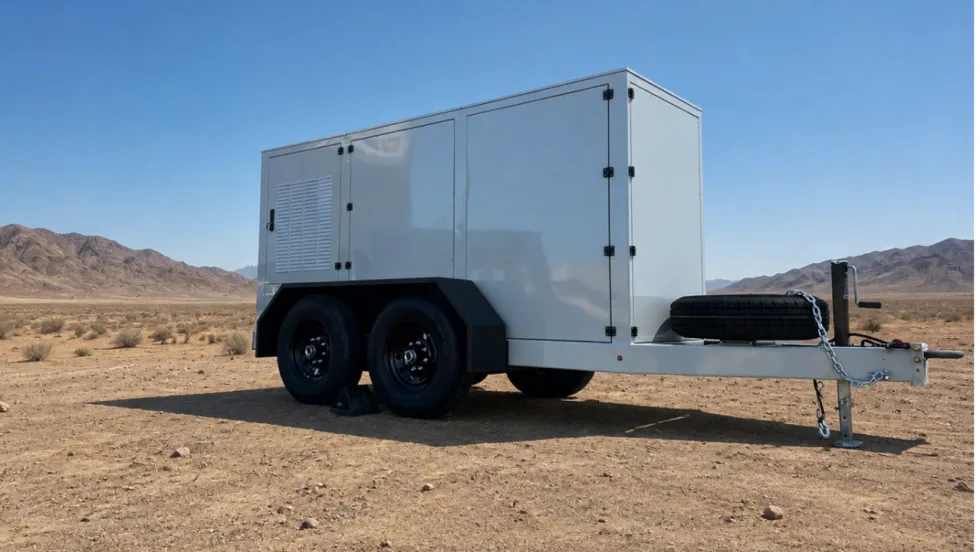
Xos Hub Surpasses One Gigawatt-Hour of Energy Delivered in the Field
A single Xos Hub has surpassed one gigawatt-hour of energy across more than 33,600 charging sessions in the field, demonstrating performance that supports Xos' expansion across new products and markets.
Read More →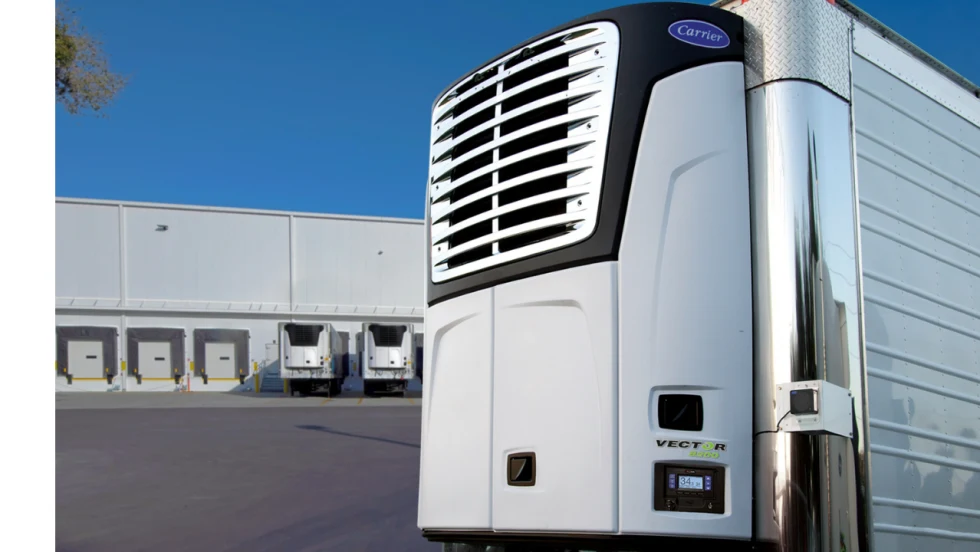
Carrier Transicold Launches All-Electric Vector 8200 TRU for Diesel-Free On-Site Cold Storage
Carrier Transicold’s first engineless multi-temperature TRU helps fresh- and frozen-food fleets add supplemental cold storage capacity during seasonal peaks.
Read More →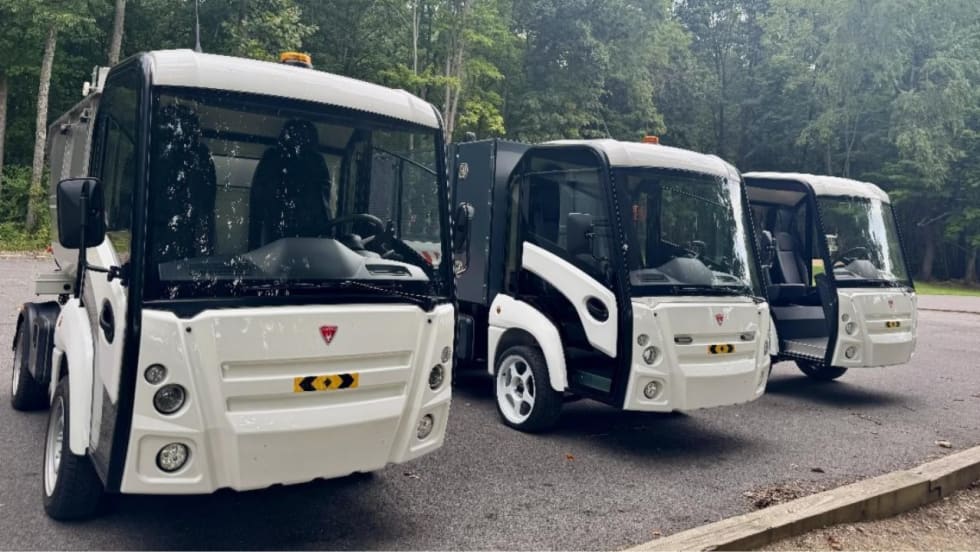
Narro Trucks Introduces Electric Utility Vehicle
Narro Trucks officially launched its operations on Aug. 20 and hosted a ride and drive to showcase its electric truck, which will be produced in Virginia.
Read More →
Samsung SDI Takes Full Control of GM Battery JV as Indiana Plant Pivots to Energy Storage
Samsung SDI is taking full control of its Indiana battery plant with GM, marking a major shift from the EV-focused joint venture Charged Fleet first covered in 2023.
Read More →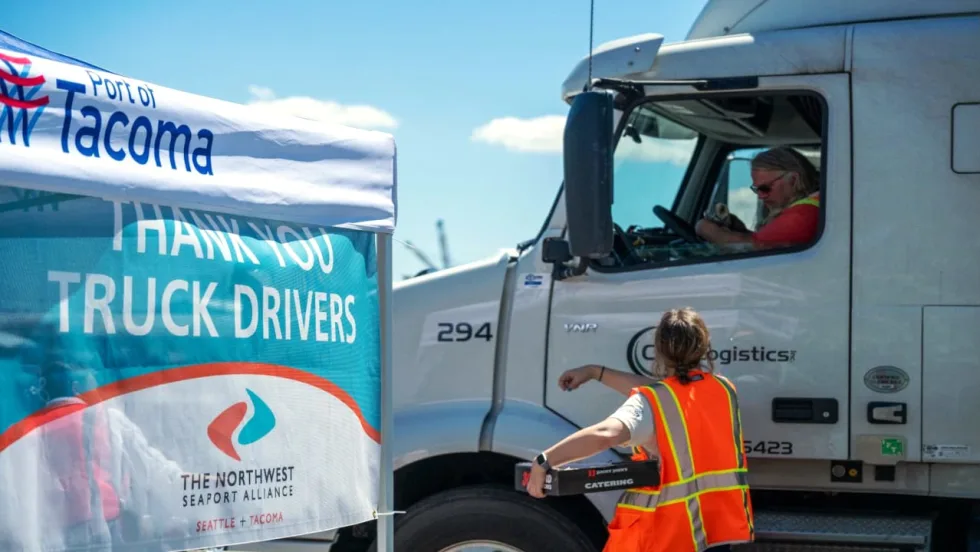
NWSA Taps CALSTART to Administer Zero-Emission Drayage Assistance Program
CALSTART will provide free technical assistance services to drayage fleets serving the Ports of Seattle and Tacoma and looking to transition to cleaner technologies and help decarbonize freight hubs.
Read More →
EV Fleet Reality Check: What Operators Wish They Knew Before Electrifying Their Work Vans
Electric work truck upfits bring new compatibility questions. Learn how parts availability, OEM guidance, power demands, and route planning can affect fleet performance.
Read More →
Peterbilt Expands Sourcewell Partnership with Electric Vehicle Lineup
Peterbilt Motors Company’s cooperative purchasing agreement with Sourcewell and its Canadian partner, Canoe Procurement Group, now includes including Peterbilt's battery-electric vehicle lineup.
Read More →