




Seat Belt Usage Among Commercial Vehicle Drivers Low
SAN DIEGO --- DriveCam Inc., a driver risk management company, announced that seat belt usage statistics remain low despite tougher seat belt laws and stringent corporate policies.
SAN DIEGO --- DriveCam Inc., a driver risk management company, announced that seat belt usage statistics remain low despite tougher seat belt laws and stringent corporate policies.
DriveCam analysis of risky driving behavior data gathered from 1,985 commercial motor vehicle (CMV) drivers in the distribution sector reveals that 1,286, or nearly 65 percent, of them had at least one seat belt violation.
DriveCam's analysis follows the Federal Motor Carrier Safety Administration's release of its Safety Belt Usage by Commercial Motor Vehicle Drivers 2007 Survey earlier this year. The survey provides estimates of seat belt use by drivers and other occupants of medium- and heavy-duty CMVs at 654 sites. The survey revealed that the 2007 overall safety belt usage rate for drivers of all medium- and heavy-duty trucks and buses combined was 65 percent.
"The Federal Motor Carrier Safety Administration's survey inspired us to conduct our own analysis of data gathered in our repository of more than 7 million risky driving behaviors and we found that seat belt usage rates were even lower among drivers already exhibiting other risky driving behaviors," said Del Lisk, vice president of safety services at DriveCam. "In other words, drivers taking more risk behind the wheel were less likely to buckle up. Despite legislation, awareness campaigns and corporate mandates that drivers buckle up, only 35 percent of drivers in video meta data we reviewed were constantly wearing seat belts."
Exceptional forces such as hard braking, sudden acceleration, swerving or collision trigger DriveCam's in-vehicle video event recorders to capture critical seconds of sights and sounds inside and outside vehicles. Certified driving risk analysts review saved events, assign them a risk score and forward with comments to fleet managers so they can discuss the events with drivers and provide coaching to improve driving behavior. When they review risky driving events, analysts note whether or not drivers were wearing seat belts "Often, our fleet customers overestimate their seat belt compliance rates and are shocked when they realize that many of their drivers routinely do not buckle up," added Lisk. "Without DriveCam's video evidence, they would have no way of knowing what percentage of drivers are actually wearing seat belts when they are out in the field."
More Safety & Compliance
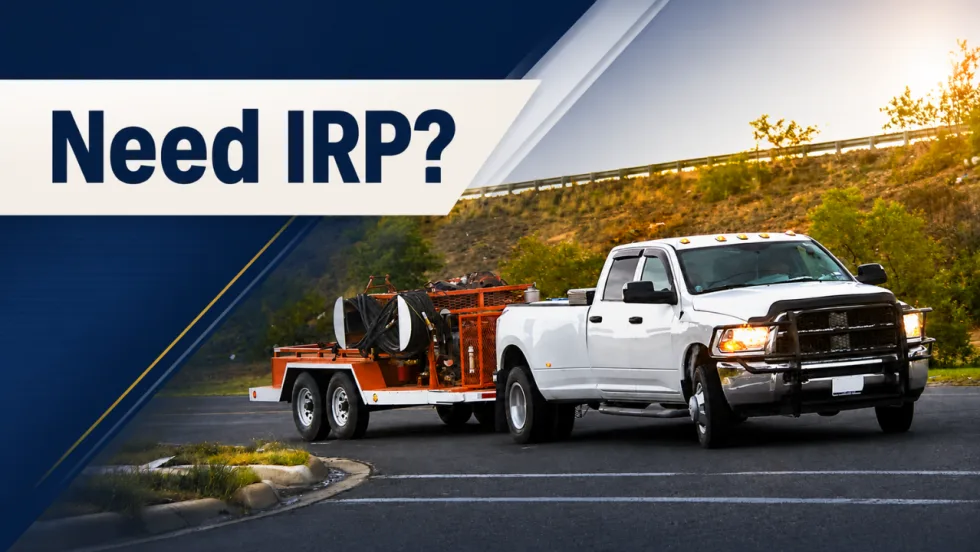
When Work Trucks Under 26,001 Pounds Need IRP Registration
Think trucks under 26,001 pounds are automatically in the clear when it comes to IRP? Not always. Learn where lighter vehicles can still run into trip permit, apportioned registration, and IFTA compliance requirements when crossing state or provincial lines.
Read More →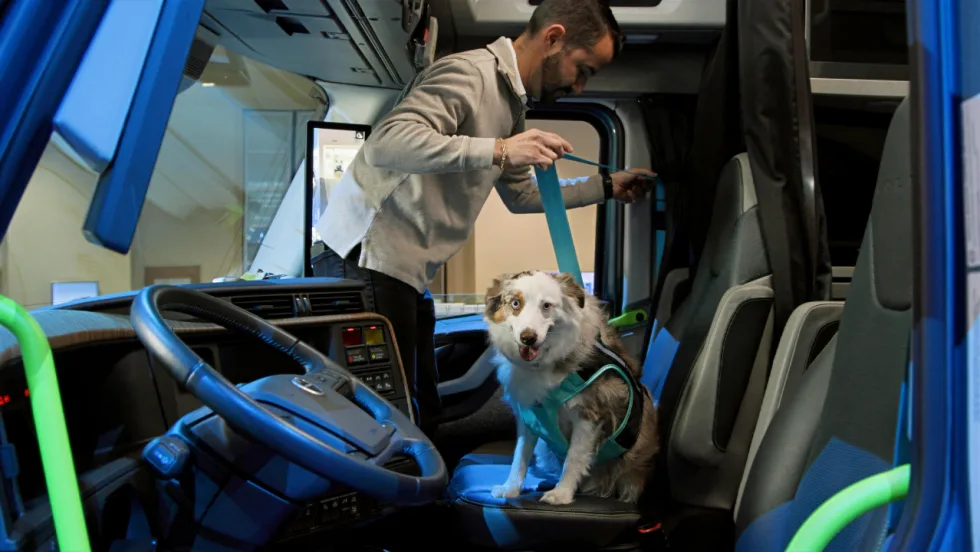
Volvo Trucks Releases New Safety Recommendations for Traveling with Pets
One of the most important recommendations for professional drivers traveling with pets is to ensure pets are properly restrained while the truck is moving. Other tips are available in the new guide from Volvo Trucks North America and Center for Pet Safety.
Read More →
API Issues Refueling Safety Guidelines
The American Petroleum Institute offers a list of safe vehicle refueling guidelines, including ways to avoid potential problems with static electricity discharges in fall, winter, and early spring.
Read More →
Winter Fleet Prep: Expert Tips to Keep Vehicles Running Smoothly
Cold weather can expose weak batteries, tires, fuel systems, and maintenance gaps fast. Use this winter fleet checklist to prepare trucks and drivers before temperatures drop.
Read More →
When a Work Truck Breaks Down, the Job Can Stop, Too
A work truck breakdown can stop more than the vehicle. Discover how payloads, jobsites, and specialty equipment change the roadside response.
Read More →
What Stronger Long-Term Fleet Service Partnerships Actually Require
Fleet service partnerships rarely fall apart all at once. Learn the three warning signs that trust is eroding and what fleets and providers can do before downtime, frustration, and lost revenue follow.
Read More →
Applause & TRUCE Software Partner to Improve Driver Safety Through AI-Powered Telematics & Employee Performance Management
Applause has integrated TRUCE driving metrics directly into its employee-first performance and safety platform that transforms mobile devices into AI-powered telematics.
Read More →
How Detroit Assurance with Active Brake Assist Works
Do you want to see what it is like to experience Detroit Assurance’s Active Brake Assist? In this video, Work Truck will put you in the cab to see how it all works and then hear more details from DTNA’s Mike Young.
Read More →
Get Left of Loss: A 5-Step Workplace Violence Prevention Framework for Fleet Operators
Violence risks do not stop at the driver’s door. Learn five practical steps fleets can take to spot threats early and protect workers before loss occurs.
Read More →
How Better Visibility Cut Speeding Violations by 48%
Fleet leaders don't need more data, they need clearer visibility into what the data is saying. This case study explores how one utility replaced speeding-event counts with a single metric — miles driven in violation — to strengthen safety and significantly reduce speeding violations.
Read More →