





Related: How Dash Cams Improved Safety at Florida Construction Fleet
Samsara Brings AI into the Truck Cab
Samsara announced several new safety features that bring artificial intelligence (AI) into the cab and offer more advanced reporting tools for safety managers.
July 1, 2020
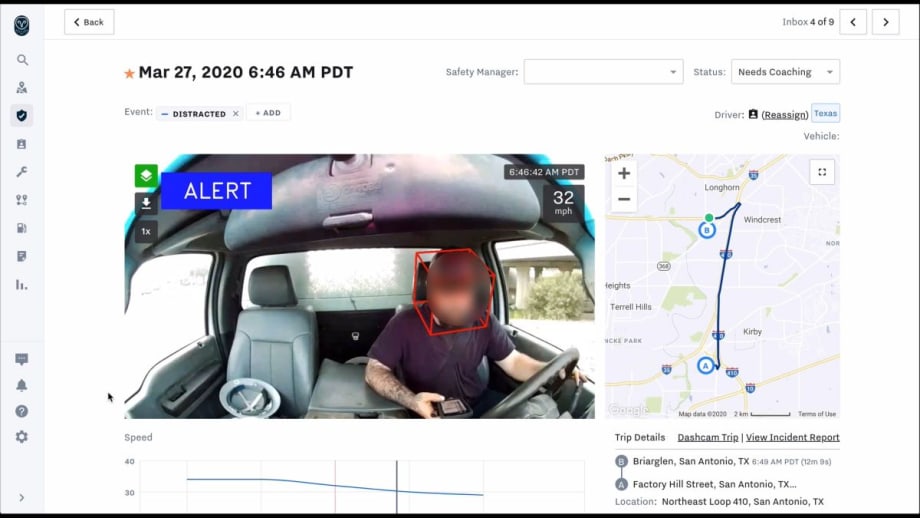
Safety managers can also turn on optional in-cab alerts to warn drivers when they are tailgating at an unsafe speed, based on a minimum speed threshold that you can configure in your dashboard.
Photo: Samsara
4 min to read
Samsara has announced several new safety features that bring artificial intelligence (AI) into the cab and offer more advanced reporting tools for safety managers.
When it comes to safety, today’s fleets face more challenges than ever before. Samsara data shows a 20% increase in severe speeding over the past few months, which is a leading cause of
preventable accidents, along with distracted driving and tailgating. In addition to being a safety hazard, these risky behaviors can put a fleet out of business. In fact, a recent Frost & Sullivan report found that fatal accidents cost $10.8M on average.
The new AI safety features include:
Tailgating Detection: Automatically detect when drivers are following other vehicles too closely at high speeds and auto-upload these incidents to the dashboard for video-based coaching.
Distracted Driving Detection: Gain visibility into the prevalence of distracted driving within your fleet and gather insights to positively change this behavior.
Preventive In-Cab Alerts: Deliver in-cab alerts to drivers when tailgating and/or distracted driving is detected to help adjust risky behavior.
Configurable Safety Score: Customize how your driver and fleet Safety Scores are calculated by assigning specific weights to harsh events, speeding severity, defensive driving, and more.
Enhanced Safety Report: See even more detailed data on speeding severity and behavior trends across your fleet.
Altogether, these new features help safety managers prevent accidents before they happen, identify critical safety data, and tailor their safety program to their unique goals, according to the company.
Of all commercial motor vehicle crashes, 87% are the result of driver behavior or driver error, according to the NSTSCE. With this new feature launch, Samsara’s advanced AI can now detect high-risk behavior (tailgating and distracted driving) without a harsh event occurring. Combined with optional in-cab alerts, this makes it possible to minimize risky behavior and prevent accidents before they happen.
Tailgating is the leading cause of rear-end collisions, causing more than 1,700 deaths and 500,000 injuries per year. Samsara AI Dash Cams (CM31 or CM32 models) can now detect when drivers are following other vehicles too closely and auto-upload footage to the cloud. Safety managers can also turn on optional in-cab alerts to warn drivers when they are tailgating at an unsafe speed, based on a minimum speed threshold that you can configure in your dashboard.
Distracted driving is the leading cause of avoidable driving incidents, causing more than 2,800 deaths and 400,000 injuries annually. This is a risk to the general public and drivers themselves, too. In fact, truck drivers who are distracted are 23.2-times more likely to be involved in a crash or near-crash, according to Samsara. Without visibility into distracted driving on the road, it can be difficult to coach drivers on this risky behavior until it’s too late, and a collision has already occurred.
Samsara's dual-facing AI dash cams can now detect distracted driving without a harsh event (like a harsh brake or turn) occurring. Like tailgating, safety managers can also turn on optional in-cab alerts to remind drivers to stay focused on the road when they become distracted, so you can help encourage safer behavior in real time.
When combined with telematics and dash cams, driver safety programs have been shown to reduce severe safety-critical events by 59%. With this new feature launch, Samsara is providing safety managers in the back office with more robust reporting tools than ever.
Fleets can now adjust how Safety Scores are calculated based on their program’s priorities, goals, and desired incentives. Set specific penalties for different categories of harsh events and speeding severity, and positively reward drivers for defensive driving.
Speeding is a factor in nearly 20% of fatal large truck crashes. With the enhanced Safety Report, you can go beyond simply understanding whether speeding is occurring and see more granular data on speeding severity. Plus, with new aggregated event labels, you can gain visibility into not just one-off safety events, but insights into their trends and root causes. These enhancements allow you to easily understand repeat behavior in the context of frequency and severity and offer more effective, targeted coaching.
More Safety
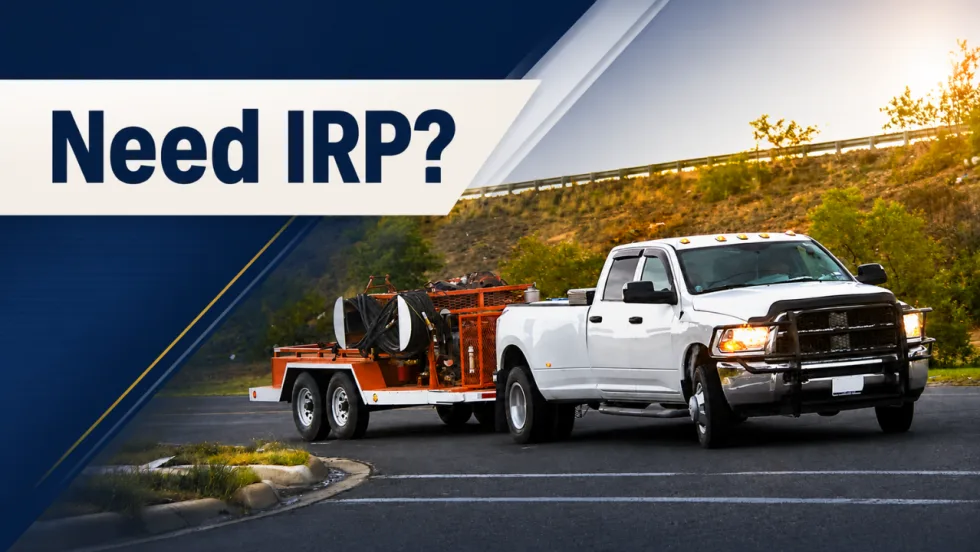
When Work Trucks Under 26,001 Pounds Need IRP Registration
Think trucks under 26,001 pounds are automatically in the clear when it comes to IRP? Not always. Learn where lighter vehicles can still run into trip permit, apportioned registration, and IFTA compliance requirements when crossing state or provincial lines.
Read More →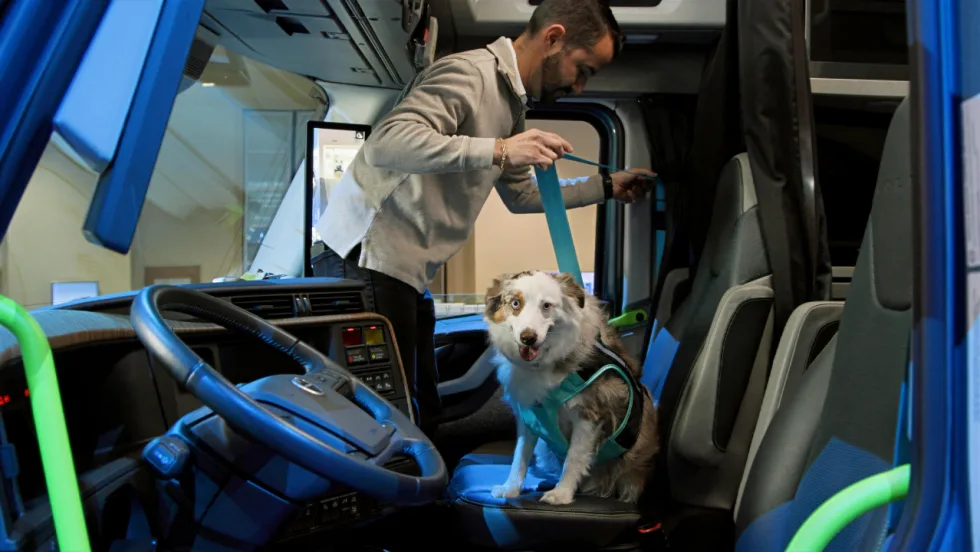
Volvo Trucks Releases New Safety Recommendations for Traveling with Pets
One of the most important recommendations for professional drivers traveling with pets is to ensure pets are properly restrained while the truck is moving. Other tips are available in the new guide from Volvo Trucks North America and Center for Pet Safety.
Read More →
API Issues Refueling Safety Guidelines
The American Petroleum Institute offers a list of safe vehicle refueling guidelines, including ways to avoid potential problems with static electricity discharges in fall, winter, and early spring.
Read More →
Winter Fleet Prep: Expert Tips to Keep Vehicles Running Smoothly
Cold weather can expose weak batteries, tires, fuel systems, and maintenance gaps fast. Use this winter fleet checklist to prepare trucks and drivers before temperatures drop.
Read More →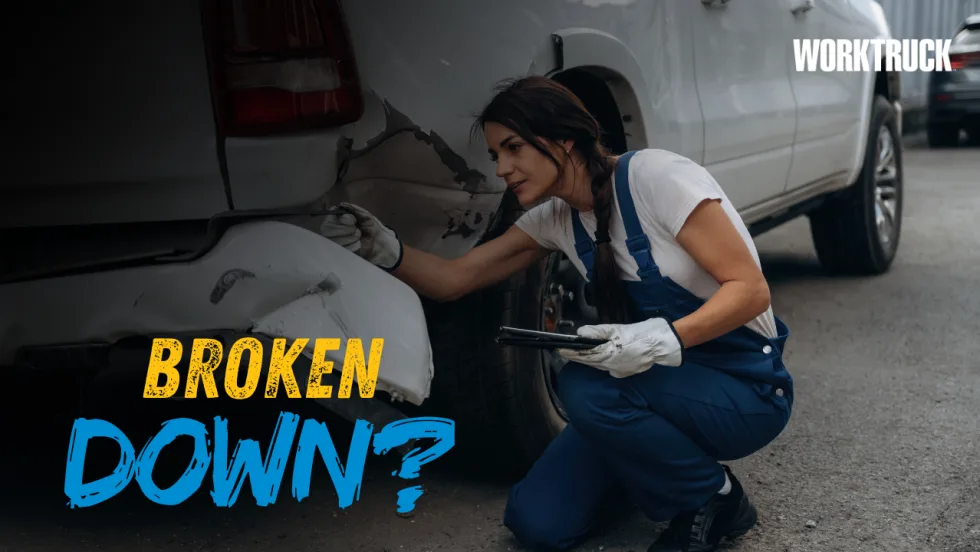
When a Work Truck Breaks Down, the Job Can Stop, Too
A work truck breakdown can stop more than the vehicle. Discover how payloads, jobsites, and specialty equipment change the roadside response.
Read More →
What Stronger Long-Term Fleet Service Partnerships Actually Require
Fleet service partnerships rarely fall apart all at once. Learn the three warning signs that trust is eroding and what fleets and providers can do before downtime, frustration, and lost revenue follow.
Read More →
Applause & TRUCE Software Partner to Improve Driver Safety Through AI-Powered Telematics & Employee Performance Management
Applause has integrated TRUCE driving metrics directly into its employee-first performance and safety platform that transforms mobile devices into AI-powered telematics.
Read More →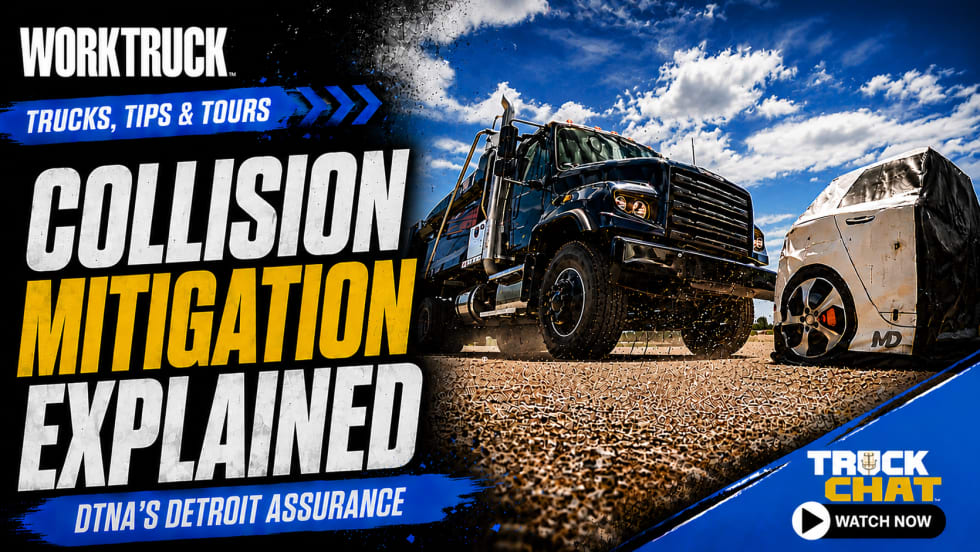
How Detroit Assurance with Active Brake Assist Works
Do you want to see what it is like to experience Detroit Assurance’s Active Brake Assist? In this video, Work Truck will put you in the cab to see how it all works and then hear more details from DTNA’s Mike Young.
Read More →
Get Left of Loss: A 5-Step Workplace Violence Prevention Framework for Fleet Operators
Violence risks do not stop at the driver’s door. Learn five practical steps fleets can take to spot threats early and protect workers before loss occurs.
Read More →
Sponsored•July 17, 2026
How Better Visibility Cut Speeding Violations by 48%
Fleet leaders don't need more data, they need clearer visibility into what the data is saying. This case study explores how one utility replaced speeding-event counts with a single metric — miles driven in violation — to strengthen safety and significantly reduce speeding violations.
Read More →