




Safety Tip: Yielding to First Responders
Here are some tips from the National Highway Traffic Safety Administration that you can pass along to fleet drivers as a friendly reminder.
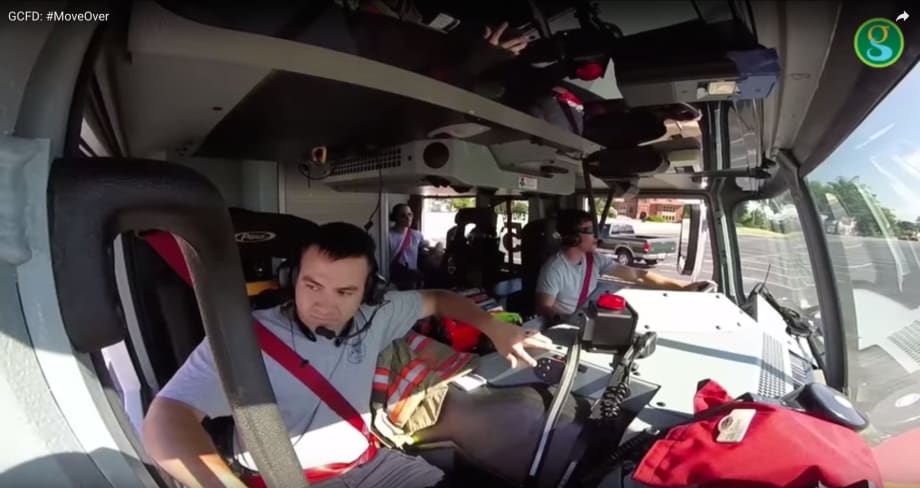
In the past few years, the problem of distracted driving has taken a toll on emergency response times in many communities.
Emergency first responders have increasingly complained that too many drivers are failing to pull over to help clear a path for emergency vehicles running their sirens and flashing their lights.
But distracted driving isn’t always to blame. Some drivers are simply indecisive about how to respond to an approaching siren.
Here are some tips from the National Highway Traffic Safety Administration that you can pass along to fleet drivers as a friendly reminder:
Drive defensively, keep the noise level down in your vehicle, and look for more than one emergency vehicle approaching when you hear a siren.
Check your rear-view mirror, scan in front and on both sides of your vehicle, try to estimate the closing speed of the emergency vehicle, and plan your next move.
React quickly, but calmly, and scan in all directions before pulling over. Always use a turn signal when exiting the roadway and don’t slam on the brakes or pull over suddenly.
Before re-entering the road, make a visual sweep in all directions, turn on your signal, and gradually merge back into traffic.
Don’t stop at a place that doesn’t have enough room to pull over safely and never follow or try to outrun an emergency vehicle.
For more tips, including what to do on a freeway or in heavy traffic, click on the photo or link below the headline to watch a video on the subject.
Originally posted on Automotive Fleet
More Safety & Compliance
Navigating the Effects of Daylight Saving Time on Work Truck Fleets
Discover how daylight saving time impacts work truck fleets and get essential tips for fleet managers and drivers to navigate the "fall back" transition.
Read More →
How Halloween Changes the Job for Work Truck Drivers
Truck traffic doesn’t take the same Halloween break as other drivers. What fleet managers should know about timing, neighborhood stops, and braking data.
Read More →
Tips for Driving Safely on Halloween Night
This video features a reminder from the Connecticut Department of Transportation (DOT) and the Connecticut Police Chiefs Association, urging drivers to prioritize safety this Halloween.
Read More →From Our Partners



Re-rating Gross Vehicle Weight Ratings (GVWR): Why and How it's Done
Sometimes, it is not in a fleet’s best interests to have a vehicle at a given GVWR. Changing the GVWR to a special value can be done, but the process is complicated.
Read More →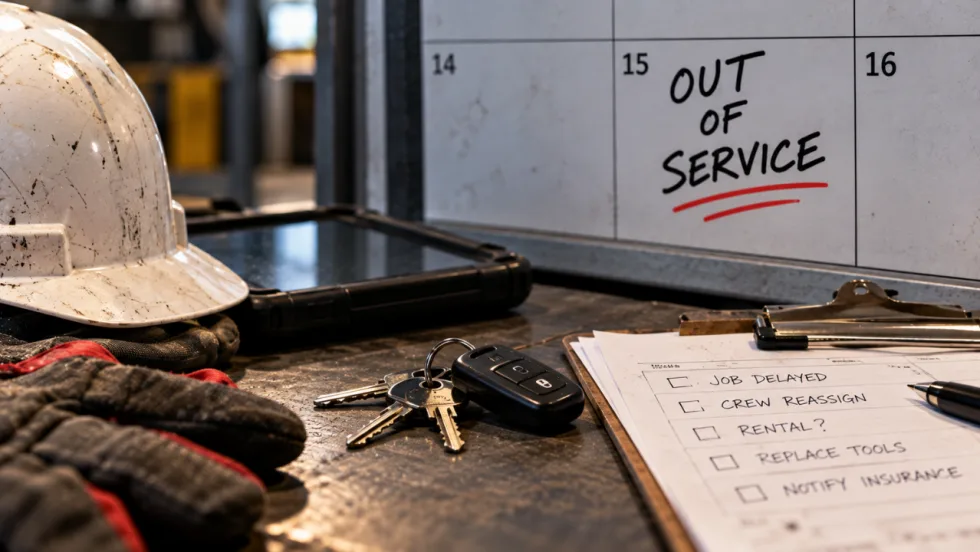
When a Work Truck Gets Stolen, the Real Loss Is Time
A stolen work truck can take more than a vehicle off the road. From tools and access cards to crew downtime, here’s how fleets can prepare for theft before it disrupts the entire workday.
Read More →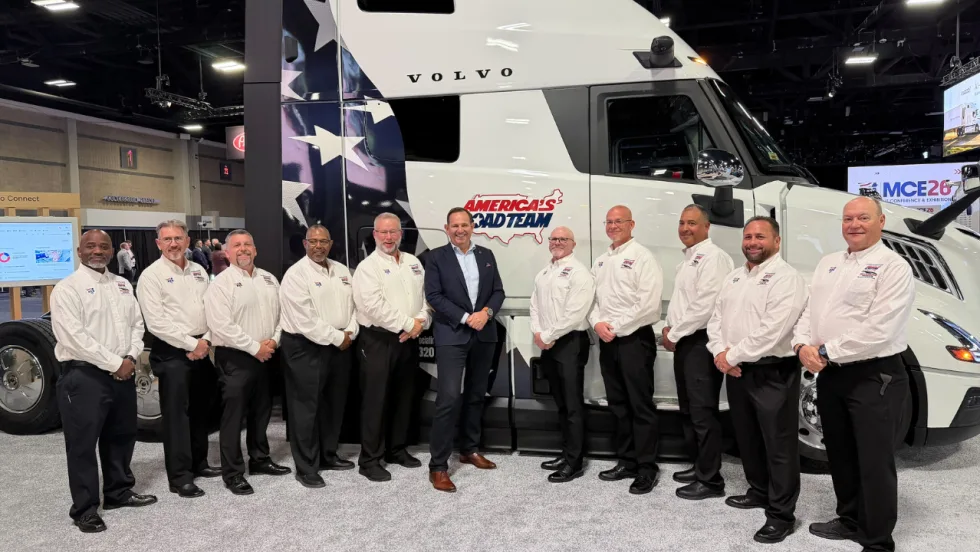
Volvo Trucks Marks 25 Years as Exclusive Sponsor of America's Road Team
Volvo Trucks North America will serve as the exclusive sponsor of the American Trucking Associations' America's Road Team, marking 25 years of Volvo sponsorship. The group of professional drivers promotes safety and the industry as they travel the country.
Read More →
Streamlight’s High-Output Scene Light Recognized with Occupational Safety Award
Streamlight’s Portable Scene Light III (PSL III) won the 2026 Occupational Health & Safety (OH&S) New Product of the Year Award in the Lighting category.
Read More →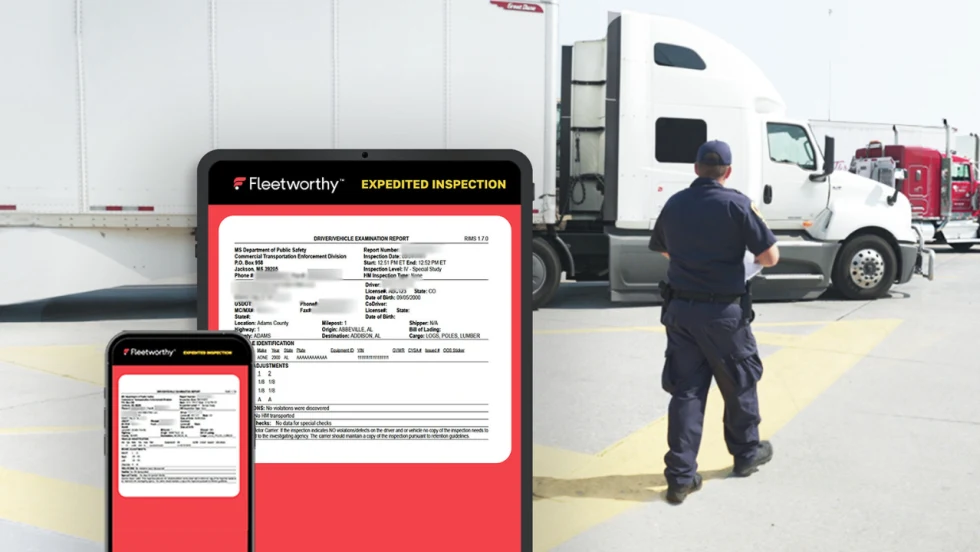
Fleetworthy Expands Expedited Inspection to 5 States
Following its industry-first launch in Nevada, Fleetworthy’s automated inspection technology is now live in California, Michigan, Vermont, and Maine.
Read More →
Crossing State Lines in a Light-Duty Work Truck? Check These Rules First
Crossing state lines in a lighter work truck? J.J. Keller's Kathy Close explains when IRP registration, trip permits, and towing rules come into play.
Read More →
Simple Tire Checks That Help Keep Your Business Fleet Moving
A survey found that nearly one in every 10 passenger vehicles has at least one bald tire. What's more, 27% -- more than one in four -- of vehicles are driven with one or more severely under-inflated tires.
Read More →