




Safety Tip: Avoiding Crashes in Parking Lots
AAA offers advice on how to stay safe and avoid collisions in parking lots.


As most fleet managers know all too well, parking lot crashes account for an inordinate amount of fleet vehicle damage.
The 2017 Fleet Accident Survey found that fleet vehicle damage most commonly occurs when the vehicle is parked. This type of accident represents 11.41% of all crashes causing fleet damage. Accidents occurring while parking or backing up from a parking space are also quite common, representing 9.65% of fleet crashes.
Here are six tips from AAA on how to stay safe and avoid collisions in parking lots:
Stay Alert — Watch for cars cutting across parking lots and speeding through aisles. Take it slow and always use your turn signal. Avoid two-way lanes whenever possible.
Mind Your Manners — Don’t take up two spots by parking over the lines.
Protect Your Vehicle — Parking in congested areas increases the likelihood of scratches and dents from car doors or shopping carts. Park away from buildings during the day, but avoid secluded areas at night. If you can find a spot at the end of the row next to an island, take it. This is the best place to park your car. However, if there is no island, don’t park in an end space because this will leave your car vulnerable to turning traffic. Park in front of a light pole, if possible. The pole will protect your car from a driver who might pull too far forward and bash its front end, and the light will give you added security at night.
Walk Back Safely — When leaving or returning to your car, don’t dart between parked cars. Listen for cars and look for the illuminated brake lights of cars backing up. Pedestrians can be just as guilty as drivers when it comes to disobeying posted signs or not paying close enough attention to their surroundings. Protect yourself on foot, as well as when you’re driving.
Be Observant — When backing out, make sure you scan a full 360 degrees. There may be shoppers to your left and right, or other cars backing out at the same time. If it’s possible and legal in your area, pull through if there are two open nose-to-nose spaces. Being able to pull out head first instead of backing out of a spot will keep you safe.
Mail With Caution — If you have packages to send, keep in mind that post office parking lots have the highest frequency of accidents.
Originally posted on Automotive Fleet
More Safety
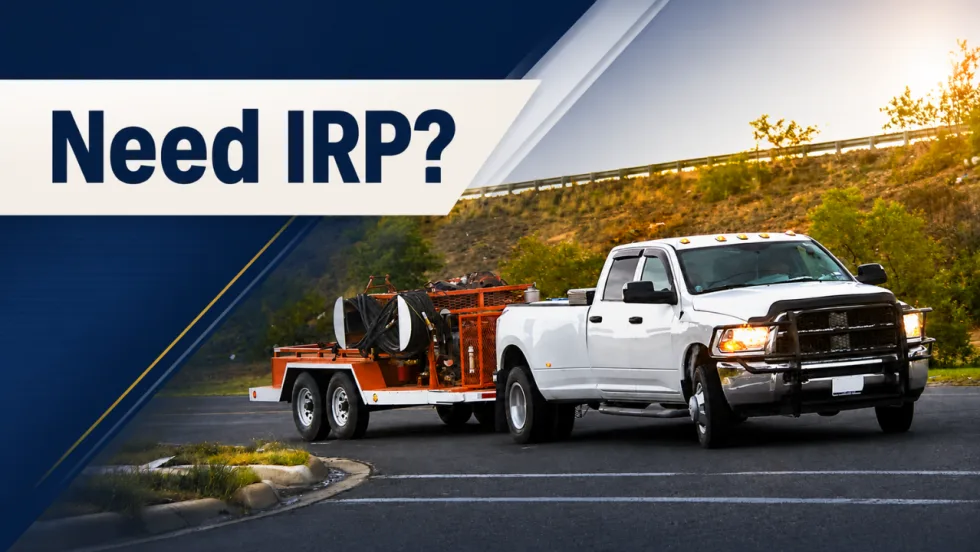
When Work Trucks Under 26,001 Pounds Need IRP Registration
Think trucks under 26,001 pounds are automatically in the clear when it comes to IRP? Not always. Learn where lighter vehicles can still run into trip permit, apportioned registration, and IFTA compliance requirements when crossing state or provincial lines.
Read More →
Volvo Trucks Releases New Safety Recommendations for Traveling with Pets
One of the most important recommendations for professional drivers traveling with pets is to ensure pets are properly restrained while the truck is moving. Other tips are available in the new guide from Volvo Trucks North America and Center for Pet Safety.
Read More →
API Issues Refueling Safety Guidelines
The American Petroleum Institute offers a list of safe vehicle refueling guidelines, including ways to avoid potential problems with static electricity discharges in fall, winter, and early spring.
Read More →
Winter Fleet Prep: Expert Tips to Keep Vehicles Running Smoothly
Cold weather can expose weak batteries, tires, fuel systems, and maintenance gaps fast. Use this winter fleet checklist to prepare trucks and drivers before temperatures drop.
Read More →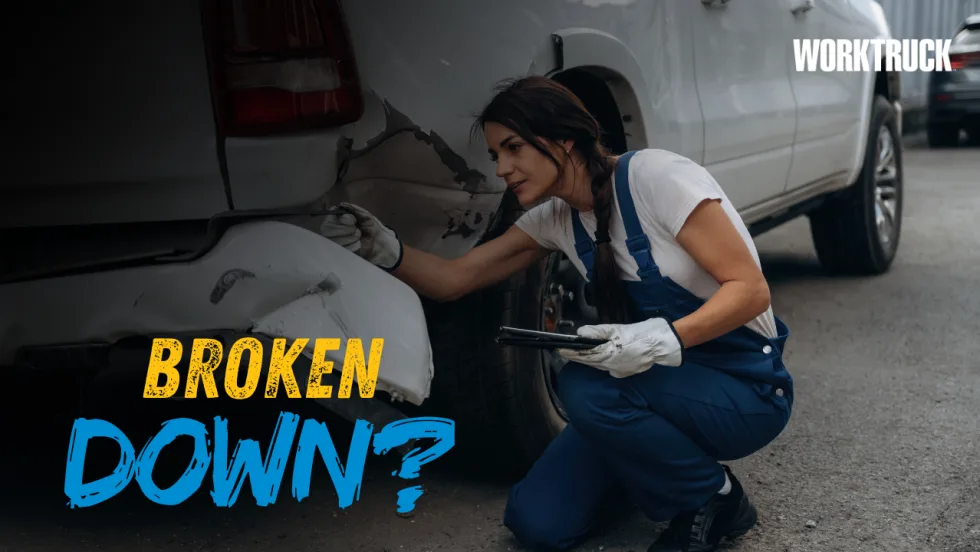
When a Work Truck Breaks Down, the Job Can Stop, Too
A work truck breakdown can stop more than the vehicle. Discover how payloads, jobsites, and specialty equipment change the roadside response.
Read More →
What Stronger Long-Term Fleet Service Partnerships Actually Require
Fleet service partnerships rarely fall apart all at once. Learn the three warning signs that trust is eroding and what fleets and providers can do before downtime, frustration, and lost revenue follow.
Read More →
Applause & TRUCE Software Partner to Improve Driver Safety Through AI-Powered Telematics & Employee Performance Management
Applause has integrated TRUCE driving metrics directly into its employee-first performance and safety platform that transforms mobile devices into AI-powered telematics.
Read More →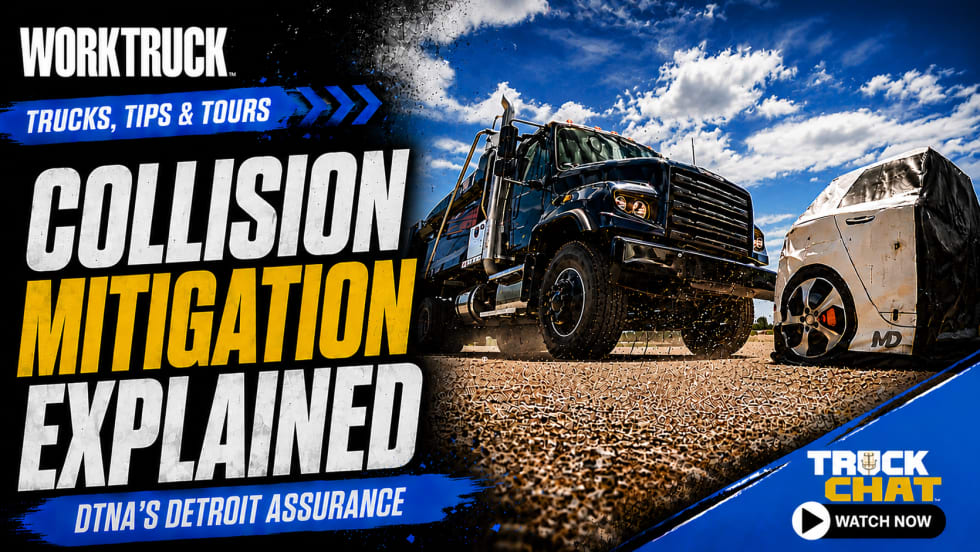
How Detroit Assurance with Active Brake Assist Works
Do you want to see what it is like to experience Detroit Assurance’s Active Brake Assist? In this video, Work Truck will put you in the cab to see how it all works and then hear more details from DTNA’s Mike Young.
Read More →
Get Left of Loss: A 5-Step Workplace Violence Prevention Framework for Fleet Operators
Violence risks do not stop at the driver’s door. Learn five practical steps fleets can take to spot threats early and protect workers before loss occurs.
Read More →
How Better Visibility Cut Speeding Violations by 48%
Fleet leaders don't need more data, they need clearer visibility into what the data is saying. This case study explores how one utility replaced speeding-event counts with a single metric — miles driven in violation — to strengthen safety and significantly reduce speeding violations.
Read More →