




ROUSH Propane-Powered F-150 Receives CARB Approval
LIVONIA, MI - The California Air Resources Board (CARB) has granted approval to the ROUSH propane-powered F-150 pickup which means that it meets the strict emission standards of the state.
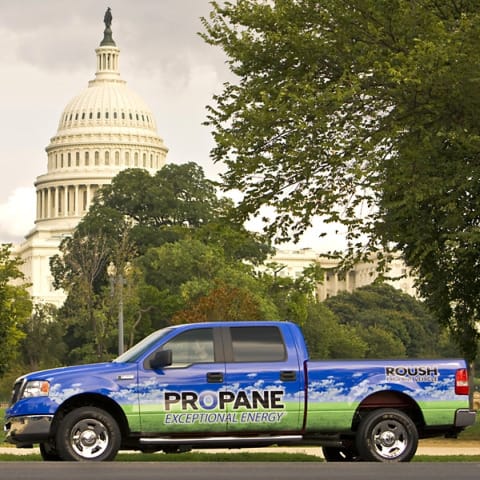
ROUSH Propane-Powered F-150
LIVONIA, MI - The California Air Resources Board (CARB) has granted approval to the ROUSH propane-powered F-150 pickup which means that it meets the strict emission standards of the state. This is the first propane-powered vehicle to receive On-Board Diagnostics II (OBD II) CARB-approval since the board enacted substantially stricter guidelines on light-duty vehicles for this alternative fuel in 2004.
CARB is the "clean air agency" in the state and has the stated goals of improving the air quality and reducing the public's exposure to air contaminants. Currently California is the only state with such a regulatory agency, but several others follow the CARB guidelines (this includes Connecticut, Maine, Massachusetts, Pennsylvania, Rhode Island, Vermont and New York).
With the CARB-approval in hand, ROUSH is now allowed to sell the propane F-150 trucks built by ROUSH in all 50-states. The CARB Executive Order (EO) for the ROUSH F-150 propane retail conversion kit will soon follow. This is valid for the 2007-1/2 and 2008 Ford F-150 pickup, and ROUSH is currently working on getting this same CARB approval for the upcoming 2010 propane-powered F-250 and F-350 trucks.
"Getting CARB approval for a propane vehicle is no simple process with the stricter regulations that were put in place in 2004. The fact that the ROUSH propane-powered
F-150 is the first light duty vehicle to pass these regulations is a great source of pride to me, and is witness to the skills of our engineering, calibration, and emissions teams at ROUSH," said Jack Roush, chairman of ROUSH Enterprises and CEO/co-owner of Roush Fenway Racing.
ROUSH recently unveiled plans to market the 2010 F-250 and F-350 with a conversion to run on propane. This is good news to fleet users who now have the additional option of having medium- and heavy-duty trucks. Both trucks will be based on the 5.4L, V-8 engine platform. Among the components changed are the fuel tank with multi-valve fuel pump, stainless steel fuel lines, billet aluminum fuel rails, an upgraded custom ROUSH PCM calibration, and all necessary wiring, hardware and instructions.
Future ROUSH plans include converting the Ford E-Series vans to run on propane as well. Complete details on the ROUSH propane offerings can be found online at www.ROUSHperformance.com/Propane or by calling 800-59-ROUSH.
As an alternative fuel, propane offers a variety of advantages. It is available "right here, right now" with a national infrastructure already in place. Propane burns cleaner, with up to 20 percent less nitrous oxide, up to 60 percent less carbon monoxide and fewer particulate emissions. It is already the third most widely used fuel worldwide, following gasoline and diesel. Propane is 90 percent domestically produced, and as an alternate fuel, the purchase of propane-powered vehicles are eligible for a variety of federal, state, and municipal tax credits or rebates.
For more information, see your local ROUSH dealer, visit www.ROUSHperformance.com or call (800) 59-ROUSH.
More Green Fleet
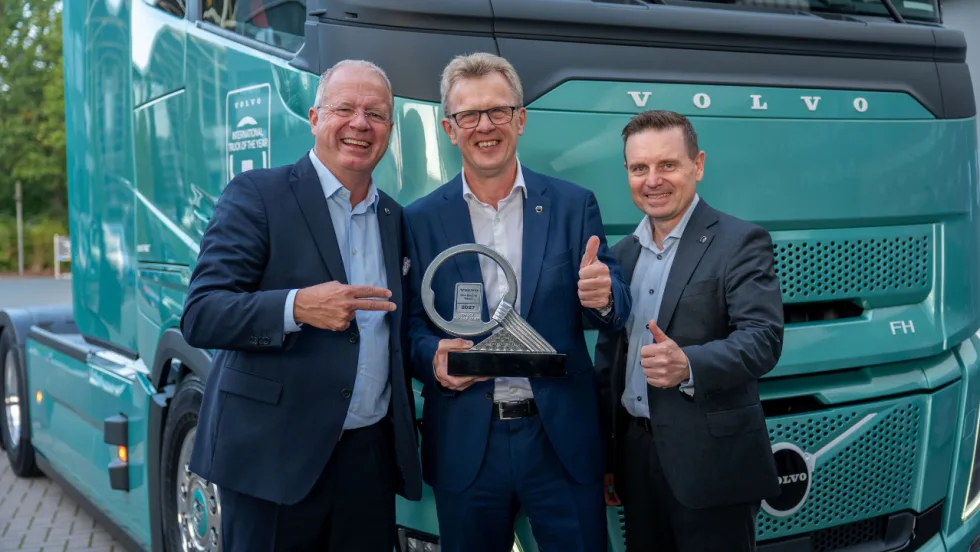
Volvo Trucks Wins International Truck of the Year 2027 for its Global Electric Range
Volvo Trucks' global heavy-duty electric range has been named International Truck of the Year 2027. Since 2019, more than 7,000 electric Volvo trucks have driven more than 310 million miles worldwide.
Read More →
Fleet Forward Conference Introduces One-Day Passes for 2026
New one-day registration gives fleet professionals the flexibility to attend Tuesday, Wednesday, or Thursday, with passes available for $199 through Sept. 18.
Read More →
CALSTART Rebrands as Catalyst Mobility, Will Combine with Forth in 2027
CALSTART has rebranded as Catalyst Mobility and will combine with Forth at the start of 2027. The new organization said it is poised to become one of the world's largest, strongest, and most impactful clean transportation nonprofits.
Read More →
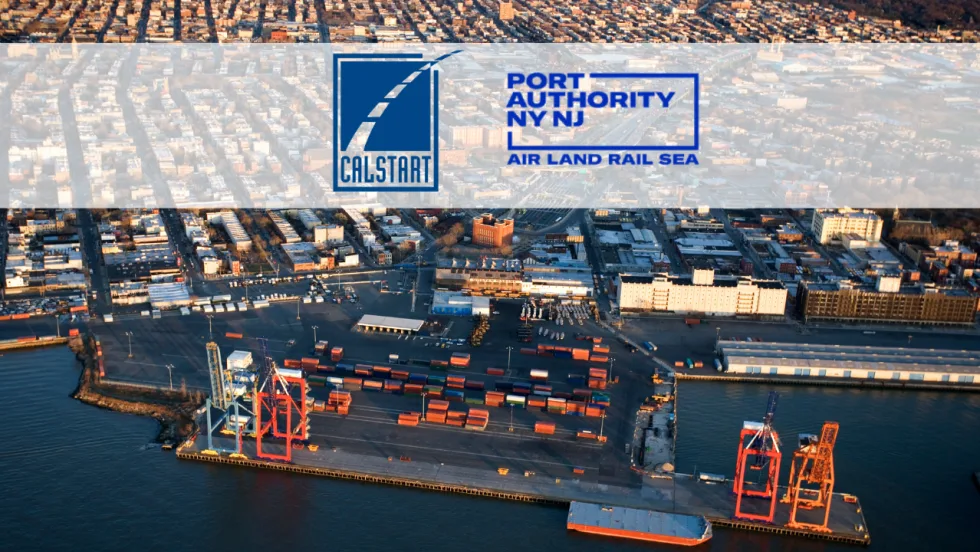
Electric Truck and Charging Programs to Boost Sustainability at NY & NJ Ports
Together, the Port Authority of New York and New Jersey and CALSTART will electrify drayage and terminal operations serving the East Coast’s busiest container port. A pair of incentive programs totaling $45 million has launched to accelerate adoption of zero-emission drayage trucks and terminal tractors.
Read More →
The Smart Way to Build a Mixed-Energy Fleet Isn’t About Picking a Side
Mixed-energy fleets aren’t about picking a winning fuel. Sarah Booth of WEX explains how vehicle data, duty cycles, charging strategy, and real-world costs can help fleets choose the right energy source for each job.
Read More →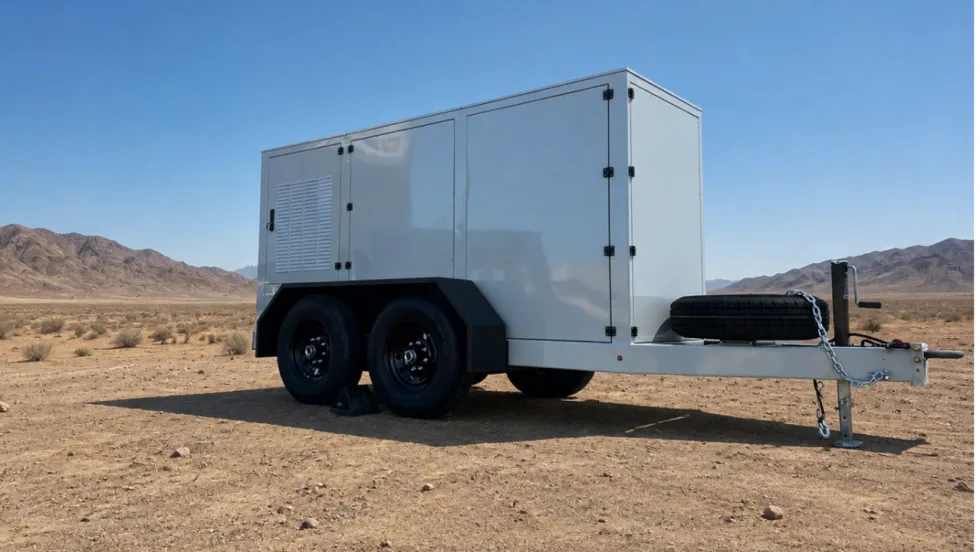
Xos Hub Surpasses One Gigawatt-Hour of Energy Delivered in the Field
A single Xos Hub has surpassed one gigawatt-hour of energy across more than 33,600 charging sessions in the field, demonstrating performance that supports Xos' expansion across new products and markets.
Read More →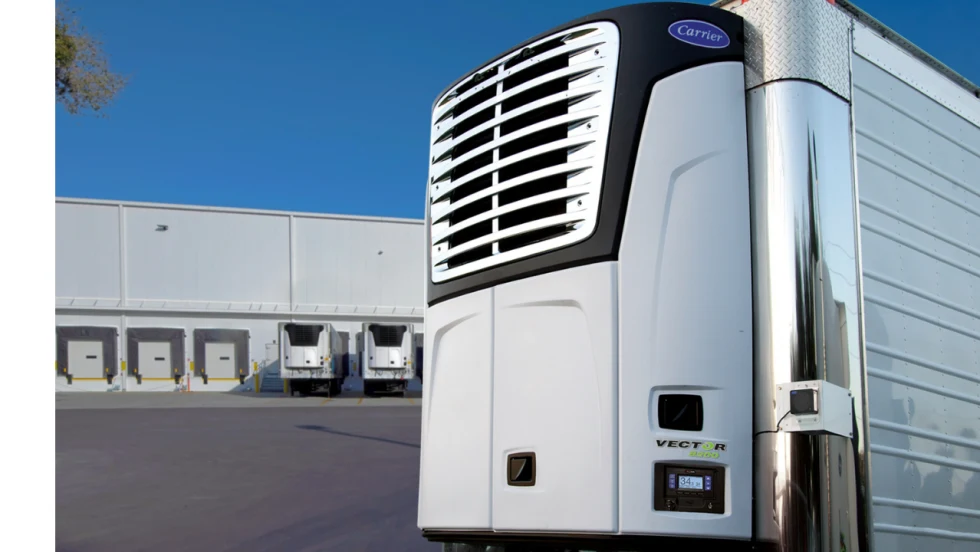
Carrier Transicold Launches All-Electric Vector 8200 TRU for Diesel-Free On-Site Cold Storage
Carrier Transicold’s first engineless multi-temperature TRU helps fresh- and frozen-food fleets add supplemental cold storage capacity during seasonal peaks.
Read More →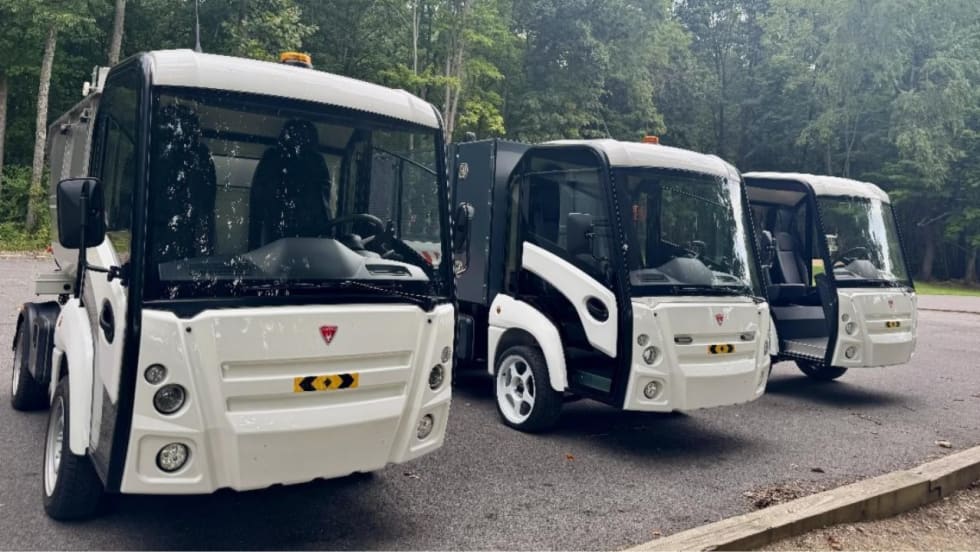
Narro Trucks Introduces Electric Utility Vehicle
Narro Trucks officially launched its operations on Aug. 20 and hosted a ride and drive to showcase its electric truck, which will be produced in Virginia.
Read More →
Samsung SDI Takes Full Control of GM Battery JV as Indiana Plant Pivots to Energy Storage
Samsung SDI is taking full control of its Indiana battery plant with GM, marking a major shift from the EV-focused joint venture Charged Fleet first covered in 2023.
Read More →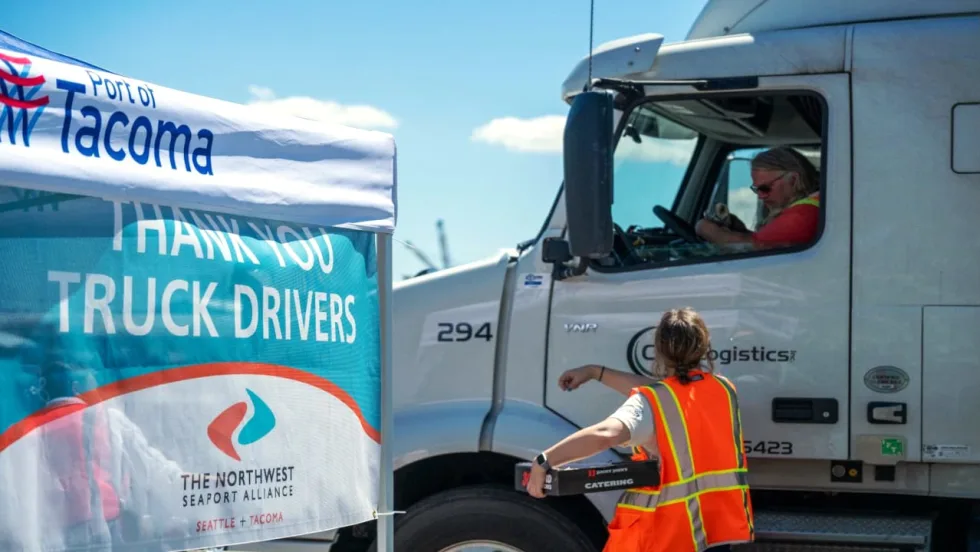
NWSA Taps CALSTART to Administer Zero-Emission Drayage Assistance Program
CALSTART will provide free technical assistance services to drayage fleets serving the Ports of Seattle and Tacoma and looking to transition to cleaner technologies and help decarbonize freight hubs.
Read More →