




Risks of Unsecured Loads Mentioned in Highway Bill
With available federal grants, the bill’s language encourages states to address unsecured loads upon submitting their next State Highway Safety Program for approval.
Signed into law by President Obama on Dec. 4, the Fixing America’s Surface Transportation (FAST) Act addresses the risks of unsecured loads in the Highway Traffic Safety section.
It states: “The conferees are concerned about the dangers posed by unsecured loads on non-commercial vehicles. Federal grant funds for state-run safety campaigns raising awareness about the dangers posed by unsecured loads are currently eligible for funding under State Highway Safety Programs (23 U.S.C. 402). Therefore, the conferees encourage states to address unsecured loads the next time they submit their State Highway Safety Program for approval by the Secretary or through other state initiatives.”
In 2004, Maria Federici was driving on Interstate 405 in Washington state when an entertainment center flew out of an open trailer and smashed through her windshield.
“The driver actually had it (the entertainment center) tied,” said Robin Abel, Federici’s mother. “He accelerated on the freeway and the force of air made the entertainment center fly out.”
Federici was blinded by the accident. Since then, Abel became a determined advocate for secured loads. Because of her efforts, “Maria’s Law” went into effect in Washington in 2005, making it a crime to fail to secure a load.
Abel was instrumental in getting the language included in the FAST bill.
“As a nation, we spend $11.5 billion annually on litter clean-up, and it's documented by the Environmental Committee of the States that 20% to 40% is from unsecured loads,” says Abel.
More Safety
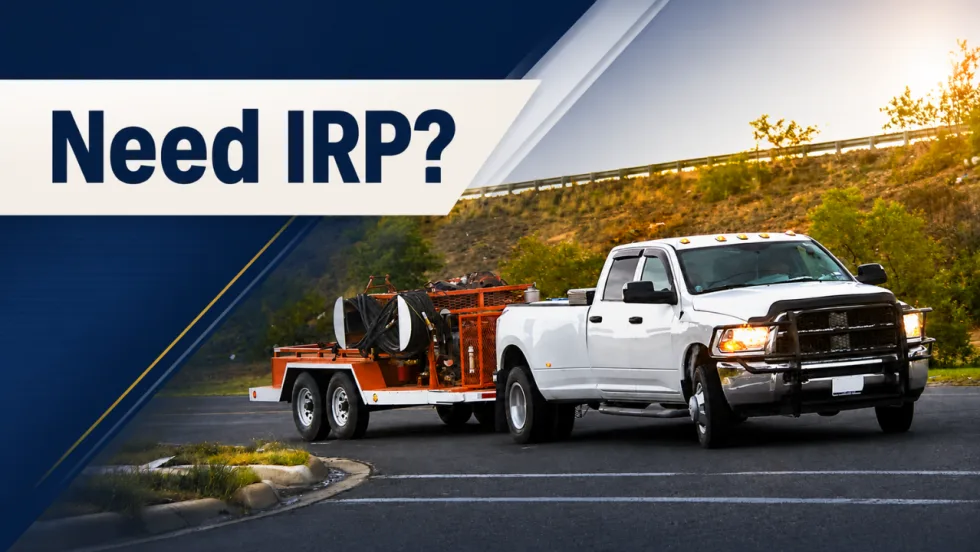
When Work Trucks Under 26,001 Pounds Need IRP Registration
Think trucks under 26,001 pounds are automatically in the clear when it comes to IRP? Not always. Learn where lighter vehicles can still run into trip permit, apportioned registration, and IFTA compliance requirements when crossing state or provincial lines.
Read More →
Volvo Trucks Releases New Safety Recommendations for Traveling with Pets
One of the most important recommendations for professional drivers traveling with pets is to ensure pets are properly restrained while the truck is moving. Other tips are available in the new guide from Volvo Trucks North America and Center for Pet Safety.
Read More →
API Issues Refueling Safety Guidelines
The American Petroleum Institute offers a list of safe vehicle refueling guidelines, including ways to avoid potential problems with static electricity discharges in fall, winter, and early spring.
Read More →
Winter Fleet Prep: Expert Tips to Keep Vehicles Running Smoothly
Cold weather can expose weak batteries, tires, fuel systems, and maintenance gaps fast. Use this winter fleet checklist to prepare trucks and drivers before temperatures drop.
Read More →
When a Work Truck Breaks Down, the Job Can Stop, Too
A work truck breakdown can stop more than the vehicle. Discover how payloads, jobsites, and specialty equipment change the roadside response.
Read More →
What Stronger Long-Term Fleet Service Partnerships Actually Require
Fleet service partnerships rarely fall apart all at once. Learn the three warning signs that trust is eroding and what fleets and providers can do before downtime, frustration, and lost revenue follow.
Read More →
Applause & TRUCE Software Partner to Improve Driver Safety Through AI-Powered Telematics & Employee Performance Management
Applause has integrated TRUCE driving metrics directly into its employee-first performance and safety platform that transforms mobile devices into AI-powered telematics.
Read More →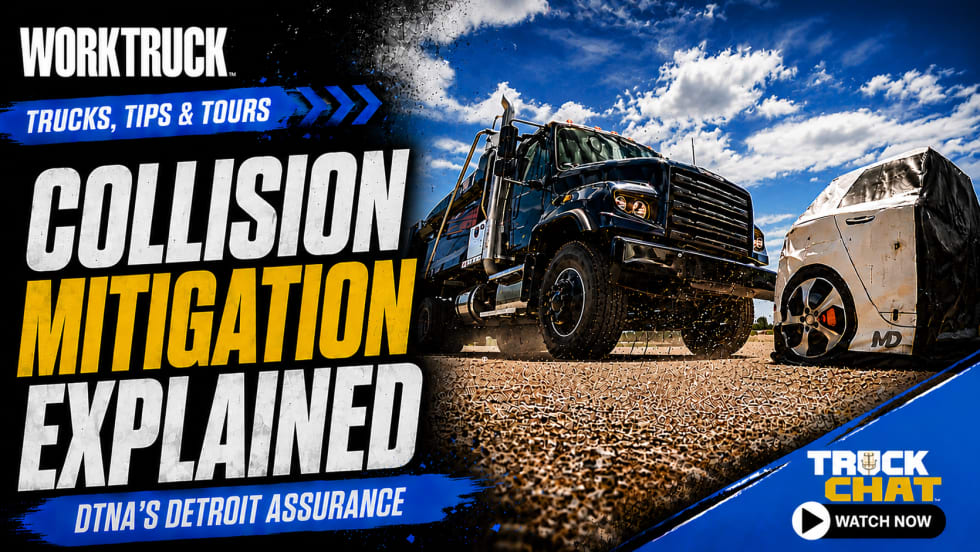
How Detroit Assurance with Active Brake Assist Works
Do you want to see what it is like to experience Detroit Assurance’s Active Brake Assist? In this video, Work Truck will put you in the cab to see how it all works and then hear more details from DTNA’s Mike Young.
Read More →
Get Left of Loss: A 5-Step Workplace Violence Prevention Framework for Fleet Operators
Violence risks do not stop at the driver’s door. Learn five practical steps fleets can take to spot threats early and protect workers before loss occurs.
Read More →
How Better Visibility Cut Speeding Violations by 48%
Fleet leaders don't need more data, they need clearer visibility into what the data is saying. This case study explores how one utility replaced speeding-event counts with a single metric — miles driven in violation — to strengthen safety and significantly reduce speeding violations.
Read More →