




Rain Sensor Technology: Changing the Way You Look at Rain
For those who have ever found themselves in a rainstorm, constantly adjusting their wipers in order to get maximum visibility out of your windshield -- and who have wished their wipers would adjust to the actual rate of precipitation, rather than a pre-determined delay -- rain sensor technology is here to ease those troublesome problems, according to Frost & Sullivan analyst Jasmine Sachdeva. What is a rain sensor? In basic terms, the rain sensor 'senses' precipitation on the windshield and automatically turns on the wiper system. How does it work? The current rain sensor technology uses optical sensing, analog signal processing, and a control algorithm during operation. The rain sensor unit is mounted on the windshield behind the rearview mirror, although some rain sensors in the original equipment market come embedded in the windshield. When the system senses an interruption to its infrared signal, such as rain or snow hitting the windshield, the analog processing detects this action and depending on the intensity of the precipitation, the system selects a speed that is suitable to the weather conditions. The driver actually sets the delay option to suit his/her preference. This is marketed as a revolution for drivers, because it takes away the hassle of manual control. Manufacturers liken this technology to cruise control: a hands-free, hassle-free, convenient, and comfortable drive. A common example of the rain sensor in action is if a car is in the rain and it slows to stop at a traffic light, it will seem as if the rain sensor will adjust for speed. Actually, the rain sensor adjusts for the amount of rain hitting the windshield. As the driver pulls away, the speed of the wipers will increase for the rate of precipitation. The driver will never have to take his/her hands off the steering wheel to flip the switch and can pay close attention to road conditions, allowing the rain sensor to do all the work, according to Sachdeva. What is the main benefit? The main benefit to the rain sensor technology is that the driver doesn't have to keep adjusting the wiper control as he/she drives. Rain sensors come equipped with manual control, for those situations when the driver would like to have control of the system, like the car wash. In addition, the driver can control the sensitivity of the wiper system. According to Scott McEwan, a product manager with TRW Automotive Electronics, "the vast majority of drivers who have used the rain sensor never want a vehicle without the technology." TRW Automotive is one of the North American firms manufacturing a rain sensor for the original equipment market. How big is the market? In North America, the current market for this product is small, while the European market for this product is much larger, according to Sachdeva. The original equipment market for rain sensors is relatively modest, with a handful of luxury cars that have an option for this product. The market is forecast to grow, especially in North America. The trend is that the product will trickle down from the luxury car segment to the common family vehicle segment as the technology improves and the product becomes better known. The aftermarket for rain sensors is also beginning to take hold in North America. In North America, there were approximately one million units in operation in 2000, according to Rein Teder, president of Mathetes Technologies, which manufacturers the "Rain Tracker," a rain sensor for the aftermarket. Mathetes Technologies is hoping to boost those numbers considerably by offering the Rain Tracker to consumers in the aftermarket, on a platform that is easy to install by professional installers and do-it-yourselfers alike. This product is unique in that it can be installed on new and older vehicles. The hope is to bring the rain sensor technology to the general population. Why is it not commonplace? This product is difficult to design, because of the complex technology involved, according to Sachdeva. The rain sensor has to work perfectly before it can become commonplace because of the vital importance of the windshield to safety and driver visibility. The probability of this product becoming more common is high, because of huge internal strides being made within this market and high customer acceptance on the original equipment side of the market. Is this product a necessity? For the most part -- No. Is it nice to have? -- Yes. In the end, it is up to the consumer to see if the rain sensor will catch on as a "must have" item when purchasing a new vehicle or making aftermarket upgrades.
More Small Fleet


Developing Budget-Friendly Driver Safety Programs
From driver training and safety meetings to one-on-one coaching and incentive programs, several small fleets share how they have developed a safety culture with their drivers using low- to no-cost resources.
Read More →
Boosting Last-Mile Fleet Uptime, Safety, and Value with AI Vehicle Inspections
AI-powered inspections are transforming last-mile fleets by replacing manual checks with highly accurate automated scans that detect defects in seconds. By giving fleet operations visibility into the daily condition of their vehicles, you can identify trends over the vehicle’s lifecycle that enable improved procurement decisions, route management, driver training and accountability.
Read More →
Five Ways Seat Belts Help Prevent Injuries
There are five ways seat belts protect occupants from injuries, according to the Tennessee Department of Safety and Homeland Security.
Read More →
It’s here: The 2026 Fleet Technology Trends Report
What does AI mean for fleets? Get the answer — and learn other top tech trends.
Read More →
Small Fleets, Big Impact: How Independent Drivers Power Wreaths Across America
Check out how small fleets and independent drivers power Wreaths Across America each December and why their impact matters more than ever.
Read More →
VMS Survey Finds 65% of Small Fleet Managers Run Operations Alone
A new VMS survey shows small fleet managers are stretched thin, with most handling operations solo and eager to adopt digital tools for relief.
Read More →
Tips for Driving Safely on Halloween Night
This video features a reminder from the Connecticut Department of Transportation (DOT) and the Connecticut Police Chiefs Association, urging drivers to prioritize safety this Halloween.
Read More →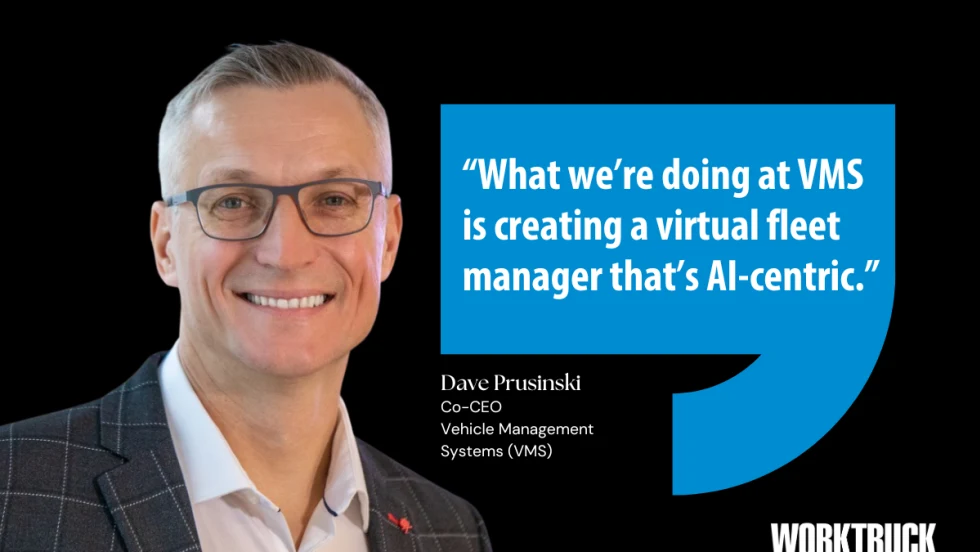
AI, Access, and Uptime: VMS’s Next Chapter with David Prusinski
VMS’s new Co-CEO, David Prusinski, shares how an AI-first approach will give small fleets and repair shops the tools to compete like big players.
Read More →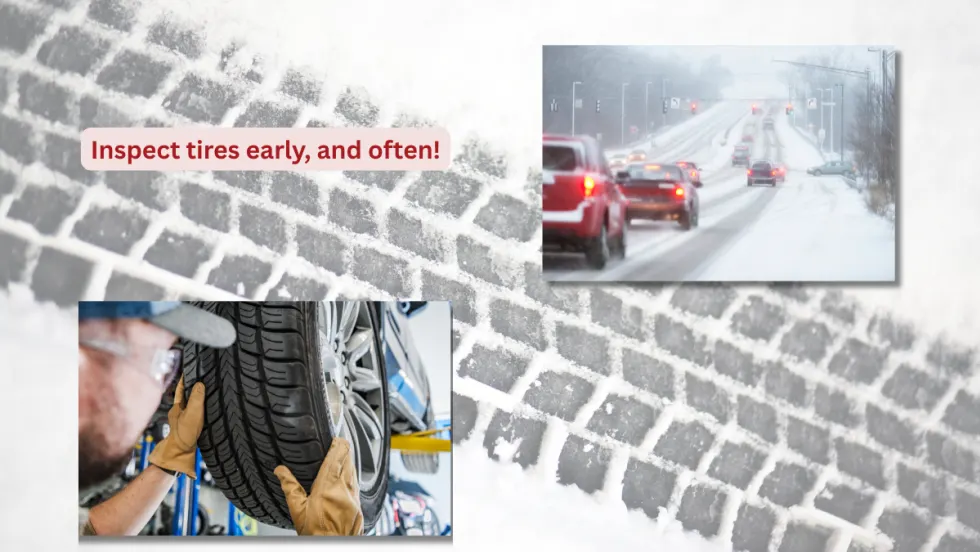
Fleet Managers Share Winter Prep Tips: It's Never Too Early!
Three fleets share best practices to prep vehicles for winter and prevent downtime when the cold sets in.
Read More →