




Orders Open for Electrified Transit Van Conversion
Lightning Systems is now accepting pre-orders for its new zero-emissions LightningElectric system for Ford Transit, a battery conversion package.
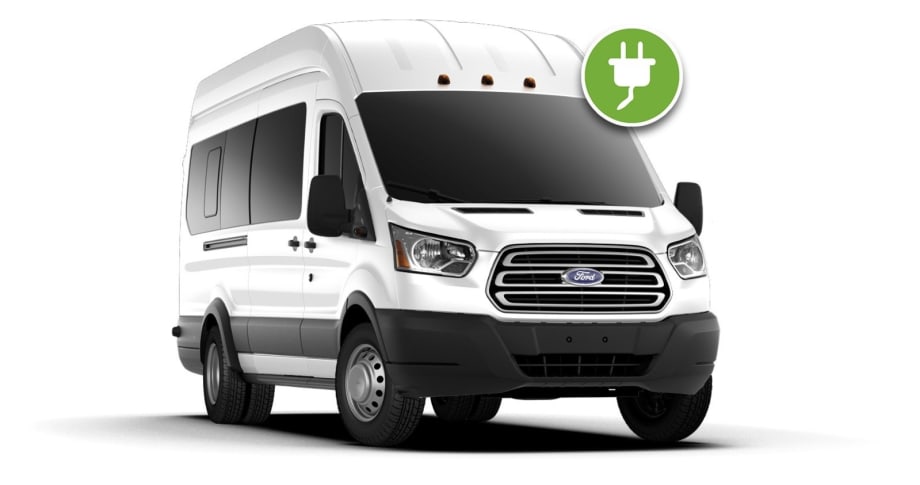
Photo courtesy of LightningSystems
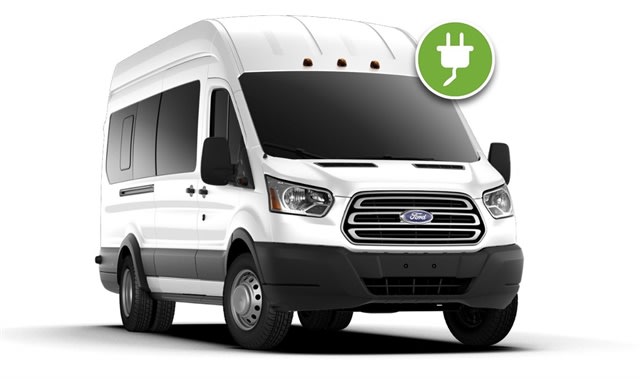
Photo courtesy of LightningSystems
Lightning Systems, a global developer of efficiency and emissions improvement solutions for fleets, is now accepting pre-orders for its new zero-emissions LightningElectric system for Ford Transit.
The LightningElectric battery conversion package is available for Ford Transit as part of Ford Motor Company's eQVM program. The product will be available first on heavy-duty Transits with a 10,360-pound gross vehicle weight rating (GVWR). Conversions and service are performed by Ford QVM-certified upfitters and dealers around the world.
In the United States, the electric-vehicle conversion is $69,000 for vehicles with an electric range of 50 miles and $89,000 for vehicles with a range of 100 miles. Deliveries will begin in early 2018. Vouchers and grants are available in some regions for zero-emissions vehicles.
"The new LightningElectric is an excellent choice for commercial and government fleets that would like a zero-emissions product that uses no fuel, but gets the job done with no compromises," said David Brosky, vice president of sales for Lightning Systems. "The braking and acceleration feels like a gasoline-powered Ford Transit. The vehicle is smooth and quiet with excellent performance and will please both drivers and passengers."
Ford's vehicle warranty covers the base chassis for vehicles with the LightningElectric upfit, and Ford Motor Credit financing is available. Installation can be completed in just hours by certified installers. Featuring a state-of-the-art, liquid-cooled Lithium-Ion battery system from a volume-ready world-class battery supplier, LightningElectric will accommodate full charging in six hours with Level 2 charging and less than thirty minutes for DC fast charging. Depending on battery option and drive cycle, LightningElectric will have a payload capacity of up to 4,000 pounds.
Lightning Systems worked with New Eagle on the design of the LightningElectric system for the Ford Transit. New Eagle specializes in mechatronic controls, which are the electronic brains that drive mechanical systems, and is a leader in the application of model-based design into real-time embedded systems in the fields of autonomy, electrification, hydraulics, and engine systems.
Longmont, Colo.-based UQM Technologies has been chosen by Lightning Systems as its strategic electric-vehicle propulsion system supplier for its EV platforms. UQM will provide powertrain components for LightningElectric, including the gearbox, an electric motor, and the inverter, as well as software controls for optimum performance and efficiency.
Lightning Systems, formerly known as Lightning Hybrids, is a fast-growing, global fleet solutions company with headquarters in Loveland, Colo. A variety of new Lightning Systems' efficiency and emissions improvement innovations are being introduced over the next two years to support commercial and government fleets.
Both the LightningElectric and LightningHybrid systems are certified by Ford's new eQVM program. The program helps fleet and commercial customers meet their unique and specific needs for durable, reliable advanced technology work trucks that retain the original powertrain warranty and utilize Ford's vast dealer service network.
Originally posted on Automotive Fleet
More Green Fleet

Fleet Forward Conference Introduces One-Day Passes for 2026
New one-day registration gives fleet professionals the flexibility to attend Tuesday, Wednesday, or Thursday, with passes available for $199 through Sept. 18.
Read More →
CALSTART Rebrands as Catalyst Mobility, Will Combine with Forth in 2027
CALSTART has rebranded as Catalyst Mobility and will combine with Forth at the start of 2027. The new organization said it is poised to become one of the world's largest, strongest, and most impactful clean transportation nonprofits.
Read More →
Electric Truck and Charging Programs to Boost Sustainability at NY & NJ Ports
Together, the Port Authority of New York and New Jersey and CALSTART will electrify drayage and terminal operations serving the East Coast’s busiest container port. A pair of incentive programs totaling $45 million has launched to accelerate adoption of zero-emission drayage trucks and terminal tractors.
Read More →
Xos Hub Surpasses One Gigawatt-Hour of Energy Delivered in the Field
A single Xos Hub has surpassed one gigawatt-hour of energy across more than 33,600 charging sessions in the field, demonstrating performance that supports Xos' expansion across new products and markets.
Read More →
Carrier Transicold Launches All-Electric Vector 8200 TRU for Diesel-Free On-Site Cold Storage
Carrier Transicold’s first engineless multi-temperature TRU helps fresh- and frozen-food fleets add supplemental cold storage capacity during seasonal peaks.
Read More →
Narro Trucks Introduces Electric Utility Vehicle
Narro Trucks officially launched its operations on Aug. 20 and hosted a ride and drive to showcase its electric truck, which will be produced in Virginia.
Read More →
Samsung SDI Takes Full Control of GM Battery JV as Indiana Plant Pivots to Energy Storage
Samsung SDI is taking full control of its Indiana battery plant with GM, marking a major shift from the EV-focused joint venture Charged Fleet first covered in 2023.
Read More →
NWSA Taps CALSTART to Administer Zero-Emission Drayage Assistance Program
CALSTART will provide free technical assistance services to drayage fleets serving the Ports of Seattle and Tacoma and looking to transition to cleaner technologies and help decarbonize freight hubs.
Read More →
EV Fleet Reality Check: What Operators Wish They Knew Before Electrifying Their Work Vans
Electric work truck upfits bring new compatibility questions. Learn how parts availability, OEM guidance, power demands, and route planning can affect fleet performance.
Read More →
Peterbilt Expands Sourcewell Partnership with Electric Vehicle Lineup
Peterbilt Motors Company’s cooperative purchasing agreement with Sourcewell and its Canadian partner, Canoe Procurement Group, now includes including Peterbilt's battery-electric vehicle lineup.
Read More →