




Related: Planning for Fleet Electrification through a Distributed Charging Network
Octillion Power Systems Debuts EV Battery-Leasing Plan for Fleets
The program allows fleet operators to source electric vehicle batteries through a five-year "lease-to-own" program.
by Staff
August 7, 2020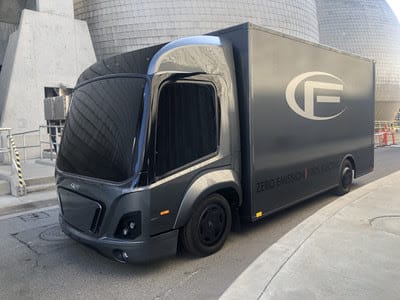
Under the program, participating fleet operators will be allowed to source batteries through a five-year "lease-to-own" program, with no up-front payment. Access to the program will be on a first-come, first-served basis.
Photo courtesy of Octillion.
2 min to read
Octillion Power Systems, a global provider of lithium-ion storage systems for electric mobility, has launched a new program for battery-leasing that allows for batteries to be leased to fleet customers when they purchase vehicles.
Under the program, participating fleet operators will be allowed to source batteries through a five-year "lease-to-own" program, with no up-front payment. Access to the program will be on a first-come, first-served basis.
The goal of the demonstrator program is to collect data on battery degradation, evaluate fleet-operation-use models and to assess second-life viability of the used batteries. Ultimately, this will allow Octillion to build market cases for traditional financing groups eager to get into battery leasing but concerned by the technology.
Leasing is a critical leverage tool to drive the adoption of electric commercial vehicles by allowing fleet operators to immediately tap into the total cost of ownership benefits associated with operating electric vehicles versus those powered by with internal combustion engines.
In a 2019 survey, customers in the market for a new vehicle were asked why they would be hesitant to purchase an electric vehicle (EV). The top responses included:
anxiety surrounding range per charge
higher price point
lack of charging infrastructure
questions surrounding recycling and disposal.
These four supposed drawbacks of EVs have inspired Octillion to roll out its battery leasing program for the convenience of fleet operators.
Building the cost of the lease into the operating budget helps to defer expense, as well as allow for lower overall operating costs of the fleet. Fleets are ideally suited for electrification, because they can accommodate a "right-sized" battery that optimizes range with cost and weight to address range anxiety issues.
Regional and local routes typical of many fleets are 100-150 miles in range, allowing for efficiently priced and sized batteries customized to meet these routes.
Roundtrip routes can use localized charging at a centralized depot, allowing charging infrastructure to be shared. Once the demonstrator program transitions to a normalized leasing program of six to seven years, the fleet operator will be able to swap out the used battery for a new one, and the lessor will then repurpose the battery for second life in the grid.
Originally posted on Automotive Fleet
More Sustainability
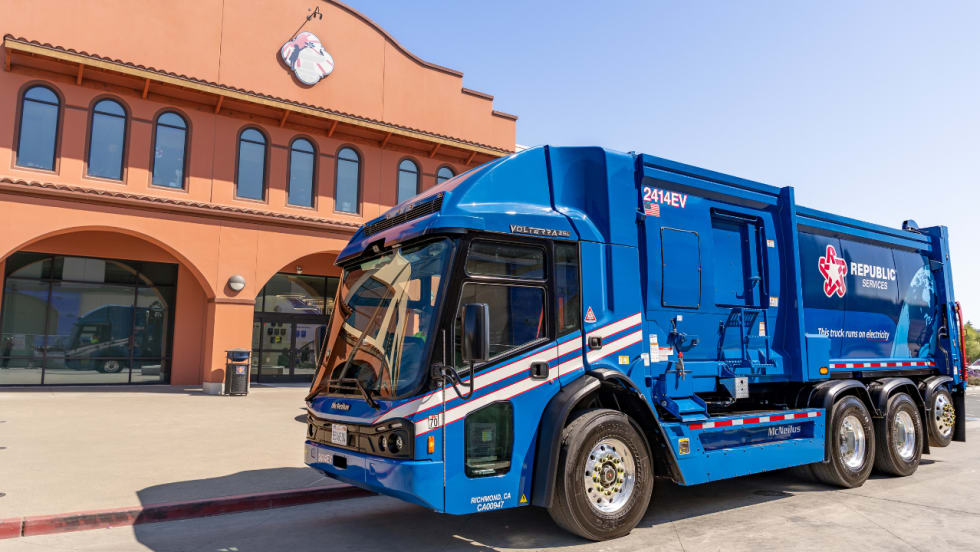
What Republic Services Learned Moving Electric Trucks Beyond the Pilot
With 250 electric refuse trucks now in service, Republic Services is learning that scaling a new powertrain depends as much on routes, drivers, technicians, and daily operations as it does on the truck itself.
Read More →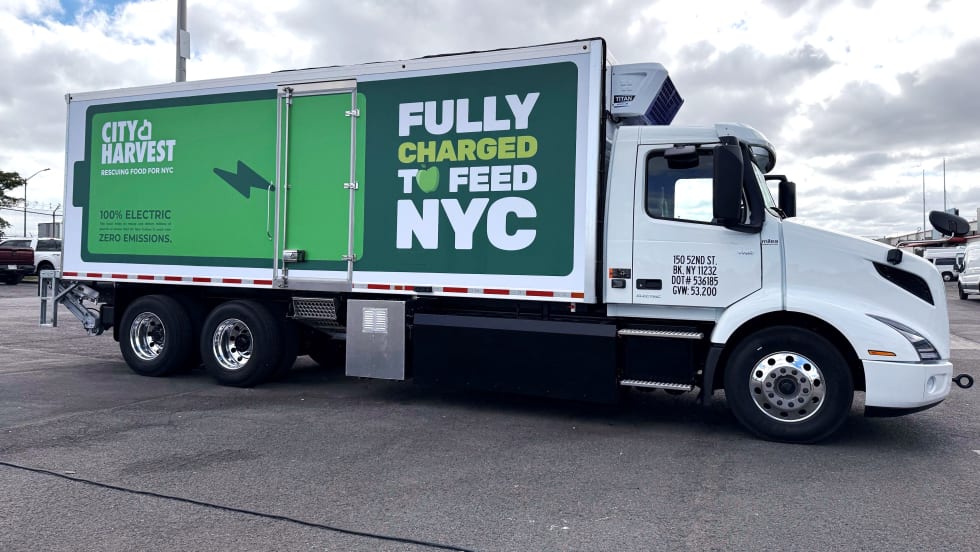
City Harvest Begins Using Volvo VNR Electric Trucks to Rescue Food Across New York City
Volvo Trucks North America and the Bronx Is Breathing project team handed over three new Volvo VNR Electric trucks to City Harvest, which will use the trucks to rescue and deliver food throughout the Bronx and across all five boroughs of New York.
Read More →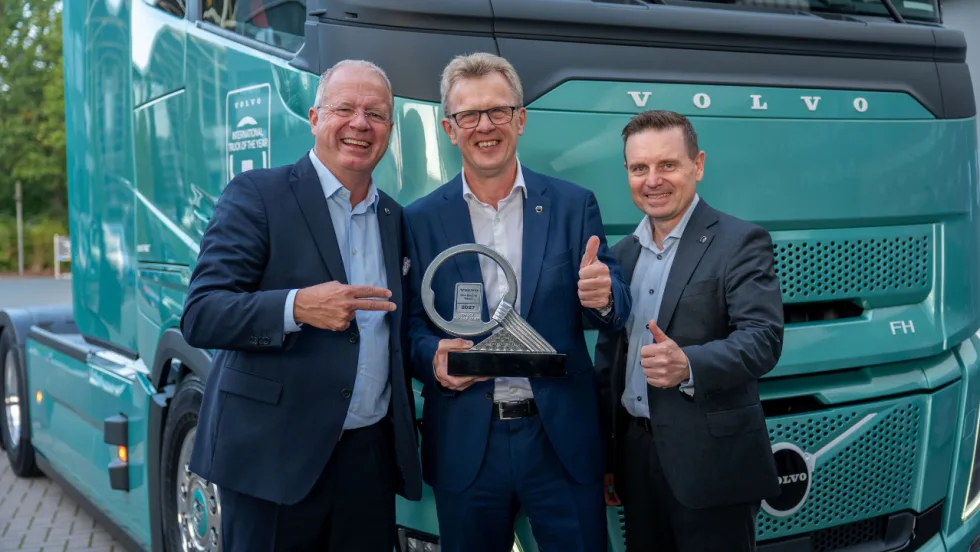
Volvo Trucks Wins International Truck of the Year 2027 for its Global Electric Range
Volvo Trucks' global heavy-duty electric range has been named International Truck of the Year 2027. Since 2019, more than 7,000 electric Volvo trucks have driven more than 310 million miles worldwide.
Read More →


Fleet Forward Conference Introduces One-Day Passes for 2026
New one-day registration gives fleet professionals the flexibility to attend Tuesday, Wednesday, or Thursday, with passes available for $199 through Sept. 18.
Read More →
CALSTART Rebrands as Catalyst Mobility, Will Combine with Forth in 2027
CALSTART has rebranded as Catalyst Mobility and will combine with Forth at the start of 2027. The new organization said it is poised to become one of the world's largest, strongest, and most impactful clean transportation nonprofits.
Read More →
Electric Truck and Charging Programs to Boost Sustainability at NY & NJ Ports
Together, the Port Authority of New York and New Jersey and CALSTART will electrify drayage and terminal operations serving the East Coast’s busiest container port. A pair of incentive programs totaling $45 million has launched to accelerate adoption of zero-emission drayage trucks and terminal tractors.
Read More →
The Smart Way to Build a Mixed-Energy Fleet Isn’t About Picking a Side
Mixed-energy fleets aren’t about picking a winning fuel. Sarah Booth of WEX explains how vehicle data, duty cycles, charging strategy, and real-world costs can help fleets choose the right energy source for each job.
Read More →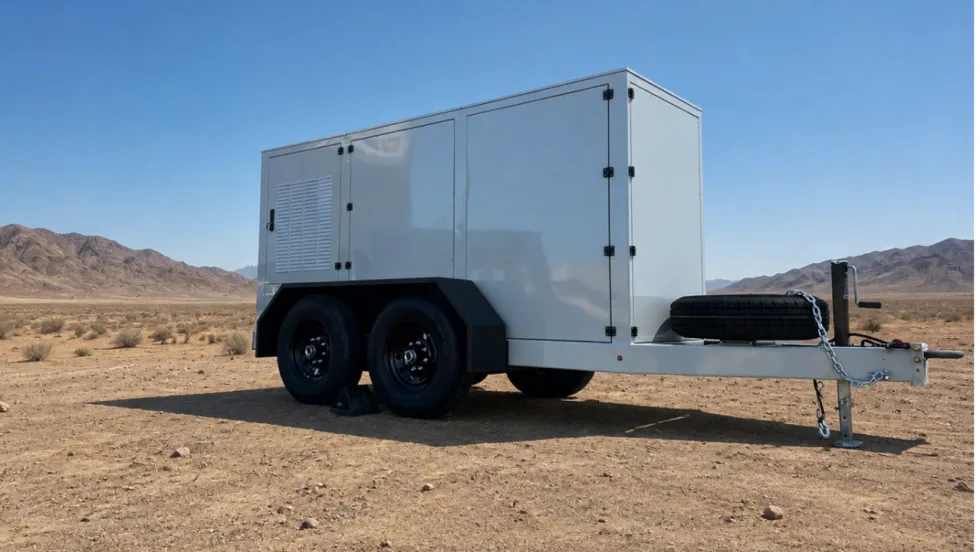
Xos Hub Surpasses One Gigawatt-Hour of Energy Delivered in the Field
A single Xos Hub has surpassed one gigawatt-hour of energy across more than 33,600 charging sessions in the field, demonstrating performance that supports Xos' expansion across new products and markets.
Read More →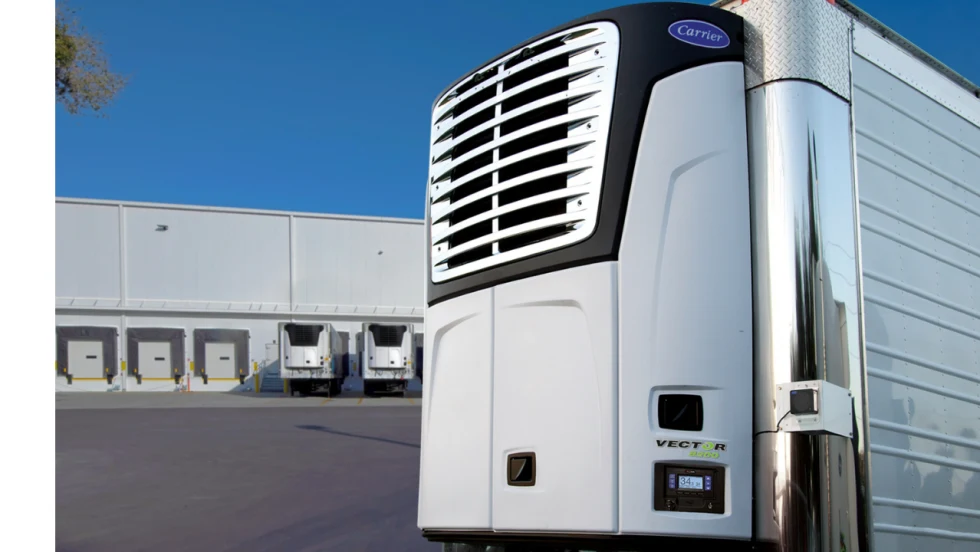
Carrier Transicold Launches All-Electric Vector 8200 TRU for Diesel-Free On-Site Cold Storage
Carrier Transicold’s first engineless multi-temperature TRU helps fresh- and frozen-food fleets add supplemental cold storage capacity during seasonal peaks.
Read More →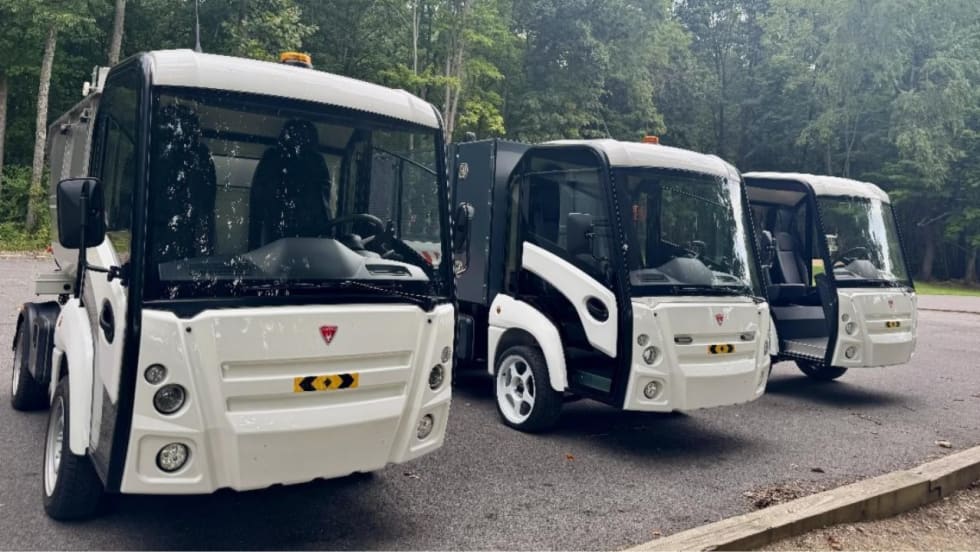
Narro Trucks Introduces Electric Utility Vehicle
Narro Trucks officially launched its operations on Aug. 20 and hosted a ride and drive to showcase its electric truck, which will be produced in Virginia.
Read More →