




NYC Aims to Clean Up Injuries, Fatalities Caused by Garbage Trucks
Over the past decade, some 43 people lost their lives in a collision involving a commercial sanitation truck in New York City.

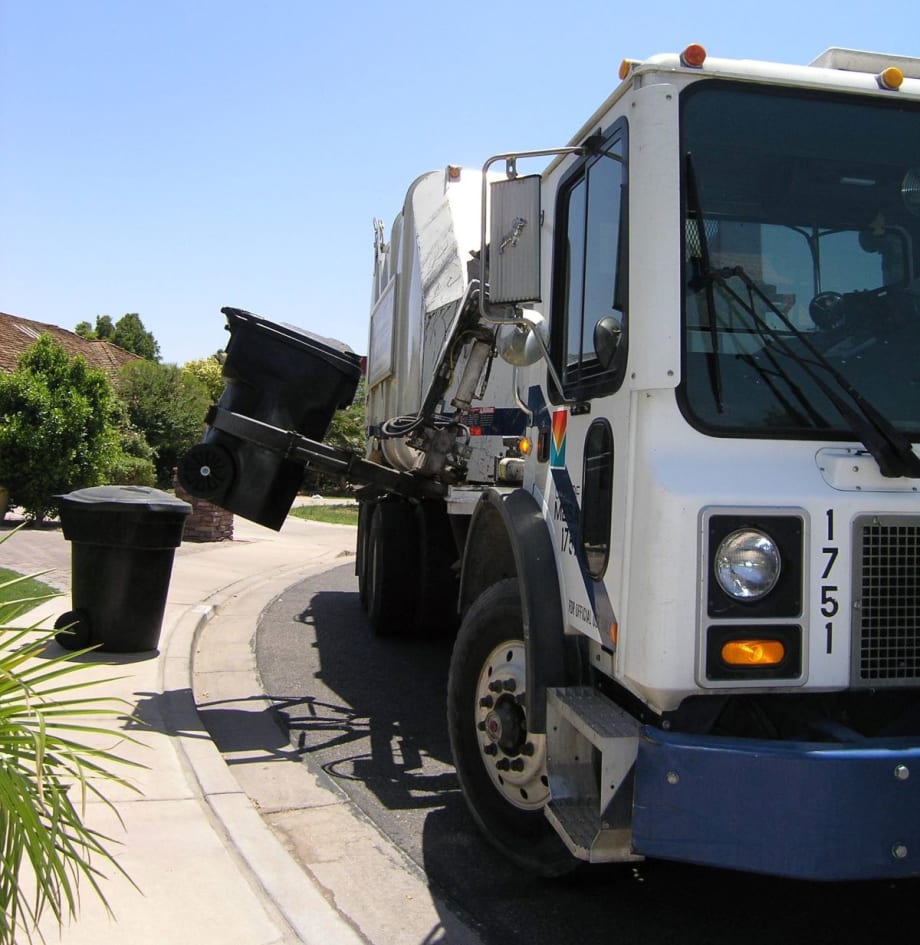
Commercial garbage trucks were involved in crashes that injured 107 people on New York City streets like this one between 2010 and 2019.
Photo via James Day on Unsplash.
Commercial garbage trucks were involved in crashes that caused at least 43 fatalities and 107 injuries in New York City from January 2010 through May 2019. A new report examines the root causes of the collisions and unveils a roadmap to prevent further incidents and boost safety.
The report is a joint effort of the NYC Department of Citywide Administrative Services (DCAS) and the NYC Business Integrity Commission (BIC).
Collisions involving commercial garbage trucks are on the rise across the nation, but there are heightened risks in urban settings. These large vehicles often provide limited driver visibility and are more difficult to operate than other vehicles, according to DCAS.
The new report sets forth four core recommendations.
Changing the design of truck cabs. Large trucks with conventionally designed cabs can have a frontal obstructed view of 20 feet or more. Since 2010, all fatal collisions in New York City involving a commercial garbage truck that was stopped and then put into drive, involved a cab with a conventional design. The recommendation is to design high-vision truck cabs in the future. DCAS also utilizes an app that can help fleets buy the safest available vehicles.
Installing a side guard. These barriers prevent vehicles, pedestrians, and cyclists from sliding under the truck during a side-impact collision and can result in a 40% reduction in fatalities.
Investing in vehicle technology. Technologies like surround cameras, safety lights automatic braking systems, and additional mirrors can reduce fatalities and injuries. DCAS and BIC will work together on developing best practices and retrofitting technology onto commercial garbage trucks.
Addressing visual impairments. Certain vehicle retrofitting devices, like bug deflectors, can increase visual impairment and pose an unnecessary safety risk.
Using the findings from this latest report, BIC created new safety rules for the trade waste industry that are now in effect. The rules include new requirements like crossover mirrors for trucks with conventional cab design, bi-annual truck inspections, annual safety training, and record-keeping requirements.
Originally posted on Automotive Fleet
More Safety

Volvo Trucks Releases New Safety Recommendations for Traveling with Pets
One of the most important recommendations for professional drivers traveling with pets is to ensure pets are properly restrained while the truck is moving. Other tips are available in the new guide from Volvo Trucks North America and Center for Pet Safety.
Read More →
API Issues Refueling Safety Guidelines
The American Petroleum Institute offers a list of safe vehicle refueling guidelines, including ways to avoid potential problems with static electricity discharges in fall, winter, and early spring.
Read More →
Winter Fleet Prep: Expert Tips to Keep Vehicles Running Smoothly
Cold weather can expose weak batteries, tires, fuel systems, and maintenance gaps fast. Use this winter fleet checklist to prepare trucks and drivers before temperatures drop.
Read More →
When a Work Truck Breaks Down, the Job Can Stop, Too
A work truck breakdown can stop more than the vehicle. Discover how payloads, jobsites, and specialty equipment change the roadside response.
Read More →
What Stronger Long-Term Fleet Service Partnerships Actually Require
Fleet service partnerships rarely fall apart all at once. Learn the three warning signs that trust is eroding and what fleets and providers can do before downtime, frustration, and lost revenue follow.
Read More →
Applause & TRUCE Software Partner to Improve Driver Safety Through AI-Powered Telematics & Employee Performance Management
Applause has integrated TRUCE driving metrics directly into its employee-first performance and safety platform that transforms mobile devices into AI-powered telematics.
Read More →
How Detroit Assurance with Active Brake Assist Works
Do you want to see what it is like to experience Detroit Assurance’s Active Brake Assist? In this video, Work Truck will put you in the cab to see how it all works and then hear more details from DTNA’s Mike Young.
Read More →
Get Left of Loss: A 5-Step Workplace Violence Prevention Framework for Fleet Operators
Violence risks do not stop at the driver’s door. Learn five practical steps fleets can take to spot threats early and protect workers before loss occurs.
Read More →
How Better Visibility Cut Speeding Violations by 48%
Fleet leaders don't need more data, they need clearer visibility into what the data is saying. This case study explores how one utility replaced speeding-event counts with a single metric — miles driven in violation — to strengthen safety and significantly reduce speeding violations.
Read More →
13 Safe Driving Tips for Commercial Vehicle Drivers
Make sure you are spending time on the road safely with these important tips.
Read More →