




NTSB Calls for Mandatory Collision Avoidance Tech
A new report highlights evidence that such systems prevent or mitigate rear-end crashes, and criticizes the slow progress in making the technology widely available.
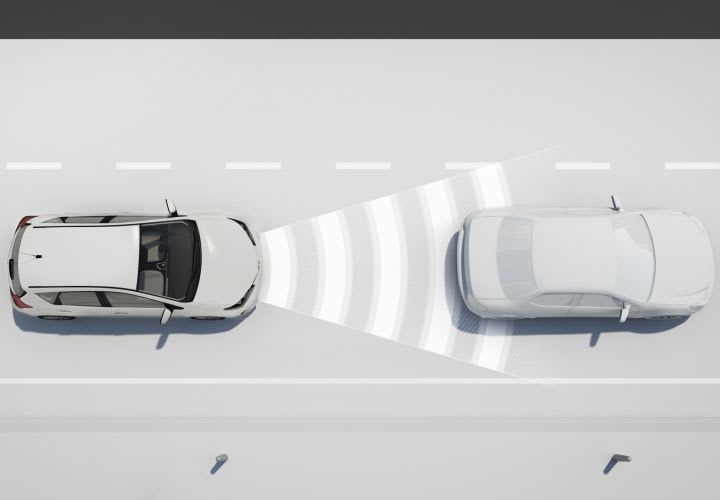
Photo of Toyota's dynamic radar cruise control technology courtesy of Toyota.

Photo of Toyota's dynamic radar cruise control technology courtesy of Toyota.
The National Transportation Safety Board has released a report recommending that the federal government and auto industry take immediate steps to ensure that collision avoidance systems become standard on all new passenger and commercial vehicles.
The report highlights evidence that such systems prevent or lessen the impact of rear-end crashes, and criticizes the slow progress in making the technology widely available. In 2014, only four out of 684 passenger vehicle models included a complete forward collision avoidance system as a standard feature.
"You don't pay extra for your seatbelt," said NTSB Chairman Christopher Hart. "And you shouldn't have to pay extra for technology that can help prevent a collision altogether."
According to statistics from the National Highway Traffic Safety Administration, rear-end crashes kill about 1,700 people each year and injure half a million more. More than 80 percent of these deaths and injuries might have been mitigated had the vehicles been equipped with a collision avoidance system, the report asserts.
The report cites NTSB’s safety technology recommendations included in a 2001 report and decries the lack of progress in making life-saving collision avoidance technology widespread.
In particular, the report takes aim at NHTSA. The agency has taken “slow and insufficient action” to develop performance standards for these technologies and to create incentives for automakers to include collision avoidance systems as standard equipment, the report concludes. The report recommends that NHTSA develop tests and standards in order to rate the performance of each vehicle’s collision avoidance systems and to incorporate those results in an expanded 5-Star safety rating scale.
NTSB operates outside of the U.S. Department of Transportation, which includes NHTSA.
The NTSB report recommends that automakers first make collision warning systems standard and later add autonomous emergency braking once NHTSA completes standards for such braking systems.
Progress in developing autonomous safety features shouldn't be used as an excuse to delay action, Hart noted.
"The promise of a next generation of safety improvements has been used too often to justify inaction," Hart said.
Originally posted on Automotive Fleet
More Safety
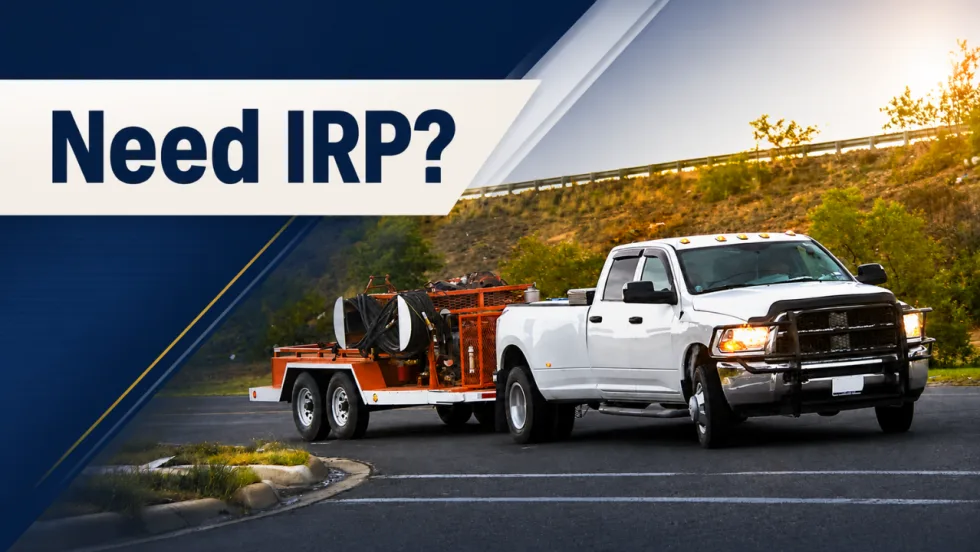
When Work Trucks Under 26,001 Pounds Need IRP Registration
Think trucks under 26,001 pounds are automatically in the clear when it comes to IRP? Not always. Learn where lighter vehicles can still run into trip permit, apportioned registration, and IFTA compliance requirements when crossing state or provincial lines.
Read More →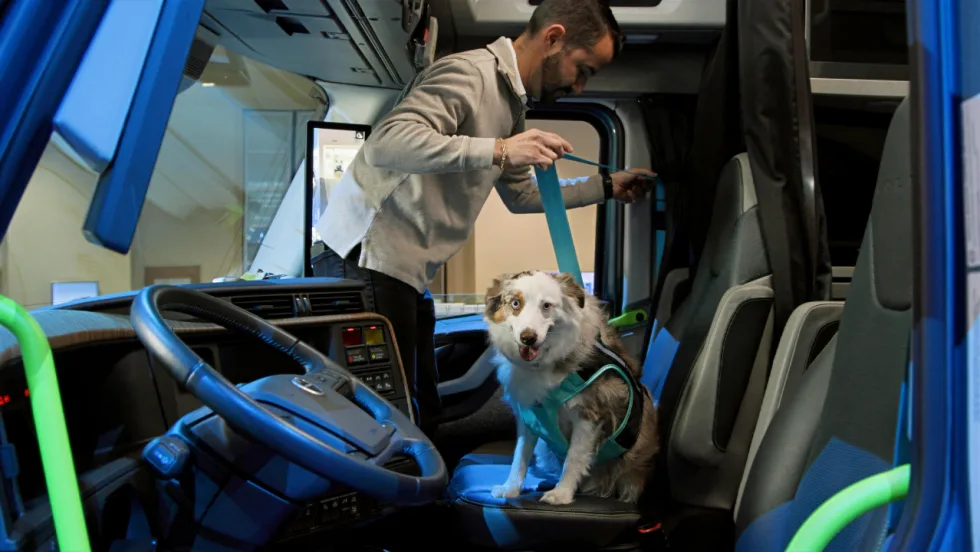
Volvo Trucks Releases New Safety Recommendations for Traveling with Pets
One of the most important recommendations for professional drivers traveling with pets is to ensure pets are properly restrained while the truck is moving. Other tips are available in the new guide from Volvo Trucks North America and Center for Pet Safety.
Read More →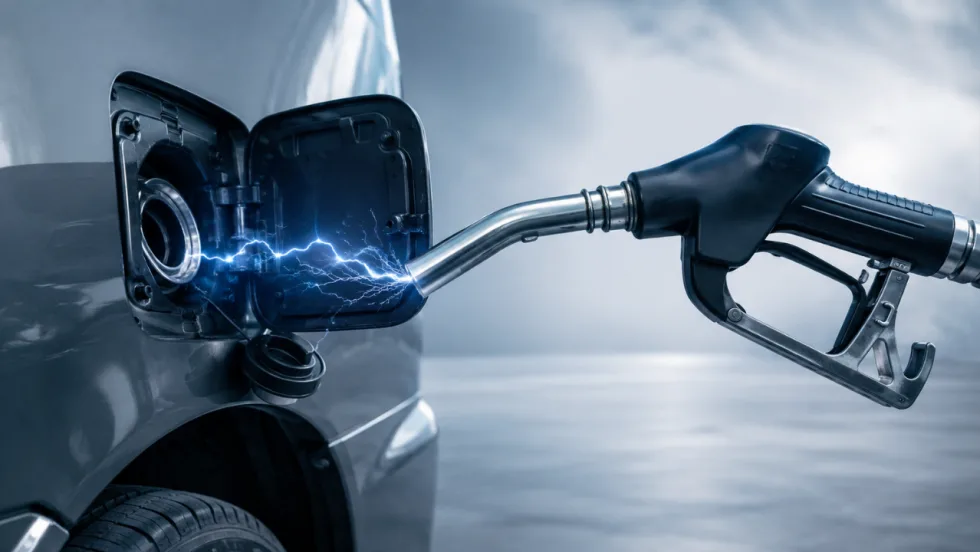
API Issues Refueling Safety Guidelines
The American Petroleum Institute offers a list of safe vehicle refueling guidelines, including ways to avoid potential problems with static electricity discharges in fall, winter, and early spring.
Read More →
Winter Fleet Prep: Expert Tips to Keep Vehicles Running Smoothly
Cold weather can expose weak batteries, tires, fuel systems, and maintenance gaps fast. Use this winter fleet checklist to prepare trucks and drivers before temperatures drop.
Read More →
When a Work Truck Breaks Down, the Job Can Stop, Too
A work truck breakdown can stop more than the vehicle. Discover how payloads, jobsites, and specialty equipment change the roadside response.
Read More →
What Stronger Long-Term Fleet Service Partnerships Actually Require
Fleet service partnerships rarely fall apart all at once. Learn the three warning signs that trust is eroding and what fleets and providers can do before downtime, frustration, and lost revenue follow.
Read More →
Applause & TRUCE Software Partner to Improve Driver Safety Through AI-Powered Telematics & Employee Performance Management
Applause has integrated TRUCE driving metrics directly into its employee-first performance and safety platform that transforms mobile devices into AI-powered telematics.
Read More →
How Detroit Assurance with Active Brake Assist Works
Do you want to see what it is like to experience Detroit Assurance’s Active Brake Assist? In this video, Work Truck will put you in the cab to see how it all works and then hear more details from DTNA’s Mike Young.
Read More →
Get Left of Loss: A 5-Step Workplace Violence Prevention Framework for Fleet Operators
Violence risks do not stop at the driver’s door. Learn five practical steps fleets can take to spot threats early and protect workers before loss occurs.
Read More →
How Better Visibility Cut Speeding Violations by 48%
Fleet leaders don't need more data, they need clearer visibility into what the data is saying. This case study explores how one utility replaced speeding-event counts with a single metric — miles driven in violation — to strengthen safety and significantly reduce speeding violations.
Read More →