




Northern California Chevron Refinery Fire Impacts West Coast Fuel Supply
AUSTIN, TEXAS – Because of the Chevron refinery fire in Northern California, the West Coast is facing a fuel shortage and rising gas prices. Something we all know places a burden on this state’s fragile economy.
AUSTIN, TEXAS – Because of the Chevron refinery fire in Northern California, the West Coast is facing a fuel shortage and rising gas prices. Something we all know places a burden on this state’s fragile economy. Cities, states and taxpayers will assume that burden, as our civil service entities struggle to continue providing vehicle dependent services such as law enforcement and public utility maintenance.
Energy Xtreme is the developer and manufacturer of mobile power idle reduction technology. A system designed specifically to reduce fuel waste by eliminating the need to idle. By providing heavy idle vehicles with mobile power idle reduction systems, equipment operation can be done without engaging the engine (power tools, lights, computers, and more). Suitable for all vehicle types, systems operate silently and emission free improving work site conditions and overall air quality.
In addition to the cost benefits of saving fuel, reducing dead batteries and maintenance, fleets increase their vehicle MPG and mitigate engine wear and tear.
Unless cities and states begin to recognize the benefits of idle reduction we will continue to be dependent on foreign oil, emit unnecessary greenhouse gases in the air, watch our economy struggle and waste taxpayer money.
What is Idle Reduction?
Idle reduction describes technologies and practices that minimize the amount of time drivers idle their engines. Avoiding idling time has a multitude of benefits, including; garnering savings in fuel and maintenance costs, extending vehicle life and reducing damaging emissions for better health and global sustainability.
Why Idle Reduction?
Recently, the World Health Organization (WHO) labeled diesel emissions a cancer causing carcinogen and it is estimated that approximately 1.5% of cancer deaths are attributed to air pollution.. Links between fuel consumption, climate change our environment and our health are well documented. Consider some of the implications climate change has on the environment and our health; the potential impacts include severe weather, to rising sea levels, droughts, forest fires and floods.
Idling vehicles use billions of gallons of fuel each year and emit large quantities of air pollution and greenhouse gases. Idle reduction technologies and practices are an important way to cut petroleum consumption and emissions. In the U.S. medium-duty trucks alone use about 2.5 billion gallons of fuel to idle each year, or 6.7% of the total fuel they consume.
In the public sector, idling is common. police officers, public works employees, fire fighters (and EMT's), who operate city fleet vehicles idle to perform their duties which require them to operate radios, emergency lights, laptops, digital cameras, license plate readers, or powering equipment, power tools and hydraulics. The emissions generated from these tasks by city's all over the U.S. contribute to the fact that each year U.S. passenger cars, light trucks, medium-duty trucks, and heavy-duty vehicles consume more than 6 billion gallons of diesel fuel and gasoline—without even moving.
Fuel pricing volatility is a fleet management challenge and as fuel prices continue to rise, cities and states need to figure out how to keep service vehicles on the road to serve the public while staying within budget.
The trucking industry has analyzed the impact of idling on engines, both in terms of maintenance and engine wear costs. Long-duration idling causes more oil and oil filter deterioration and increases the need for more oil and filter changes. Similarly, the longer the idling time, the sooner the engine, itself, will need to be rebuilt. The trucking industry estimates that long duration idling costs the truck owner $1.13 per day, based on the need for more frequent oil changes and sooner overhaul costs.
More Fuel

Precision Under Pressure: Why Modern Diesels Demand a New Fuel Maintenance Playbook
Modern diesel fuel systems leave little room for contamination, deposits, or old maintenance habits. See why today’s HPCR engines demand a more proactive approach to fuel quality, injector health, and DPF protection.
Read More →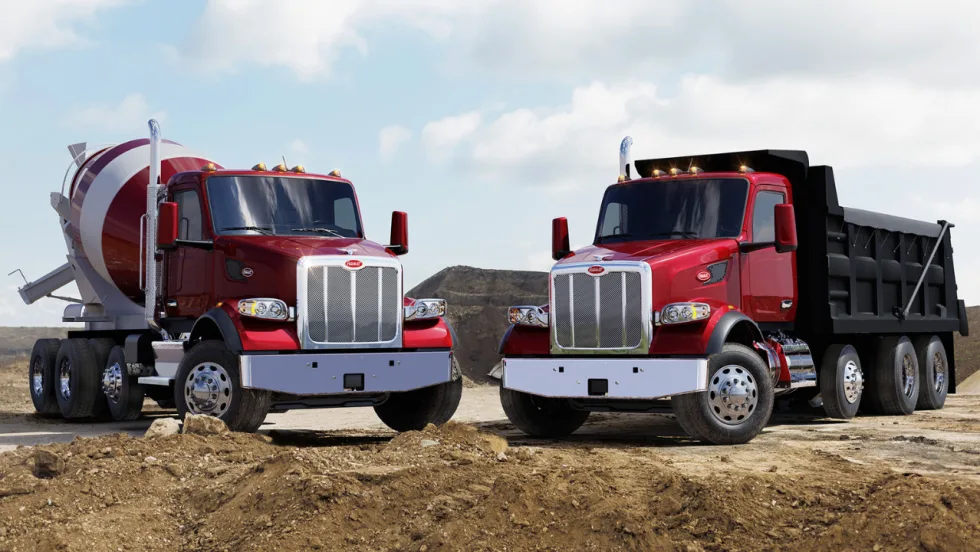
Peterbilt Trucks Equipped with Paccar TX-18 Pro Boost Efficiency for Maryland Fleet
Patuxent Companies is replacing aging trucks with the Peterbilt Model 567 and Model 589, specified with the Paccar TX-18 Pro 18-speed automated transmissions, and is reporting an 8% to 10% improvement in fuel economy.
Read More →
The Smart Way to Build a Mixed-Energy Fleet Isn’t About Picking a Side
Mixed-energy fleets aren’t about picking a winning fuel. Sarah Booth of WEX explains how vehicle data, duty cycles, charging strategy, and real-world costs can help fleets choose the right energy source for each job.
Read More →


Ignoring This Dashboard Warning Could Cost Your Fleet Thousands in Fuel
New research suggests neglected diesel aftertreatment systems could waste up to $30 in fuel per vehicle each day. Here's why vocational fleets should pay attention.
Read More →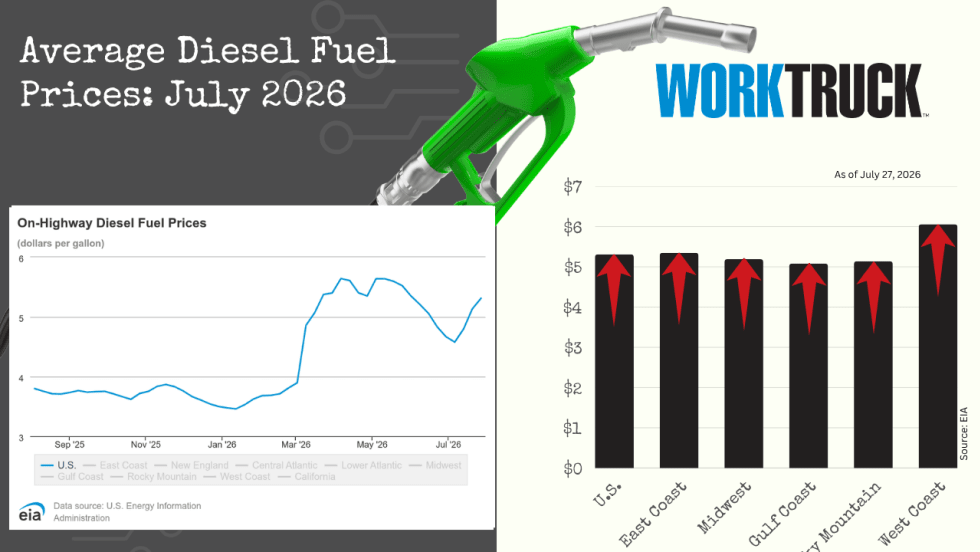
July Diesel Trends Update
The average price of a gallon of diesel increased again this week, and the EIA reported a new national average of $5.31 at the start of the week.
Read More →
WEX Brings Standard Fleet's Connected Vehicle Platform to Fleet Customers
This week’s product launch with Standard Fleet’s connected vehicle platform reflects WEX Venture Capital's strategy of turning startup innovation into customer solutions. Standard Fleet is now available to WEX fleet customers.
Read More →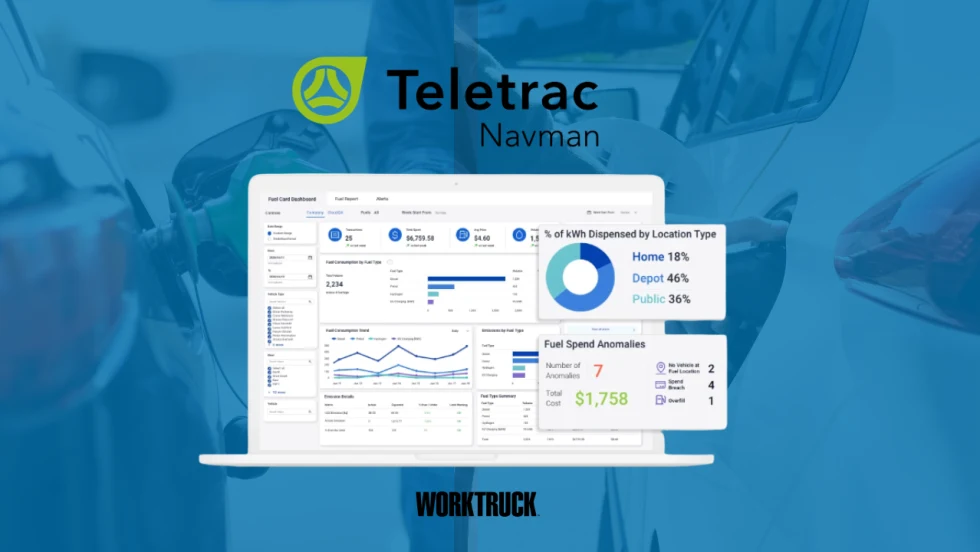
Teletrac Navman Adds Mixed-Energy Fleet Tools to TN360
The new Energy Hub combines fuel transactions, EV charging data, vehicle range, and energy costs in one dashboard for fleets operating multiple vehicle and energy types.
Read More →
WEX DriverDash adds CITGO, Expands Nationwide Access for Fleets
The DriverDash mobile payment app, by WEX, has been integrated into the CITGO merchant network, which means WEX has expanded its U.S. station footprint with the addition of approximately 4,000 CITGO locations.
Read More →
Mixed Energy Fleet Tips for Balancing EVs, Gas and Diesel Vehicles
Mixed energy fleets are becoming the new normal. Learn how fleet managers are balancing EVs, gas and diesel vehicles while controlling costs and planning for the future.
Read More →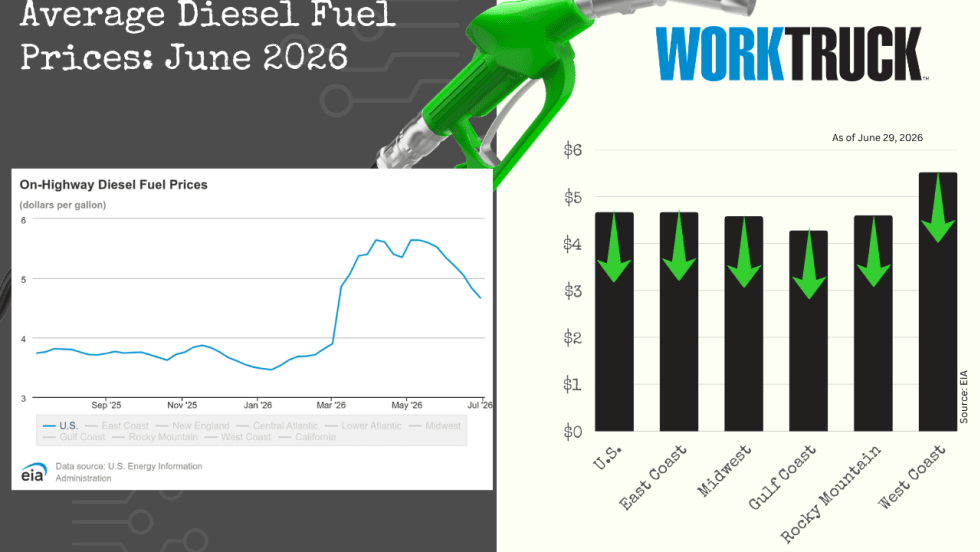
June Diesel Trends Update
The national average price of a gallon of diesel has dropped again, this week by more than 16 cents. All five regions reported lower average prices, ranging from almost 13 cents to more than 28 cents cheaper than a week ago.
Read More →