




New Honda-Designed Fuel Cell Added to California FCV Demonstration Program

A Honda FCX-V3 fuel cell vehicle equipped with a new Honda-designed fuel cell stack has joined the fleet of vehicles participating in the California Fuel Cell Partnership's (CaFCP) public highway demonstration program, Honda Motor Co., Ltd., announced on Feb. 13. Earlier Honda FCX versions were powered by fuel cell stacks developed by Ballard Power Systems, Inc., including the the FCX-V1 introduced in 1999 and a previous version of the FCX-V3 that has been participating in the CaFCP program since it started last November. The FCX-V2 was powered by the first generation Honda stack and demonstrated in September 1999. The new version of the FCX-V3 reflects the improved performance and reliability of Honda's own fuel cell stack design. The CaFCP program will help verify the on-road performance of Honda's fuel cell technology. The Honda fuel cell stack stores gaseous hydrogen under high pressure to create electricity, which in turn drives an electric motor and the wheels. Combined with a Honda-developed ultra capacitor, it provides excellent response and high efficiency, according to Honda officials. Environmental performance is also outstanding, with zero emissions, zero CO2 and the potential to use renewable fuel. "Honda believes the fuel cell offers tremendous potential as a high efficiency automotive powerplant," said Ben Knight, vice president of Honda Research and Development and the company's CaFCP representative. "We will continue to pursue fuel cell vehicle development with stacks of Honda's own design and others." The FCX-V3 seats up to four persons and features a startup time of about 10 seconds (compared to the 10-minute startup time for some previous models). Vehicle operation is also very quiet. The ultra-capacitor contributes to acceleration performance as well as highly efficient energy management. About the California Fuel Cell Partnership The CaFCP is based in West Sacramento and is a joint-participation project that includes the California and federal government agencies, energy companies, auto manufacturers and fuel cell stack manufacturers. The objective of the project is to work cooperatively to lay a foundation for future fuel cell commercialization. This includes the advancement of fuel cell vehicles, the development of fueling and infrastructure approaches, and expanding public awareness of the benefits of fuel cell technology.
More Sustainability
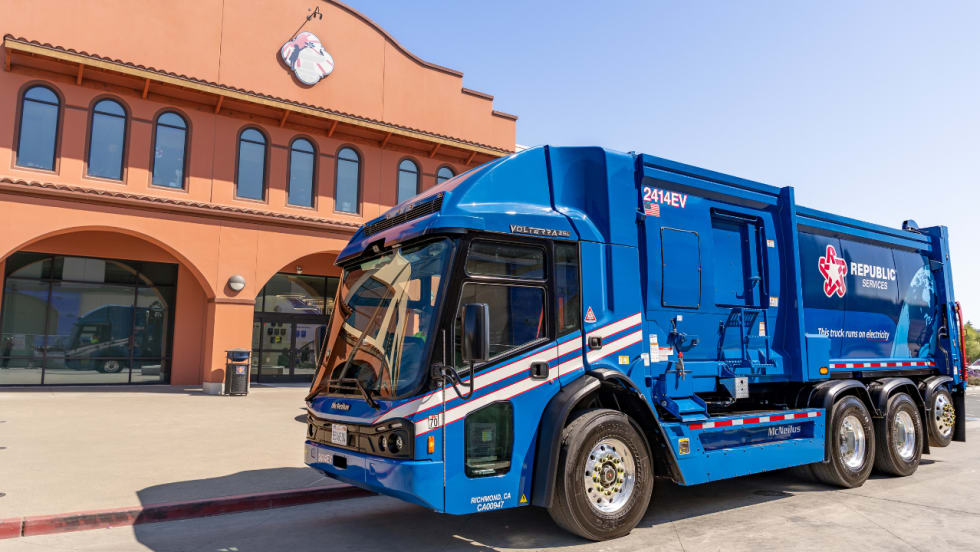
What Republic Services Learned Moving Electric Trucks Beyond the Pilot
With 250 electric refuse trucks now in service, Republic Services is learning that scaling a new powertrain depends as much on routes, drivers, technicians, and daily operations as it does on the truck itself.
Read More →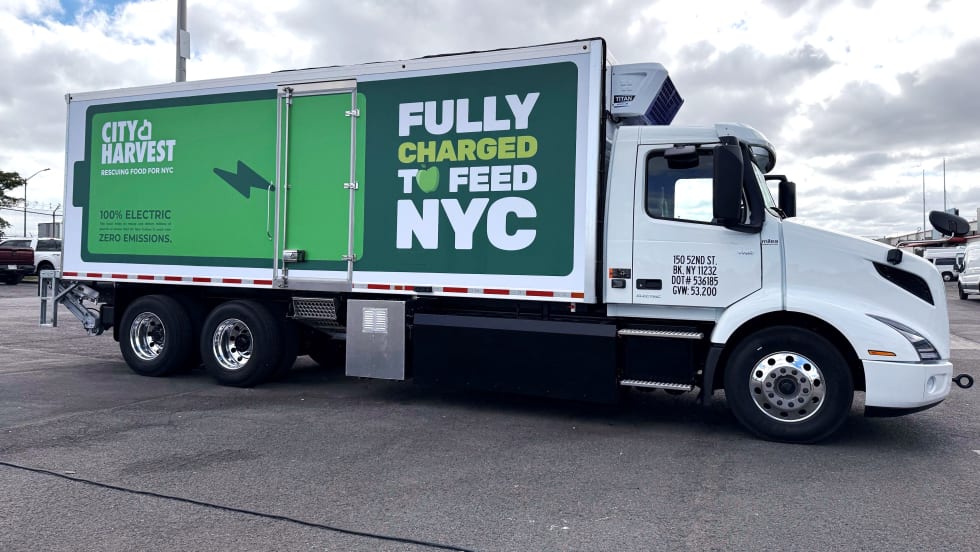
City Harvest Begins Using Volvo VNR Electric Trucks to Rescue Food Across New York City
Volvo Trucks North America and the Bronx Is Breathing project team handed over three new Volvo VNR Electric trucks to City Harvest, which will use the trucks to rescue and deliver food throughout the Bronx and across all five boroughs of New York.
Read More →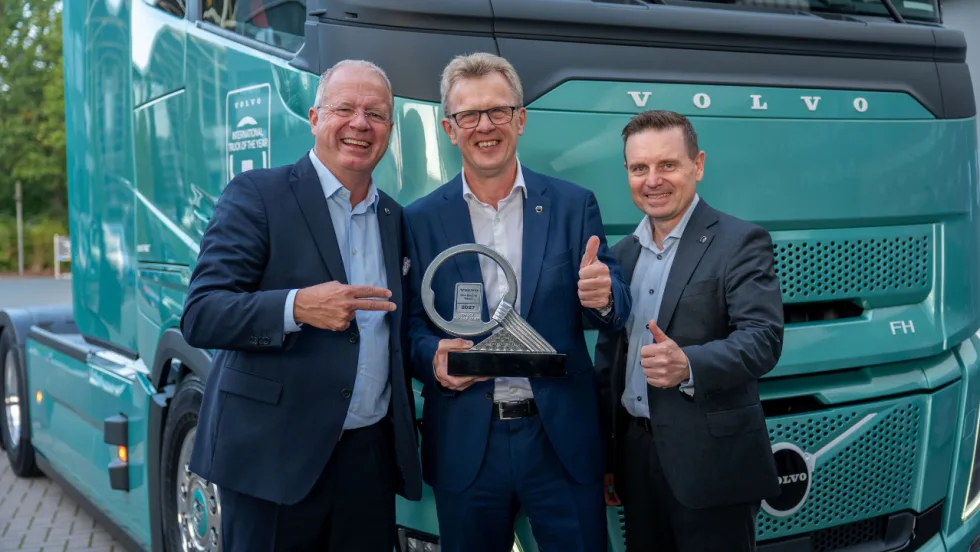
Volvo Trucks Wins International Truck of the Year 2027 for its Global Electric Range
Volvo Trucks' global heavy-duty electric range has been named International Truck of the Year 2027. Since 2019, more than 7,000 electric Volvo trucks have driven more than 310 million miles worldwide.
Read More →


Fleet Forward Conference Introduces One-Day Passes for 2026
New one-day registration gives fleet professionals the flexibility to attend Tuesday, Wednesday, or Thursday, with passes available for $199 through Sept. 18.
Read More →
CALSTART Rebrands as Catalyst Mobility, Will Combine with Forth in 2027
CALSTART has rebranded as Catalyst Mobility and will combine with Forth at the start of 2027. The new organization said it is poised to become one of the world's largest, strongest, and most impactful clean transportation nonprofits.
Read More →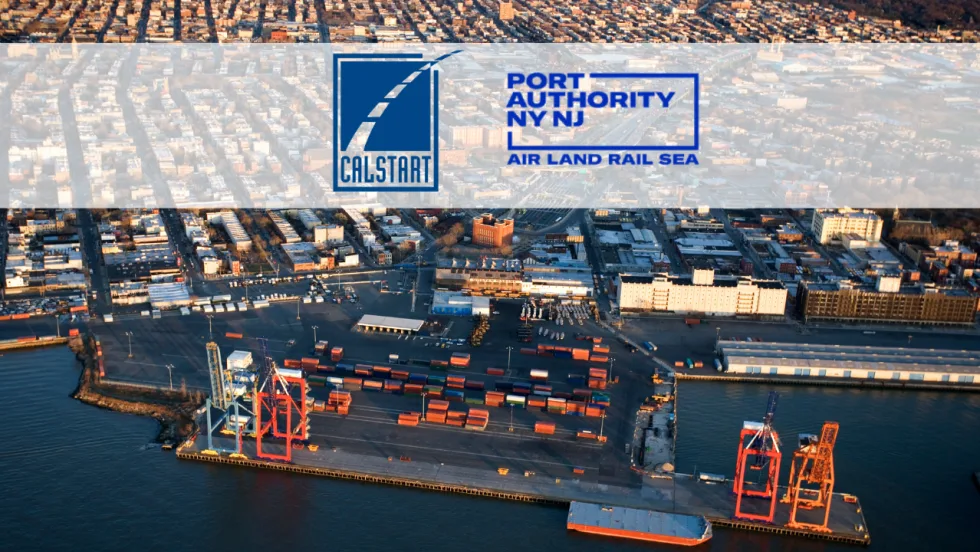
Electric Truck and Charging Programs to Boost Sustainability at NY & NJ Ports
Together, the Port Authority of New York and New Jersey and CALSTART will electrify drayage and terminal operations serving the East Coast’s busiest container port. A pair of incentive programs totaling $45 million has launched to accelerate adoption of zero-emission drayage trucks and terminal tractors.
Read More →
The Smart Way to Build a Mixed-Energy Fleet Isn’t About Picking a Side
Mixed-energy fleets aren’t about picking a winning fuel. Sarah Booth of WEX explains how vehicle data, duty cycles, charging strategy, and real-world costs can help fleets choose the right energy source for each job.
Read More →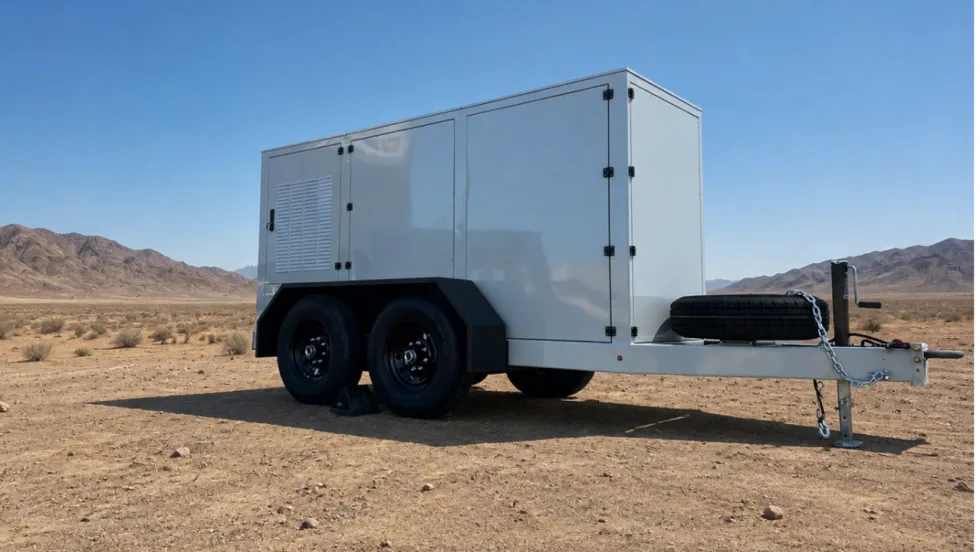
Xos Hub Surpasses One Gigawatt-Hour of Energy Delivered in the Field
A single Xos Hub has surpassed one gigawatt-hour of energy across more than 33,600 charging sessions in the field, demonstrating performance that supports Xos' expansion across new products and markets.
Read More →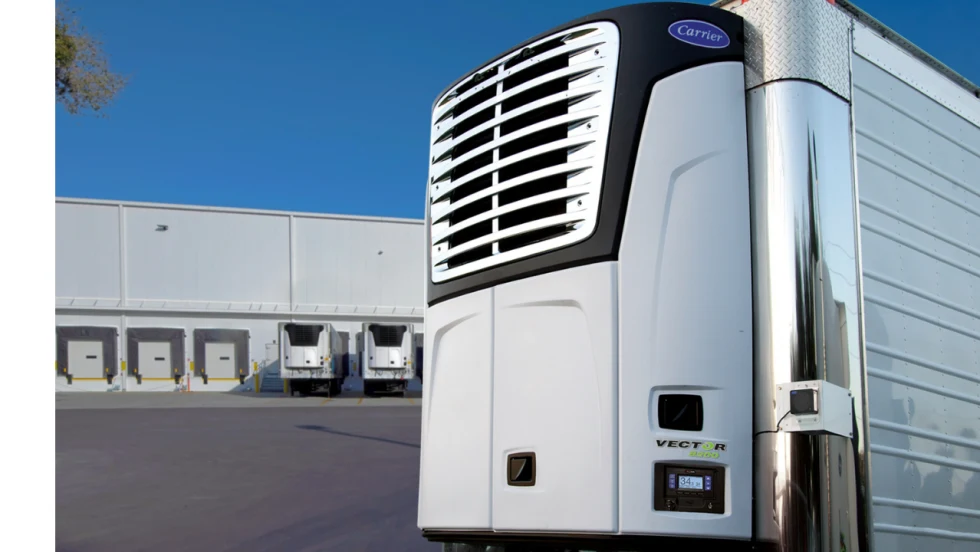
Carrier Transicold Launches All-Electric Vector 8200 TRU for Diesel-Free On-Site Cold Storage
Carrier Transicold’s first engineless multi-temperature TRU helps fresh- and frozen-food fleets add supplemental cold storage capacity during seasonal peaks.
Read More →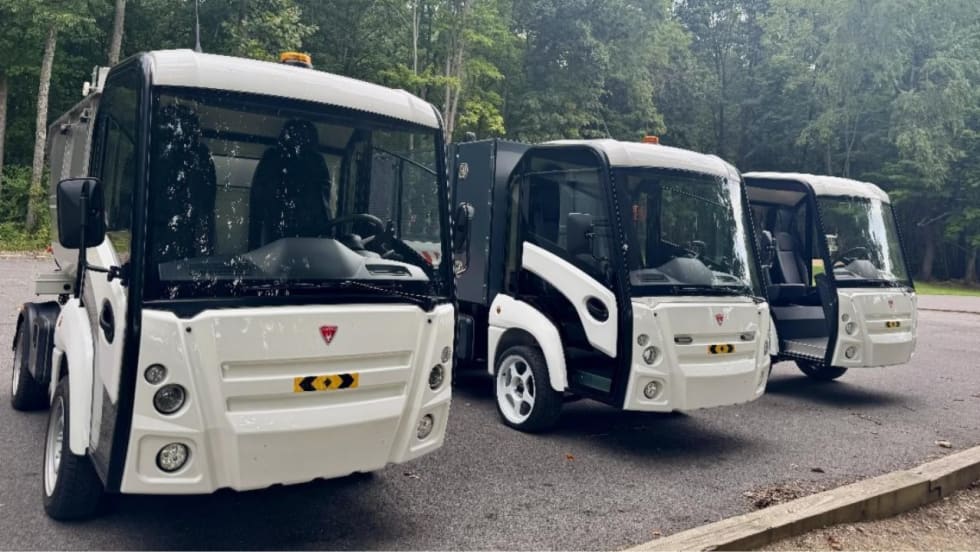
Narro Trucks Introduces Electric Utility Vehicle
Narro Trucks officially launched its operations on Aug. 20 and hosted a ride and drive to showcase its electric truck, which will be produced in Virginia.
Read More →