




New Federal Rules for Companies Operating Trucks
PROVIDENCE, RI – Nearly 6,000 Rhode Island companies that operate trucks and livery vehicles will come under new federal registration rules this fall as a result of changes in interstate transportation laws.
PROVIDENCE, RI – Nearly 6,000 Rhode Island companies that operate trucks and livery vehicles will come under new federal registration rules this fall as a result of changes in interstate transportation laws, according to the Providence Journal.
Nearly two years in the making, and effective Nov. 1, the rules bring businesses once exempt from federal registration requirements under the same rules that govern long-haul truckers.
The change means thousands of previously exempt companies or contractors will have to register their vehicles with the Rhode Island Division of Public Utilities and Carriers, according to an agency spokesman.
“For-hire” trucking companies, such as FedEx Corp. and JB Hunt Transport Services Inc., complained for years that other companies were getting a free pass on the nation’s roadways because some businesses were not required to register vehicles that traveled across state borders.
The push resulted in passage of the Unified Carrier Registration Act of 2005, which altered the system for collecting and distributing fees that truckers pay to haul goods around the nation, according to The Journal.
The new program will replace the Single State Registration System — a state-administered program that ensures that interstate “for-hire” motor carriers operate properly. About $110 million, in all, was collected by the states in 2004, the baseline used for the new system’s revenue estimates.
The new rules increase the number of vehicles that fall under the registration requirements by including private fleets — such as those a retailer might use to ferry goods between a warehouse and its stores, plus leasing companies, freight brokers, and freight forwarders.
By spreading around the costs, the rules lower fees for interstate haulers without cutting into the revenue that states use to maintain roadways and transportation programs. Registrations in Rhode Island are expected to generate $2.4 million in the first year.
The rules require any company that operates a truck with a gross vehicle weight of at least 10,000 pounds or an 11-passenger vehicle (including the driver) that crosses state lines, to register with the agency that oversees haulers in its home state. Trailers are considered a separate vehicle from the tractor cabs that pull them.
As many as 6,000 companies or contractors in Rhode Island may be affected by the rules, Mercer said.
The annual registration fee varies according to the number of vehicles a company operates. For instance, companies with one or two trucks would pay $39 annually, while a business with between 100 and 1,000 trucks would pay $3,840. The single amount would cover all trucks in a company’s fleet.
To push compliance with the new rules, the federal government has allowed states to increase fines for unregistered trucks. The fine in Rhode Island will increase from $75 per truck to $300.
Theoretically, an unregistered truck could be cited in each member state in which it travels, multiplying the penalties a company would pay for not complying with the new rules.
Only 39 states participate in the program, but they have the authority to fine unregistered trucks based in the 11 other states.
The Federal Motor Carrier Safety Administration (FMCSA), whose mandate is to reduce crashes and injuries involving large trucks and buses, created the Unified Carrier Registration Board to oversee the new system.
The board has asked states to hold off fining companies until Nov. 1.
By the middle of this month, the PUC will send out notices and registration packets to companies it believes fall under the new rules.
“That gives carriers about six week to get this information in the mail, digest it and get them registered,” Mercer said.
Companies will be able to register their fleets on the Internet beginning Sept. 10, by mail or by visiting the appropriate agency in their home state. In Rhode Island, that is the Division of Public Utilities and Carriers.
Credit cards and electronic payments are acceptable in most instances. But the PUC office staff can accept checks or money orders only at its offices on Jefferson Boulevard in Warwick.
More Operations
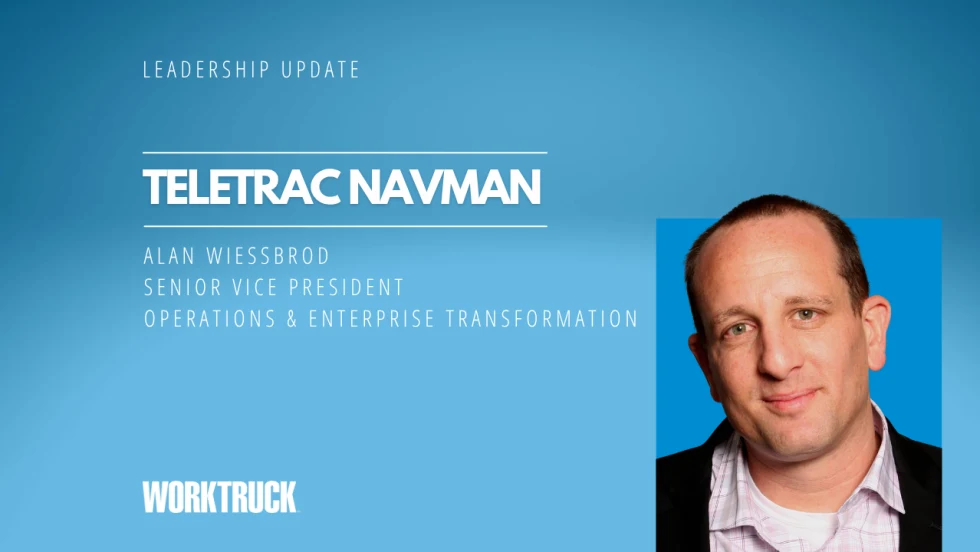
Teletrac Navman Hires SVP of Operations & Enterprise Transformation
Teletrac Navman has appointed Alan Wiessbrod to its senior leadership team as senior vice president, operations and enterprise transformation. The company said he has a strong track record of delivering profitable growth and operational excellence.
Read More →
2027 GM Trucks, Technician Retention, and Fleet Lessons Lead This Week’s News
New GM pickups, technician retention, fleet leadership lessons, winter equipment, and more headline this week’s Truck Chat Weekly Cheat Sheet.
Read More →
Family Ties Inside the Fleet Families Building Careers Across Generations
Three fleet families share what it really takes to work together, learn across generations, and keep business from following them home.
Read More →From Our Partners




Shades of Fleet Call for Voices: Fleet's Hidden Heroes
Fleet’s hidden heroes are often the ones keeping everything moving behind the scenes. September’s Shades of Fleet is looking for dispatchers, coordinators, parts specialists, and other support pros to share their stories.
Read More →
Truck Centers, Inc. Celebrates National Truck Driver Appreciation Week with $1,000 Fuel Card Giveaways
During National Truck Driver Appreciation Week, Truck Centers, Inc. is offering customers a chance to fuel up for free. Customers at all Truck Centers locations can enter to win one of four $1,000 fuel cards from Sept. 14 - 18.
Read More →
Fleet Guides, AI Time-Savers, Truck Tariffs & Fuel Strategy Lead the News
This week’s Truck Chat Cheat Sheet covers new fleet vehicle guides, practical AI use cases, U.S.-Canada truck production, mixed-energy strategy, and more.
Read More →
What Fleet Employers Are Missing When Hiring Veterans
What if some of the strongest candidates for fleet are already out there, but their experience is written in a language our industry does not always recognize?
Read More →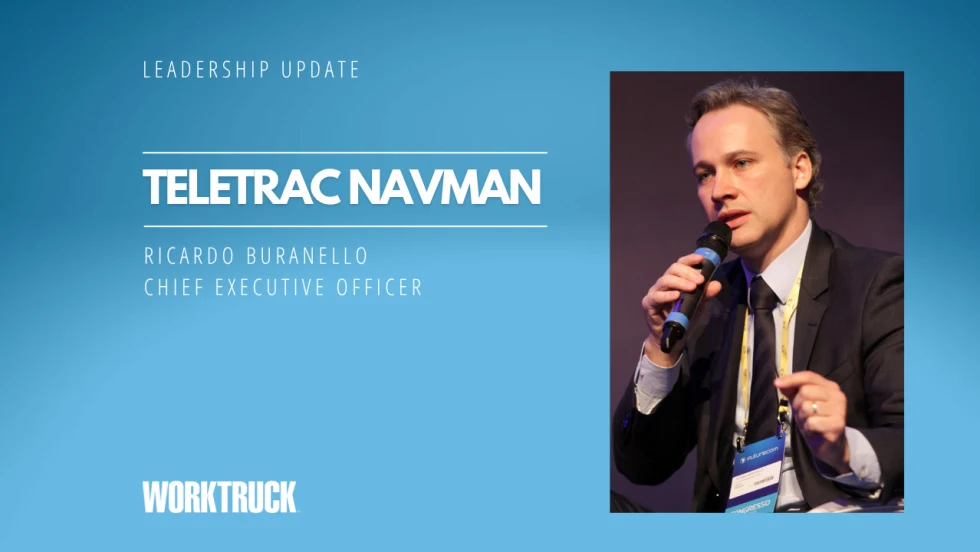
Teletrac Navman Promotes New CEO from Within
Teletrac Navman’s next CEO, Ricardo Buranello, has served as the company’s chief financial and operating officer. He brings deep financial and operational expertise, a strong strategic orientation, and an intimate knowledge of the business to his new role.
Read More →
Automotive Fleet Opens 2026 Personal Use Survey for Commercial Fleet Managers
Less than two weeks left! Commercial and corporate fleet managers are invited to share how their organizations handle company vehicle personal-use policies, charges, and driver eligibility.
Read More →
What Resilient Fleets Do Differently When Conditions Change
Fleet resilience is about more than reacting to disruption. Lauren Fletcher talks with AP Fleet’s Alex Coveney about flexibility, planning, scaling, and what helps fleets adapt when business conditions shift.
Read More →