




Modern Transportation Launches the Era of 12-liter, Natural Gas Powered Trucking
Modern Transportation, an industry leader in bulk logistics solutions, announced the successful deployment of freight service to the Owens Corning Roofing Plant in Savannah, Ga., using trucks powered solely by 12.0L natural gas-fueled engines.
Modern Transportation, an industry leader in bulk logistics solutions, announced the successful deployment of freight service to the Owens Corning Roofing Plant in Savannah, Ga., using trucks powered solely by 12.0L natural gas-fueled engines. The high volume, dedicated service established between Sanford, NC and Savannah, GA on April 18th, 2013, is the first ever built around commercial-order, production-built engines (Cummins Westport ISX12 G) fueled exclusively with liquefied natural gas (LNG).
“We’re absolutely thrilled to operate the first production transportation service powered by 12.0L natural gas engines,” said Patrick Cozzens, president of Modern Transportation. “Along with our partners who made this happen and Owens Corning who ‘drove’ the idea, we’re committed to delivering high quality logistics solutions in the safest, greenest and most sustainable fashion. As a participant in the natural gas production industry, we’re also delighted and honored to utilize America’s own shale gas reserves to power our fleet.”
This breakthrough in truck fuel technology and power was given strong impetus by Owens Corning through their strategic focus on transitioning their supply chain into natural gas-fueled solutions as rapidly as possible. A Fortune 500 manufacturer and market innovator in glass-fiber technology, Owens Corning operates one of the nations’ largest supply chain infrastructures. OC’s Chief Sustainability Officer, Frank O’Brien-Bernini, took note of this milestone: “As we strive to improve the total life cycle environmental impact of our products, we have challenged our supply chain/logistics partners to join us in dramatically reducing the greenhouse gas emissions of our inbound raw materials and outbound finished products. Modern Transportation has proactively embraced this challenge, solving problems and presenting viable conversion opportunities. We applaud their initiative in contributing to our diesel-to-natural gas conversion strategy.”
Modern Transportation has closely monitored the NG-powered truck sector and had opted to defer on freight opportunities tied to natural gas powering until the output from prior generation 9-liter engines was improved upon. Patrick Cozzens elaborated, “The horsepower required to move the freight loads common to heavy bulk trucking – particularly for the high volume, mission-critical manufacturers who demand safe, reliable and responsive service – made the 12-liter motor a necessity. As the NG fuel supply infrastructure matures, we believe this generation of NG-fueled engines will transform the face of trucking.”
The power plant making this service possible is the Cummins Westport ISX12 G installed in Freightliner Cascadia day cabs. Old Dominion Truck Leasing actively pursed ownership of these first production units and leases them directly to Modern Transportation. The fleet will fuel at Clean Energy’s Latta, SC station and will complete each 600-mile roundtrip on a single fueling.
RELATED CONTENT:
Fleet Safety a Winning Value for Modern Transportation's Employees & Company
Modern Transportation Services’ Evans Receives Fleet Safety Award
More Green Fleet

Fleet Forward Conference Introduces One-Day Passes for 2026
New one-day registration gives fleet professionals the flexibility to attend Tuesday, Wednesday, or Thursday, with passes available for $199 through Sept. 18.
Read More →
CALSTART Rebrands as Catalyst Mobility, Will Combine with Forth in 2027
CALSTART has rebranded as Catalyst Mobility and will combine with Forth at the start of 2027. The new organization said it is poised to become one of the world's largest, strongest, and most impactful clean transportation nonprofits.
Read More →
Electric Truck and Charging Programs to Boost Sustainability at NY & NJ Ports
Together, the Port Authority of New York and New Jersey and CALSTART will electrify drayage and terminal operations serving the East Coast’s busiest container port. A pair of incentive programs totaling $45 million has launched to accelerate adoption of zero-emission drayage trucks and terminal tractors.
Read More →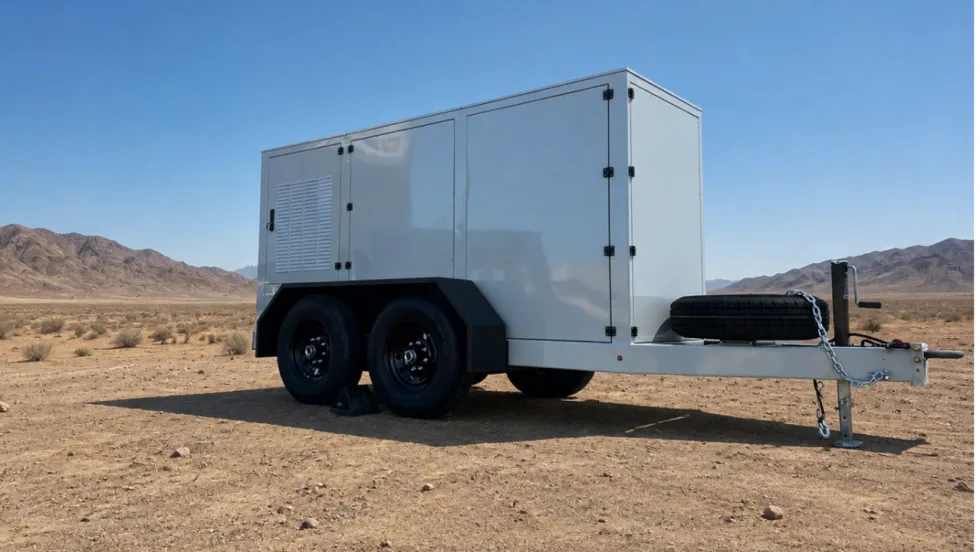
Xos Hub Surpasses One Gigawatt-Hour of Energy Delivered in the Field
A single Xos Hub has surpassed one gigawatt-hour of energy across more than 33,600 charging sessions in the field, demonstrating performance that supports Xos' expansion across new products and markets.
Read More →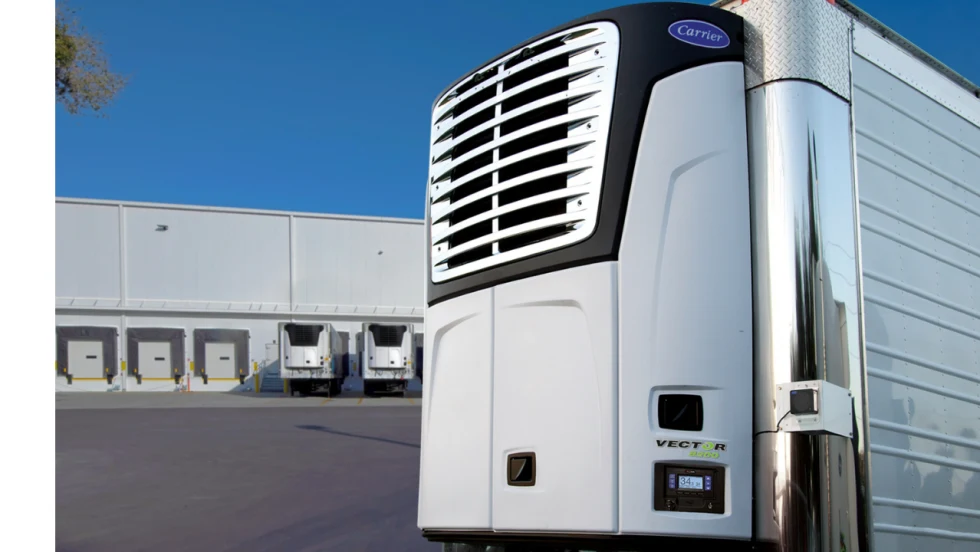
Carrier Transicold Launches All-Electric Vector 8200 TRU for Diesel-Free On-Site Cold Storage
Carrier Transicold’s first engineless multi-temperature TRU helps fresh- and frozen-food fleets add supplemental cold storage capacity during seasonal peaks.
Read More →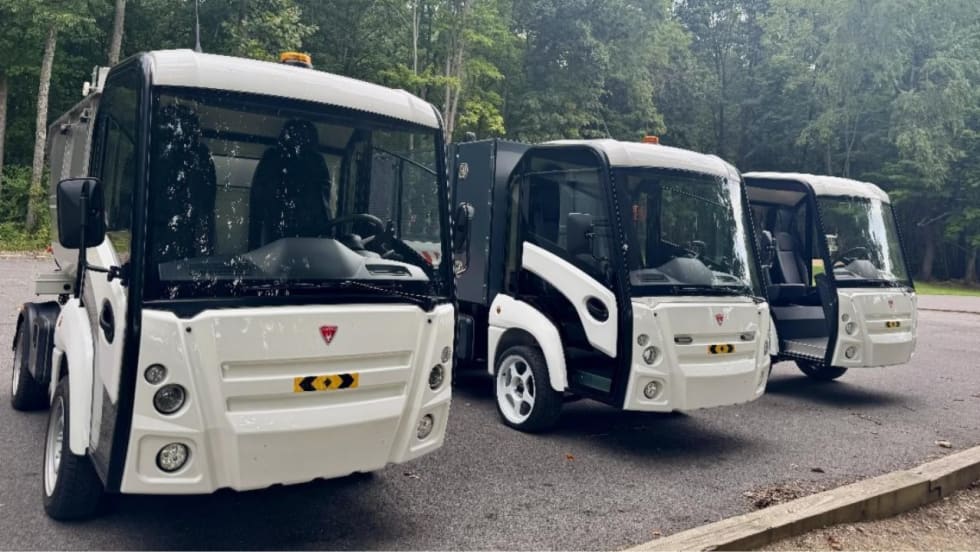
Narro Trucks Introduces Electric Utility Vehicle
Narro Trucks officially launched its operations on Aug. 20 and hosted a ride and drive to showcase its electric truck, which will be produced in Virginia.
Read More →
Samsung SDI Takes Full Control of GM Battery JV as Indiana Plant Pivots to Energy Storage
Samsung SDI is taking full control of its Indiana battery plant with GM, marking a major shift from the EV-focused joint venture Charged Fleet first covered in 2023.
Read More →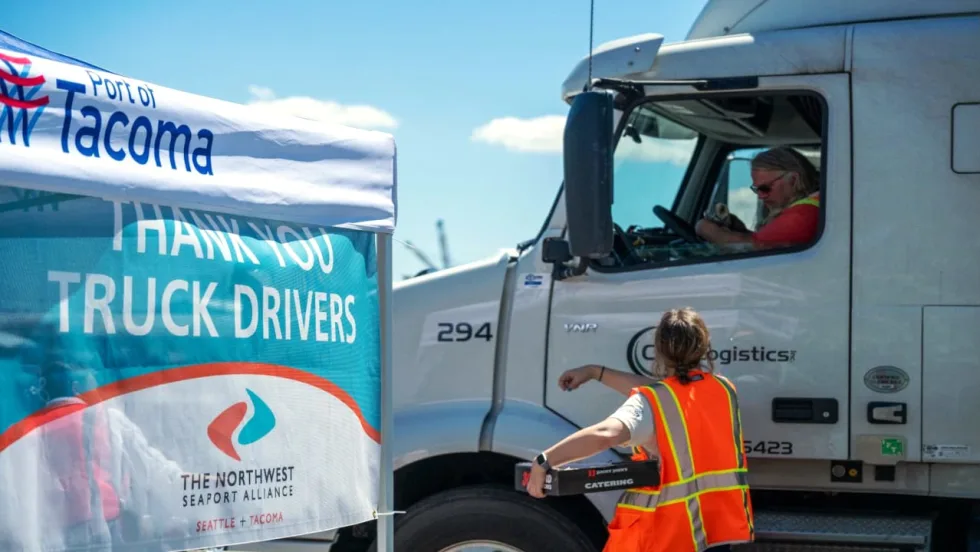
NWSA Taps CALSTART to Administer Zero-Emission Drayage Assistance Program
CALSTART will provide free technical assistance services to drayage fleets serving the Ports of Seattle and Tacoma and looking to transition to cleaner technologies and help decarbonize freight hubs.
Read More →
EV Fleet Reality Check: What Operators Wish They Knew Before Electrifying Their Work Vans
Electric work truck upfits bring new compatibility questions. Learn how parts availability, OEM guidance, power demands, and route planning can affect fleet performance.
Read More →
Peterbilt Expands Sourcewell Partnership with Electric Vehicle Lineup
Peterbilt Motors Company’s cooperative purchasing agreement with Sourcewell and its Canadian partner, Canoe Procurement Group, now includes including Peterbilt's battery-electric vehicle lineup.
Read More →