





Related: IIHS Developing Ratings for Advanced Driver Assistance Systems
Mobileye, Geotab Technology Tested by Insurance Institute
Retrofitting older vehicles with a collision warning system and a telematics device can significantly improve driver behavior and enhance safety, according to a new study from the Insurance Institute for Highway Safety.
November 6, 2018
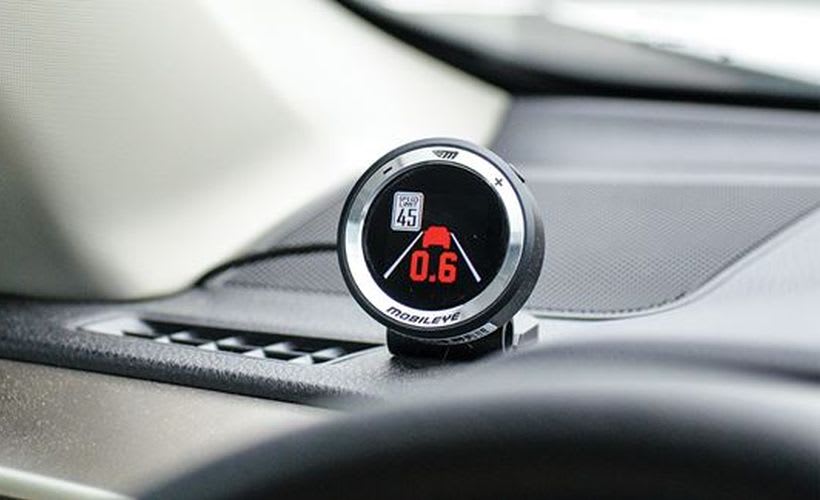
During a study of Mobileye and Geotab technology, drivers used turn signals more often and increased following distances after receiving alerts.
Photo courtesy of IIHS.
3 min to read
Retrofitting older vehicles with a collision warning system and a telematics device can significantly improve driver behavior and enhance safety, according to a new study from the Insurance Institute for Highway Safety.
Motorists demonstrated safer driving behaviors across the study period, according to the institute. For example, drivers used turn signals more often and increased following distances after receiving alerts. Speeding, however, did not change dramatically between the baseline and the alert periods.
The findings could be reassuring and serve as an added safety precaution for fleets that rely on older models.
For the study, 22 volunteers signed up to have their personal vehicles outfitted with a Mobileye aftermarket collision warning system, and 17 of them also agreed to have their driving monitored by a Geotab in-vehicle telematics unit.
The Mobileye package featured an in-vehicle display and included forward collision warning; urban forward collision warning, which operates at speeds below 20 mph; pedestrian collision warning; headway monitoring and warning, which measures following distance at speeds above 19 mph; lane departure warning; and a speed limit indicator, which displays the posted speed limit.
The thresholds for triggering the various crash warning alerts were fixed; drivers couldn't disable or customize alerts.
In a post-study survey, some 62% of the volunteers said the Mobileye system helped boost their safety behind the wheel. Drivers evaluated forward collision warning as the most useful system, followed by lane departure warning, headway monitoring and the speed limit indicator.
The study assessed driving behavior over two periods: a four week baseline when the systems were active, but did not issue alerts, and an eight-week period when the crash system alerts were continually issued.
During the baseline period, the telematics devices in equipped vehicles logged GPS locations, hard braking and cornering, travel speed and Mobileye alerts that would have been issued if the system were active.
Volunteers than drove for eight weeks receiving alerts and a weekly Mobileye "safety score."
Key findings include:
As drivers grew accustomed to the system between the baseline and alert periods, the rate of forward collision alerts decreased 45% among rural drivers and 30% among urban drivers.
The opposite was true for lane departure warning. Urban drivers saw a bigger decline—70%-- in the rate of alerts than the rural drivers (54%) between the baseline and treatment periods.
Warnings about following too closely also decreased. Headway alerts fell 63% for rural drivers and 39% for urban drivers between the baseline and treatment periods.
The IIHS points to one study takeaway of particular interest to fleet managers who use aftermarket collision warning systems and telematics devices to monitor driving performance.
"Fleet drivers who travel congested roads would be more likely to encounter situations that trigger forward collision and headway warnings than drivers who log more miles in sparsely populated areas," said Ian Reagan, a senior research scientist with IIHS and the author of the new study. "Their managers should take into account external factors such as traffic density when comparing drivers on safety measures across geographical regions."
Topics:IIHSDriversTelematicsAdvanced Driver Assistance SystemsRisk ManagementMobileyeGeotabTechnologySafetySmall Fleet
Originally posted on Automotive Fleet
More Safety
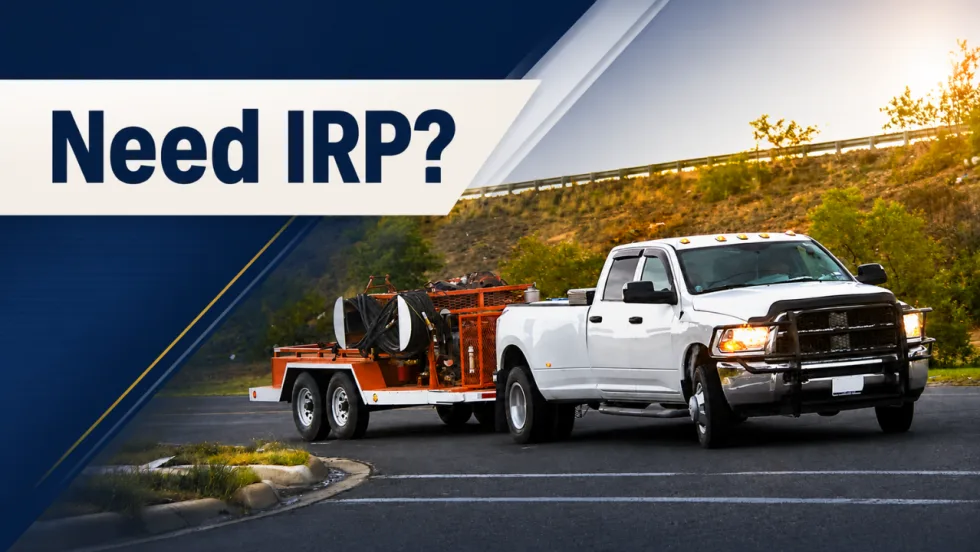
When Work Trucks Under 26,001 Pounds Need IRP Registration
Think trucks under 26,001 pounds are automatically in the clear when it comes to IRP? Not always. Learn where lighter vehicles can still run into trip permit, apportioned registration, and IFTA compliance requirements when crossing state or provincial lines.
Read More →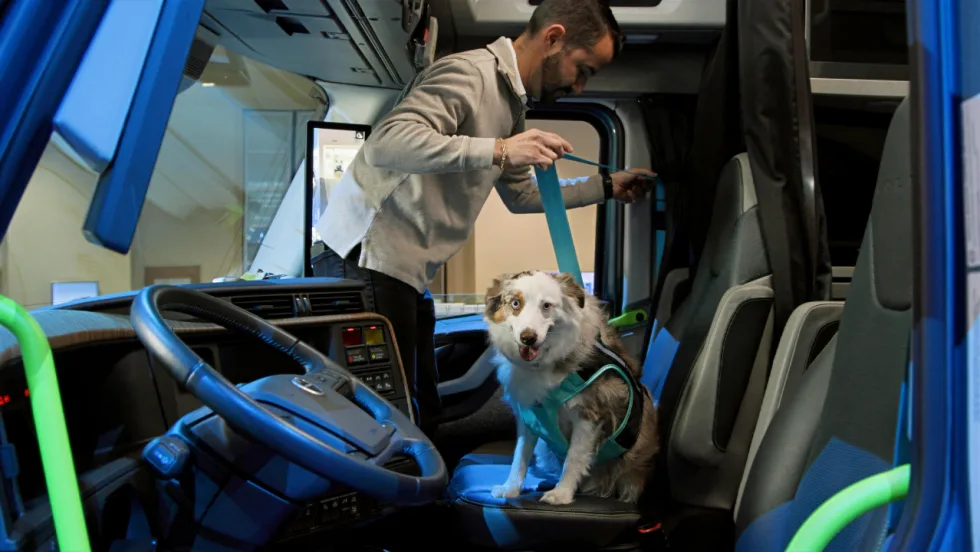
Volvo Trucks Releases New Safety Recommendations for Traveling with Pets
One of the most important recommendations for professional drivers traveling with pets is to ensure pets are properly restrained while the truck is moving. Other tips are available in the new guide from Volvo Trucks North America and Center for Pet Safety.
Read More →
API Issues Refueling Safety Guidelines
The American Petroleum Institute offers a list of safe vehicle refueling guidelines, including ways to avoid potential problems with static electricity discharges in fall, winter, and early spring.
Read More →
Winter Fleet Prep: Expert Tips to Keep Vehicles Running Smoothly
Cold weather can expose weak batteries, tires, fuel systems, and maintenance gaps fast. Use this winter fleet checklist to prepare trucks and drivers before temperatures drop.
Read More →
When a Work Truck Breaks Down, the Job Can Stop, Too
A work truck breakdown can stop more than the vehicle. Discover how payloads, jobsites, and specialty equipment change the roadside response.
Read More →
What Stronger Long-Term Fleet Service Partnerships Actually Require
Fleet service partnerships rarely fall apart all at once. Learn the three warning signs that trust is eroding and what fleets and providers can do before downtime, frustration, and lost revenue follow.
Read More →
Applause & TRUCE Software Partner to Improve Driver Safety Through AI-Powered Telematics & Employee Performance Management
Applause has integrated TRUCE driving metrics directly into its employee-first performance and safety platform that transforms mobile devices into AI-powered telematics.
Read More →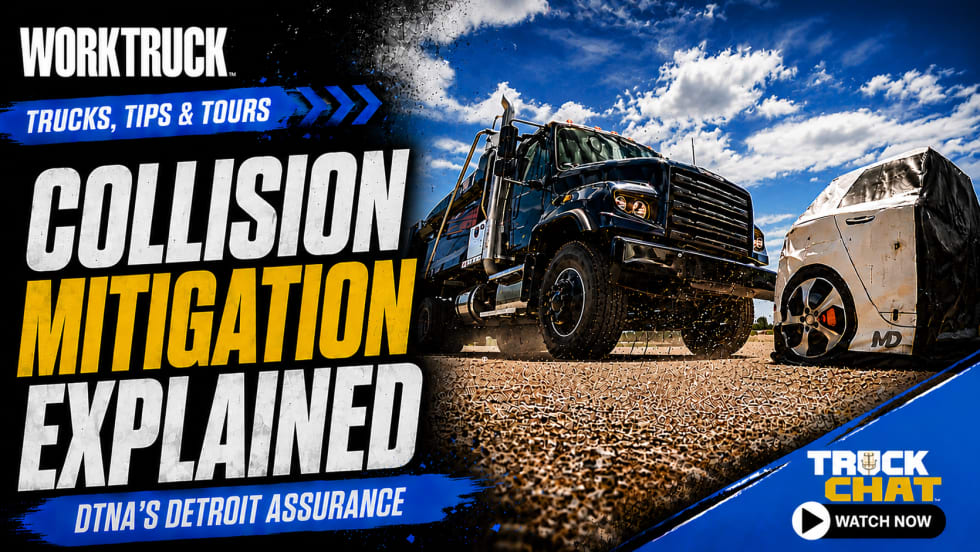
How Detroit Assurance with Active Brake Assist Works
Do you want to see what it is like to experience Detroit Assurance’s Active Brake Assist? In this video, Work Truck will put you in the cab to see how it all works and then hear more details from DTNA’s Mike Young.
Read More →
Get Left of Loss: A 5-Step Workplace Violence Prevention Framework for Fleet Operators
Violence risks do not stop at the driver’s door. Learn five practical steps fleets can take to spot threats early and protect workers before loss occurs.
Read More →
Sponsored•July 17, 2026
How Better Visibility Cut Speeding Violations by 48%
Fleet leaders don't need more data, they need clearer visibility into what the data is saying. This case study explores how one utility replaced speeding-event counts with a single metric — miles driven in violation — to strengthen safety and significantly reduce speeding violations.
Read More →