




Mercedes-Benz eSprinter: Price & Specs
The new eSprinter will be produced in Europe and North America and will feature numerous options ideal for vocational fleets in the U.S.

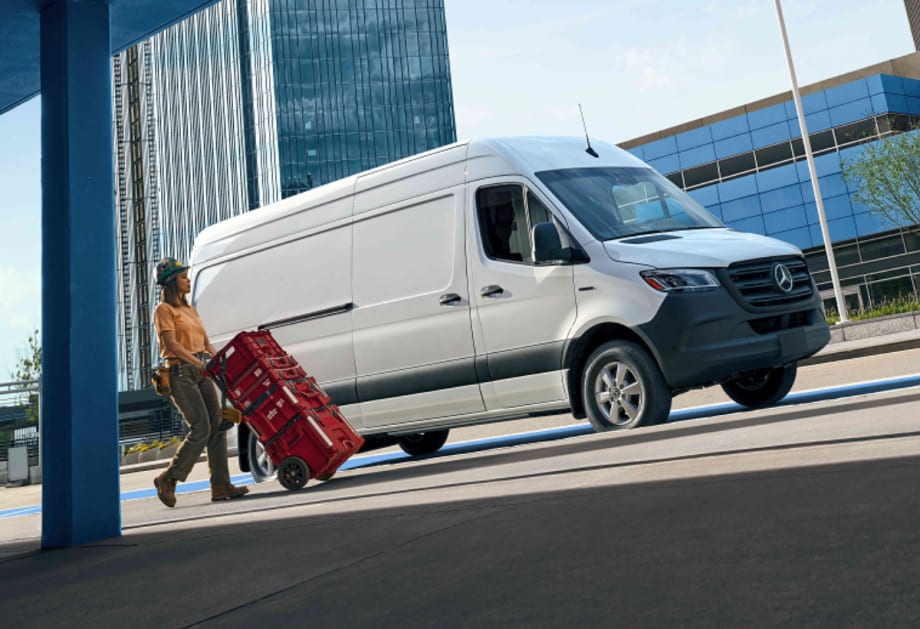
eSprinter van pricing starts at $71,886.
Photo: Mercedes-Benz
Mercedes-Benz Vans is electrifying all of its model series options. And, big news for fleets: the Sprinter Van is included.
The U.S. market will witness the launch of the cargo version featuring a 170'' long wheelbase and a high-roof configuration, equipped with a robust 113 kWh battery.
With pricing starting from $71,886 and a WLTP range of up to 249 miles, the eSprinter is now available for ordering through authorized U.S. dealerships.
First announced in December 2020, Mercedes chose its plant in North Charleston, S.C. and two plants in Germany for the build-out of the next-gen eSprinter.
What is Mercedes-Benz 'Module' Concept?
The new eSprinter comes with many technical innovations based on a new concept consisting of three modules:
Front module.
Module for the integrated high-voltage battery.
Rear module.
The front module, a uniformly designed front section, includes all high-voltage components and can be combined unchanged with all vehicle variants, regardless of wheelbase and battery size.
The module for the integrated high-voltage battery is located in the underbody to save space. The battery location between the axles, together with the robust battery housing, results in a low center of gravity, which positively influences handling and increases driving safety.
The rear module with the electrically driven rear axle. The compact and powerful electric motor is also integrated into the rear module. Following the common parts strategy principle, this is used in all variants of the new eSprinter.
Mercedes-Benz has invested around 350 million euros in the new eSprinter (or around USD 375.4 million). About 50 million euros (approximately USD 53.6 million) will be invested in each of the three plants in Charleston, Düsseldorf, and Ludwigsfelde to adapt their production.
"The new Mercedes-Benz eSprinter consistently follows our strategy - to be the leader in electric mobility with the most desirable vans while achieving profitable growth worldwide," said Mathias Geisen, head of Mercedes-Benz Vans.
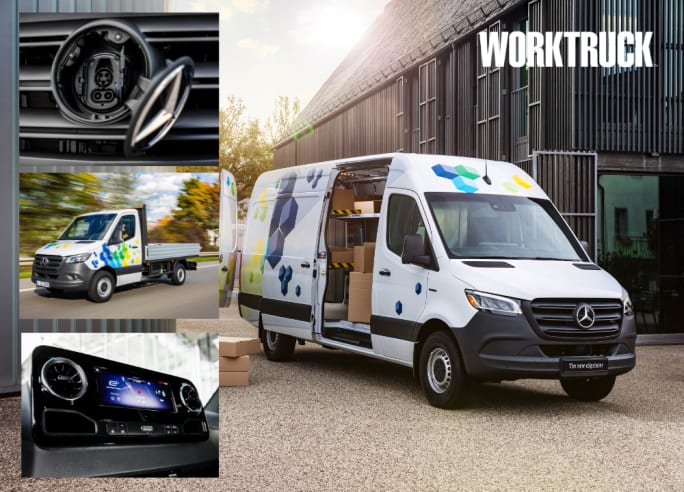
Mercedes-Benz has invested about $375.4 million in the new eSprinter Van.
Photo: Mercedes-Benz/Work Truck
Digging into the eSprinter Specs
The market launch of the new eSprinter will begin in the U.S. and Canada in the second half of 2023.
The vehicle is a long-panel van with a high roof. Mercedes-Benz stated the van is equipped with the largest battery available, with a usable capacity of 113-kilowatt hours.
The electric van's load capacity is around 62.5 square feet and the permissible gross vehicle weight is up to 8,500 pounds.
The electric range, based on a simulation using the Worldwide Harmonised Light Vehicles Test Procedure (WLTP) cycle, will be up to 248 miles. The simulated range based on the WLTP city cycle will be up to 310 miles.
In Europe, this first panel van variant will launch at the end of 2023, with the cab chassis variant and other battery variants gradually following.
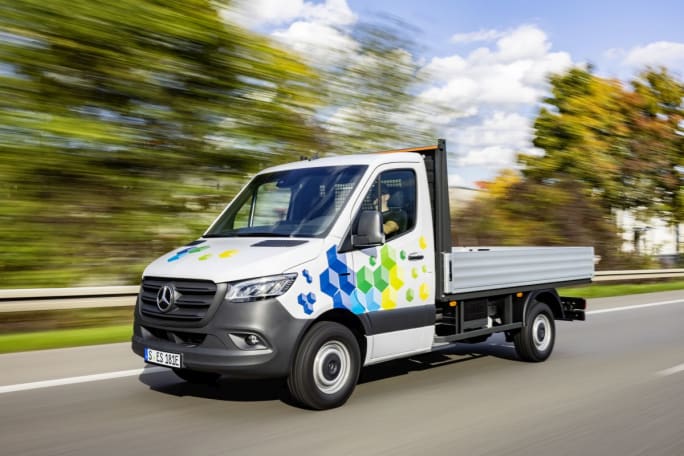
The eSprinter will be offered in several available configurations, ideal for vocational fleet operations with an electrification strategy.
Photo: Mercedes-Benz
Adding Tech to the Van Segment
The Mercedes-Benz eSprinter features numerous in-vehicle technology options as well as cloud-based services in the Mercedes me digital ecosystem. Some additional technology enhancements and updates include:
The Electric Powertrain (eATS)
The eATS in the new eSprinter features an efficient motor and electric rear axle, both of which are used for the first time in a battery-electric van from Mercedes-Benz.
The permanent magnet synchronous motor (PSM) weighs only around 286 pounds, delivers a torque of up to 295.025 ft.-lb. of torque, and is available in two power levels:
100 kilowatts of peak output.
150 kilowatts of peak output.
The electrically driven rear axle makes cab chassis variants possible in addition to the classic panel van providing fleets additional length options, maximum gross vehicle weight up to 8,500 lbs., and trailer loads up to 4,000 lbs.
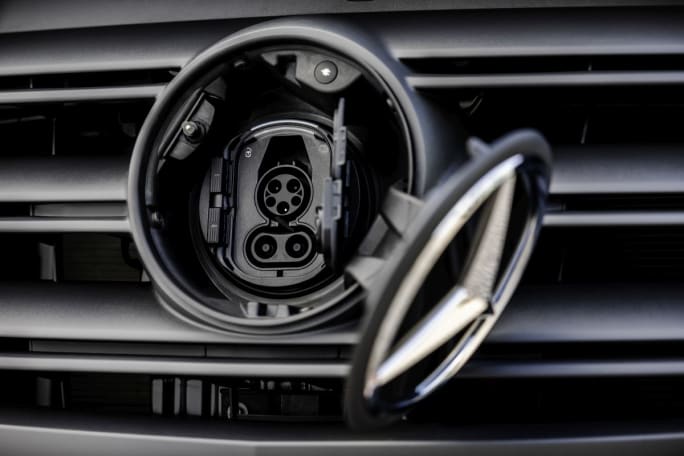
The van is equipped with a usable capacity of 113-kilowatt hours.
Photo: Mercedes-Benz
High-Voltage Battery & Charging Features
Customers can choose from three different batteries for the new Mercedes-Benz eSprinter, depending on their range and payload requirements: 56, 81, or 113 kilowatt hours.
Mercedes-Benz Vans noted that lithium/iron phosphate (LFP) cell chemistry allows the battery variants to be free of cobalt and nickel, while active thermal management ensures maximum efficiency.
Like all Mercedes-Benz eVans, the new eSprinter can charge with alternating current (AC) and direct current (DC). The onboard charger converts the current in the vehicle when charging with alternating current.
The new eSprinter can be charged with up to 115[5] kilowatts at fast-charging stations.
For fleets, fast charging means charging from 10 to 80% of full capacity in around 28 minutes for the 56 kWh battery and about 42 minutes for the 113 kWh battery.
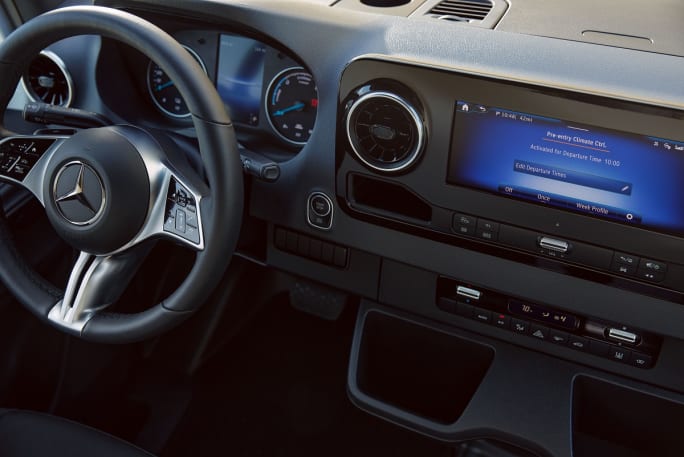
For fleets, fast charging means charging from 10 to 80% of full capacity in around 28 minutes for the 56 kWh battery and about 42 minutes for the 113 kWh battery.
Photo: Mercedes-Benz
Navigating Intelligently with Mercedes-Benz
The manufacturer noted that navigation with "Electric Intelligence" provides such information as the current range, in real time, depending on the current traffic situation and the topography of the route.
The system also calculates the best possible charging strategy to get to the destination as quickly as possible or to have the desired state of charge (SoC) at the destination.
Authentication at the charging station is simple via MBUX, with payment via Mercedes me. Other highlights include increased performance, extensive personalization options, and optimizations of the "Hey Mercedes" voice control assistant.
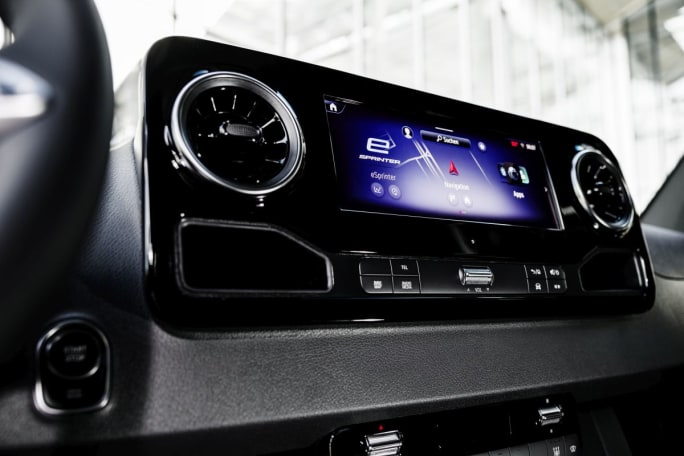
Photo: Mercedes-Benz
What is the Mercedes-Benz Vans Electrification Strategy?
According to a release, Mercedes-Benz Vans has "firmly anchored its leadership aspiration for electric mobility in its strategy."
With the Vito E-CELL, Mercedes-Benz Vans was a pioneer in the market for locally emission-free vans in 2010. Today, Mercedes-Benz has electrified all segments from the small van to the large van.
From the middle of the decade, Mercedes-Benz Vans will implement the next stage of its electrification strategy with VAN.EA (MB Vans Electric Architecture): From 2025, all new models will be all-electric.
It's Not all Electric
While the news of electric options is exciting, Mercedes-Benz Vans still offers traditional powertrain options. Recently, Mercedes-Benz Vans dropped its model-year 2023 Sprinter van. New for the model-year are innovations that improve safety, comfort, and performance.
Don't forget, the Sprinter lineup also includes gasoline and diesel models in the following options:
Cargo
Crew
Passenger
Chassis.
“Mercedes-Benz Vans is committed to providing our customers with vans that carry a high residual value. On the Mercedes-Benz Vans website, potential owners can calculate an estimated total cost of ownership for their van by simply inserting a few factors like estimated miles driven each year, desired model, estimated time of ownership, etc.,” a Mercedes-Benz spokesperson told Work Truck in an interview.
Want to ensure you never miss an update on Mercedes-Benz Vans? Sign-up for Work Truck's eNewsletters and bookmark our homepage so you never miss an update!
Editor's note: Original article published 2/7/2023, updated 9/5/2023.
More Green Fleet

Fleet Forward Conference Introduces One-Day Passes for 2026
New one-day registration gives fleet professionals the flexibility to attend Tuesday, Wednesday, or Thursday, with passes available for $199 through Sept. 18.
Read More →
CALSTART Rebrands as Catalyst Mobility, Will Combine with Forth in 2027
CALSTART has rebranded as Catalyst Mobility and will combine with Forth at the start of 2027. The new organization said it is poised to become one of the world's largest, strongest, and most impactful clean transportation nonprofits.
Read More →
Electric Truck and Charging Programs to Boost Sustainability at NY & NJ Ports
Together, the Port Authority of New York and New Jersey and CALSTART will electrify drayage and terminal operations serving the East Coast’s busiest container port. A pair of incentive programs totaling $45 million has launched to accelerate adoption of zero-emission drayage trucks and terminal tractors.
Read More →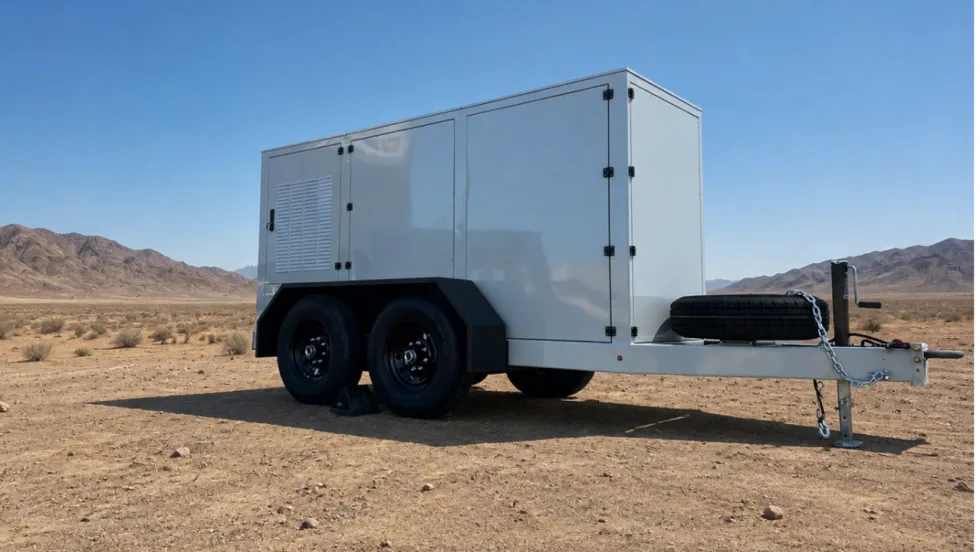
Xos Hub Surpasses One Gigawatt-Hour of Energy Delivered in the Field
A single Xos Hub has surpassed one gigawatt-hour of energy across more than 33,600 charging sessions in the field, demonstrating performance that supports Xos' expansion across new products and markets.
Read More →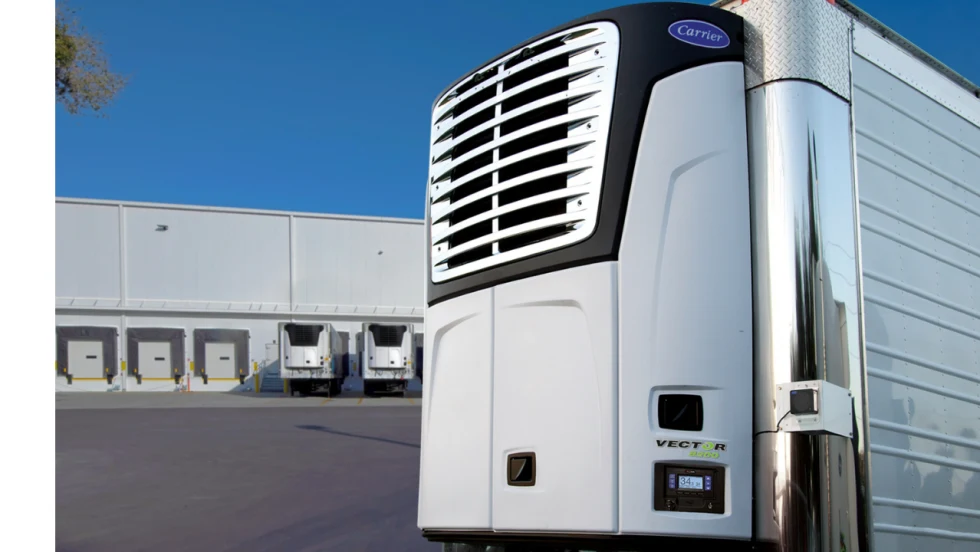
Carrier Transicold Launches All-Electric Vector 8200 TRU for Diesel-Free On-Site Cold Storage
Carrier Transicold’s first engineless multi-temperature TRU helps fresh- and frozen-food fleets add supplemental cold storage capacity during seasonal peaks.
Read More →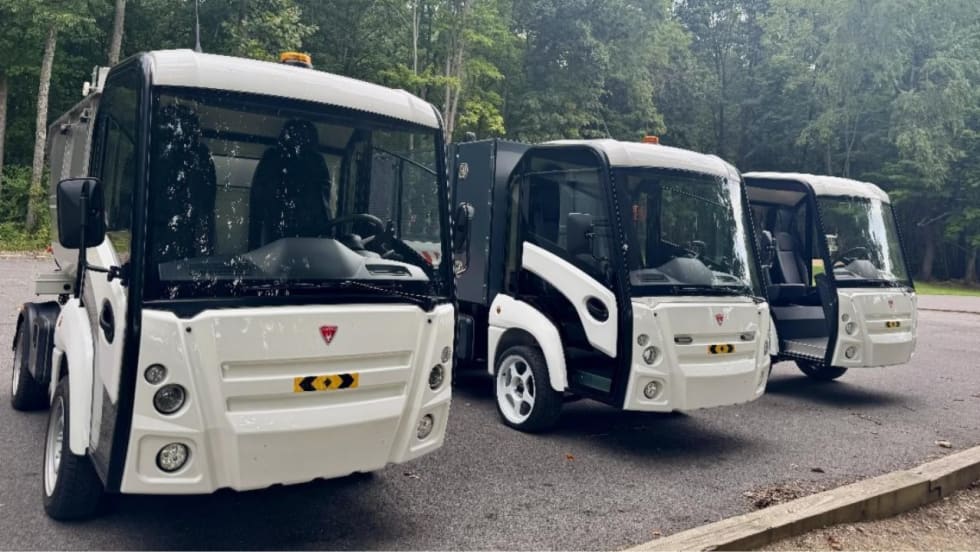
Narro Trucks Introduces Electric Utility Vehicle
Narro Trucks officially launched its operations on Aug. 20 and hosted a ride and drive to showcase its electric truck, which will be produced in Virginia.
Read More →
Samsung SDI Takes Full Control of GM Battery JV as Indiana Plant Pivots to Energy Storage
Samsung SDI is taking full control of its Indiana battery plant with GM, marking a major shift from the EV-focused joint venture Charged Fleet first covered in 2023.
Read More →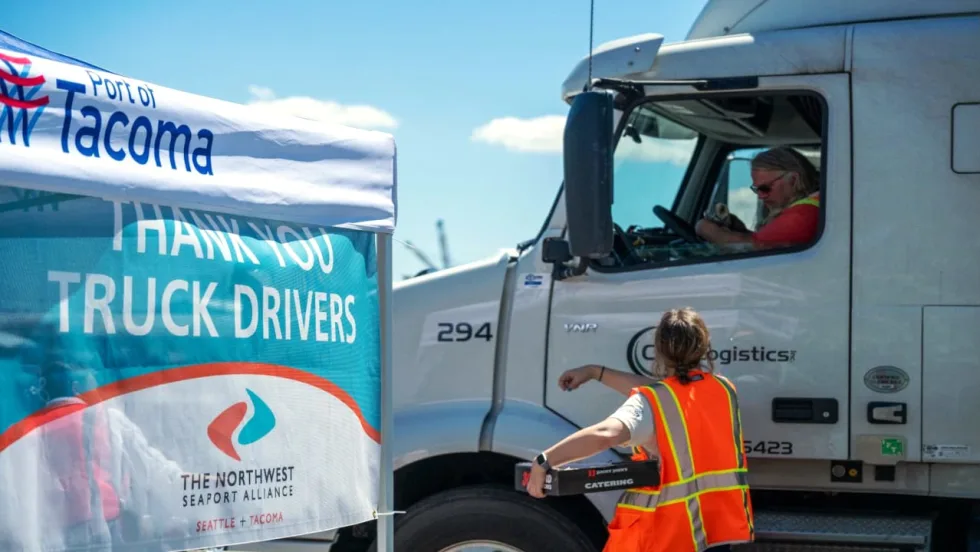
NWSA Taps CALSTART to Administer Zero-Emission Drayage Assistance Program
CALSTART will provide free technical assistance services to drayage fleets serving the Ports of Seattle and Tacoma and looking to transition to cleaner technologies and help decarbonize freight hubs.
Read More →
EV Fleet Reality Check: What Operators Wish They Knew Before Electrifying Their Work Vans
Electric work truck upfits bring new compatibility questions. Learn how parts availability, OEM guidance, power demands, and route planning can affect fleet performance.
Read More →
Peterbilt Expands Sourcewell Partnership with Electric Vehicle Lineup
Peterbilt Motors Company’s cooperative purchasing agreement with Sourcewell and its Canadian partner, Canoe Procurement Group, now includes including Peterbilt's battery-electric vehicle lineup.
Read More →