




Lordstown: Active Conversations to Raise Capital to Continue Operations
A day after filing an amended 10-K that casts doubt on the electric-truck maker’s survival into 2022, the company said it has “multiple avenues to raise capital."

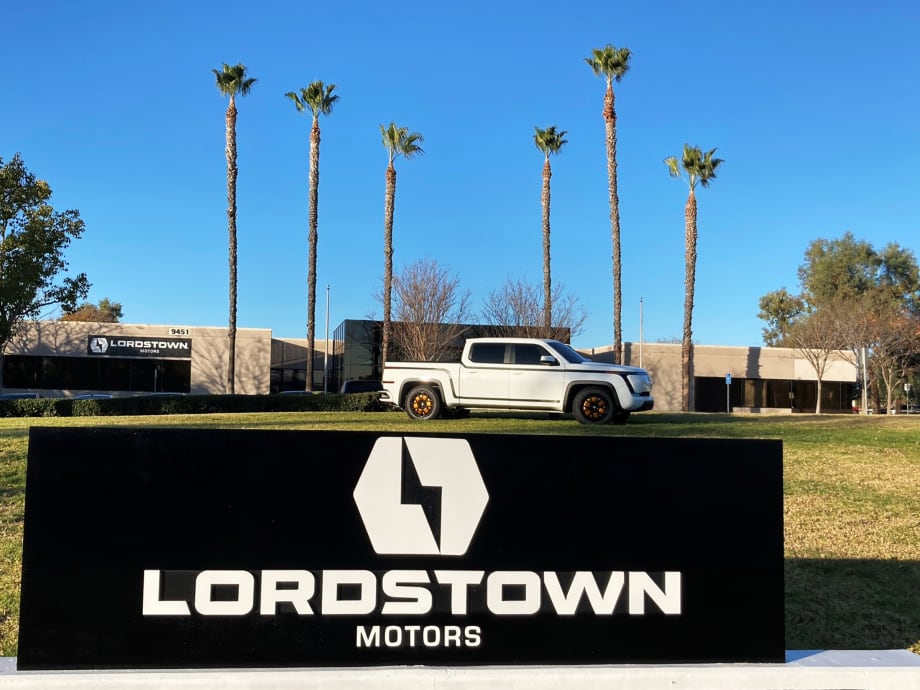
Lordstown plans to sell the Endurance for about $52,500 before government rebates. Last month, Ford announced a base price of about $40,000 for its all-electric F-150 Lightning.
Photo by Chris Brown.
After disclosing in a filing that it needs additional funding to be able to produce vehicles in 2022, electric-truck maker Lordstown Motors Corp. said on Wednesday it “has multiple viable avenues to raise capital including asset-backed financing, equity, equity-related or debt financing, loans (including our in-process application for an ATVM loan)” and is “already in active conversations with multiple parties to do so.
The Tuesday disclosure of additional funding needs was part of an amended 10-K filing to its annual report, casting doubt on Lordstown’s ability meet production targets and timelines for its Endurance all-electric pickup truck. The company is looking to start production in September and build 2,200 Endurances by year’s end.
In the 10-K filing: “Our current budget only provides for limited commencement of production in 2021. Additional funding is needed for production in 2022 and beyond and to continue our ramp up to full commercial production. The amounts required may be significant. … The Company believes that our current level of cash and cash equivalents are not sufficient to fund commercial scale production and the launch of sale of such vehicles.”
The ATVM loan, given by the U.S. Department of Energy, supports the development of fuel-efficient, advanced technology vehicles in the U.S.
Lordstown’s Wednesday press statement shed light on its need for the capital raise:
“While we have adequate capital to continue operations, meet supplier obligations, and begin limited production, we previously indicated that we may need to raise additional capital to support our ongoing production plan. The update we provided on our most recent earnings call — and in yesterday’s updated SEC filing — indicated that increased R&D spending due to COVID-related supply chain issues and the strategic decision to in-source production of certain parts simply means we now have confirmed that we will need that additional funding in the near term to ramp to commercial production levels.”
Lordstown said in the filing it had $259.7 million in cash on hand as of March 31. Lordstown posted a net loss of $125.2 million in the first quarter.
RBC Capital Markets initiated coverage of Lordstown on Tuesday. According to a Reuters report, RBC analyst Joseph Spak believes Lordstown will need an additional $2.25 billion in capital through 2025 to remain solvent. Spak maintains the company will not break even until 2025, three years after company projections.
In the filing, Lordstown also summarized the advantages it perceives it has over its competitors due to a pure focus on sales to the fleet market:
Although competition within the broader electric vehicle and pickup market is intense, we believe that our focus on fleet customers will limit direct competition, at least initially. While established OEMs and new entrants to the industry have announced plans to develop electric pickup trucks, most of these potential competitors are expected to focus on the consumer market as their point of entry into the market. In such cases, the vehicles produced may focus more on attributes that provide for mass consumer appeal, which can be either costly or limit the functionality required by the fleet market. By comparison, we are focusing on the specific needs of commercial fleets with the development and production of the Endurance and expect to have significantly less direct competition in this market at the outset.
Lordstown plans to sell the Endurance for about $52,500 before government rebates. Last month, Ford announced a base price of about $40,000 for its all-electric F-150 Lightning.
Originally posted on Automotive Fleet
More Green Fleet

Fleet Forward Conference Introduces One-Day Passes for 2026
New one-day registration gives fleet professionals the flexibility to attend Tuesday, Wednesday, or Thursday, with passes available for $199 through Sept. 18.
Read More →
CALSTART Rebrands as Catalyst Mobility, Will Combine with Forth in 2027
CALSTART has rebranded as Catalyst Mobility and will combine with Forth at the start of 2027. The new organization said it is poised to become one of the world's largest, strongest, and most impactful clean transportation nonprofits.
Read More →
Electric Truck and Charging Programs to Boost Sustainability at NY & NJ Ports
Together, the Port Authority of New York and New Jersey and CALSTART will electrify drayage and terminal operations serving the East Coast’s busiest container port. A pair of incentive programs totaling $45 million has launched to accelerate adoption of zero-emission drayage trucks and terminal tractors.
Read More →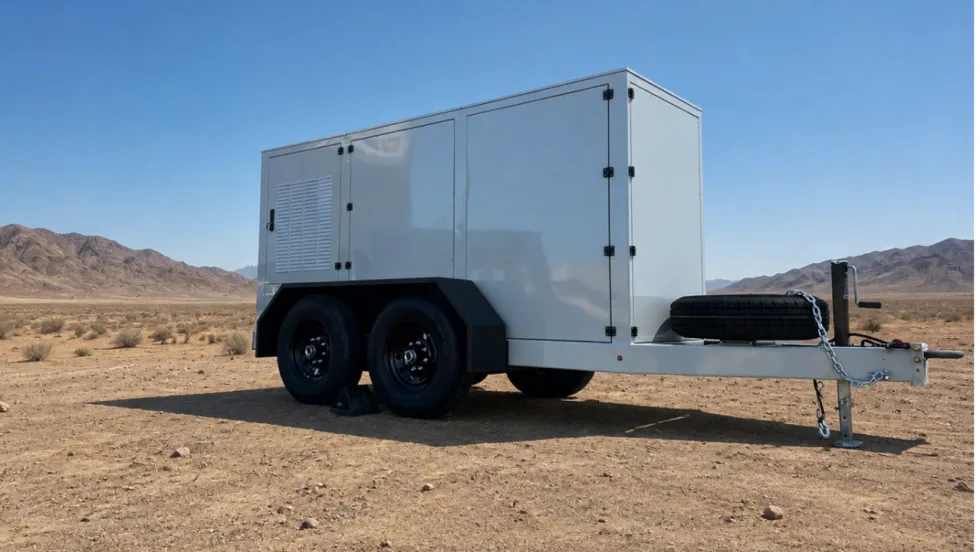
Xos Hub Surpasses One Gigawatt-Hour of Energy Delivered in the Field
A single Xos Hub has surpassed one gigawatt-hour of energy across more than 33,600 charging sessions in the field, demonstrating performance that supports Xos' expansion across new products and markets.
Read More →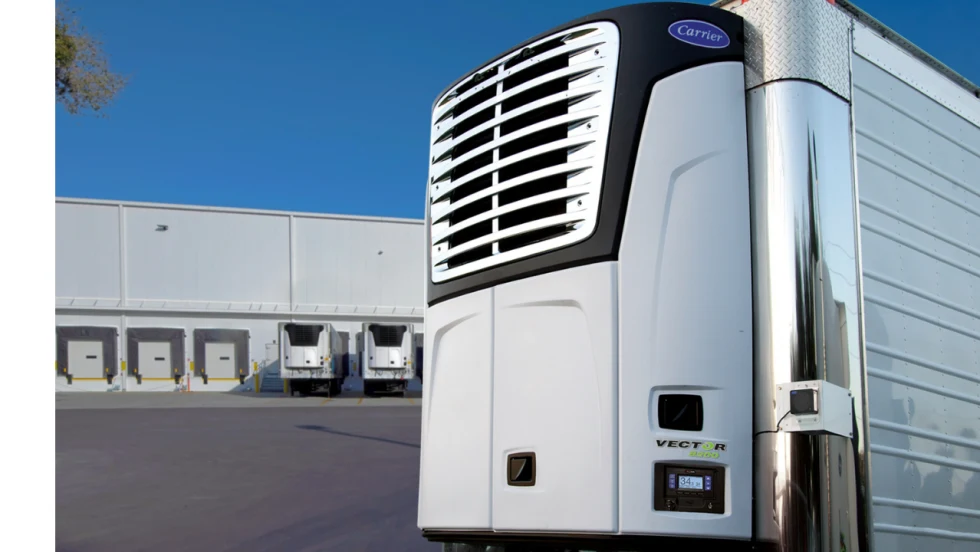
Carrier Transicold Launches All-Electric Vector 8200 TRU for Diesel-Free On-Site Cold Storage
Carrier Transicold’s first engineless multi-temperature TRU helps fresh- and frozen-food fleets add supplemental cold storage capacity during seasonal peaks.
Read More →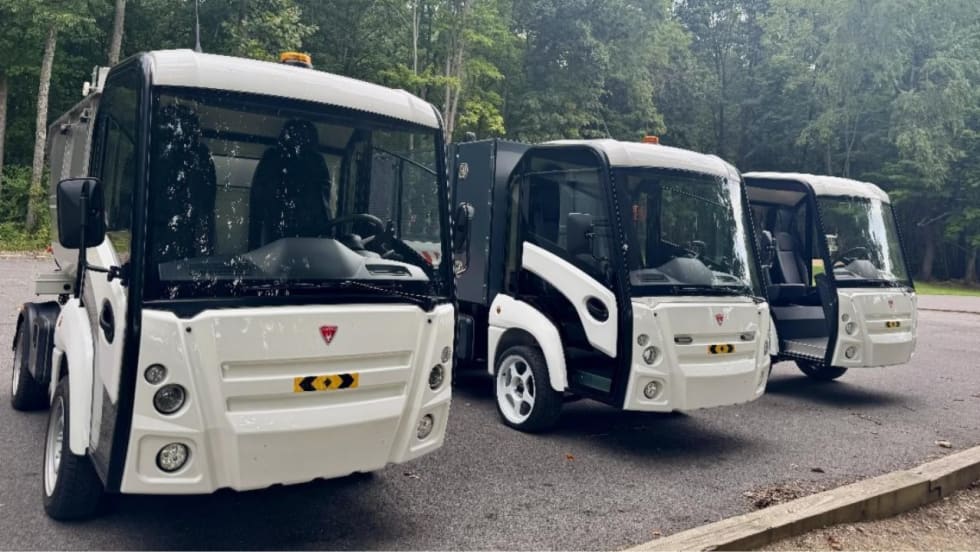
Narro Trucks Introduces Electric Utility Vehicle
Narro Trucks officially launched its operations on Aug. 20 and hosted a ride and drive to showcase its electric truck, which will be produced in Virginia.
Read More →
Samsung SDI Takes Full Control of GM Battery JV as Indiana Plant Pivots to Energy Storage
Samsung SDI is taking full control of its Indiana battery plant with GM, marking a major shift from the EV-focused joint venture Charged Fleet first covered in 2023.
Read More →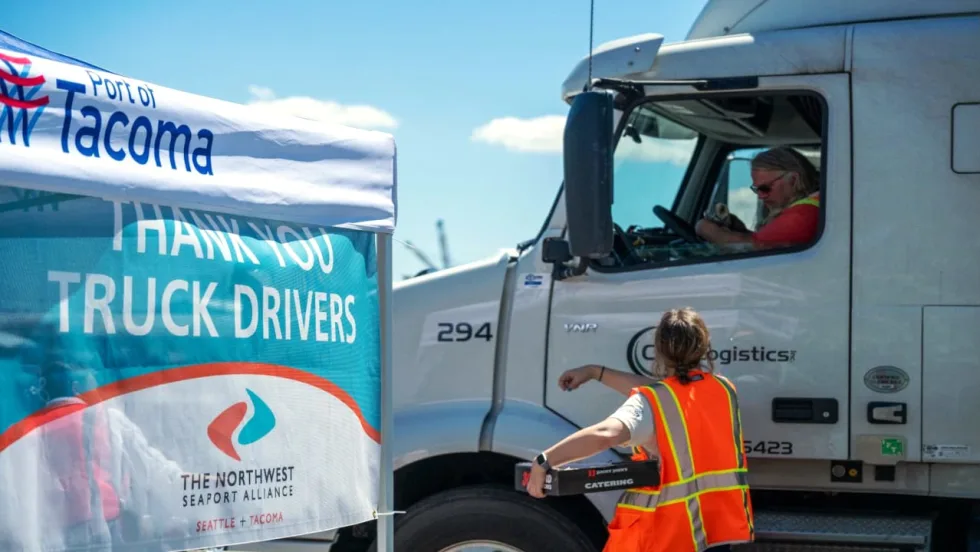
NWSA Taps CALSTART to Administer Zero-Emission Drayage Assistance Program
CALSTART will provide free technical assistance services to drayage fleets serving the Ports of Seattle and Tacoma and looking to transition to cleaner technologies and help decarbonize freight hubs.
Read More →
EV Fleet Reality Check: What Operators Wish They Knew Before Electrifying Their Work Vans
Electric work truck upfits bring new compatibility questions. Learn how parts availability, OEM guidance, power demands, and route planning can affect fleet performance.
Read More →
Peterbilt Expands Sourcewell Partnership with Electric Vehicle Lineup
Peterbilt Motors Company’s cooperative purchasing agreement with Sourcewell and its Canadian partner, Canoe Procurement Group, now includes including Peterbilt's battery-electric vehicle lineup.
Read More →