




Learn How to Drive in Extreme Heat
To prepare for the next heat wave, fleet drivers can follow these six vehicle tips and these four driving tips to lessen the impact of extreme weather on the company asset.
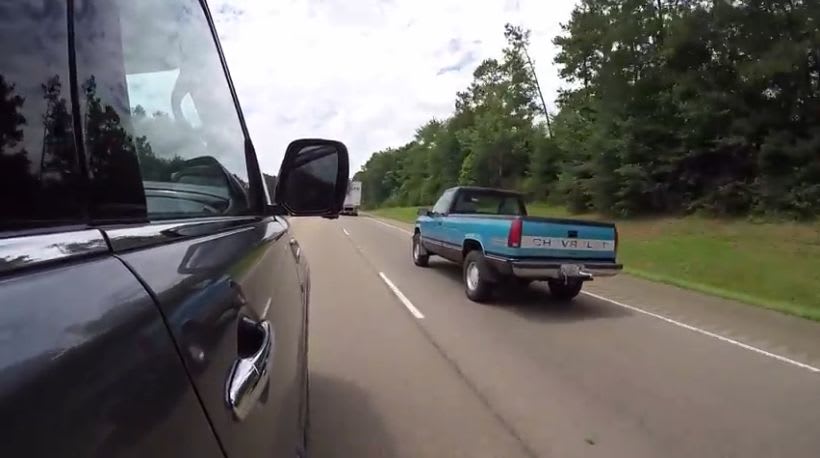
A vehicle inspection is even more important during extreme summer heat.
Screenshot via 50 Campgrounds.
Even if your fleet drivers aren't heading through Death Valley, Calif., there are plenty of other pockets of the country that experience record-setting temperatures during the summer. Cities that regularly log the hottest temperatures in June, July, and August include Phoenix, Las Vegas, Dallas, Austin, San Antonio, Houston, Miami, Tampa, New Orleans, and Orlando.
Summer temperatures average more than 90 degrees in Phoenix and Las Vegas, according to a study by Current Results that analyzed weather data collected by the NOAA from 1981 to 2010. Another 11 cities average over 80 degrees.
Fleet drivers can prepare themselves for the next heat wave by following these six vehicle tips and these four driving tips to lessen the impact of extreme weather on the company asset:
Refill coolant: Make sure your radiator has plenty of coolant.
Check hoses for leaks, cracks, peeling, or separation: Fix any problems so that the coolant can flow easily through the hoses.
Add ample oil: The hotter it gets, the more important oil becomes, so be sure your vehicle has plenty of clean oil at all times.
Check the battery: Ensure the terminal is clean and there is adequate water in it.
Check tire pressure often: They need to be checked often for accurate pressure. Summertime brings with it sunbaked roadways that can easily cause wear and tear on tires.
Service the air conditioner in the spring: It's relatively inexpensive to do so, and can save a driver from a brutally draining day on the job if the air conditioner breaks down when the temperature is rising.
Experts also say there are several steps drivers can take to better deal with the heat once they are behind the wheel. Here are a few tips:
Use a sunshade: When parking in the sun for any extended length of time, take a moment to cover the windshield with a sunshade. It will shield your dark dashboard which otherwise can get scorching hot and take a long time to cool down.
Cool off your steering wheel: When returning to your vehicle after parking in sun, you may be greeted by an extra-hot steering wheel. Use a wet wipe to disperse the heat and cool it off.
Choose A/C or windows down: Experts say that if you are driving at 40mph or slower, open windows and no air conditioning is the better option for keeping your vehicle cool. However, when traveling over 40mph, the opposite is true, so shut the windows and crack the air conditioner.
Know what to do if your vehicle overheats: Though overheating is uncommon today, if it happens be sure you don't ride the brakes. Also, turn the air conditioner off and if the vehicle continues to overheat, turn the heat on.
Originally posted on Automotive Fleet
More Safety & Compliance

GeoFencing Adds to Your Truck Security Arsenal
Geofencing is a familiar fleet tool today, but its early adoption marked a major shift in vehicle tracking, route monitoring, and the debate over employee privacy.
Read More →
Recalls You Need to Know About in October 2026
In October 2026, what recalls might impact your fleet? Work Truck has the answers in this comprehensive overview of recent NHTSA recalls.
Read More →
Construction Fleets Show Telematics Adoption Alone May Not Reduce Driving Risk
SambaSafety found construction fleets monitor roughly 92% of their vehicles but recorded the highest severe speeding rate among industries studied.
Read More →From Our Partners



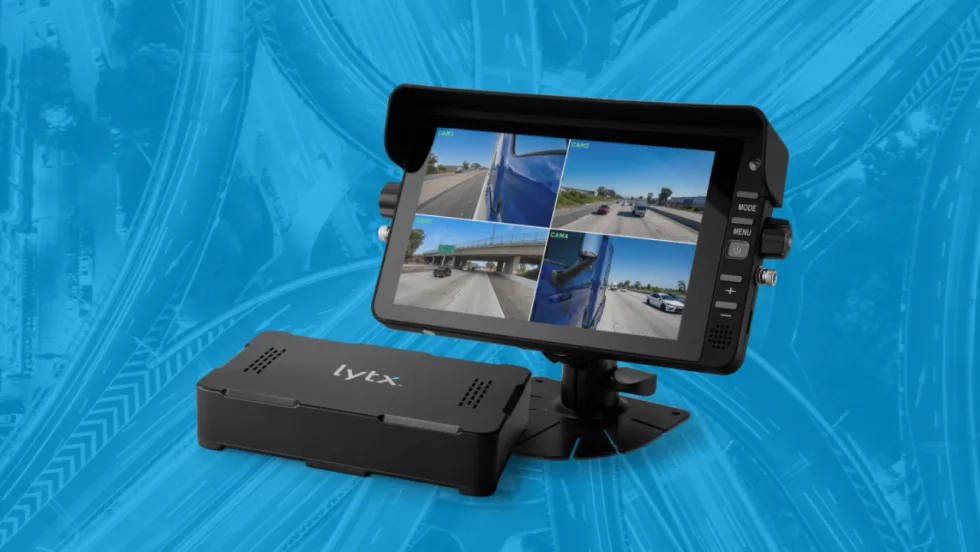
Lytx Launches 360 Hub Kit for Expanded Fleet Camera Visibility
Lytx’s new AI-ready gateway and HD auxiliary camera ecosystem, the Lytx 360 Hub Kit, extends visibility across side, rear, cargo, and blind-zone views to help fleets see more and respond faster.
Read More →
Mack Defense Achieves Cybersecurity Maturity Model Certification Level 2
After an assessment conducted by an authorized Certified Third-Party Assessment Organization (C3PAO), Mack Defense has achieved Cybersecurity Maturity Model Certification (CMMC) Level 2.
Read More →
When Work Trucks Under 26,001 Pounds Need IRP Registration
Think trucks under 26,001 pounds are automatically in the clear when it comes to IRP? Not always. Learn where lighter vehicles can still run into trip permit, apportioned registration, and IFTA compliance requirements when crossing state or provincial lines.
Read More →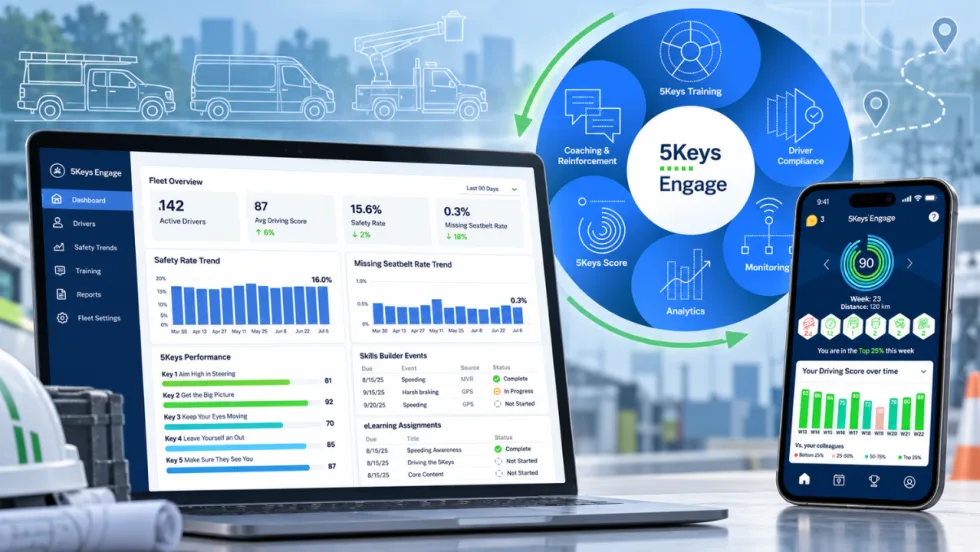
Smith System Wants Work Truck Fleets to Look Beyond the Driver Alert
Smith System’s new Driver Risk Management program is built to help mixed work truck fleets turn telematics alerts and observations into specific behaviors, coaching actions, and measurable follow-up.
Read More →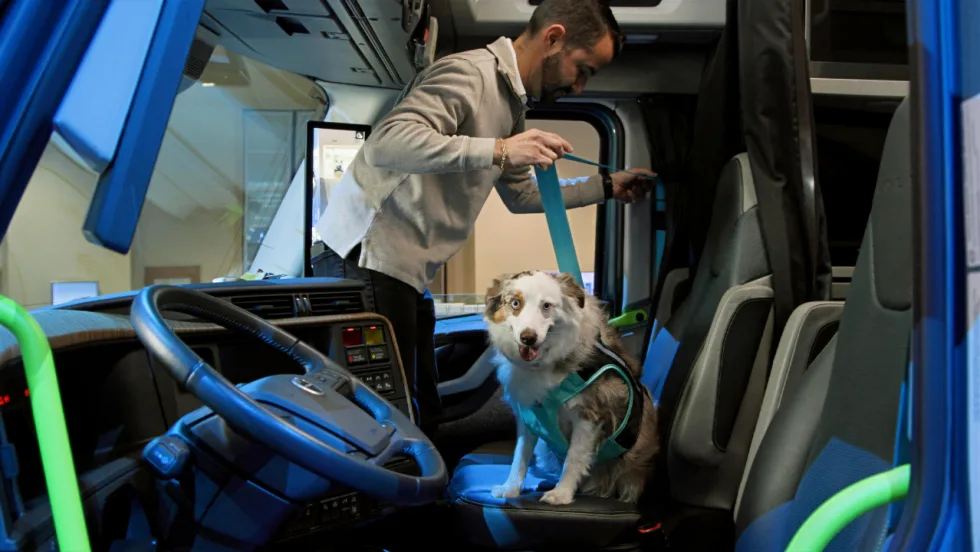
Volvo Trucks Releases New Safety Recommendations for Traveling with Pets
One of the most important recommendations for professional drivers traveling with pets is to ensure pets are properly restrained while the truck is moving. Other tips are available in the new guide from Volvo Trucks North America and Center for Pet Safety.
Read More →
Are Work Truck Drivers Warming Up to Dash Cams and GPS Tracking?
A new survey finds field-service drivers may be more comfortable with dash cams and GPS tracking than fleet managers think, especially when the technology helps protect them after a crash.
Read More →
Recalls You Need to Know About in September 2026
If you have Altec, Chrysler, Ford, Heil, General Motors, International, Mack Trucks, Paccar, Rivian, Royal Truck, Toyota, US Truck Body, or Volvo Trucks vehicles in your fleet, you should check these important recalls issued by the National Highway Safety Administration.
Read More →