




Knapheide Now Offering Propane Fuel Systems
LIVONIA, MI - ROUSH Performance announces that the Knapheide Manufacturing Company has become their newest partner to sell and install their line of ROUSH liquid propane fuel systems for Ford Commercial trucks, vans, and cutaways.
LIVONIA, MI - ROUSH Performance announces that the Knapheide Manufacturing Company has become their newest partner to sell and install their line of ROUSH liquid propane fuel systems for Ford Commercial trucks, vans, and cutaways.
As the industry leader in service truck bodies and platforms, Knapheide is forming the partnership with ROUSH to provide its customers with the best possible combination of technology using propane-powered alternative fuel vehicles. Many fleets are looking to lower their operating costs and address environmental concerns, both of which are achieved by switching to propane as a motor fuel.
"It's exciting to have Knapheide on board selling the ROUSH propane fuel systems. Knapheide has been a leader for many decades in providing solutions to commercial vehicle users and we look forward to working with their team to help fleets achieve their fuel reduction and emissions goals. Propane can begin saving fleets money today, not some time in the distant future, and it burns remarkably clean which helps the environment," said Todd Mouw, vice-president of sales and marketing for ROUSH Performance.
[PAGEBREAK]
As an alternative fuel, propane offers a variety of advantages. It is available "right here, right now" with a national fueling infrastructure already in place. Propane burns cleaner, with up to 20 percent less nitrogen oxide, up to 60 percent less carbon monoxide and fewer particulate emissions. It is already the third most widely used fuel worldwide, following gasoline and diesel. Propane is 90 percent domestically produced, and as an alternative fuel, the purchase of propane-powered vehicles are eligible for a variety of federal, state, and municipal tax credits or rebates.
Numerous studies have been conducted on the operational savings fleets can achieve by converting to propane as a motor fuel, and a savings calculator is available online at www.SwitchToPropane.com that allows the user to input variables specific to their usage. It is not uncommon for fleet managers to see savings of more than $17,500 per vehicle or more over a total vehicle life of 150,000 miles.
"Evidence clearly shows that propane as a motor fuel can save fleets considerable amounts of money. Now fleets are taking a hard look at their environmental impact as well. Propane is available right here, right now and can help fleets on both of these fronts. I'm pleased that ROUSH is taking steps to make a variety of propane-fueled vehicles available," said Brian Feehan, vice-president of the Propane Education & Research Council.
ROUSH currently offers a variety of vehicles that run on propane; this includes conversions of the Ford F-250 and F-350 pickups as well as the Ford E-Series van lineup.
"We are excited to partner with ROUSH on this propane initiative," said Chris Weiss, Knapheide vice president, engineering. "We have been a leading seller of commercial vehicle solutions for many years and now we get to offer our customers an alternative fuel option that will reduce their fuel costs significantly and help them do their part for improving our environment."
Knapheide is located in Quincy, Ill., with multiple installations centers nationwide. Those interested in learning more about the ROUSH propane fuel systems can contact Richard Rose, vice-president, marketing at (217) 222-7131.
More Green Fleet

Fleet Forward Conference Introduces One-Day Passes for 2026
New one-day registration gives fleet professionals the flexibility to attend Tuesday, Wednesday, or Thursday, with passes available for $199 through Sept. 18.
Read More →
CALSTART Rebrands as Catalyst Mobility, Will Combine with Forth in 2027
CALSTART has rebranded as Catalyst Mobility and will combine with Forth at the start of 2027. The new organization said it is poised to become one of the world's largest, strongest, and most impactful clean transportation nonprofits.
Read More →
Electric Truck and Charging Programs to Boost Sustainability at NY & NJ Ports
Together, the Port Authority of New York and New Jersey and CALSTART will electrify drayage and terminal operations serving the East Coast’s busiest container port. A pair of incentive programs totaling $45 million has launched to accelerate adoption of zero-emission drayage trucks and terminal tractors.
Read More →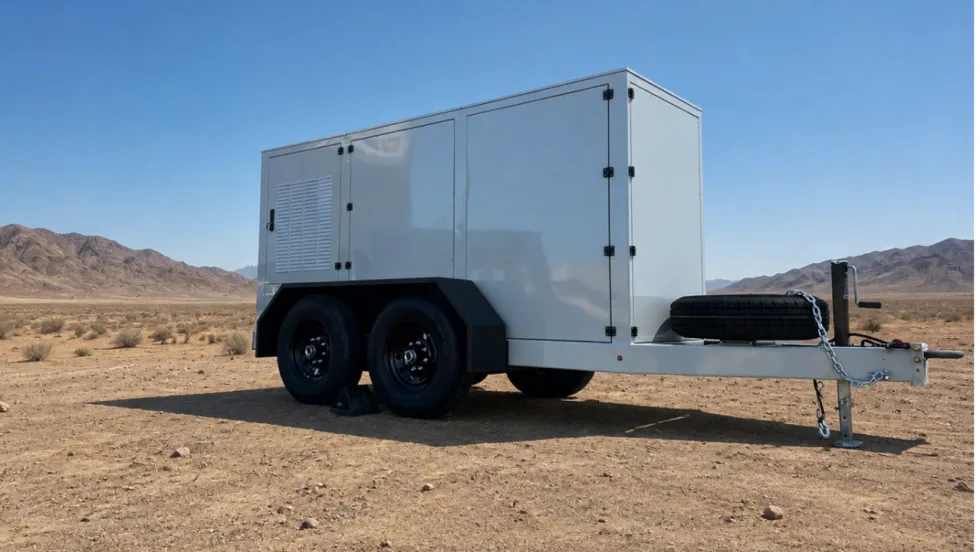
Xos Hub Surpasses One Gigawatt-Hour of Energy Delivered in the Field
A single Xos Hub has surpassed one gigawatt-hour of energy across more than 33,600 charging sessions in the field, demonstrating performance that supports Xos' expansion across new products and markets.
Read More →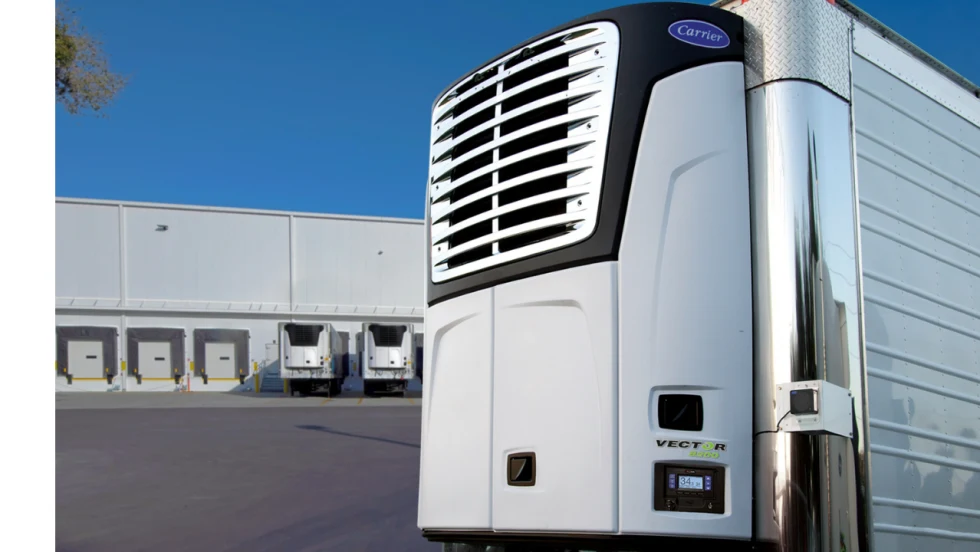
Carrier Transicold Launches All-Electric Vector 8200 TRU for Diesel-Free On-Site Cold Storage
Carrier Transicold’s first engineless multi-temperature TRU helps fresh- and frozen-food fleets add supplemental cold storage capacity during seasonal peaks.
Read More →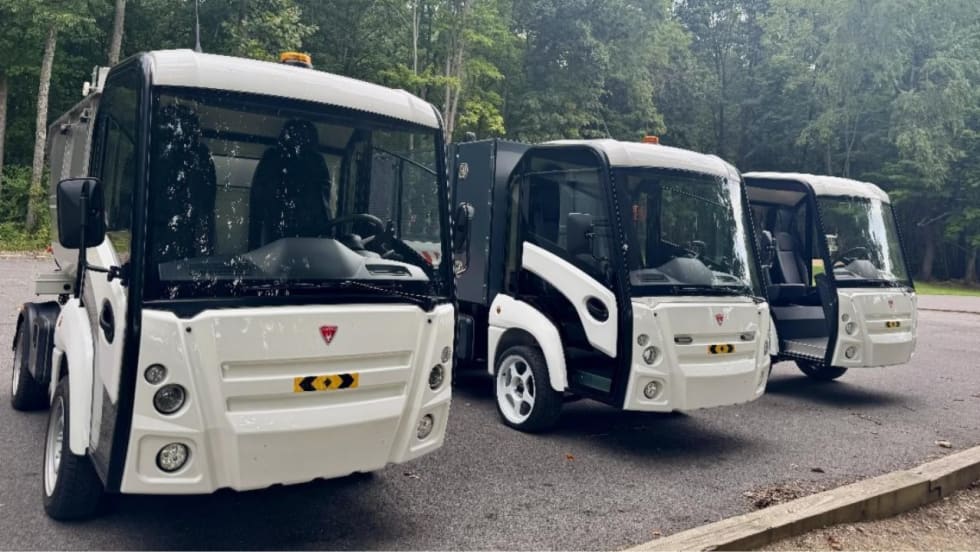
Narro Trucks Introduces Electric Utility Vehicle
Narro Trucks officially launched its operations on Aug. 20 and hosted a ride and drive to showcase its electric truck, which will be produced in Virginia.
Read More →
Samsung SDI Takes Full Control of GM Battery JV as Indiana Plant Pivots to Energy Storage
Samsung SDI is taking full control of its Indiana battery plant with GM, marking a major shift from the EV-focused joint venture Charged Fleet first covered in 2023.
Read More →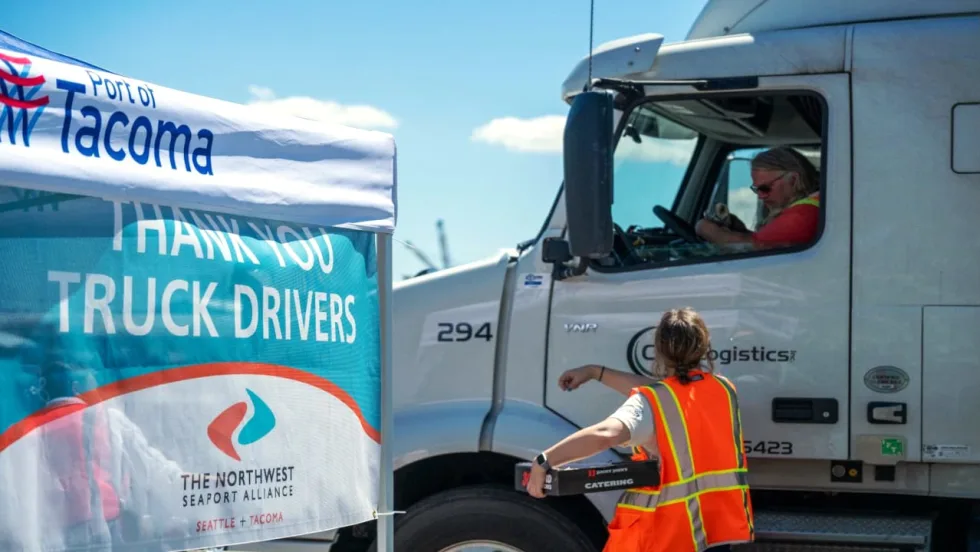
NWSA Taps CALSTART to Administer Zero-Emission Drayage Assistance Program
CALSTART will provide free technical assistance services to drayage fleets serving the Ports of Seattle and Tacoma and looking to transition to cleaner technologies and help decarbonize freight hubs.
Read More →
EV Fleet Reality Check: What Operators Wish They Knew Before Electrifying Their Work Vans
Electric work truck upfits bring new compatibility questions. Learn how parts availability, OEM guidance, power demands, and route planning can affect fleet performance.
Read More →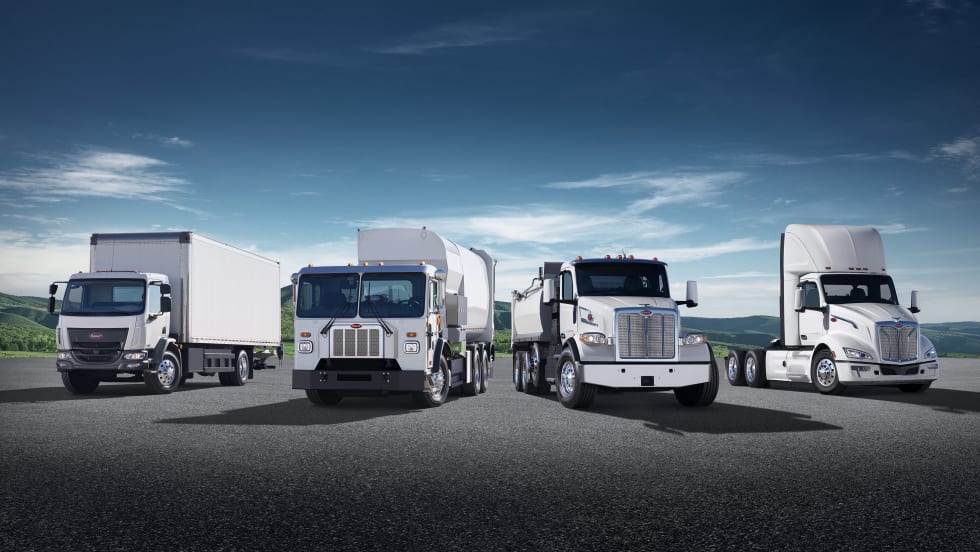
Peterbilt Expands Sourcewell Partnership with Electric Vehicle Lineup
Peterbilt Motors Company’s cooperative purchasing agreement with Sourcewell and its Canadian partner, Canoe Procurement Group, now includes including Peterbilt's battery-electric vehicle lineup.
Read More →