




IRS Announces 2009 Standard Mileage Rates
WASHINGTON – The Internal Revenue Service has issued the 2009 optional standard mileage rates used to calculate the deductible costs of operating an automobile for business, charitable, medical, or moving purposes.
WASHINGTON – The Internal Revenue Service has issued the 2009 optional standard mileage rates used to calculate the deductible costs of operating an automobile for business, charitable, medical, or moving purposes.
Beginning on Jan. 1, 2009, the standard mileage rates for the use of a car (also vans, pickups, or panel trucks) will be:
55 cents per mile for business miles driven.
24 cents per mile driven for medical or moving purposes.
14 cents per mile driven in service of charitable organizations.
The new rates for business, medical and moving purposes are slightly lower than rates for the second half of 2008 that were raised by a special adjustment mid-year in response to a spike in gasoline prices. The rate for charitable purposes is set by law and is unchanged from 2008.
The business mileage rate was 50.5 cents in the first half of 2008 and 58.5 cents in the second half. The medical and moving rate was 19 cents in the first half and 27 cents in the second half.
The mileage rates for 2009 reflect generally higher transportation costs compared to a year ago, but the rates also factor in the recent reversal of rising gasoline prices. While gasoline is a significant factor in the mileage rate, other fixed and variable costs, such as depreciation, enter the calculation.
The standard mileage rate for business is based on an annual study of the fixed and variable costs of operating an automobile. The rate for medical and moving purposes is based on the variable costs as determined by the same study. Independent contractor Runzheimer International conducted the study.
A taxpayer may not use the business standard mileage rate for a vehicle after using any depreciation method under the Modified Accelerated Cost Recovery System (MACRS) or after claiming a Section 179 deduction for that vehicle. In addition, the business standard mileage rate cannot be used for any vehicle used for hire or for more than four vehicles used simultaneously.
Taxpayers always have the option of calculating the actual costs of using their vehicle rather than using the standard mileage rates.
Revenue Procedure 2008-72 contains additional information on these standard mileage rates.
Originally posted on Automotive Fleet
More Articles

WEX Report Finds Fleet Fuel Spending Climbed as Consumption Held Steady in 2026
New WEX transaction data highlights rising fuel costs, purchasing habits, and potential savings opportunities for commercial fleets navigating 2026.
Read More →
Thanksgiving Cargo Theft Risks Put Fleet Security in Focus
J. J. Keller shares cargo theft prevention tips for work truck fleets ahead of Thanksgiving, when parked vehicles and reduced staffing can increase security risks.
Read More →
Everything You Need to Know About Renewable Diesel
Learn how renewable diesel works, how it differs from biodiesel, and what work truck fleets should know about costs, emissions, and performance.
Read More →From Our Partners
New Propane Autogas Program Offers Fleet Compensation
Sponsored by Propane Education & Research Council

Basic Tracking vs Next Generation Fleet Technology
Sponsored by AT&T Business

5 Facts Every Fleet Manager Should Know About Embedded Telematics
Sponsored by Stellantis/Mobilisights

How AI Video Telematics Boosts Driver Safety and Helps to Avoid Unnecessary Costs
Sponsored by Verizon Connect

Charting the 8 Bottom-Line Benefits of Workforce Optimization
Sponsored by Verizon Connect

Do You Need an Integrated Fuel Management System?
Sponsored by AssetWorks


Holman Names New Fleet President as Bob White Announces Retirement
Holman names Nick Caller president of fleet and Mark Bryan fleet COO as Bob White prepares to retire after more than 37 years with the company.
Read More →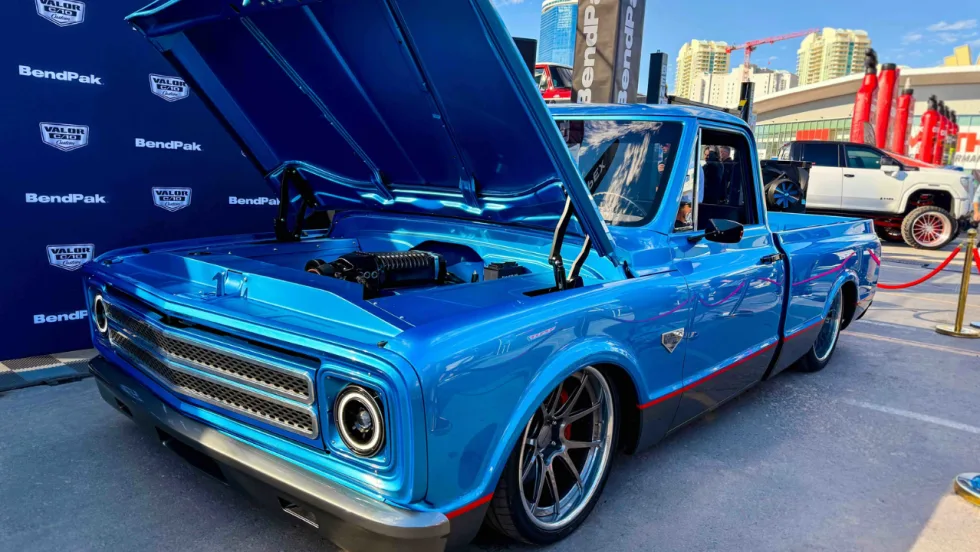
BendPak's 750-HP Valor C10 Pays Tribute to U.S. Military Veterans
Unveiled at the 2026 SEMA Show, BendPak's custom 1970 Chevrolet C10 combines 750 horsepower, handcrafted details, and a tribute to U.S. military veterans.
Read More →
Lytx, WasteVision AI Integration Helps Waste Fleets Identify Missed Revenue
New integration uses existing fleet cameras to detect overflowing containers, recycling contamination, and service activity, helping waste fleets improve billing accuracy.
Read More →
When Fixed Delivery Zones Start Working Against Your Fleet
Peak delivery volume can expose weaknesses in even the best route plan. Here’s how fleets can spot when fixed zones stop working and where flexibility can keep deliveries moving.
Read More →
Toyota Introduces the Scion by Toyota Brand and KEI-01
Scion by Toyota’s KEI-01 is designed to comply with federal safety requirements applicable to a low-speed vehicle (LSV). Initial distribution will focus on fleet customers through a small network of authorized Scion by Toyota dealers to be selected from the existing Toyota dealer network.
Read More →
Meet Work Truck and the People Who Keep Work Moving
Get to know Work Truck, where we cover the vehicles, technology, and people behind the commercial fleets that keep businesses moving.
Read More →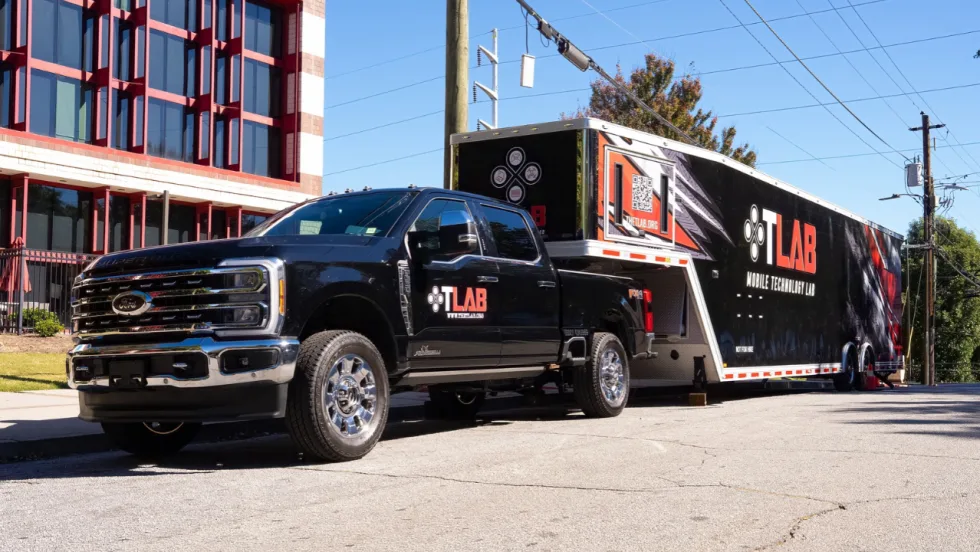
This 40-Foot Classroom Runs on Technology, Teamwork, and a Ford Super Duty
What does it take to put a technology classroom on wheels? For one Atlanta father-son team, the answer involves a custom trailer, a carefully selected truck, and plenty of lessons learned along the way.
Read More →