




Indeca Crude Xpress Enhances Fleet Safety
Emergency Safety Solutions, Inc. (ESS), completed the first phase of installations of its H.E.L.P. DeliverSAFE safety feature in Indeca Crude Xpress oil-hauling trucks.

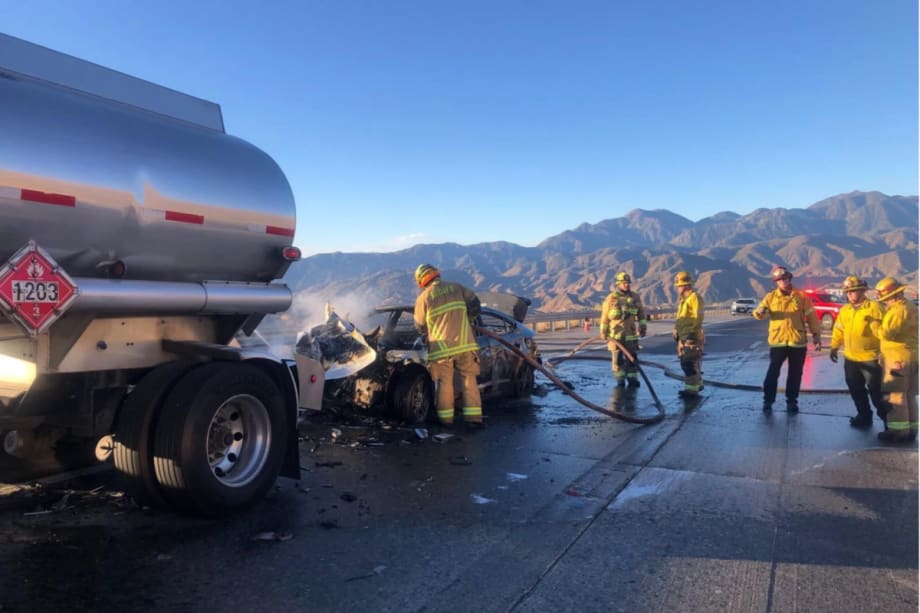
H.E.L.P. DeliverSAFE provides two forms of advanced notification to oncoming motorists.
Photo: Emergency Safety Solutions (ESS)
Emergency Safety Solutions, Inc. (ESS), completed the first phase of installations of its H.E.L.P. DeliverSAFE (Hazard Enhanced Location Protocol) safety feature in Indeca Crude Xpress oil-hauling trucks. This is the first commercial truck application for the intelligent emergency communications solution.
H.E.L.P. is a regulatory-compliant feature that significantly increases the conspicuity of disabled and shouldered commercial trucks and passenger vehicles along the roadside to help prevent crashes that kill and injure thousands each year across the U.S.
H.E.L.P. DeliverSAFE provides two forms of advanced notification to oncoming motorists, giving them considerably more time to react to and safely avoid stationary vehicles and their occupants:
H.E.L.P. Digital Alerts – Notifications sent to oncoming drivers through their in-vehicle dashboard displays and GPS mapping apps, such as Waze and Apple Maps, providing advance warning that they are approaching a disabled or stationary vehicle, even beyond line of sight.
H.E.L.P. Lighting Alerts– Dramatically improved, enhanced hazard flash pattern that is scientifically tuned and proven to grab the attention of oncoming drivers and prompt them to slow down and move over a lane.
The initial installation covers about a quarter of Indeca’s oil transport fleet operating in the Permian Basin area in West Texas, with the remainder of installations planned for later this year. H.E.L.P. DeliverSAFE is integrated with the Indeca truck fleet’s existing on-board telematics and lighting systems.
“Indeca is passionate about keeping people safe, especially here in the Permian Basin. The roads and infrastructure here were simply not designed for the current level of use, as reflected by the high crash and fatality rates in this region,” said Steve Williamson, CEO of Indeca Crude Xpress.
“Our trucks are often in vulnerable positions along the road, so we’re constantly looking for the best available solutions and technologies to ensure we maintain our exceptional safety record,” Williamson added. “We believe H.E.L.P. DeliverSAFE will make a tremendous difference in increasing the visibility of our trucks and enhancing the overall safety of our drivers and fleet.”
The Permian Basin has seen an enormous increase in truck traffic in recent years as crude oil is transported to the Gulf Coast refineries in Texas and fracking activities have expanded. The traffic levels have greatly surpassed current infrastructure capacity, leading to increased congestion, road damage and intolerable daily roadway fatalities and injuries.
“We see this as a lifesaving innovation and an ideal solution for increasing roadside safety for transport drivers – who often pull over on the side of the road when they reach hours limits, wait for deliveries or simply have some vehicle trouble,” said David Tucker, CEO of ESS. “H.E.L.P. DeliverSAFE uses visible and digital cues to alert oncoming motorists of stranded or parked trucks along the road ahead – even beyond their line of sight – so they’re in a far better position to safely steer clear of them.”
The efficacy of H.E.L.P. Lighting Alerts was validated in a spring 2022 on-road study by Virginia Tech Transportation Institute, which examined oncoming driver response to a disabled passenger vehicle with H.E.L.P. Lighting Alerts flashing at 5Hz (approximately 5 times per second) versus the standard hazard flash rate of 1.5Hz. The study found drivers slowed down and moved over much sooner when approaching a vehicle with H.E.L.P.’s higher frequency hazard lighting vs. traditional hazard lighting – which hasn’t changed in 71 years.
More Safety & Compliance
When Work Trucks Under 26,001 Pounds Need IRP Registration
Think trucks under 26,001 pounds are automatically in the clear when it comes to IRP? Not always. Learn where lighter vehicles can still run into trip permit, apportioned registration, and IFTA compliance requirements when crossing state or provincial lines.
Read More →
Volvo Trucks Releases New Safety Recommendations for Traveling with Pets
One of the most important recommendations for professional drivers traveling with pets is to ensure pets are properly restrained while the truck is moving. Other tips are available in the new guide from Volvo Trucks North America and Center for Pet Safety.
Read More →
API Issues Refueling Safety Guidelines
The American Petroleum Institute offers a list of safe vehicle refueling guidelines, including ways to avoid potential problems with static electricity discharges in fall, winter, and early spring.
Read More →


Winter Fleet Prep: Expert Tips to Keep Vehicles Running Smoothly
Cold weather can expose weak batteries, tires, fuel systems, and maintenance gaps fast. Use this winter fleet checklist to prepare trucks and drivers before temperatures drop.
Read More →
When a Work Truck Breaks Down, the Job Can Stop, Too
A work truck breakdown can stop more than the vehicle. Discover how payloads, jobsites, and specialty equipment change the roadside response.
Read More →
What Stronger Long-Term Fleet Service Partnerships Actually Require
Fleet service partnerships rarely fall apart all at once. Learn the three warning signs that trust is eroding and what fleets and providers can do before downtime, frustration, and lost revenue follow.
Read More →
Applause & TRUCE Software Partner to Improve Driver Safety Through AI-Powered Telematics & Employee Performance Management
Applause has integrated TRUCE driving metrics directly into its employee-first performance and safety platform that transforms mobile devices into AI-powered telematics.
Read More →
How Detroit Assurance with Active Brake Assist Works
Do you want to see what it is like to experience Detroit Assurance’s Active Brake Assist? In this video, Work Truck will put you in the cab to see how it all works and then hear more details from DTNA’s Mike Young.
Read More →
Get Left of Loss: A 5-Step Workplace Violence Prevention Framework for Fleet Operators
Violence risks do not stop at the driver’s door. Learn five practical steps fleets can take to spot threats early and protect workers before loss occurs.
Read More →
How Better Visibility Cut Speeding Violations by 48%
Fleet leaders don't need more data, they need clearer visibility into what the data is saying. This case study explores how one utility replaced speeding-event counts with a single metric — miles driven in violation — to strengthen safety and significantly reduce speeding violations.
Read More →