




Growth in Battery-Electric Trucks & Buses by 2030
Though sales dipped from 168,000 in 2019 to around 156,000 in 2020, the projected global sales figure for 2021 stands at nearly 231,000 units - a 47% growth for the sector.

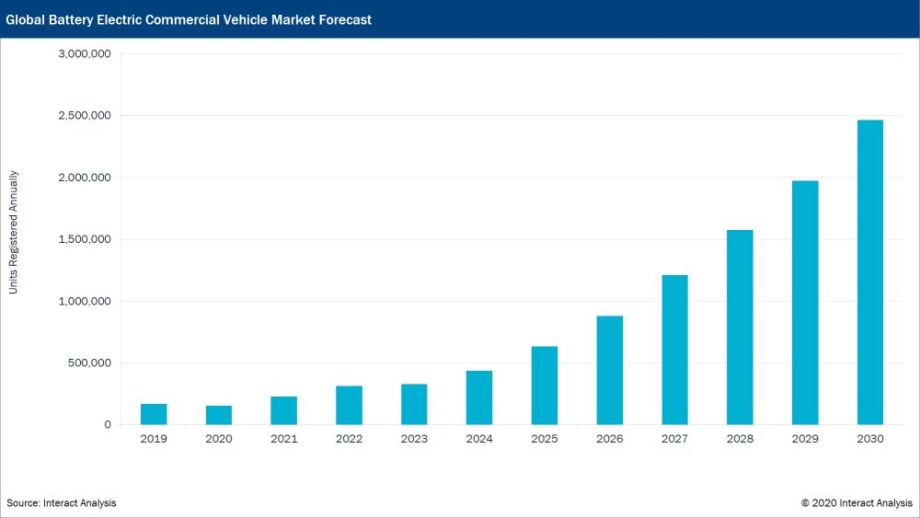
The total truck and bus market (battery-electric, fuel cell, hybrid, and diesel) will decline by 16% in 2020 but will see 15% growth in 2021.
Source: Interact Analysis
Interact Analysis completed its latest in-depth report on the commercial vehicle sector, with a particular focus on the battery-electric and hybrid market. After a severe COVID-induced setback in 2020, the industry is predicted to make a swift recovery in 2021, according to the research company, that noted hybridization is the favored solution for most long-distance vehicles; while full electric is preferred for city buses and last-mile delivery vehicles.
After a 7% decline in the market for battery-electric commercial vehicles in 2020, which was the continuation of a decline in 2019 and was largely due to Chinese subsidy policies, the sector is expected to bounce back in 2021. Interact Analysis said that though sales dipped from 168,000 in 2019 to around 156,000 in 2020, the projected global sales figure for 2021 stands at nearly 231,000 units - a 47% growth for the sector.
This expected driven by growth in Europe and North America, along with the extension of China’s EV subsidy program which was meant to come to an end in 2020. APAC will be streets ahead in 2021, surpassing the 2019 global figure with over 171,000 sales. Europe will be second in this league table, with a projected 44,000 new electric vehicle registrations in 2021. The total truck and bus market (battery-electric, fuel cell, hybrid, and diesel) will decline by 16% in 2020 but will see 15% growth in 2021.
Interact Analysis forecasts that electrified powertrains – hybrid, fuel cell, and battery-electric – will account for more than 2.5 million annual registrations of commercial vehicles by 2030, out of a total of more than 20 million. Battery electric powertrains are predicted to make serious inroads in the city bus and light-duty vehicle sectors, notably last-mile delivery vehicles, reflecting the anticipated lasting boom in online-shopping caused by the pandemic.
Inter-city bus fleets and long-haul trucks where pure battery electric is not always a viable option are predicted to see an increasing use of fuel cell technology, according to Interact Analysis.
The latest policy developments in China signalling a relaxation in green rules to stimulate production indicate that hybrid technologies will have a strong role in the region. Targets indicate that by 2030 New Energy Vehicles (battery electric or fuel-cell electric) should account for 30% of new sales in China while hybrids should account for 75% of ‘traditional energy’ vehicles. The impact on the medium and heavy-duty commercial vehicle market could be significant.
“We aren’t there yet with full electric powertrains for heavy-duty commercial vehicles, and we may not be for some time. Therefore, we predict that hybrid solutions will come to the fore in APAC (partly due to new regulations in China), whilst in Europe, OEM fleet CO2 emissions regulations (-15% by 2025 in the EU) will likely push mild hybridisation in heavy-duty applications. California, along with several other U.S. states, is mandating OEMs to sell a certain number of zero emission commercial vehicles. This will disincentivise OEMs to sell hybrids as these vehicles may cannibalise zero-emission vehicle sales," said Rueben Scriven, Senior Analyst at Interact Analysis.
More Green Fleet

Fleet Forward Conference Introduces One-Day Passes for 2026
New one-day registration gives fleet professionals the flexibility to attend Tuesday, Wednesday, or Thursday, with passes available for $199 through Sept. 18.
Read More →
CALSTART Rebrands as Catalyst Mobility, Will Combine with Forth in 2027
CALSTART has rebranded as Catalyst Mobility and will combine with Forth at the start of 2027. The new organization said it is poised to become one of the world's largest, strongest, and most impactful clean transportation nonprofits.
Read More →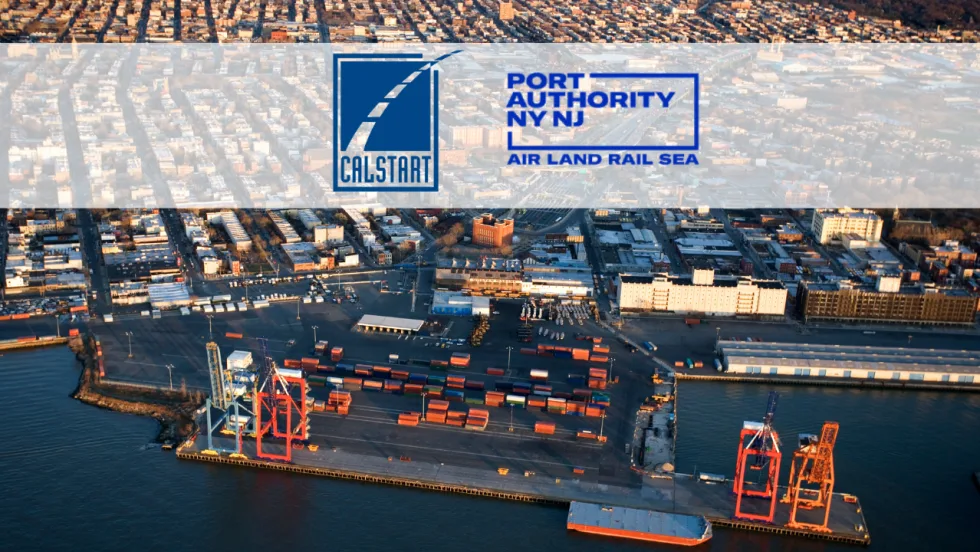
Electric Truck and Charging Programs to Boost Sustainability at NY & NJ Ports
Together, the Port Authority of New York and New Jersey and CALSTART will electrify drayage and terminal operations serving the East Coast’s busiest container port. A pair of incentive programs totaling $45 million has launched to accelerate adoption of zero-emission drayage trucks and terminal tractors.
Read More →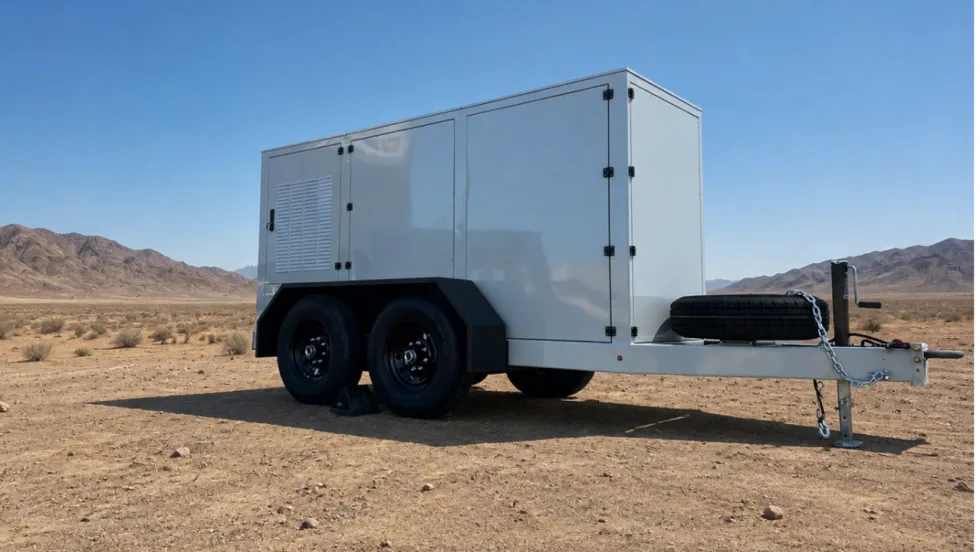
Xos Hub Surpasses One Gigawatt-Hour of Energy Delivered in the Field
A single Xos Hub has surpassed one gigawatt-hour of energy across more than 33,600 charging sessions in the field, demonstrating performance that supports Xos' expansion across new products and markets.
Read More →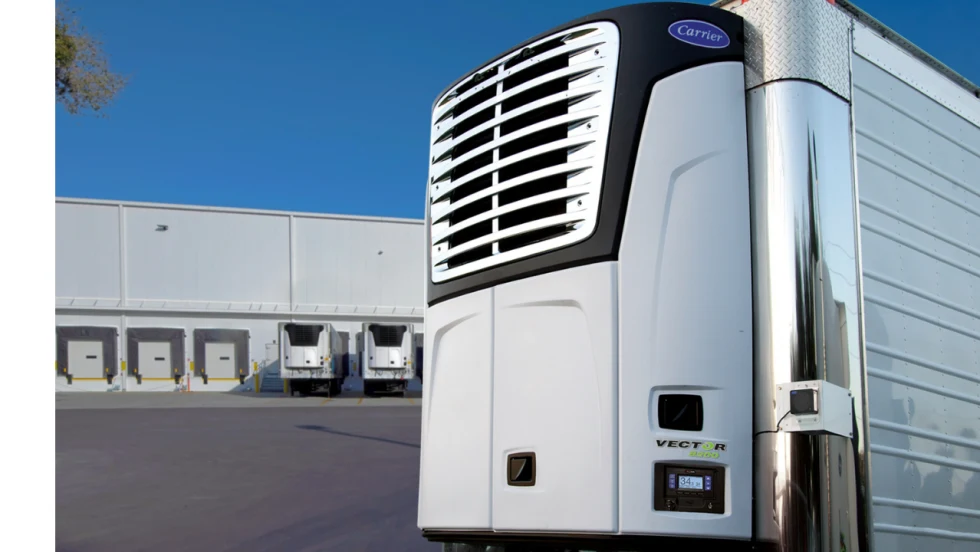
Carrier Transicold Launches All-Electric Vector 8200 TRU for Diesel-Free On-Site Cold Storage
Carrier Transicold’s first engineless multi-temperature TRU helps fresh- and frozen-food fleets add supplemental cold storage capacity during seasonal peaks.
Read More →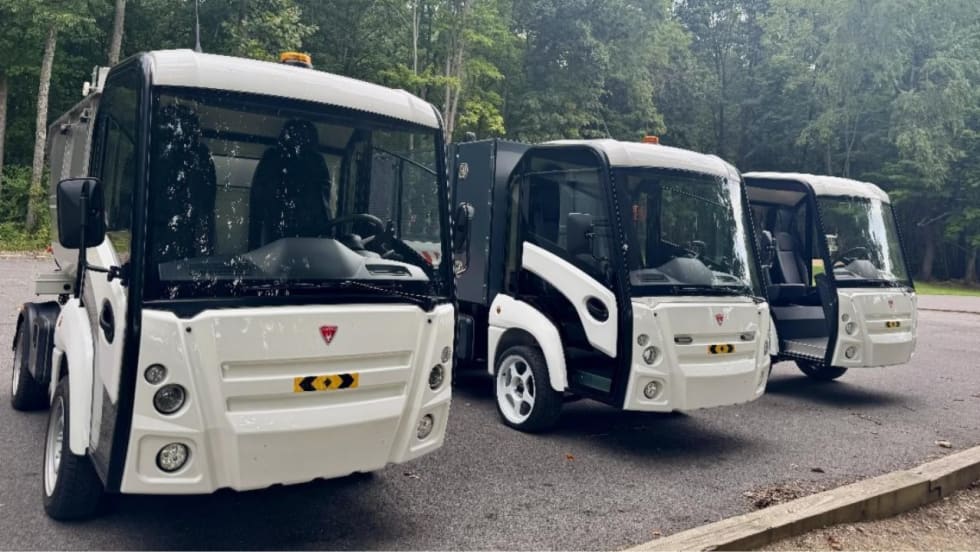
Narro Trucks Introduces Electric Utility Vehicle
Narro Trucks officially launched its operations on Aug. 20 and hosted a ride and drive to showcase its electric truck, which will be produced in Virginia.
Read More →
Samsung SDI Takes Full Control of GM Battery JV as Indiana Plant Pivots to Energy Storage
Samsung SDI is taking full control of its Indiana battery plant with GM, marking a major shift from the EV-focused joint venture Charged Fleet first covered in 2023.
Read More →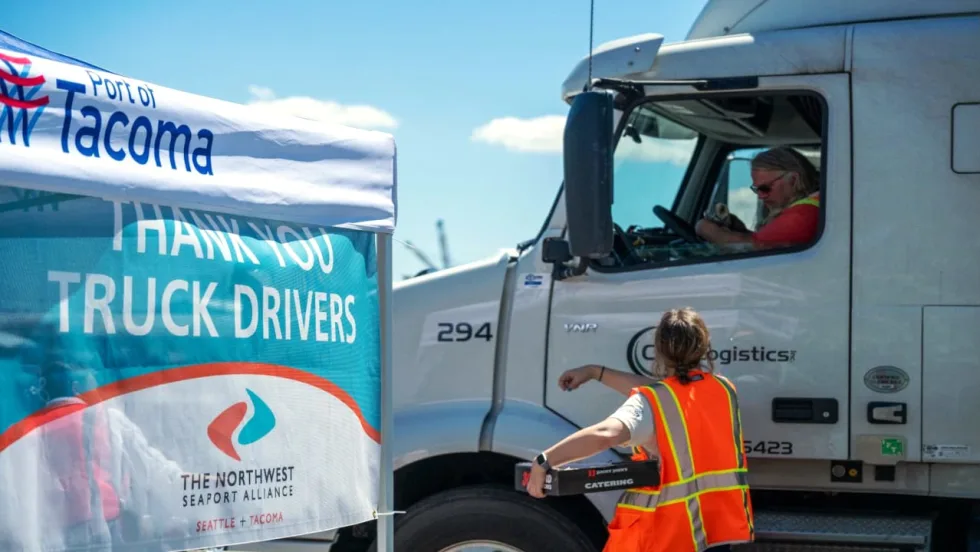
NWSA Taps CALSTART to Administer Zero-Emission Drayage Assistance Program
CALSTART will provide free technical assistance services to drayage fleets serving the Ports of Seattle and Tacoma and looking to transition to cleaner technologies and help decarbonize freight hubs.
Read More →
EV Fleet Reality Check: What Operators Wish They Knew Before Electrifying Their Work Vans
Electric work truck upfits bring new compatibility questions. Learn how parts availability, OEM guidance, power demands, and route planning can affect fleet performance.
Read More →
Peterbilt Expands Sourcewell Partnership with Electric Vehicle Lineup
Peterbilt Motors Company’s cooperative purchasing agreement with Sourcewell and its Canadian partner, Canoe Procurement Group, now includes including Peterbilt's battery-electric vehicle lineup.
Read More →