




GPS Causing Truck Crashes
ALBANY, NY - Gov. David Paterson recently proposed penalties including jail time and confiscation of trucks to come down on drivers who use GPS to take more hazardous routes and end up striking bridges.
ALBANY, NY - New York truckers who travel on prohibited routes directed by GPS devices may be penalized for their actions, reported the Associated Press.
Gov. David Paterson recently proposed penalties including jail time and confiscation of trucks to come down on drivers who use GPS - global positioning systems - to take more hazardous routes and end up striking bridges.
"To our knowledge, no other state has similar legislation," said Clayton Boyce of the American Trucking Associations, an industry trade group based in Washington.
"Most trucking companies rely on GPS services that are specifically for trucks and route them away from restricted roads," he said. "Most of our members also use dispatching and fleet management systems that direct and track the vehicles by truck GPS services."
In New York, a truckers' group called the proposal unfair and unwarranted, according to AP.
"We understand that bridge strikes have become an increasing problem for Westchester County and the New York metropolitan area," said Karin Kennett of the New York State Motor Truck Association. Requiring all trucks in the state that are using GPS to buy an enhanced device goes too far, she said, noting the "unfair and unwanted financial burden."
A safety group said trucks taking restricted routes is a scary fact of life on the nation's highways and parkways and something other states will need to consider as more drivers turn to GPS.
Gerald Donaldson, senior research director of Advocates for Highway and Auto Safety, said GPS adds to the list of electronics that also distract truckers, including radios, cell phones, and a computer keyboard to communicate with companies and other drivers.
"GPS is the heart of it," said Donaldson, who predicted other states may follow suit.
GPS can direct truckers, many of them carrying hazardous material, to restricted roads with overpass clearances too low for the rigs. Hauling on restricted or residential routes also pounds the life out of roads because the trucks are over weight limits and clog traffic, reported AP.
AP reported New York state alone has seen more than 1,400 bridge strikes in the past 15 years, including 46 so far this year in suburban Westchester County, testing many old bridges already in need of repair, said County Executive Andrew Spano. One bridge in his county was hit nine times this year.
"This sort of culture of just following the GPS and almost ignoring the road signs has created this public hazard," Paterson told reporters. "It's only a matter of time before someone is killed or a truck carrying chemicals or explosives hits a bridge," he said.
The bill would increase penalties for illegally using parkways and require all large commercial trucks to use GPS devices that route them away from restricted roads. It would also stick trucking companies or their insurance carriers with the bill for repairs and cleanup after bridge strikes.
The bill could hit the Legislature as early as January, AP reported.
Originally posted on Automotive Fleet
More Safety
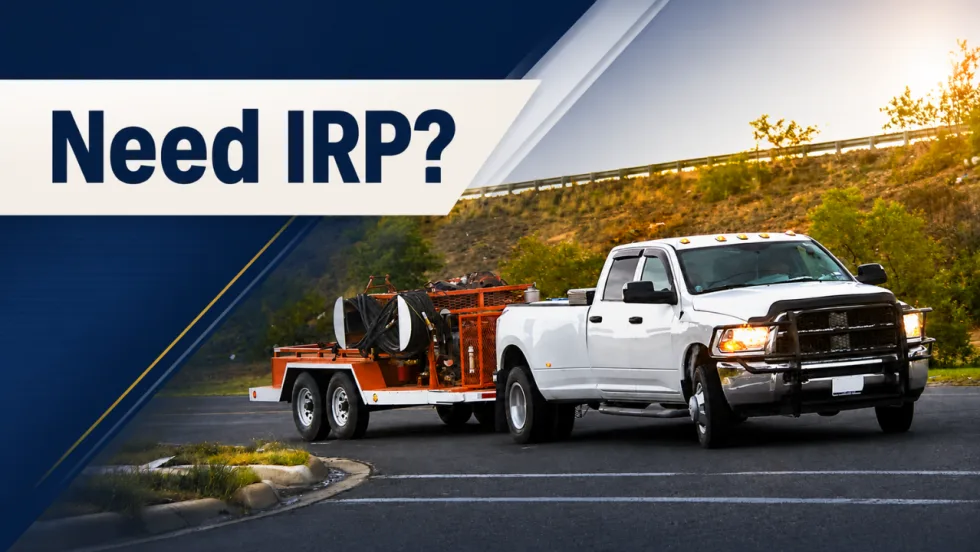
When Work Trucks Under 26,001 Pounds Need IRP Registration
Think trucks under 26,001 pounds are automatically in the clear when it comes to IRP? Not always. Learn where lighter vehicles can still run into trip permit, apportioned registration, and IFTA compliance requirements when crossing state or provincial lines.
Read More →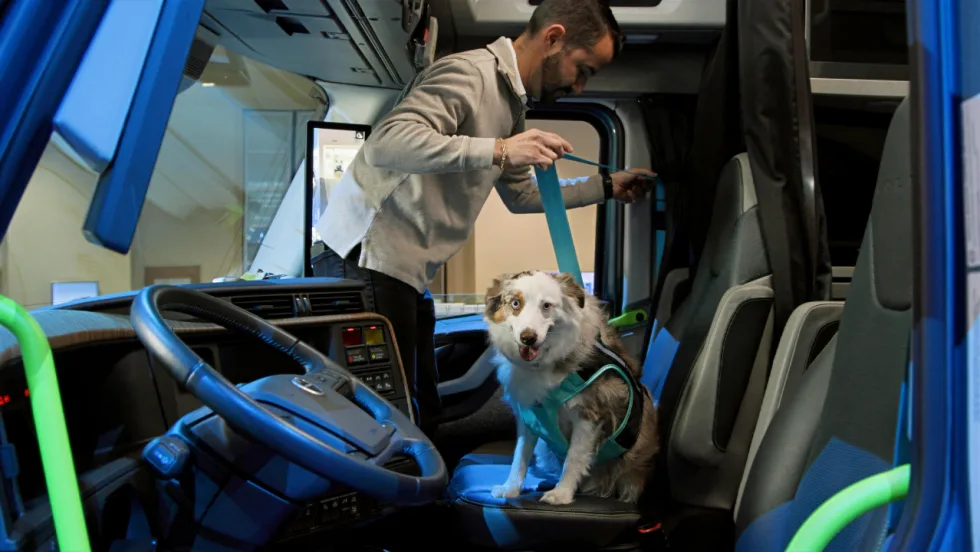
Volvo Trucks Releases New Safety Recommendations for Traveling with Pets
One of the most important recommendations for professional drivers traveling with pets is to ensure pets are properly restrained while the truck is moving. Other tips are available in the new guide from Volvo Trucks North America and Center for Pet Safety.
Read More →
API Issues Refueling Safety Guidelines
The American Petroleum Institute offers a list of safe vehicle refueling guidelines, including ways to avoid potential problems with static electricity discharges in fall, winter, and early spring.
Read More →
Winter Fleet Prep: Expert Tips to Keep Vehicles Running Smoothly
Cold weather can expose weak batteries, tires, fuel systems, and maintenance gaps fast. Use this winter fleet checklist to prepare trucks and drivers before temperatures drop.
Read More →
When a Work Truck Breaks Down, the Job Can Stop, Too
A work truck breakdown can stop more than the vehicle. Discover how payloads, jobsites, and specialty equipment change the roadside response.
Read More →
What Stronger Long-Term Fleet Service Partnerships Actually Require
Fleet service partnerships rarely fall apart all at once. Learn the three warning signs that trust is eroding and what fleets and providers can do before downtime, frustration, and lost revenue follow.
Read More →
Applause & TRUCE Software Partner to Improve Driver Safety Through AI-Powered Telematics & Employee Performance Management
Applause has integrated TRUCE driving metrics directly into its employee-first performance and safety platform that transforms mobile devices into AI-powered telematics.
Read More →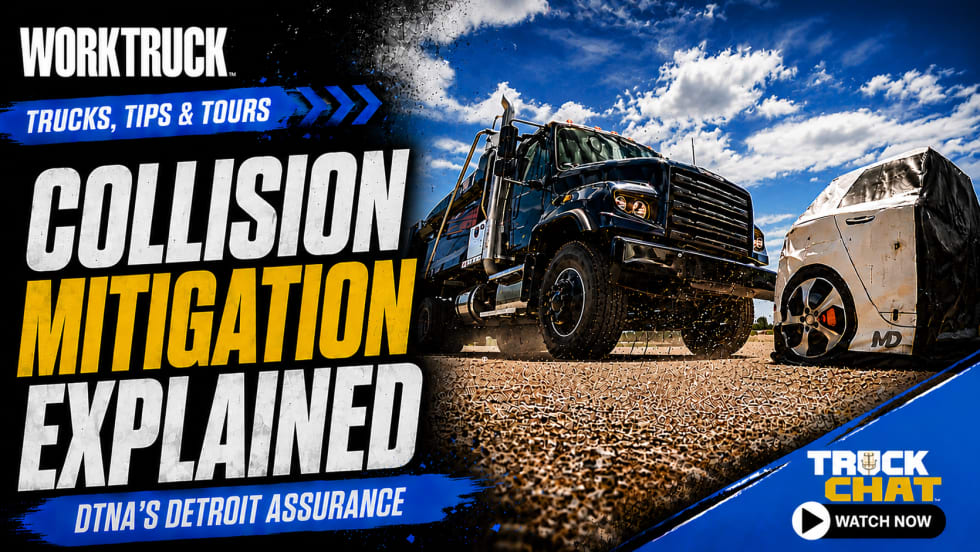
How Detroit Assurance with Active Brake Assist Works
Do you want to see what it is like to experience Detroit Assurance’s Active Brake Assist? In this video, Work Truck will put you in the cab to see how it all works and then hear more details from DTNA’s Mike Young.
Read More →
Get Left of Loss: A 5-Step Workplace Violence Prevention Framework for Fleet Operators
Violence risks do not stop at the driver’s door. Learn five practical steps fleets can take to spot threats early and protect workers before loss occurs.
Read More →
How Better Visibility Cut Speeding Violations by 48%
Fleet leaders don't need more data, they need clearer visibility into what the data is saying. This case study explores how one utility replaced speeding-event counts with a single metric — miles driven in violation — to strengthen safety and significantly reduce speeding violations.
Read More →