





Related news:GM Confirms Electric Chevrolet Silverado Pickup Truck
GM to Source U.S.-Based Lithium for Next-Gen EV Batteries
Through an agreement with Controlled Thermal Resources, lithium will be sourced in part from California from a more environmentally friendly process than traditional lithium production.
July 6, 2021
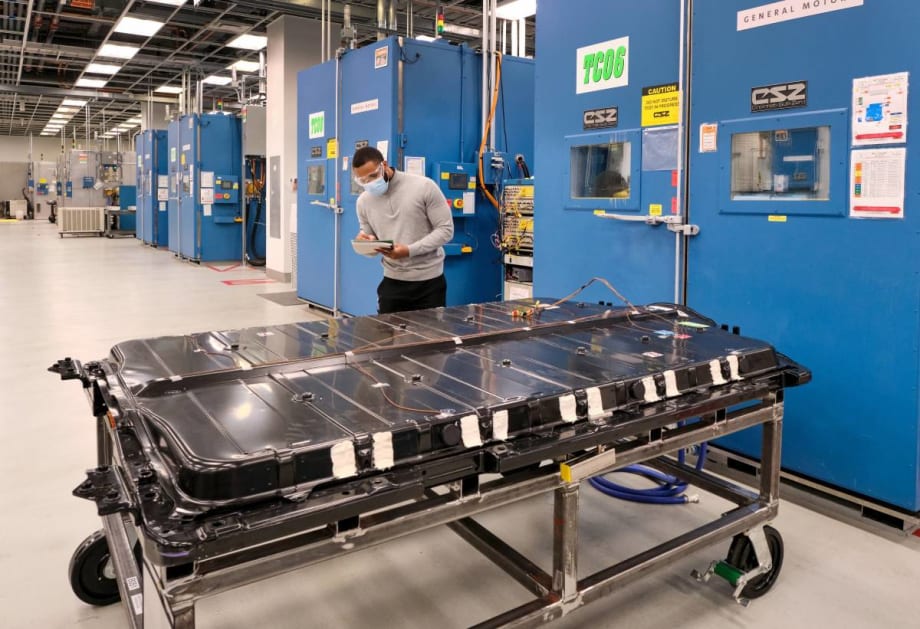
Lithium is a key ingredient in General Motors’ Ultium battery packs, like this one being tested by GM Validation Engineer Andre Brown at the GM Global Battery Systems Lab Monday, June 28, 2021 on the campus of the GM Tech Center in Warren, Mich.
Photo: Steve Fecht for General Motors
2 min to read
General Motors has agreed to form a strategic investment and commercial collaboration with Controlled Thermal Resources to secure local and low-cost lithium, the company announced in a press release on July 2.
This lithium will be produced through a closed-loop, direct extraction process that results in a smaller physical footprint, no production tailing and lower carbon dioxide emissions when compared to traditional processes like pit mining or evaporation ponds.
Lithium is a metal crucial to GM's plans to make more affordable, higher mileage electric vehicles.
The relationship between GM and CTR is expected to accelerate the adoption of lithium extraction methods that cause less effects on the environment. Much of GM's future battery-grade lithium hydroxide and carbonate could come from CTR's Hell's Kitchen Lithium and Power development in the Salton Sea Geothermal Field, in Imperial, Calif. With the help of GM's investment, CTR's closed-loop, direct extraction process will recover lithium from geothermal brine.
As an anticipated part of its $35 billion global commitment to EVs and autonomous vehicles, GM will be the first company to make a multi-million dollar investment in CTR's Hell's Kitchen project. As the first investor, GM will have first rights on lithium produced by the first stage of the Hell's Kitchen project, including an option for a multi-year relationship.
"Lithium is critical to battery production today and will only become more important as consumer adoption of EVs increases, and we accelerate towards our all-electric future," said Doug Parks, GM executive vice president of global product development, purchasing and supply chain. "By securing and localizing the lithium supply chain in the U.S., we're helping ensure our ability to make powerful, affordable, high mileage EVs while also helping to mitigate environmental impact and bring more low-cost lithium to the market as a whole. GM looks forward to working with CTR, in addition to state and local leaders, in achieving these goals."
Batteries are and will remain one of the largest cost drivers of EVs. Lithium is a key battery material used in the cathodes and electrolytes of GM EVs like the Chevrolet Bolt EV and Bolt EUV. Lithium will become even more important in battery use as GM explores lithium metal batteries with a protected anode.
Most lithium used in lithium-ion batteries is mined and processed outside of the U.S.
The first stage of the Hell's Kitchen project is expected to begin yielding lithium in 2024, helping GM to meet its aspiration of eliminating tailpipe emissions from light-duty vehicles by 2035.
Topics:Sustainability
Originally posted on Charged Fleet
More Sustainability
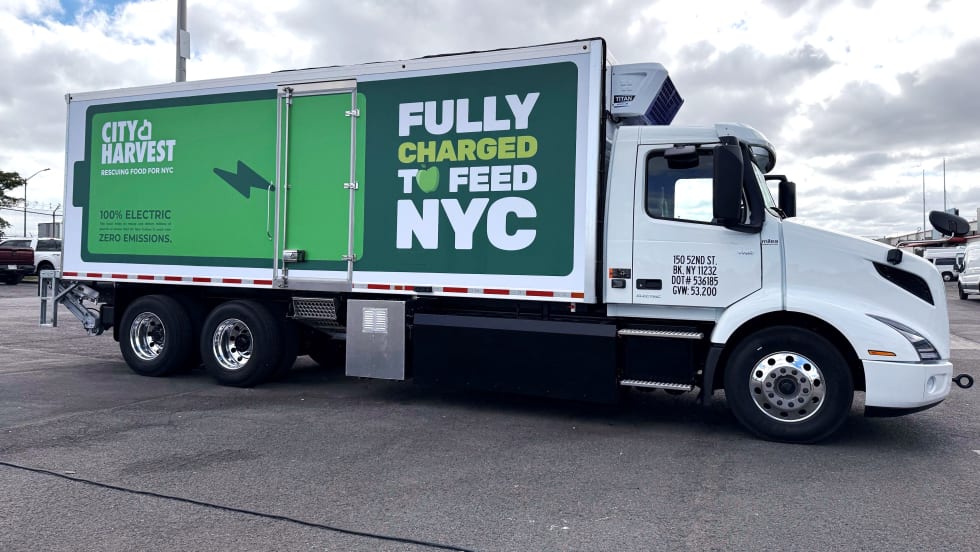
City Harvest Begins Using Volvo VNR Electric Trucks to Rescue Food Across New York City
Volvo Trucks North America and the Bronx Is Breathing project team handed over three new Volvo VNR Electric trucks to City Harvest, which will use the trucks to rescue and deliver food throughout the Bronx and across all five boroughs of New York.
Read More →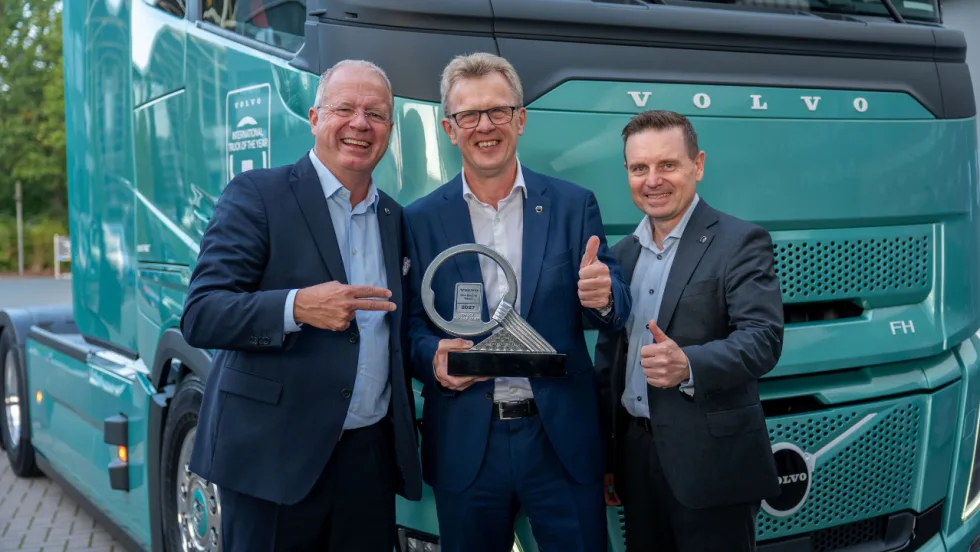
Volvo Trucks Wins International Truck of the Year 2027 for its Global Electric Range
Volvo Trucks' global heavy-duty electric range has been named International Truck of the Year 2027. Since 2019, more than 7,000 electric Volvo trucks have driven more than 310 million miles worldwide.
Read More →
Fleet Forward Conference Introduces One-Day Passes for 2026
New one-day registration gives fleet professionals the flexibility to attend Tuesday, Wednesday, or Thursday, with passes available for $199 through Sept. 18.
Read More →

CALSTART Rebrands as Catalyst Mobility, Will Combine with Forth in 2027
CALSTART has rebranded as Catalyst Mobility and will combine with Forth at the start of 2027. The new organization said it is poised to become one of the world's largest, strongest, and most impactful clean transportation nonprofits.
Read More →
Electric Truck and Charging Programs to Boost Sustainability at NY & NJ Ports
Together, the Port Authority of New York and New Jersey and CALSTART will electrify drayage and terminal operations serving the East Coast’s busiest container port. A pair of incentive programs totaling $45 million has launched to accelerate adoption of zero-emission drayage trucks and terminal tractors.
Read More →
The Smart Way to Build a Mixed-Energy Fleet Isn’t About Picking a Side
Mixed-energy fleets aren’t about picking a winning fuel. Sarah Booth of WEX explains how vehicle data, duty cycles, charging strategy, and real-world costs can help fleets choose the right energy source for each job.
Read More →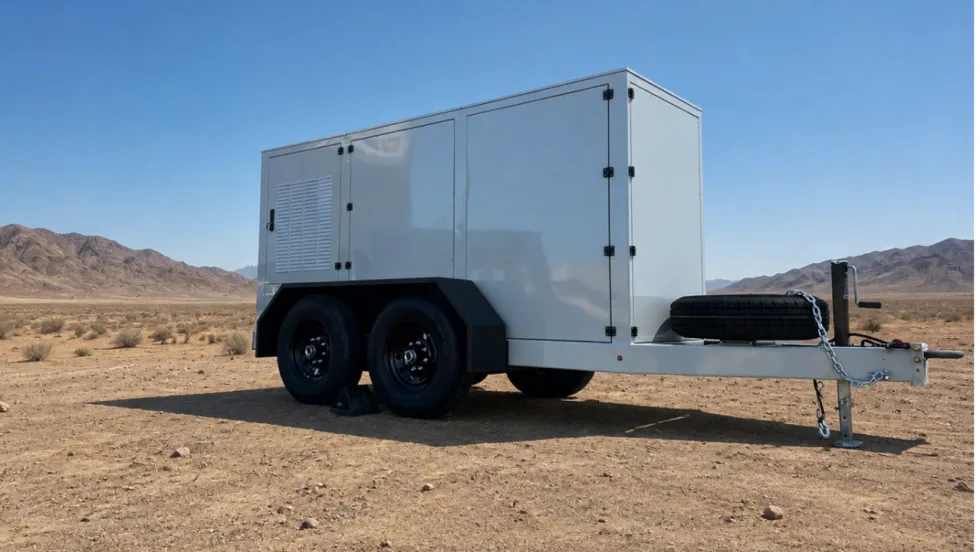
Xos Hub Surpasses One Gigawatt-Hour of Energy Delivered in the Field
A single Xos Hub has surpassed one gigawatt-hour of energy across more than 33,600 charging sessions in the field, demonstrating performance that supports Xos' expansion across new products and markets.
Read More →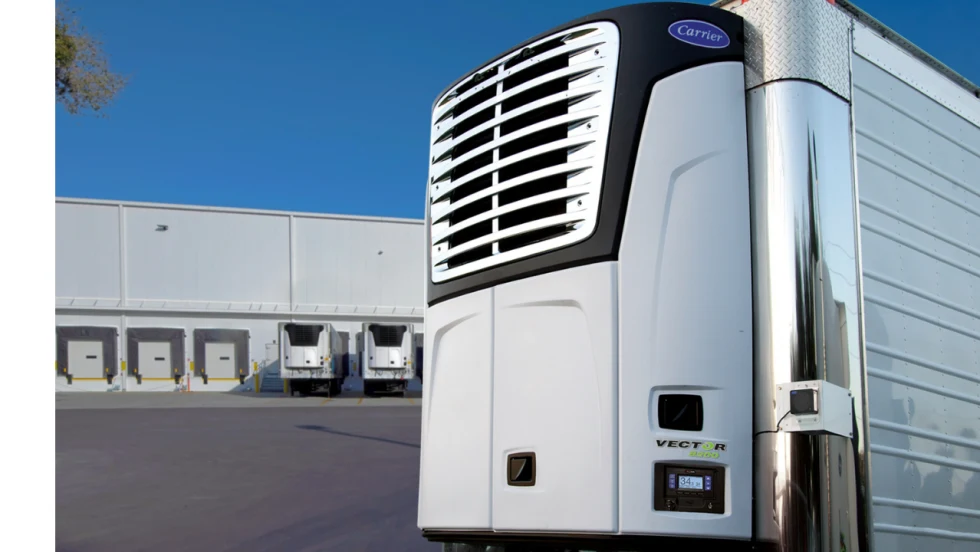
Carrier Transicold Launches All-Electric Vector 8200 TRU for Diesel-Free On-Site Cold Storage
Carrier Transicold’s first engineless multi-temperature TRU helps fresh- and frozen-food fleets add supplemental cold storage capacity during seasonal peaks.
Read More →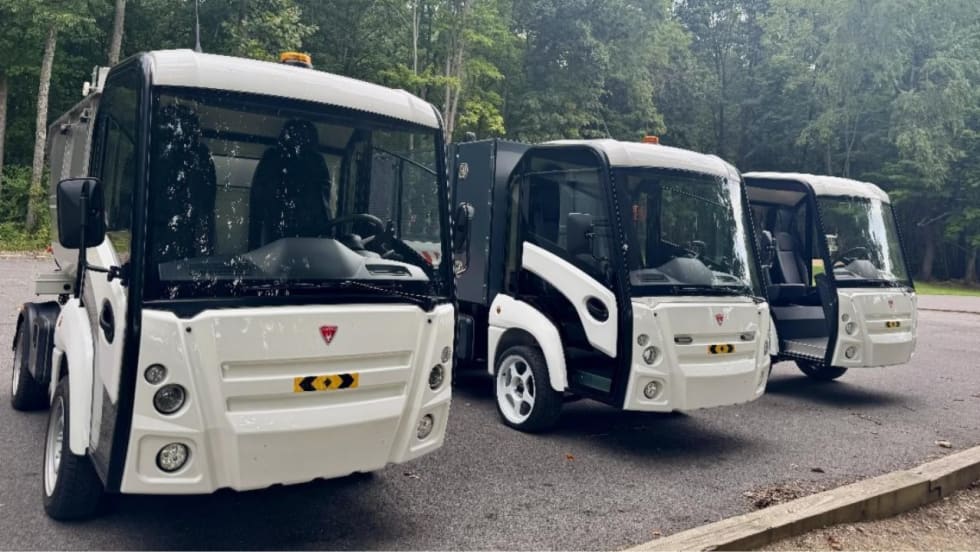
Narro Trucks Introduces Electric Utility Vehicle
Narro Trucks officially launched its operations on Aug. 20 and hosted a ride and drive to showcase its electric truck, which will be produced in Virginia.
Read More →
Samsung SDI Takes Full Control of GM Battery JV as Indiana Plant Pivots to Energy Storage
Samsung SDI is taking full control of its Indiana battery plant with GM, marking a major shift from the EV-focused joint venture Charged Fleet first covered in 2023.
Read More →