




GM and Autocar Partner for Zero Emissions Commercial Vehicles
General Motors and Autocar Industries are teaming up to create a range of zero tailpipe emissions vocational vehicles powered by GM’s HYDROTEC power cubes.

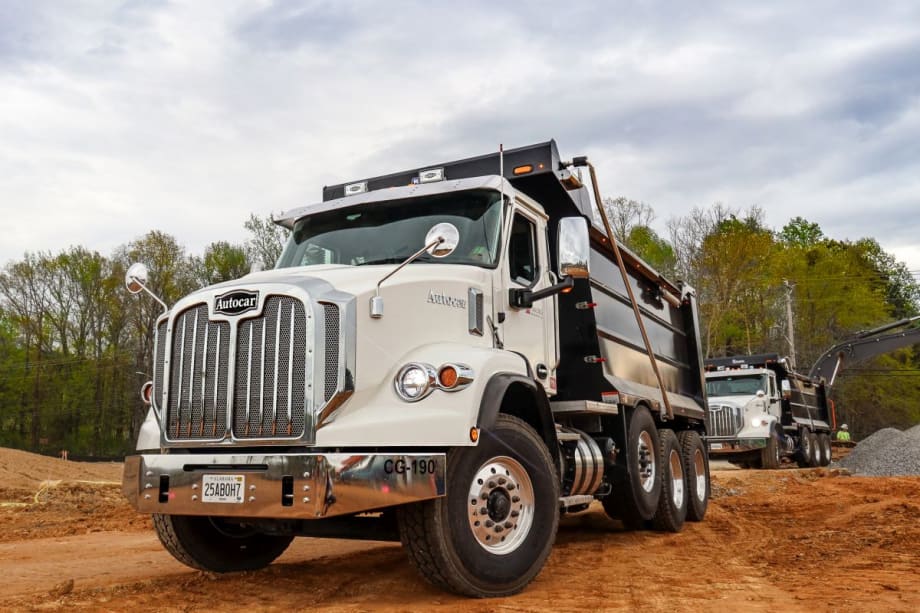
The Autocar DC-64D dump truck pictured at a construction site.
Photo: Autocar
General Motors and Autocar Industries, LLC signed a joint development agreement to create a range of zero tailpipe emissions vocational vehicles powered by GM’s HYDROTEC power cubes.
Autocar, a provider of customized vocational trucks, views this initiative as an important expansion in offering robust, zero tailpipe emissions solutions to customers, according to a release from General Motors.
"Fuel cell technology offers an additional energy propulsion option to support Autocar’s vocational customers’ move toward EPA requirements," the release shared.
Hydrogen fuel cells are a key component of GM’s electrification strategy which extends beyond battery-powered passenger vehicles. Fuel cells combine hydrogen and oxygen to generate electricity through an electrochemical reaction. The fuel cell enables the conversion of energy stored in hydrogen into electricity to power a vehicle.
Since fuel cells are lightweight and enable large payloads, excellent range, quiet operation and rapid refueling, they can meet the needs of the heaviest duty applications. With regulations rapidly changing in many countries, fuel cell-powered vehicles have the added advantage of zero tailpipe emissions when compared to diesel vehicles.
“EV propulsion systems like GM’s Ultium Platform are great solutions for electrifying passenger vehicles, but larger vehicles like Autocar’s Class 8 trucks, refuse trucks and terminal tractors require robust solutions that enable significant energy carrying capacity and fast refueling times,” said Charlie Freese, GM executive director, Global HYDROTEC. “We want to enable zero tailpipe emissions solutions for the largest, highest energy consuming vehicles, and fuel cells are ideal for the most energy intensive applications.”
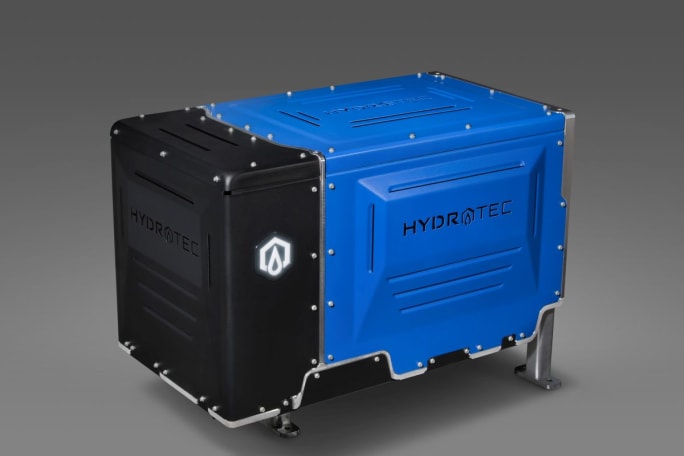
The GM HYDROTEC fuel cell power cube, which contains more than 300 hydrogen fuel cells and provides 77 kilowatts of power.
Photo: General Motors
These jointly developed trucks will be powered by GM’s HYDROTEC power cubes, which are GM’s fuel cell propulsion system solution for these very demanding commercial vehicles. HYDROTEC power cubes are compact, easy to package, scalable and can electrify vehicles and applications across a variety of industries, from freight trucking, aerospace and locomotives to power generation.
The first of these vehicles is expected to go into production in 2026 at the Autocar Truck Plant in Birmingham, Alabama. Vehicles with HYDROTEC technology will be built to order by Autocar and will be sold directly to customers. Cement mixers, roll-off and dump trucks, which all share a common architecture, will be built first, followed by refuse trucks and terminal tractors.
“Autocar provides customized vocational trucking solutions, and as regulations change, we see HYDROTEC fuel cells as an additional avenue for our customers to meet their EPA requirements with zero tailpipe emissions vehicles,” said Eric Schwartz, president, Autocar. “GM’s scale, reliability and the capability of their HYDROTEC fuel cell technology will enhance Autocar’s existing platforms.”
Each power cube contains more than 300 hydrogen fuel cells, along with thermal and power management systems and proprietary controls to fuel cell and battery life and performance while optimizing cold start capability. The HYDROTEC power cube provides 77 kilowatts of power and is much quieter than a conventional diesel propulsion system. Multiple power cubes can be arrayed in a vehicle for even higher power ratings.
Triz Engineering will provide expert integration support for power distribution between the fuel cell and batteries, which store electricity that is captured from regenerative braking or is created by the HYDROTEC power cubes. Triz Engineering is a commercial vehicle engineering company owned by GVW Group, which also owns Autocar.
“We have carefully studied existing severe duty vocational trucks to understand their specific demands and requirements,” said Johann Vorster, president of TRIZ Engineering. “With GM and Autocar, we have built a fuel cell application that is unique within vocational vehicles — giving severe duty trucking more options to be truly rugged and capable of achieving zero tailpipe emissions.”
GM’s HYDROTEC fuel cell power cubes will be produced by GM in Brownstown, Michigan.
More Green Fleet

Fleet Forward Conference Introduces One-Day Passes for 2026
New one-day registration gives fleet professionals the flexibility to attend Tuesday, Wednesday, or Thursday, with passes available for $199 through Sept. 18.
Read More →
CALSTART Rebrands as Catalyst Mobility, Will Combine with Forth in 2027
CALSTART has rebranded as Catalyst Mobility and will combine with Forth at the start of 2027. The new organization said it is poised to become one of the world's largest, strongest, and most impactful clean transportation nonprofits.
Read More →
Electric Truck and Charging Programs to Boost Sustainability at NY & NJ Ports
Together, the Port Authority of New York and New Jersey and CALSTART will electrify drayage and terminal operations serving the East Coast’s busiest container port. A pair of incentive programs totaling $45 million has launched to accelerate adoption of zero-emission drayage trucks and terminal tractors.
Read More →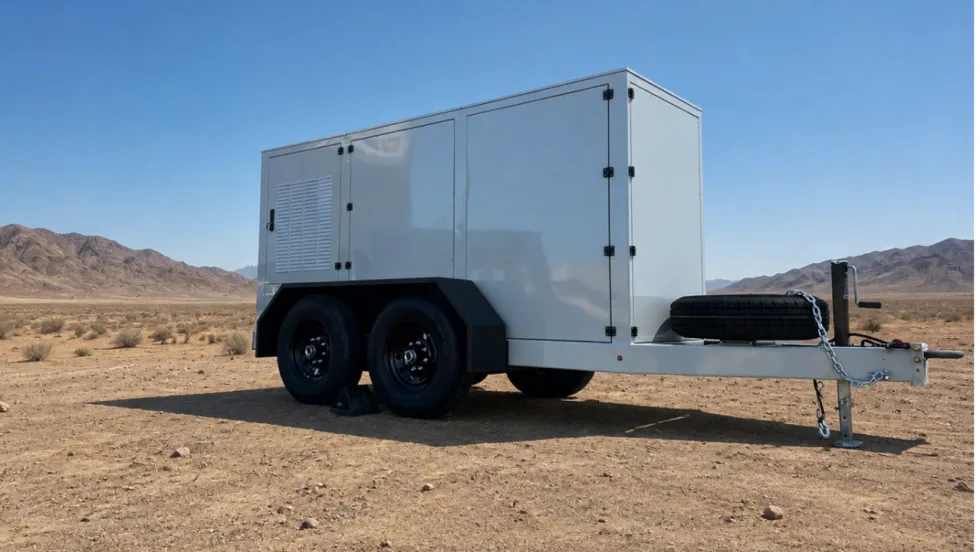
Xos Hub Surpasses One Gigawatt-Hour of Energy Delivered in the Field
A single Xos Hub has surpassed one gigawatt-hour of energy across more than 33,600 charging sessions in the field, demonstrating performance that supports Xos' expansion across new products and markets.
Read More →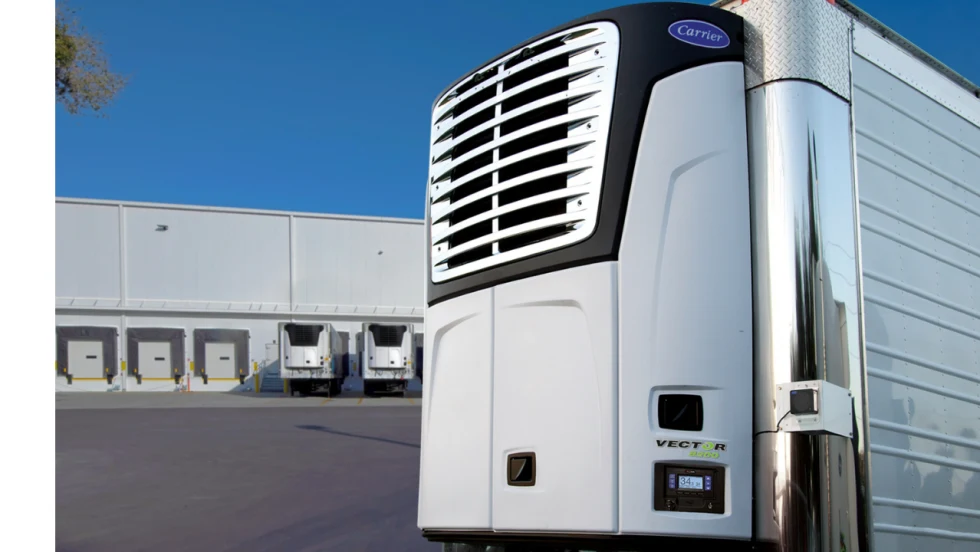
Carrier Transicold Launches All-Electric Vector 8200 TRU for Diesel-Free On-Site Cold Storage
Carrier Transicold’s first engineless multi-temperature TRU helps fresh- and frozen-food fleets add supplemental cold storage capacity during seasonal peaks.
Read More →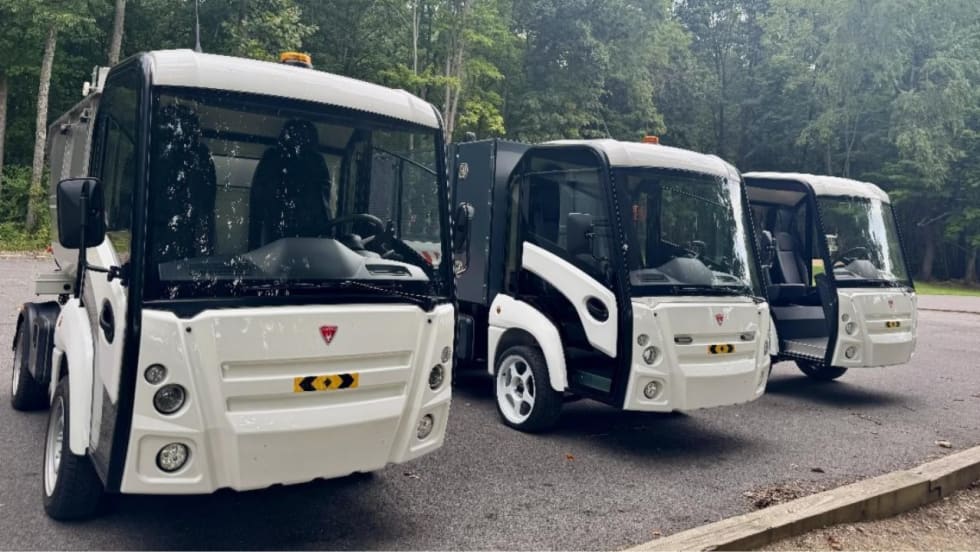
Narro Trucks Introduces Electric Utility Vehicle
Narro Trucks officially launched its operations on Aug. 20 and hosted a ride and drive to showcase its electric truck, which will be produced in Virginia.
Read More →
Samsung SDI Takes Full Control of GM Battery JV as Indiana Plant Pivots to Energy Storage
Samsung SDI is taking full control of its Indiana battery plant with GM, marking a major shift from the EV-focused joint venture Charged Fleet first covered in 2023.
Read More →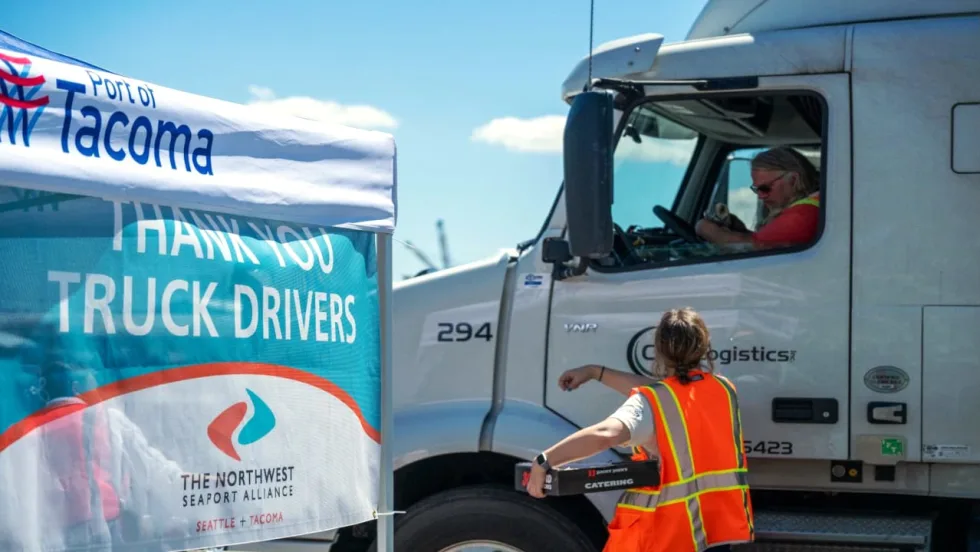
NWSA Taps CALSTART to Administer Zero-Emission Drayage Assistance Program
CALSTART will provide free technical assistance services to drayage fleets serving the Ports of Seattle and Tacoma and looking to transition to cleaner technologies and help decarbonize freight hubs.
Read More →
EV Fleet Reality Check: What Operators Wish They Knew Before Electrifying Their Work Vans
Electric work truck upfits bring new compatibility questions. Learn how parts availability, OEM guidance, power demands, and route planning can affect fleet performance.
Read More →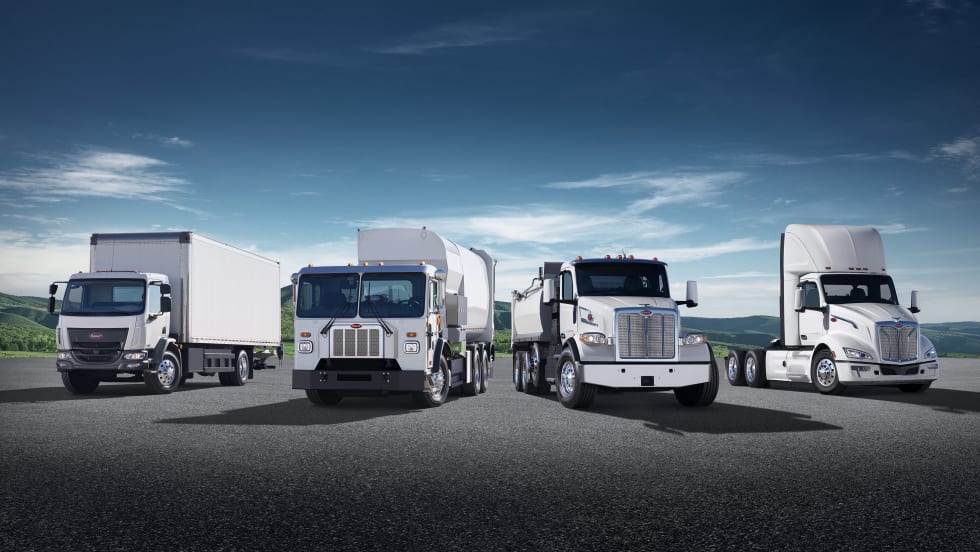
Peterbilt Expands Sourcewell Partnership with Electric Vehicle Lineup
Peterbilt Motors Company’s cooperative purchasing agreement with Sourcewell and its Canadian partner, Canoe Procurement Group, now includes including Peterbilt's battery-electric vehicle lineup.
Read More →