




Freightliner Custom Chassis Corporation Launches Hydraulic Hybrid at NTEA Work Truck Show
CHICAGO - Freightliner Custom Chassis Corporation (FCCC) introduced the newest addition to its robust alternative powertrain chassis development program - the pilot hydraulic hybrid walk-in van chassis.
CHICAGO - Freightliner Custom Chassis Corporation (FCCC) introduced the newest addition to its robust alternative powertrain chassis development program - the pilot hydraulic hybrid walk-in van chassis. This latest alternative-fuel chassis from FCCC was launched at the recent National Truck Equipment Association (NTEA) Work Truck Show.
Boasting improved fuel economy and less brake wear due to regenerative braking, the hydraulic hybrid chassis is designed and engineered in partnership with Parker Hannifin Corporation to address environmental and cost-savings concerns.
"The hydraulic hybrid chassis not only offers a reduction in operating costs, it also decreases exhaust emissions, providing a substantial environmental benefit," said Jonathan Randall, director of sales and marketing for FCCC. "As the first chassis manufacturer to launch hybrids into the walk-in van market, we are very proud to continue that tradition by introducing our hydraulic hybrid as another option for
customers."
Predictions based on preliminary testing have shown that the hydraulic hybrid improves fuel economy between 50 to 70 percent over traditional diesel-powered vehicles with automatic transmissions in stop-and-go applications. The hydraulic hybrid improves fuel economy in three significant ways: recovered braking energy, improved engine efficiency, and its engine-off feature.
Built on the FCCC MT-55 chassis, the hydraulic hybrid system stores energy during the braking process in an accumulator. The energy stored in the accumulator is then used to accelerate the vehicle on the next launch. Upon reacceleration, the vehicle utilizes the energy stored in the accumulator and once depleted, the engine is restarted.
Another feature of the hydraulic system is that the engine is not connected to the rear wheels of the vehicle, allowing it to run more efficiently as it doesn't need to track road speed. Furthermore, the advanced engine-off feature allows the engine to turn off while idling at a stop. The engine only restarts when the energy stored in the accumulator is not enough to meet driving demands.
The hydraulic hybrid also requires less traditional friction braking because of its regenerative braking system, resulting in less brake wear and extended brake life. The regenerative braking system saves energy by recycling and storing it as hydraulic power, which can then be reused to propel the vehicle instead of losing it to heat as is the case with traditional brakes. The friction braking system is minimally used when the regenerative system is working, further extending brake life and lowering maintenance costs.
FCCC and Parker Hannifin developed a prototype hybrid hydraulic chassis for FedEx Ground in 2008, and are currently running driver evaluation tests. UPS also received a hydraulic hybrid prototype for fleet testing.
More Green Fleet
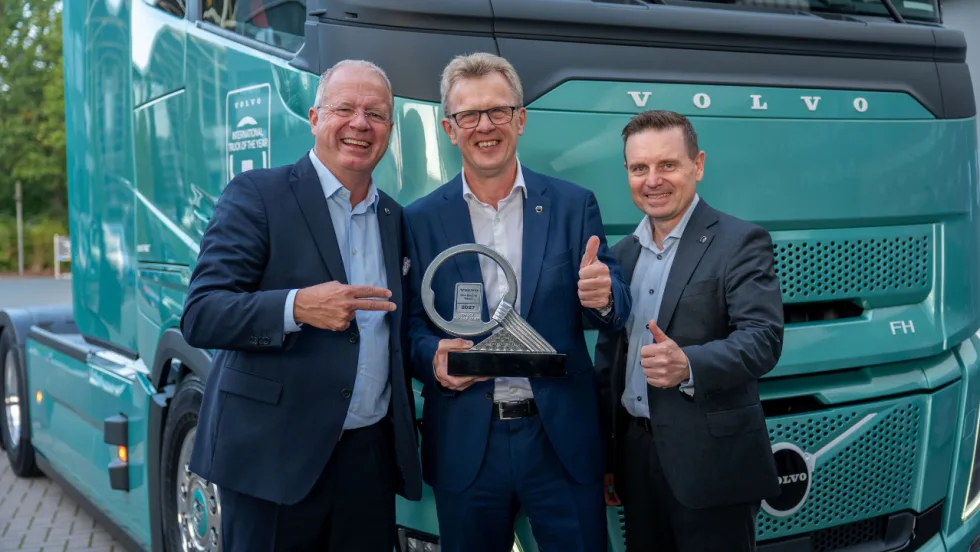
Volvo Trucks Wins International Truck of the Year 2027 for its Global Electric Range
Volvo Trucks' global heavy-duty electric range has been named International Truck of the Year 2027. Since 2019, more than 7,000 electric Volvo trucks have driven more than 310 million miles worldwide.
Read More →
Fleet Forward Conference Introduces One-Day Passes for 2026
New one-day registration gives fleet professionals the flexibility to attend Tuesday, Wednesday, or Thursday, with passes available for $199 through Sept. 18.
Read More →
CALSTART Rebrands as Catalyst Mobility, Will Combine with Forth in 2027
CALSTART has rebranded as Catalyst Mobility and will combine with Forth at the start of 2027. The new organization said it is poised to become one of the world's largest, strongest, and most impactful clean transportation nonprofits.
Read More →
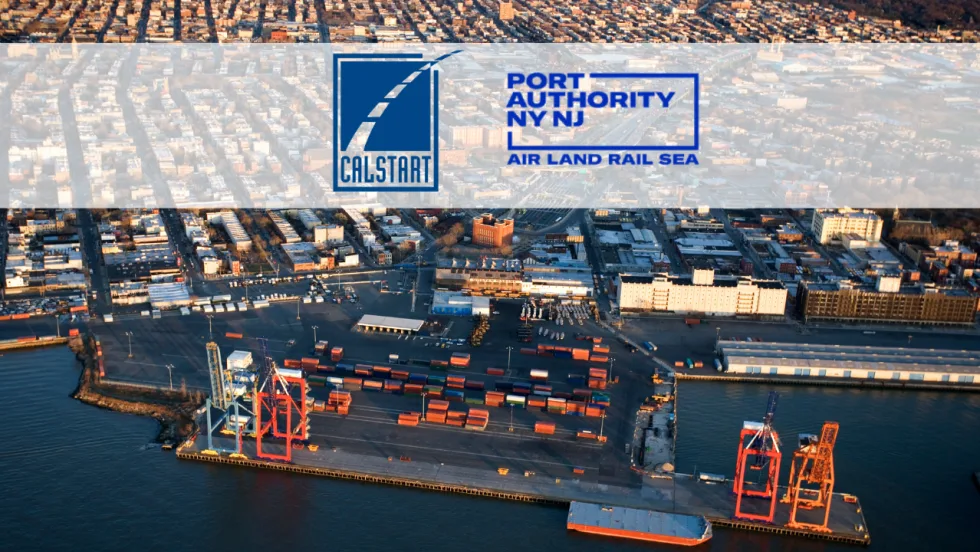
Electric Truck and Charging Programs to Boost Sustainability at NY & NJ Ports
Together, the Port Authority of New York and New Jersey and CALSTART will electrify drayage and terminal operations serving the East Coast’s busiest container port. A pair of incentive programs totaling $45 million has launched to accelerate adoption of zero-emission drayage trucks and terminal tractors.
Read More →
The Smart Way to Build a Mixed-Energy Fleet Isn’t About Picking a Side
Mixed-energy fleets aren’t about picking a winning fuel. Sarah Booth of WEX explains how vehicle data, duty cycles, charging strategy, and real-world costs can help fleets choose the right energy source for each job.
Read More →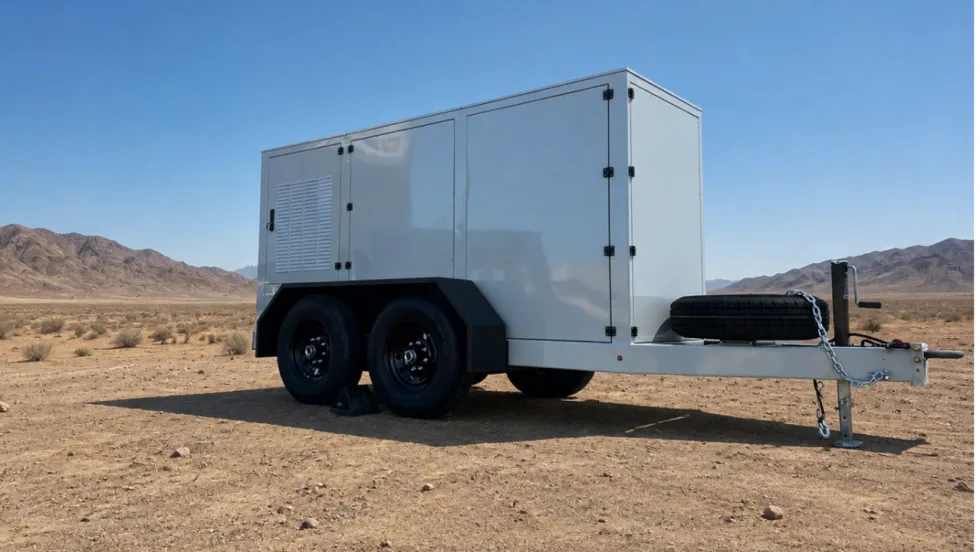
Xos Hub Surpasses One Gigawatt-Hour of Energy Delivered in the Field
A single Xos Hub has surpassed one gigawatt-hour of energy across more than 33,600 charging sessions in the field, demonstrating performance that supports Xos' expansion across new products and markets.
Read More →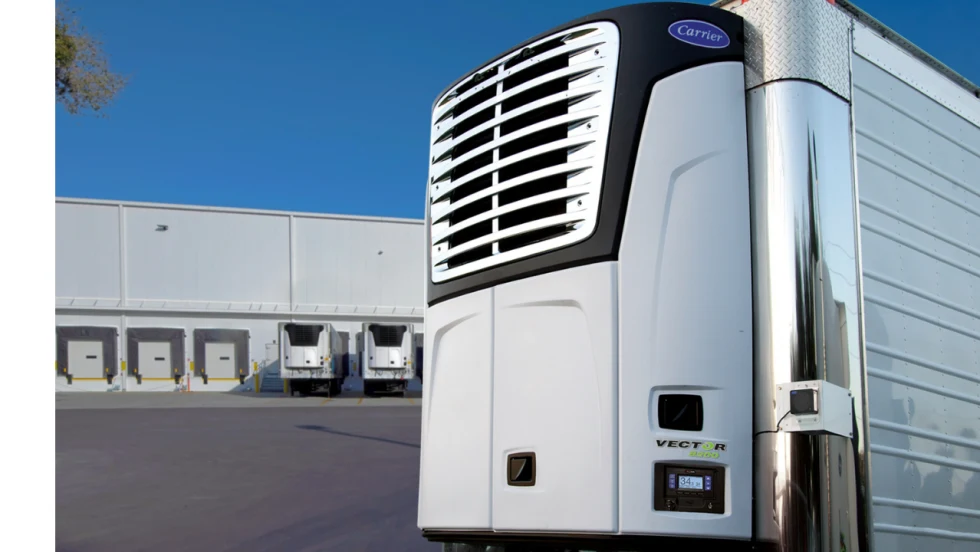
Carrier Transicold Launches All-Electric Vector 8200 TRU for Diesel-Free On-Site Cold Storage
Carrier Transicold’s first engineless multi-temperature TRU helps fresh- and frozen-food fleets add supplemental cold storage capacity during seasonal peaks.
Read More →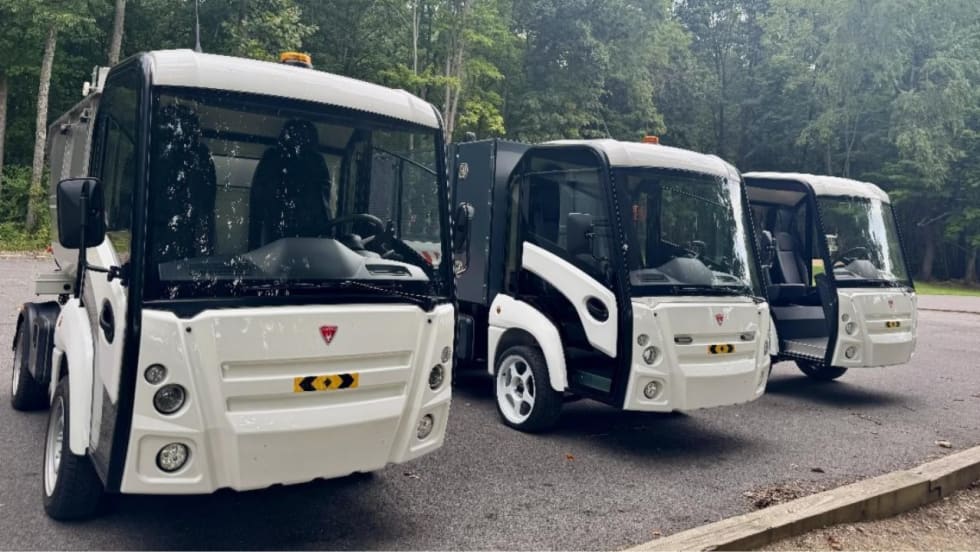
Narro Trucks Introduces Electric Utility Vehicle
Narro Trucks officially launched its operations on Aug. 20 and hosted a ride and drive to showcase its electric truck, which will be produced in Virginia.
Read More →
Samsung SDI Takes Full Control of GM Battery JV as Indiana Plant Pivots to Energy Storage
Samsung SDI is taking full control of its Indiana battery plant with GM, marking a major shift from the EV-focused joint venture Charged Fleet first covered in 2023.
Read More →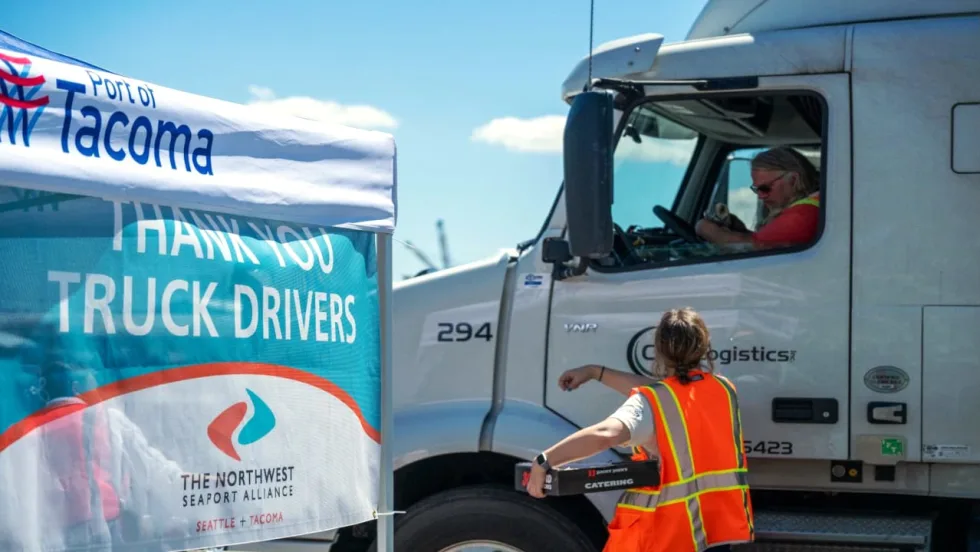
NWSA Taps CALSTART to Administer Zero-Emission Drayage Assistance Program
CALSTART will provide free technical assistance services to drayage fleets serving the Ports of Seattle and Tacoma and looking to transition to cleaner technologies and help decarbonize freight hubs.
Read More →