




Related: VW Launches Electric Carsharing Brand with 1,500 e-Golfs
Ford, VW Partner on Autonomous Driving, High-Volume EV for Europe
Volkswagen will invest in Ford's Argo AI autonomous vehicle platform. Ford will use VW’s electric vehicle architecture to design and build at least one high-volume fully electric vehicle in Europe for European customers starting in 2023.
by Staff
July 12, 2019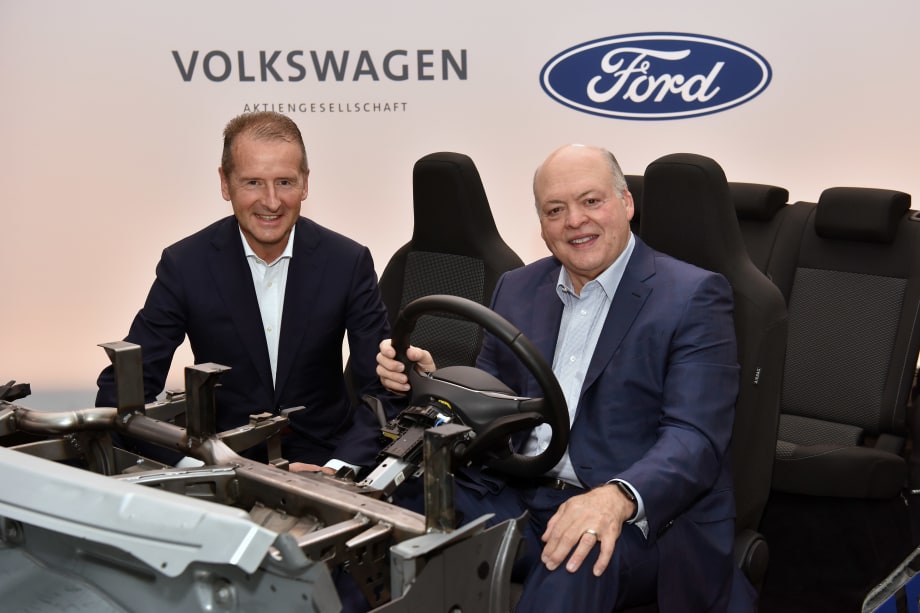
Volkswagen CEO Dr. Herbert Diess and Ford President and CEO Jim Hackett announced their companies are expanding their global alliance to include electric vehicles – and will collaborate with Argo AI to introduce autonomous vehicle technology in the U.S. and Europe.
Photo: Ford.
2 min to read
Ford Motor Co. and Volkswagen AG are expanding their global alliance to include electric vehicles and will collaborate with Argo AI to introduce autonomous vehicle technology in the U.S. and Europe, the companies have announced.
With Ford and Volkswagen, Argo AI's self-driving system is the first with commercial deployment plans for Europe and the U.S.
The global reach of the automakers will potentially make Argo AI's platform the largest geographic deployment of any autonomous driving technology to date. Volkswagen and Ford independently will integrate Argo AI's system into purpose-built vehicles.
Argo AI's focus will remain on delivering a SAE Level 4-capable system that will be applied for ride-hailing and goods delivery services in dense urban areas.
Ford will use Volkswagen’s Modular Electric Toolkit, a dedicated electric vehicle architecture.With plans to start releasing high-volume zero-emission vehicles in Europe beginning in 2023. The companies are also on track to deliver midsize pickup trucks for global customers, aiming to start in 2022, followed by commercial vans.
Volkswagen will invest $2.6 billion in Argo AI by committing $1 billion in funding and contributing its $1.6 billion Autonomous Intelligent Driving company, which includes more than 200 employees — most of whom have been developing self-driving technology for the Volkswagen Group.
As part of the transaction, Volkswagen also will purchase Argo AI shares from Ford for $500 million over three years. Ford will invest the remaining $600 million of its previously announced $1 billion cash commitment in Argo AI.
Argo AI plans to work closely with Ford and Volkswagen to provide the autonomous vehicle technology the automakers need to deliver fully integrated self-driving vehicles that can be manufactured at scale for safe, reliable and durable deployment in ride sharing and goods delivery services.
“The announcement between Ford and VW speaks to two main issues. One, we continue to head towards an autonomous future, and big and small companies alike are scrambling to be ready for this future. And two, as automotive becomes more and more complex, the necessity for partnerships and alliances is more important than ever, as one company cannot bankroll the development alone,” said Arkshay Anand, Kelley Blue Book executive analyst. “Partnerships will continue to ramp up in coming years, crossing boundaries most would not have envisioned even 10 years ago.”
“Ford and VW’s alliances collaborating on autonomous vehicles through Argo AI and electric vehicles makes sense. The financial investment into these technologies is immense, with no immediate payback on the horizon, and the engineering talent to develop these technologies is scarce and in high demand,” added Michelle Krebs, Autotrader executive analyst. “Combining forces not only means sharing resources but ultimately achieving scale and global reach that will advance the technologies faster.”
Originally posted on Automotive Fleet
More Green Fleet
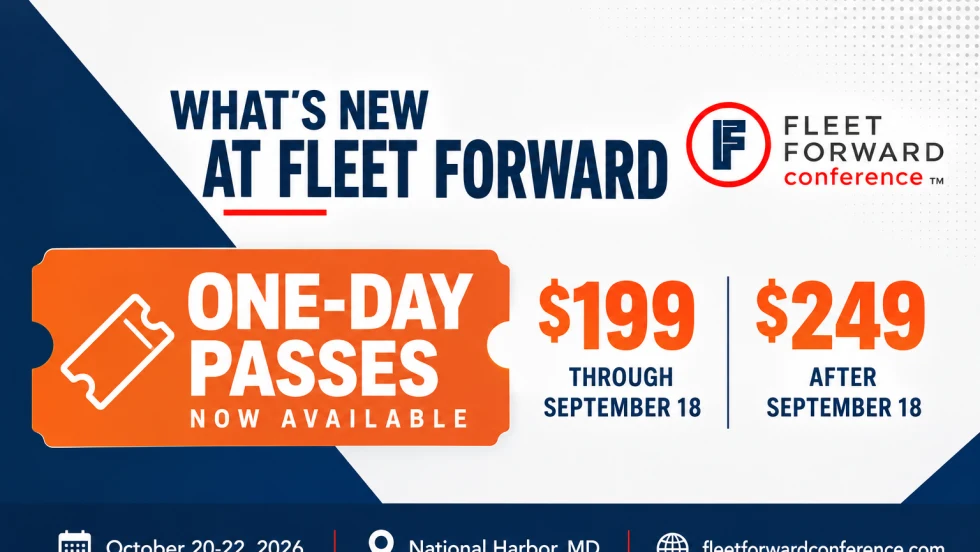
Fleet Forward Conference Introduces One-Day Passes for 2026
New one-day registration gives fleet professionals the flexibility to attend Tuesday, Wednesday, or Thursday, with passes available for $199 through Sept. 18.
Read More →
CALSTART Rebrands as Catalyst Mobility, Will Combine with Forth in 2027
CALSTART has rebranded as Catalyst Mobility and will combine with Forth at the start of 2027. The new organization said it is poised to become one of the world's largest, strongest, and most impactful clean transportation nonprofits.
Read More →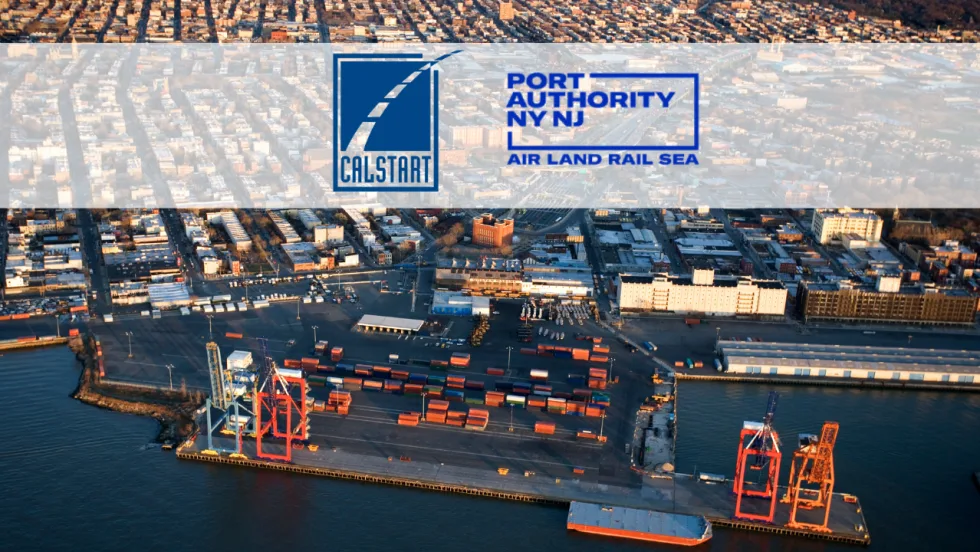
Electric Truck and Charging Programs to Boost Sustainability at NY & NJ Ports
Together, the Port Authority of New York and New Jersey and CALSTART will electrify drayage and terminal operations serving the East Coast’s busiest container port. A pair of incentive programs totaling $45 million has launched to accelerate adoption of zero-emission drayage trucks and terminal tractors.
Read More →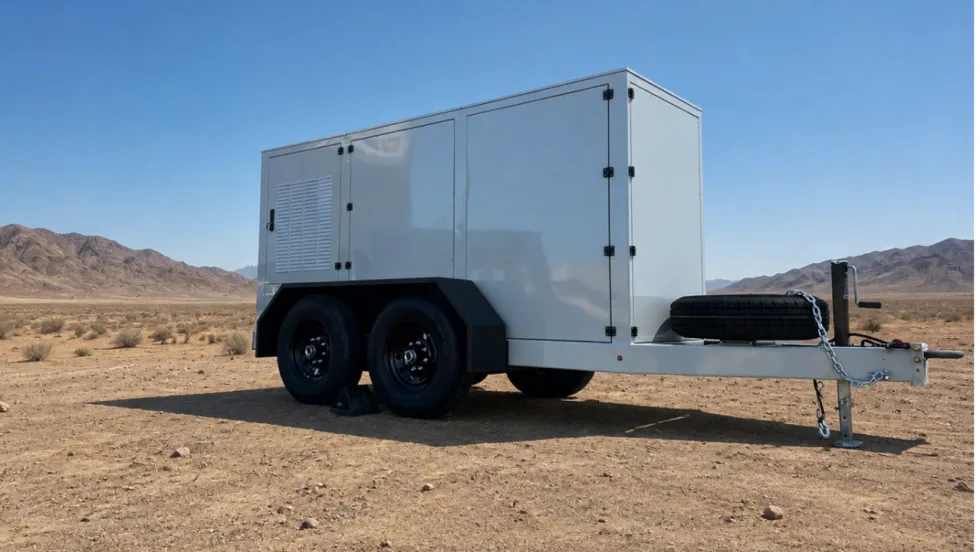
Xos Hub Surpasses One Gigawatt-Hour of Energy Delivered in the Field
A single Xos Hub has surpassed one gigawatt-hour of energy across more than 33,600 charging sessions in the field, demonstrating performance that supports Xos' expansion across new products and markets.
Read More →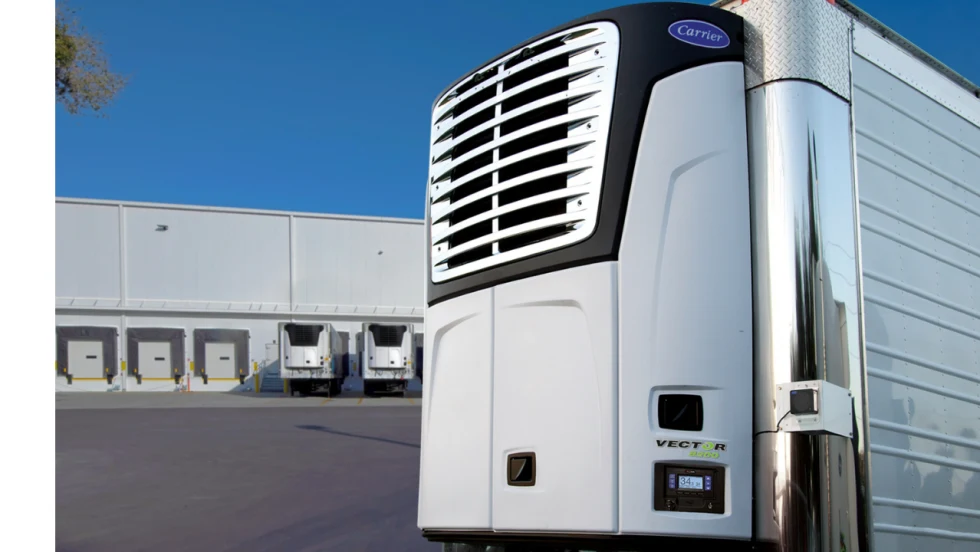
Carrier Transicold Launches All-Electric Vector 8200 TRU for Diesel-Free On-Site Cold Storage
Carrier Transicold’s first engineless multi-temperature TRU helps fresh- and frozen-food fleets add supplemental cold storage capacity during seasonal peaks.
Read More →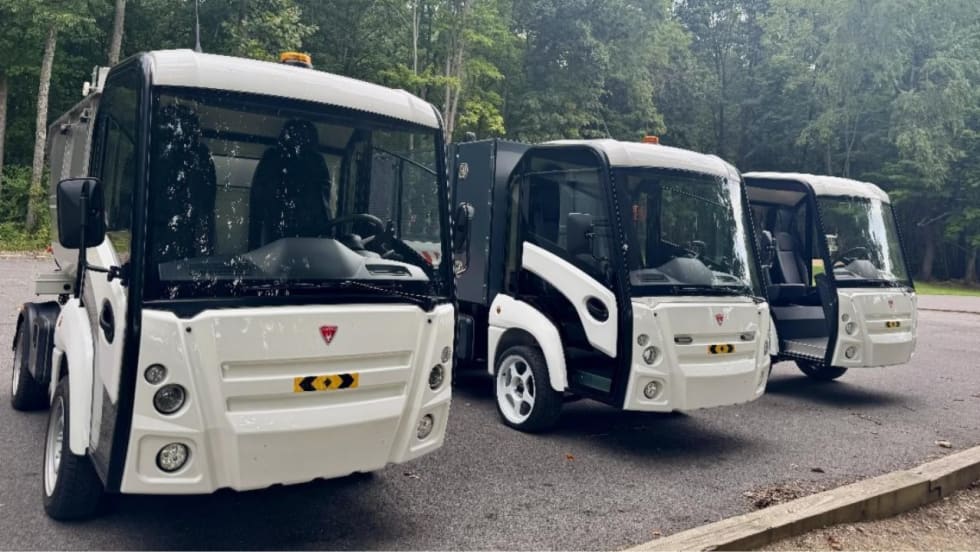
Narro Trucks Introduces Electric Utility Vehicle
Narro Trucks officially launched its operations on Aug. 20 and hosted a ride and drive to showcase its electric truck, which will be produced in Virginia.
Read More →
Samsung SDI Takes Full Control of GM Battery JV as Indiana Plant Pivots to Energy Storage
Samsung SDI is taking full control of its Indiana battery plant with GM, marking a major shift from the EV-focused joint venture Charged Fleet first covered in 2023.
Read More →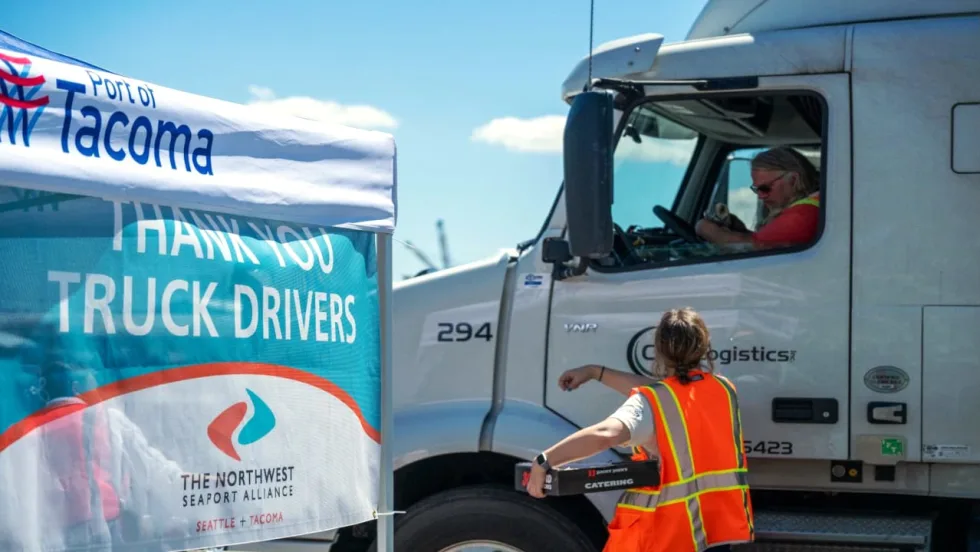
NWSA Taps CALSTART to Administer Zero-Emission Drayage Assistance Program
CALSTART will provide free technical assistance services to drayage fleets serving the Ports of Seattle and Tacoma and looking to transition to cleaner technologies and help decarbonize freight hubs.
Read More →
EV Fleet Reality Check: What Operators Wish They Knew Before Electrifying Their Work Vans
Electric work truck upfits bring new compatibility questions. Learn how parts availability, OEM guidance, power demands, and route planning can affect fleet performance.
Read More →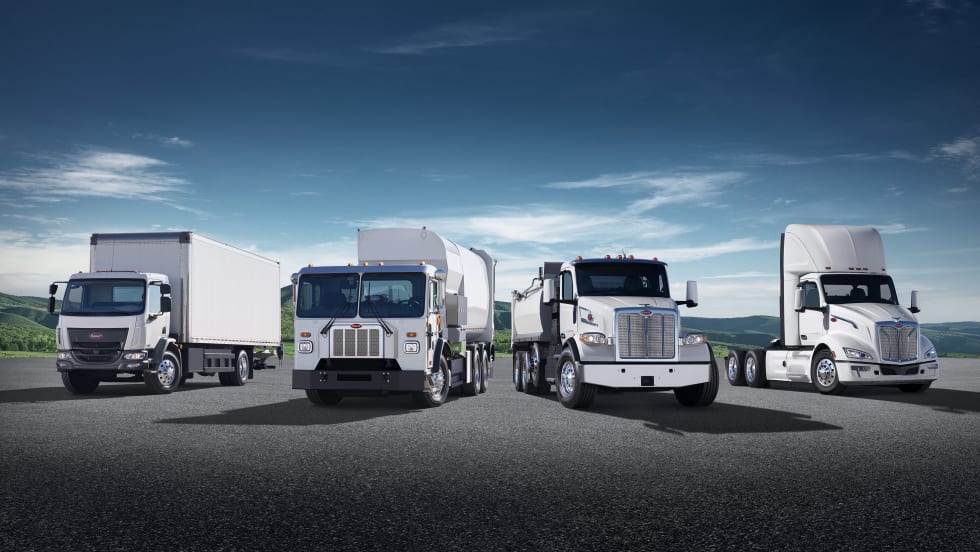
Peterbilt Expands Sourcewell Partnership with Electric Vehicle Lineup
Peterbilt Motors Company’s cooperative purchasing agreement with Sourcewell and its Canadian partner, Canoe Procurement Group, now includes including Peterbilt's battery-electric vehicle lineup.
Read More →