





Related: Deep Dive Analysis of the 2022-Model Ford E-Transit
Ford Updates E-Transit Targeted Ranges, Releases Detailed Pricing
As part of Ford’s just-released registration site for the electric E-Transit van, Ford has updated targeted battery ranges by body type, roof height, and wheelbase, along with targeted MSRPs for each configuration.
May 4, 2021

Just-announced updates on targeted ranges are 108 miles for the high roof with long- or extended-wheelbase cargo vans to 126 miles for the low roof with regular and long wheelbases.
Image courtesy of Ford.
3 min to read
As of May 4, commercial customers interested in learning more about the Ford E-Transit full-size electric van ahead of order banks opening in July can now “raise their hands to share purchase intentions” on a new registration site that’s part of Fleet.Ford.com. Just don’t call them preorders.
On this new site, Ford announced updated targeted battery ranges by body type, roof height, and wheelbase, along with targeted MSRPs for each configuration. Base starting MSRP ranges from $43,295 for the cutaway — lower than originally announced — to $52,690 for the high-roof extended-wheelbase cargo van. Prices exclude destination/delivery fees, fees and taxes, and "dealer processing charges."
Body Type | Roof Height/Wheelbase | Targeted Range (mi.) | Targeted MSRP |
Cargo Van | Low Roof (83.6")/Reg. (130") | 126 | $47,185 |
Cargo Van | Low Roof (83.6")/Long (148") | 126 | $48,395 |
Cargo Van | Med. Roof (100.8")/Reg. (130") | 116 | $48,280 |
Cargo Van | Med. Roof (100.8")/Long (148") | 116 | $49,490 |
Cargo Van | High Roof (110.1")/Long (148") | 108 | $51,530 |
Cargo Van | High Roof (110.1")/Ext. (148") | 108 | $52,690 |
Chassis Cab | Low Roof (83.6")/ Ext. (178") | - | $43,825 |
Cutaway | Low Roof (83.6")/ Ext. (178") | - | $43,295 |
Ford said in a statement it already has more than 450 commercial customer “hand raisers” in North America spanning 45 vocations already, including 200 top fleets and fleet management companies.
As numerous upstart automakers ready their commercial EVs, Ford is banking on commercial customers’ familiarity with the best-selling Transit van, which has the same cargo dimensions and standard mounting points as the gas-powered Transit for easy carryover of upfits, racks, bins, and accessories. Setting itself further apart from its new competitors, Ford can boast a ready-made service network of about 600 EV-certified Ford Commercial Vehicle Center dealers across the U.S.
E-Transit offers eight configurations, including a cargo van with three roof heights and three lengths, plus chassis cab and cutaway models.
Ford also believes it has a good idea of the type of hand raisers who will buy the E-Transit, which will be built alongside the Transit at Ford’s Kansas City Assembly Plant. Ford contends that about 40% are leaning toward high-roof vans and 60% are pointing to medium-roof, low-roof, cutaway, and chassis cab versions.
Early order indicators favor the delivery segment, Ford said, with other vocations such as equipment rental; local, state, and federal government agencies; utility services; and telecommunications showing interest. Other uses include recreational vehicles, school buses, automotive service, carpet cleaning, and service vans, to more unusual applications like armored transport, blood donation units and prisoner transport.
“We’ve had so much interest early on, we wanted to open this registration site to serve customers with a build mix for their needs across all van body styles,” said Ted Cannis, general manager, North American commercial business. “Some customers want high-roof vans to maximize internal cargo space, while others need to install bodies on cutaways and chassis cabs. Customers will have an all-electric solution — from box truck delivery to parking structure-friendly utility service vans and everything in between.”
While Ford has lowered e-Transit’s starting MSRP, previously announced specs stay the same:
E-Transit has a usable battery capacity of 67 kilowatt-hours for a targeted driving range of 126 miles for the low-roof E-Transit cargo van. On the registration site, though not mentioned in the press statement, Ford says more announcements will come on “additional derivatives that offer more capability and range.”
E-Transit has a targeted maximum payload of 3,800 lbs. with up to 487.3 cubic feet of cargo space in the cargo version. Cutaway versions will feature a maximum payload up to 4,290 lbs.
Early-production E-Transit vans will be tested by select fleet customers in telecommunications, delivery, utility services, and other vocations this summer.
Originally posted on Automotive Fleet
More Green Fleet

Fleet Forward Conference Introduces One-Day Passes for 2026
New one-day registration gives fleet professionals the flexibility to attend Tuesday, Wednesday, or Thursday, with passes available for $199 through Sept. 18.
Read More →
CALSTART Rebrands as Catalyst Mobility, Will Combine with Forth in 2027
CALSTART has rebranded as Catalyst Mobility and will combine with Forth at the start of 2027. The new organization said it is poised to become one of the world's largest, strongest, and most impactful clean transportation nonprofits.
Read More →
Electric Truck and Charging Programs to Boost Sustainability at NY & NJ Ports
Together, the Port Authority of New York and New Jersey and CALSTART will electrify drayage and terminal operations serving the East Coast’s busiest container port. A pair of incentive programs totaling $45 million has launched to accelerate adoption of zero-emission drayage trucks and terminal tractors.
Read More →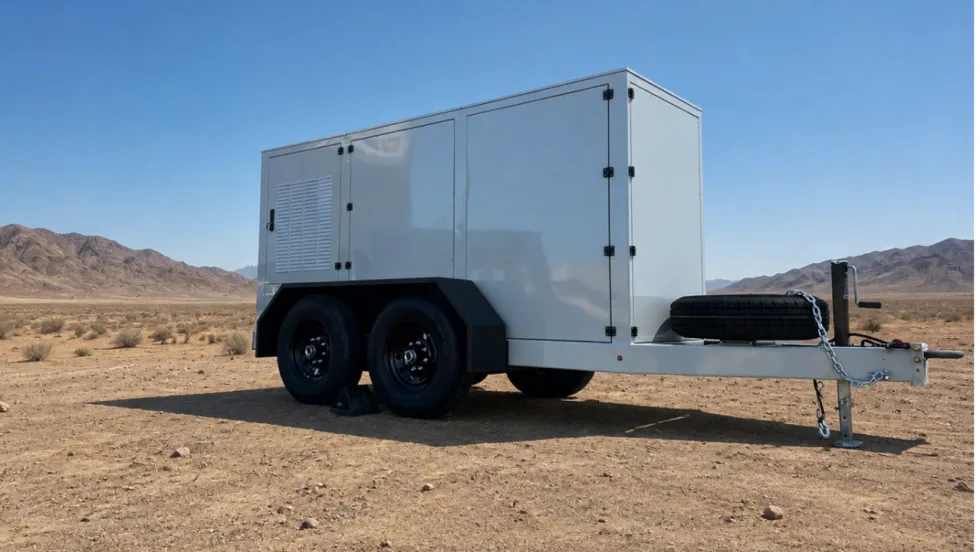
Xos Hub Surpasses One Gigawatt-Hour of Energy Delivered in the Field
A single Xos Hub has surpassed one gigawatt-hour of energy across more than 33,600 charging sessions in the field, demonstrating performance that supports Xos' expansion across new products and markets.
Read More →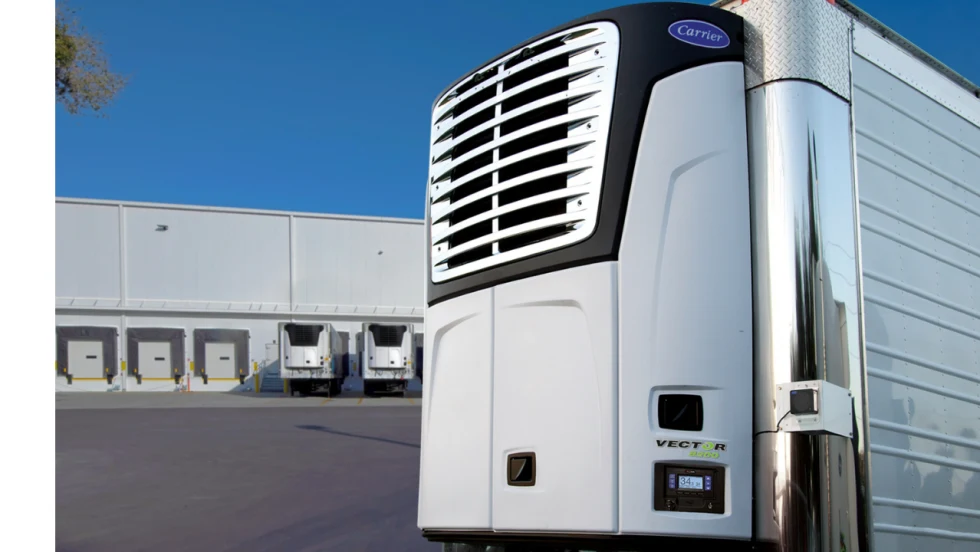
Carrier Transicold Launches All-Electric Vector 8200 TRU for Diesel-Free On-Site Cold Storage
Carrier Transicold’s first engineless multi-temperature TRU helps fresh- and frozen-food fleets add supplemental cold storage capacity during seasonal peaks.
Read More →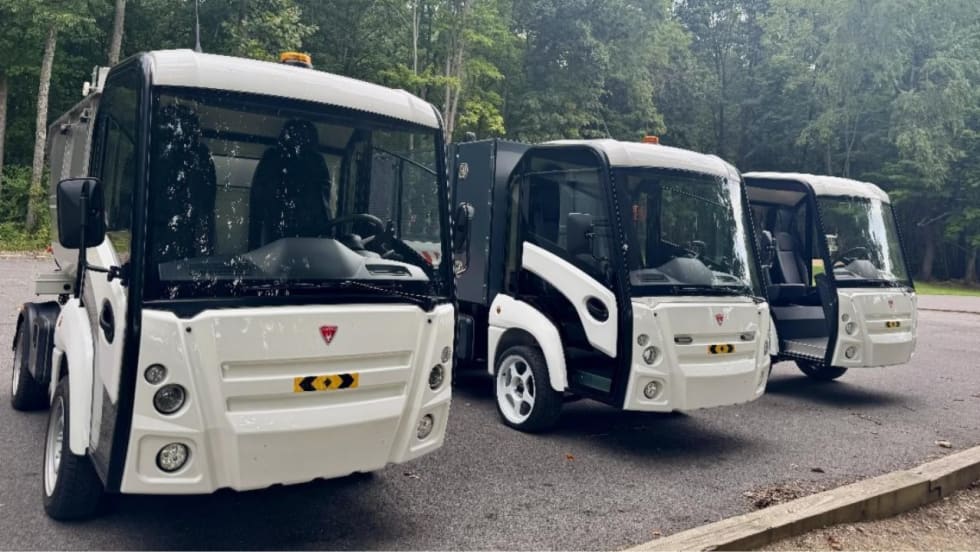
Narro Trucks Introduces Electric Utility Vehicle
Narro Trucks officially launched its operations on Aug. 20 and hosted a ride and drive to showcase its electric truck, which will be produced in Virginia.
Read More →
Samsung SDI Takes Full Control of GM Battery JV as Indiana Plant Pivots to Energy Storage
Samsung SDI is taking full control of its Indiana battery plant with GM, marking a major shift from the EV-focused joint venture Charged Fleet first covered in 2023.
Read More →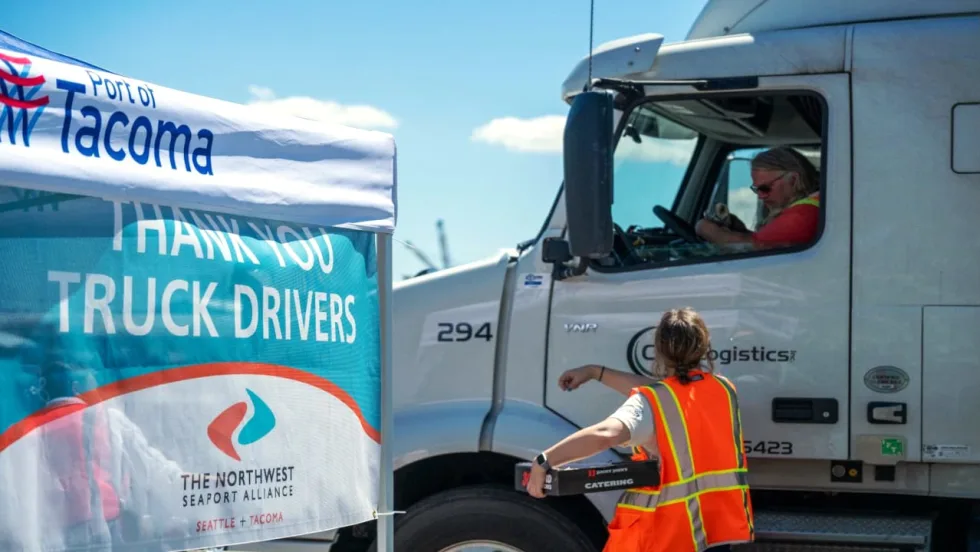
NWSA Taps CALSTART to Administer Zero-Emission Drayage Assistance Program
CALSTART will provide free technical assistance services to drayage fleets serving the Ports of Seattle and Tacoma and looking to transition to cleaner technologies and help decarbonize freight hubs.
Read More →
EV Fleet Reality Check: What Operators Wish They Knew Before Electrifying Their Work Vans
Electric work truck upfits bring new compatibility questions. Learn how parts availability, OEM guidance, power demands, and route planning can affect fleet performance.
Read More →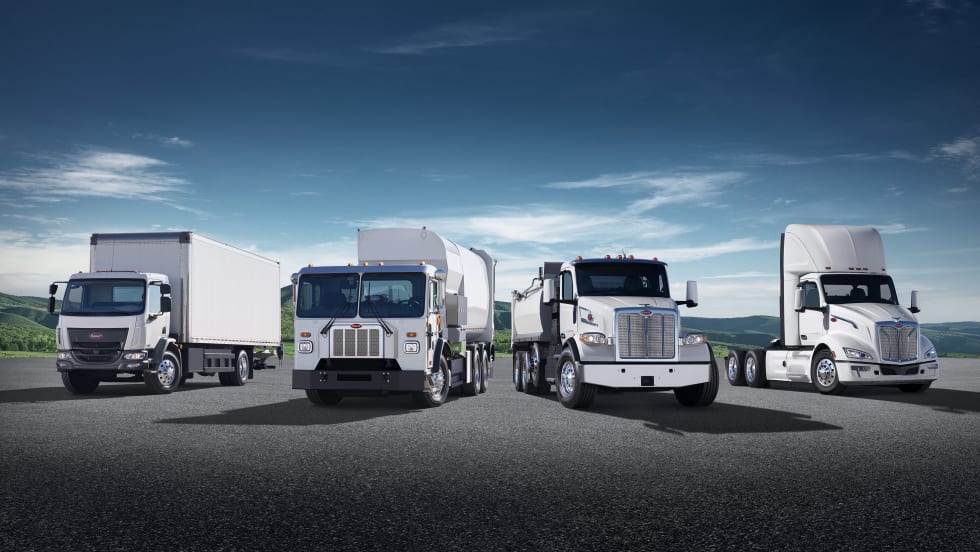
Peterbilt Expands Sourcewell Partnership with Electric Vehicle Lineup
Peterbilt Motors Company’s cooperative purchasing agreement with Sourcewell and its Canadian partner, Canoe Procurement Group, now includes including Peterbilt's battery-electric vehicle lineup.
Read More →