





Related: Ford Targets Mid-2022 for Electric F-150 and Transit Van
Ford Plans to Achieve Carbon Neutrality Goal by 2050
Ford Motor Co. plans to achieve carbon neutrality globally by 2050, while setting interim targets to address climate change challenges.
June 24, 2020
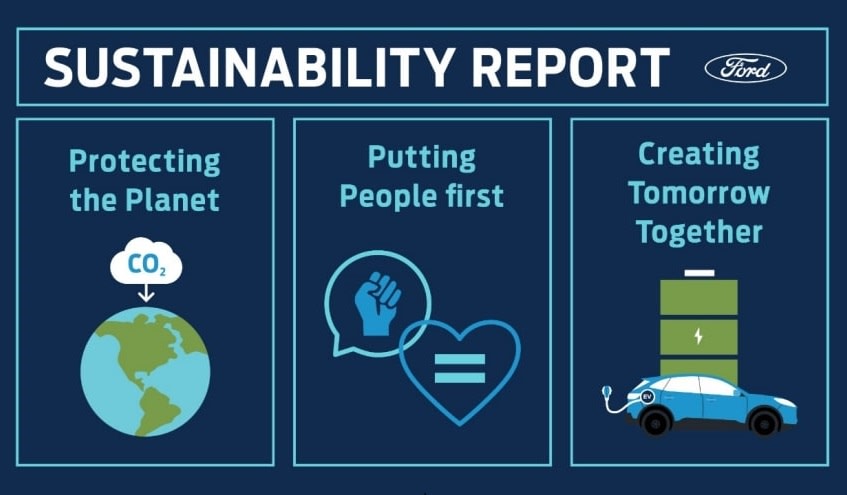
Ford said it will address customer acceptance, government regulations, economic conditions and the availability of renewable, carbon-neutral electricity and renewable fuels as it moves to achieve the 2050 goal.
Photo: Ford
2 min to read
Ford Motor Co. plans to achieve carbon neutrality globally by 2050, while setting interim targets to address climate change challenges, the company announced.
To achieve this goal, the automaker said it will focus on three areas that account for approximately 95% of its CO2 emissions – vehicle use, its supply base, and the company’s facilities, Ford said. The company announced that ambition today as it issued its 21st annual Sustainability Report.
Ford said it will address customer acceptance, government regulations, economic conditions and the availability of renewable, carbon-neutral electricity and renewable fuels as it moves to achieve the 2050 goal.
“We can develop and make great vehicles, sustain and grow a strong business and protect our planet at the same time – in fact, those ideals complement each other,” said Bob Holycross, vice president, chief sustainability, environment and safety officer. “We don’t have all the answers yet but are determined to work with all of our global and local partners and stakeholders to get there.”
Ford also is working to develop goals approved and defined by the Science Based Targets initiative for its Scope 1, Scope 2 and Scope 3 emissions.
Scope 1 covers direct emissions from company-owned or -controlled sources,
Scope 2 addresses indirect emissions from generation of purchased electricity, steam, heating and cooling consumed by Ford.
Scope 3 emissions speak to in-use emissions from vehicles that Ford sells and emissions from its supply base, among others.
A cross-functional Ford team from around the world – including the U.S., Europe and China – developed the company’s carbon-neutral approach after analyzing information on the environment, customers, technology, legislation, energy, competitive approaches, life-cycle assessments and other trends.
Ford said it is also investing more than $11.5 billion in electric vehicles through 2022, which includes a Transit Commercial EV and fully electric F-150 slated for release in the next two years.
The company previously announced its plan to use 100% locally sourced renewable energy for all its manufacturing plants globally by 2035.
Topics:Battery-Electric VehiclesBattery-Electric TrucksFord Transit Connect ElectricGreen FleetSmall Fleet
Originally posted on Automotive Fleet
More Green Fleet

Fleet Forward Conference Introduces One-Day Passes for 2026
New one-day registration gives fleet professionals the flexibility to attend Tuesday, Wednesday, or Thursday, with passes available for $199 through Sept. 18.
Read More →
CALSTART Rebrands as Catalyst Mobility, Will Combine with Forth in 2027
CALSTART has rebranded as Catalyst Mobility and will combine with Forth at the start of 2027. The new organization said it is poised to become one of the world's largest, strongest, and most impactful clean transportation nonprofits.
Read More →
Electric Truck and Charging Programs to Boost Sustainability at NY & NJ Ports
Together, the Port Authority of New York and New Jersey and CALSTART will electrify drayage and terminal operations serving the East Coast’s busiest container port. A pair of incentive programs totaling $45 million has launched to accelerate adoption of zero-emission drayage trucks and terminal tractors.
Read More →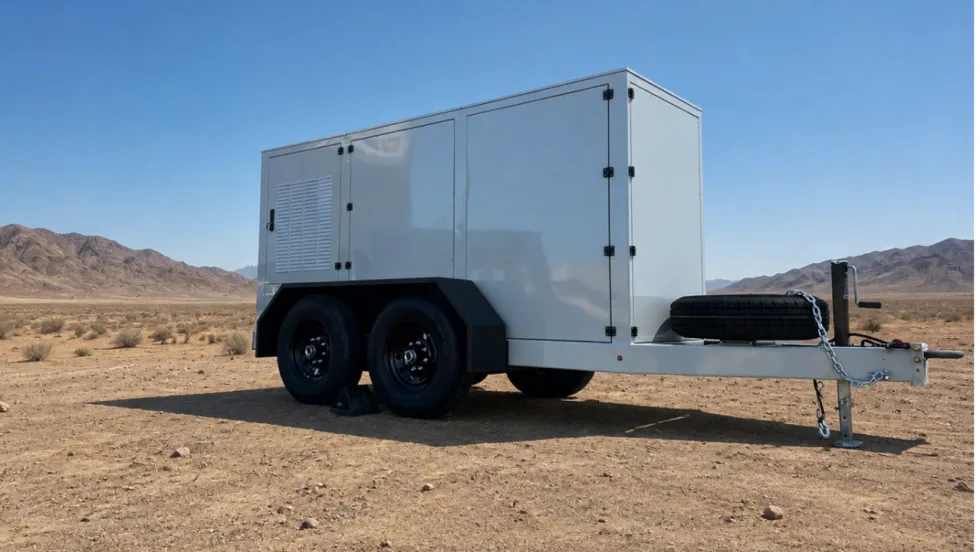
Xos Hub Surpasses One Gigawatt-Hour of Energy Delivered in the Field
A single Xos Hub has surpassed one gigawatt-hour of energy across more than 33,600 charging sessions in the field, demonstrating performance that supports Xos' expansion across new products and markets.
Read More →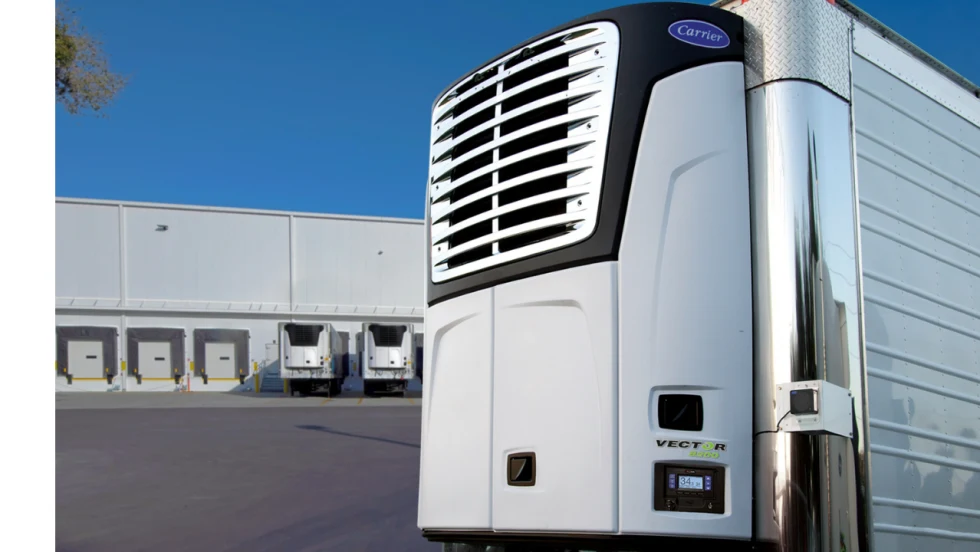
Carrier Transicold Launches All-Electric Vector 8200 TRU for Diesel-Free On-Site Cold Storage
Carrier Transicold’s first engineless multi-temperature TRU helps fresh- and frozen-food fleets add supplemental cold storage capacity during seasonal peaks.
Read More →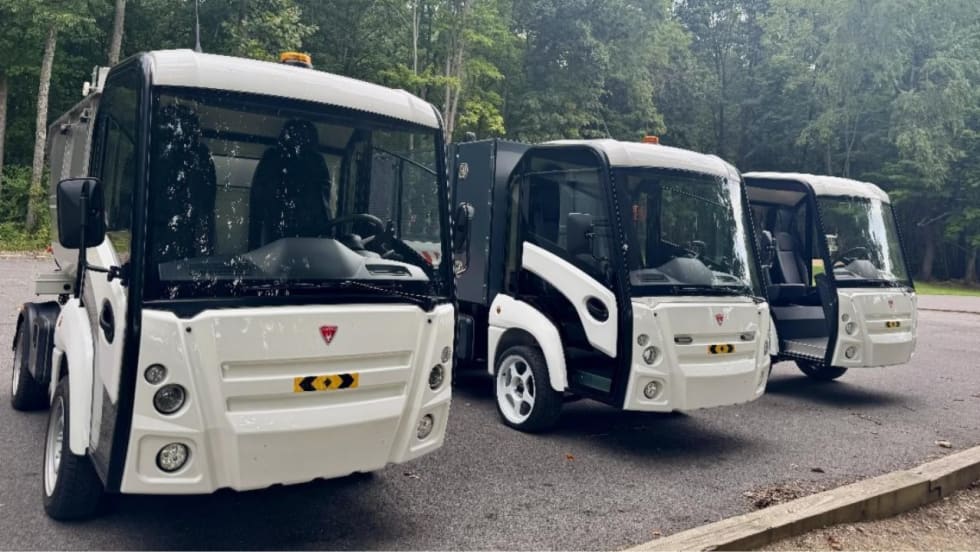
Narro Trucks Introduces Electric Utility Vehicle
Narro Trucks officially launched its operations on Aug. 20 and hosted a ride and drive to showcase its electric truck, which will be produced in Virginia.
Read More →
Samsung SDI Takes Full Control of GM Battery JV as Indiana Plant Pivots to Energy Storage
Samsung SDI is taking full control of its Indiana battery plant with GM, marking a major shift from the EV-focused joint venture Charged Fleet first covered in 2023.
Read More →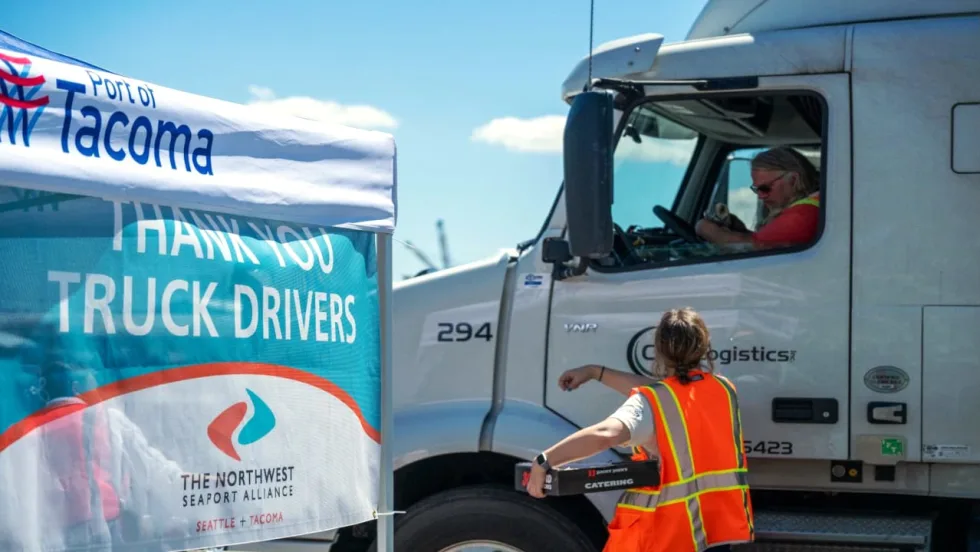
NWSA Taps CALSTART to Administer Zero-Emission Drayage Assistance Program
CALSTART will provide free technical assistance services to drayage fleets serving the Ports of Seattle and Tacoma and looking to transition to cleaner technologies and help decarbonize freight hubs.
Read More →
EV Fleet Reality Check: What Operators Wish They Knew Before Electrifying Their Work Vans
Electric work truck upfits bring new compatibility questions. Learn how parts availability, OEM guidance, power demands, and route planning can affect fleet performance.
Read More →
Peterbilt Expands Sourcewell Partnership with Electric Vehicle Lineup
Peterbilt Motors Company’s cooperative purchasing agreement with Sourcewell and its Canadian partner, Canoe Procurement Group, now includes including Peterbilt's battery-electric vehicle lineup.
Read More →